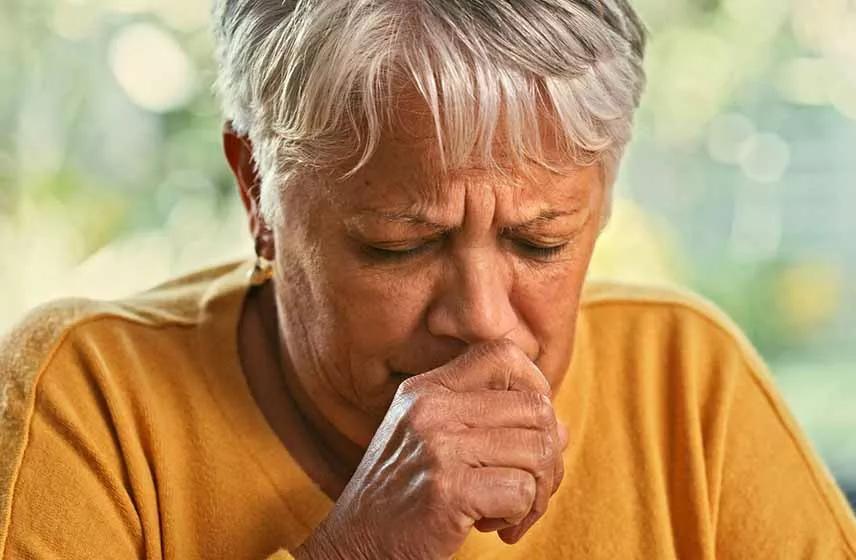
Respiratory syncytial virus, better known as RSV, has long had a reputation as “that baby virus.” Parents hear about it in pediatrician offices, daycare alerts, and winter news reports. But here is the plot twist: RSV does not check your birth certificate before entering your nose. Adults can get RSV too, and for some adults, especially older adults or people with certain chronic health conditions, it can be far more serious than a stuffy few days on the couch.
Understanding RSV in adults matters because the illness can look deceptively ordinary at first. A runny nose, cough, sore throat, headache, low fever, and fatigue can feel like the same seasonal cold that shows up every year like an unwanted holiday guest. In many healthy adults, RSV does stay mild. But in higher-risk adults, it can move deeper into the lungs, worsen asthma or COPD, trigger pneumonia, aggravate heart disease, and sometimes lead to hospitalization.
This guide explains what RSV is, how it spreads, which adults face the greatest risk, what symptoms to watch for, how RSV is treated, and how prevention works. No panic, no medical melodrama, and no pretending every cough is a catastrophe. Just clear, practical information that helps adults take RSV seriously without letting it take over their lives.
What Is RSV?
RSV stands for respiratory syncytial virus. It is a common respiratory virus that infects the nose, throat, airways, and lungs. Most people are exposed to RSV early in life, often more than once. Unfortunately, having RSV before does not give lifelong immunity. The immune system remembers it, but RSV is annoyingly good at making repeat appearances, like a sequel nobody asked for.
RSV usually circulates during fall, winter, and early spring in much of the United States, although timing can vary by region and year. It spreads through respiratory droplets when an infected person coughs or sneezes. It can also spread by touching contaminated surfaces and then touching the eyes, nose, or mouth. Door handles, phones, elevator buttons, shopping carts, and shared remote controls can all become tiny viral bus stations.
In healthy younger adults, RSV often causes mild upper respiratory symptoms. But in adults with weaker immune defenses, inflamed airways, chronic lung disease, heart disease, diabetes, kidney disease, or frailty, the same virus can cause lower respiratory tract illness. That means the infection moves beyond the nose and throat into the bronchial tubes and lungs, where it can cause wheezing, shortness of breath, oxygen problems, and pneumonia.
Why RSV in Adults Deserves More Attention
RSV is not rare, and it is not only a pediatric concern. In the United States, RSV causes a substantial number of hospitalizations among adults every year, especially in older age groups. The risk increases with age because immune defenses tend to weaken over time, and many older adults also live with conditions that make respiratory infections more complicated.
The tricky part is that RSV symptoms can overlap with the common cold, flu, COVID-19, allergies, sinus infections, and bronchitis. Adults may assume they have “just a cold” and continue working, visiting relatives, or going to public places. That can lead to more spread, especially around infants, older relatives, nursing home residents, or people with weakened immune systems.
RSV also deserves attention because it can destabilize existing health problems. For example, a person with COPD may notice more wheezing and breathlessness. Someone with asthma may need their rescue inhaler more often. A person with congestive heart failure may experience worsening shortness of breath or fluid-related symptoms. RSV does not always arrive alone; sometimes it brings your chronic conditions into the boxing ring with it.
Common RSV Symptoms in Adults
For many adults, RSV feels like a cold. Symptoms usually develop several days after exposure and may include:
- Runny or stuffy nose
- Sore throat
- Cough
- Sneezing
- Headache
- Low-grade fever
- Fatigue or body aches
- Mild chest discomfort
These symptoms may be annoying but manageable for otherwise healthy adults. Rest, fluids, warm tea, a humidifier, and a temporary friendship with tissues may be enough. However, symptoms that move into the chest or affect breathing deserve closer attention.
Warning Signs of More Serious RSV
Adults should contact a healthcare provider promptly if they experience shortness of breath, wheezing, chest pain, bluish lips or fingertips, confusion, dehydration, a high or persistent fever, worsening cough, or symptoms that improve and then suddenly get worse. Older adults should be especially careful because serious respiratory infections can sometimes appear as unusual fatigue, weakness, dizziness, confusion, or loss of appetite rather than dramatic coughing.
Emergency care may be needed if breathing becomes difficult, oxygen levels are low, chest pain is severe, or a person cannot stay awake or hydrated. In medicine, “wait and see” is useful for a mildly stuffy nose. It is not a heroic strategy for struggling to breathe.
Who Is at Higher Risk for Severe RSV?
RSV can affect anyone, but certain adults have a higher chance of severe illness. Risk is especially important for adults age 75 and older, adults between 50 and 74 with medical risk factors, and people living in nursing homes or long-term care facilities.
Adults at increased risk include those with chronic lung diseases such as COPD, emphysema, chronic bronchitis, or asthma. People with heart disease, including congestive heart failure or coronary artery disease, may also face a higher risk of complications. Adults with weakened immune systems, whether from illness, medications, cancer treatment, organ transplant, or autoimmune therapy, may have more severe or prolonged infections.
Other risk factors can include severe obesity, diabetes with complications, chronic kidney disease, chronic liver disease, neurological conditions that affect coughing or swallowing, and frailty. Living in a group setting also increases exposure because respiratory viruses love close quarters almost as much as people love pretending they “never get sick.”
How RSV Spreads Between Adults
RSV spreads easily through close contact. When an infected person coughs, sneezes, talks, or touches surfaces after wiping their nose, the virus can move to another person. Adults can be contagious before they feel very sick and typically remain contagious for several days while symptoms are active. People with weakened immune systems may shed the virus longer.
This is why RSV prevention is not only about protecting yourself. It is also about protecting the people around you. Visiting a grandparent while “just a little congested” may feel harmless, but for someone with lung disease or heart disease, that small cold-like illness could become a major health event.
Simple habits still matter: wash hands often, cover coughs and sneezes, clean frequently touched surfaces, improve ventilation when possible, avoid close contact with sick people, and stay home when you are ill. These steps sound basic because they are basic. They also work better than pretending the immune system runs on positive thinking and coffee.
RSV vs. Cold, Flu, and COVID-19
RSV can be difficult to identify based on symptoms alone. A cold may cause congestion and sneezing. Flu often causes sudden fever, chills, and body aches. COVID-19 can cause anything from mild congestion to fever, cough, fatigue, loss of taste or smell, or breathing problems. RSV can overlap with all of them.
Testing may be useful when the result could affect care decisions, especially for older adults, high-risk patients, people in long-term care, or anyone with worsening respiratory symptoms. Many clinics can test for RSV, flu, and COVID-19 using respiratory panels. A diagnosis can help guide infection control, reduce unnecessary antibiotics, and clarify what to watch for next.
That said, most mild RSV cases in healthy adults do not require special antiviral treatment. The main value of knowing it is RSV is understanding contagiousness, protecting vulnerable people, and monitoring symptoms carefully.
How RSV Is Treated in Adults
Most adults recover from RSV with supportive care. That means treatment focuses on helping the body get through the infection while symptoms improve. Supportive care may include rest, fluids, fever reducers, saline nasal spray, humidified air, warm drinks, and over-the-counter medications when appropriate.
Adults should use over-the-counter cough and cold products carefully, especially if they have high blood pressure, heart disease, glaucoma, prostate problems, liver disease, kidney disease, or take multiple medications. “Available without a prescription” does not always mean “perfect for everyone.” When in doubt, ask a pharmacist or healthcare provider.
Antibiotics do not treat RSV because RSV is a virus, not a bacterial infection. However, a healthcare provider may prescribe antibiotics if there is evidence of a secondary bacterial infection, such as bacterial pneumonia. In severe cases, hospital care may include oxygen, IV fluids, breathing treatments, monitoring, or support for complications.
RSV Vaccines for Adults
RSV prevention changed significantly with the arrival of RSV vaccines for adults. In the United States, RSV vaccines are available for certain adult groups, and recommendations have evolved as more data has become available.
Current CDC guidance recommends RSV vaccination for all adults age 75 and older. It also recommends vaccination for adults ages 50 to 74 who are at increased risk of severe RSV illness. Risk factors may include chronic heart or lung disease, weakened immune system, certain other underlying medical conditions, and living in a nursing home or long-term care facility.
Unlike the flu shot, RSV vaccination is not currently recommended as an annual vaccine for everyone. Many adults who receive an RSV vaccine do not need another dose each season, though guidance may continue to evolve as researchers learn more about duration of protection and risk groups.
The best time for eligible adults to get vaccinated is typically late summer or early fall, before RSV season begins, although vaccination may still be given at other times. Adults should discuss timing, eligibility, benefits, and risks with a healthcare provider, especially if they have a history of severe allergic reactions, neurological conditions, or complex medical issues.
Practical Prevention Tips for Everyday Life
RSV prevention does not require living inside a bubble, which is good because bubbles have terrible Wi-Fi. Instead, prevention is about stacking small habits that reduce exposure and spread.
Wash Hands Like It Actually Counts
Wash with soap and water for at least 20 seconds, especially after being in public places, blowing your nose, coughing, sneezing, or caring for someone who is sick. Hand sanitizer can help when soap and water are not available, but soap and water are still the classic champion.
Stay Home When Sick
If you have cold-like symptoms, avoid visiting older adults, infants, or immunocompromised people until you are improving. Staying home is not laziness; it is public health with slippers on.
Improve Indoor Air
Opening windows when weather allows, using air filtration, and avoiding crowded poorly ventilated spaces during peak respiratory virus season can reduce risk. Indoor air quality matters because respiratory viruses spread more easily when people gather in closed spaces.
Mask Strategically
A mask can be useful when you are sick, caring for someone sick, visiting high-risk people, or spending time in crowded indoor settings during respiratory virus season. It is not dramatic. It is a simple barrier between your germs and someone else’s lungs.
When to Call a Doctor
Healthy adults with mild RSV-like symptoms can often recover at home. However, medical advice is wise if symptoms are severe, worsening, or unusual. Adults over 65, people with heart or lung disease, those with weakened immune systems, and residents of long-term care facilities should be quicker to contact a healthcare provider.
Call a doctor if you have difficulty breathing, wheezing, chest pain, persistent fever, dehydration, worsening fatigue, confusion, or a cough that becomes severe. Also call if you have COPD, asthma, heart failure, or another chronic condition and notice that your usual symptoms are getting worse.
For caregivers, pay attention to subtle changes. An older adult may not say, “I am short of breath.” They may say, “I feel weak,” “I do not want to eat,” or “I just feel off.” Those comments can be early clues that a respiratory infection is affecting the whole body.
Living With RSV: Recovery and What to Expect
Most adults recover from RSV in one to two weeks, though coughing and fatigue can linger longer. During recovery, pacing matters. Returning to full activity too quickly may make symptoms feel worse, especially if the lungs are still irritated.
Hydration, sleep, and gentle activity as tolerated can help. Avoid smoking and secondhand smoke, which irritate the airways. If you use inhalers or other respiratory medications, follow your healthcare provider’s instructions and ask whether any adjustments are needed during illness.
After RSV, some adults may notice a lingering cough, temporary shortness of breath with exertion, or increased sensitivity to cold air. If symptoms do not gradually improve, or if they worsen after initial improvement, it is time to check in with a clinician.
Experiences Related to Understanding RSV in Adults
One of the most common real-world experiences with RSV in adults is mislabeling it as “just a cold.” Picture a 62-year-old office manager named Karen. She wakes up with a scratchy throat and a runny nose. She blames the office thermostat, because office thermostats are apparently controlled by raccoons with mood swings. By day three, she has a cough and feels unusually tired. She keeps working because there is always one more email, one more meeting, and one more person asking whether the file was attached. By day five, her husband, who has COPD, starts coughing too. His symptoms become more serious than hers. That is the RSV lesson many families learn the hard way: a mild illness in one adult can become a major illness in another.
Another common experience happens in families with grandchildren. A grandparent may babysit a toddler with a runny nose, thinking, “Kids are always sticky and sniffly.” A few days later, the grandparent develops congestion and a cough. For a healthy adult, the illness may pass with rest and soup. But for a grandparent with heart disease, diabetes, or chronic lung problems, that same infection can cause days of breathlessness or a trip to urgent care. RSV often travels through families quietly before anyone knows its name.
Caregivers in long-term care settings also see how quickly RSV can move. One resident develops a cough, then another, then staff members start calling out sick. Because older adults may show less typical symptoms, an RSV outbreak can begin with fatigue, poor appetite, or confusion rather than obvious fever. This is why infection control habits matter so much in nursing homes and assisted living communities. Hand hygiene, staying home when ill, cleaning surfaces, and vaccination for eligible adults are not small details; they are layers of protection.
For adults with asthma or COPD, RSV can feel different from an ordinary cold. The nose symptoms may be manageable, but the chest tightness, wheezing, and shortness of breath can be frightening. Some people describe needing their rescue inhaler more often or feeling winded after walking across the room. These experiences are a reminder that RSV is not only about the virus itself. It is also about how the virus interacts with lungs that are already inflamed or vulnerable.
There is also an emotional side to RSV in adults. Many people feel embarrassed about getting “a children’s virus,” as if viruses care about dignity. Others feel frustrated because they did everything “mostly right” and still got sick. The healthier approach is to treat RSV like any other respiratory risk: learn the signs, know your personal risk factors, protect vulnerable people, and seek care early when symptoms move beyond mild. Understanding RSV in adults is not about fear. It is about replacing surprise with preparation.
Conclusion
Understanding RSV in adults means recognizing that a familiar virus can have different consequences depending on age, health status, and exposure. For many healthy adults, RSV causes mild cold-like symptoms and improves with rest and supportive care. For older adults, people with chronic heart or lung disease, those with weakened immune systems, and residents of long-term care facilities, RSV can become serious and sometimes life-threatening.
The good news is that adults are not powerless. Handwashing, staying home when sick, improving indoor air, masking in higher-risk situations, avoiding close contact with vulnerable people while symptomatic, and getting vaccinated when recommended can all reduce risk. RSV may be common, but common does not mean harmless. Treat it with respect, not panic, and your lungs will appreciate the professionalism.
Note: This article is for general educational purposes only and should not replace medical advice from a qualified healthcare professional. Adults with severe symptoms, high-risk medical conditions, or concerns about RSV vaccination should speak with a healthcare provider.