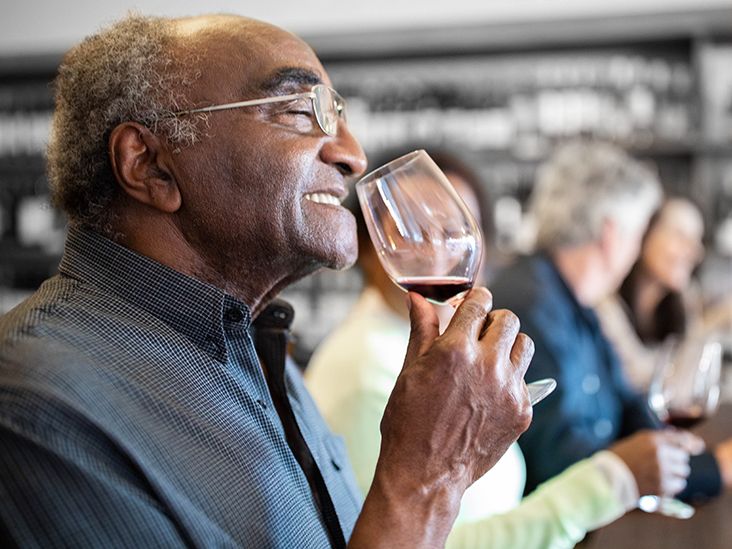
Can you enjoy a glass of wine, a cold beer, or a celebratory cocktail when you have type 2 diabetes? For many adults, the answer is “possibly”but alcohol turns blood sugar management into a slightly more complicated chemistry experiment. The carbohydrates in a drink may push glucose up, while the alcohol itself can cause glucose to fall hours later. Add diabetes medication, an empty stomach, or an enthusiastic bartender, and happy hour may become less happy than advertised.
Alcohol is not automatically forbidden after a type 2 diabetes diagnosis. However, there is no universally safe amount for everyone. Your medications, glucose patterns, liver and kidney health, triglyceride levels, weight goals, and history of hypoglycemia all matter. The safest approach is to discuss drinking honestly with your doctor or pharmacist before uncorking anything.
How Alcohol Affects Blood Sugar
Alcohol can produce both high and low blood sugar, sometimes during the same evening. That apparent contradiction makes more sense once you separate the alcoholic portion of a beverage from its carbohydrates.
Sugary drinks can cause an early glucose rise
Regular beer, hard cider, dessert wine, liqueurs, frozen cocktails, and drinks made with juice, syrup, regular soda, or sweetened tonic water may contain substantial carbohydrates. These carbohydrates are absorbed relatively quickly and can raise blood glucose soon after drinking.
A daiquiri, for example, is not merely rum wearing a tiny umbrella. Depending on the recipe and serving size, it may deliver as much sugar as a dessert. Large craft beers can also contain more alcohol and carbohydrates than their modest-looking glass suggests.
Alcohol can cause a delayed glucose drop
Your liver normally stores glucose and releases some when blood sugar begins to fall, including between meals and overnight. When alcohol enters the bloodstream, the liver prioritizes processing it. While occupied with that task, it may release less glucose.
This creates a risk of delayed hypoglycemia, particularly for people taking insulin, sulfonylureas such as glipizide, glyburide, or glimepiride, or meglitinides such as repaglinide. The risk is higher when drinking without food, after exercise, or after consuming several drinks. A low may occur during the evening, overnight, or well after the final glass.
Why Hypoglycemia Is the Biggest Immediate Concern
Low blood sugar is generally defined as a glucose level below 70 mg/dL. Warning signs can include shaking, sweating, hunger, dizziness, weakness, anxiety, a pounding heartbeat, blurred vision, irritability, and confusion.
Unfortunately, several of those signs resemble intoxication. Slurred speech, poor coordination, drowsiness, and confused behavior may be blamed on alcohol when the person actually needs glucose. Alcohol can also make it harder to notice symptoms, test accurately, or make sensible treatment decisions.
Anyone who experiences frequent lows, severe hypoglycemia, or hypoglycemia unawareness should speak with a clinician before drinking. Friends or family members should know that unusual behavior may be a medical emergency rather than evidence that someone has been overly friendly with the margarita pitcher.
What to do if blood sugar falls
If glucose is below 70 mg/dL and the person is awake and able to swallow, the commonly recommended 15-15 method is:
- Consume 15 grams of fast-acting carbohydrate, such as glucose tablets, glucose gel, or 4 ounces of regular juice or soda.
- Wait 15 minutes and check glucose again.
- Repeat if the reading remains below 70 mg/dL.
- Once glucose has recovered, eat a balanced snack or meal if the next meal is not soon.
If the person cannot safely swallow, is unconscious, has a seizure, or needs help treating the low, do not put food or liquid in their mouth. Use prescribed glucagon if available and call 911 or the appropriate local emergency number.
How Much Alcohol Is Considered Moderate?
Current general U.S. guidance defines moderate drinking as no more than one drink in a day for women and no more than two drinks in a day for men. These are upper limits, not targets, and they do not mean that drinking every day is recommended. Saving an entire week’s allowance for Saturday night does not count as moderation; biology is stubborn about accounting tricks.
One U.S. standard drink contains about 14 grams of pure alcohol and is approximately:
- 12 ounces of 5% alcohol-by-volume beer
- 5 ounces of 12% wine
- 1.5 ounces of 40% distilled spirits
Actual servings are often larger. A 16-ounce 9% craft beer contains considerably more than one standard drink, while a generous home-poured glass of wine may quietly become two. Check the alcohol percentage and measure pours until you can recognize a standard serving.
People who do not drink should not start because they have heard alcohol might improve insulin sensitivity or heart health. More recent evaluations have questioned the supposed benefits found in older observational studies. Alcohol carries health risks even at relatively low intake, including increased risks of certain cancers.
Alcohol and Type 2 Diabetes Medications
The interaction depends on the medication, the amount consumed, food intake, and individual health conditions. A pharmacist can review the exact combination more reliably than advice from a friend whose medical credentials consist of owning a cocktail shaker.
Insulin, sulfonylureas, and meglitinides
These treatments can lower glucose independently of alcohol. Combining them with drinkingespecially without eatingcan increase the likelihood and severity of hypoglycemia. Delayed lows are particularly concerning at bedtime.
Metformin
Metformin alone does not usually cause hypoglycemia, but alcohol can still lower glucose. Excessive or binge drinking may also increase the risk of metformin-associated lactic acidosis, a rare but serious emergency. Risk may be greater in people with kidney or liver impairment, dehydration, severe infection, or heart failure.
SGLT2 inhibitors
Medications such as empagliflozin, dapagliflozin, and canagliflozin can contribute to fluid loss. Heavy alcohol intake, dehydration, prolonged fasting, or very low food intake may also increase the risk of ketoacidosis. This complication can occasionally occur without dramatically elevated glucose.
Other diabetes medications
GLP-1 medicines, DPP-4 inhibitors, thiazolidinediones, and other treatments have different risk profiles. Alcohol may worsen nausea, dehydration, poor appetite, dizziness, or an existing medical condition even when there is no simple direct interaction. Never skip, add, or reduce a dose merely because you plan to drink unless your prescriber has provided specific instructions.
Calories, Weight, Triglycerides, and Long-Term Control
Alcohol contains seven calories per gram, nearly twice the energy supplied by carbohydrate or protein. Mixers, syrups, cream, and juice add more. These calories can make weight management harder without providing the fiber, protein, vitamins, or fullness of ordinary food.
Drinking can also loosen dietary restraint. The late-night nachos were not technically ordered by the martini, but the martini may have chaired the meeting. Frequent drinking may therefore affect calorie intake, body weight, glucose control, blood pressure, triglycerides, sleep, and medication adherence.
Heavy alcohol use can contribute to fatty liver disease, pancreatitis, nerve damage, and abnormal blood lipids. These concerns may overlap with complications already associated with type 2 diabetes. People with high triglycerides, liver disease, pancreatitis, kidney disease, advanced neuropathy, or difficult-to-control glucose may be advised to avoid alcohol entirely.
A Safer Drinking Checklist
If your healthcare professional agrees that alcohol is reasonable for you, planning can reducebut not eliminatethe risk.
- Know your starting glucose. Do not drink when glucose is low or falling.
- Eat a real meal. Include carbohydrate, protein, and fiber. Alcohol is not a meal replacement, even if an olive is involved.
- Measure the serving. Count standard drinks rather than glasses or cans.
- Drink slowly. Alternate alcoholic beverages with water or another unsweetened drink.
- Choose mixers carefully. Club soda, water, or sugar-free mixers generally contain fewer carbohydrates than juice, syrup, or regular soda.
- Keep fast-acting glucose nearby. Carry glucose tablets or another reliable treatment for a low.
- Monitor longer than expected. Check before drinking, during or after the event, before bed, and as directed the following day. CGM users should watch trend arrows as well as the current number.
- Do not drink alone. Tell a trusted companion that you have diabetes and explain how to recognize and treat hypoglycemia.
- Wear medical identification. It can help others distinguish a glucose emergency from intoxication.
- Do not drive. Alcohol and low glucose can both impair judgment and reaction time.
When Avoiding Alcohol Is the Better Choice
Your doctor may recommend abstaining if you are pregnant or trying to become pregnant, younger than the legal drinking age, unable to control how much you drink, recovering from alcohol use disorder, or taking a medication that should not be mixed with alcohol.
Avoidance may also be appropriate with recurrent hypoglycemia, hypoglycemia unawareness, active liver disease, pancreatitis, very high triglycerides, certain kidney problems, severe diabetes complications, or unstable blood sugar. If drinking has become difficult to control, confidential medical treatment is available; needing help is a health issue, not a character defect.
Experience-Based Scenarios: What Real Life Can Teach
The following are composite educational scenarios rather than reports about identifiable patients. They illustrate common patterns that people may discover while working with their diabetes care teams.
The calm dinner that revealed a delayed effect
Imagine Maria, who takes metformin and usually has stable glucose. She asks her clinician whether an occasional glass of wine is appropriate. At dinner, she measures a five-ounce serving, eats grilled chicken, vegetables, and a modest portion of brown rice, and checks her glucose before bed. Nothing dramatic happens, but her glucose is slightly lower the next morning than usual.
Her lesson is not that wine is a glucose treatment. It is that alcohol can have a delayed effect even when the drink contains little carbohydrate. She records the meal, serving size, timing, and glucose pattern so she can discuss it at her next appointment. She also learns that “one glass” needs a measured definition; her favorite wineglass could comfortably house a small aquarium.
The craft beer with two different glucose stories
Now consider James, who uses a sulfonylurea. At a weekend gathering, he drinks a large, high-alcohol craft beer and eats several carbohydrate-heavy snacks. His glucose initially rises because of the beer and food. Assuming the danger has passed, he goes to sleep without checking again. Several hours later, his CGM alarm reports a falling glucose level.
With guidance from his healthcare team, James recognizes the pattern: carbohydrates contributed to the early rise, while medication, alcohol, and the liver’s delayed glucose release contributed to the later decline. For future events, he chooses a smaller serving, eats a planned meal, monitors before bed, and makes sure his partner knows where his glucose treatment and glucagon are stored.
The person who chooses an alcohol-free option
Denise has experienced nighttime hypoglycemia and does not always feel the warning symptoms. Her clinician explains that alcohol could make those lows harder to recognize. At a wedding, she chooses sparkling water with lime instead of champagne.
The decision is not a punishment or a sign that diabetes has canceled the party. It is simply the option with the best risk-to-enjoyment ratio for her. She still gives a toast, dances, and remembers where she left her shoesan outcome unavailable to several other guests.
The value of a personal experimentwith professional boundaries
These experiences share a practical principle: individual responses matter, but experimentation must stay inside a clinician-approved plan. A useful record may include the beverage, alcohol percentage, measured amount, mixer, meal, medication timing, activity, bedtime glucose, overnight alerts, and next-morning reading.
Patterns are more informative than assumptions. One person may notice an early spike from a sweet cocktail; another may be more vulnerable to an overnight low. Someone else may decide that alcohol disrupts sleep, appetite, or weight goals enough that it is not worthwhile. The goal is not to discover the “perfect diabetic drink.” It is to make an informed choice that respects medication safety, glucose control, and overall health.
Conclusion
Type 2 diabetes and alcohol can coexist for some adults, but the relationship requires preparation. Alcohol may raise glucose through sugary ingredients, lower it by limiting the liver’s glucose release, interact with medications, and disguise the symptoms of hypoglycemia. The safest amount may be less than general drinking limitsor none at alldepending on your health and treatment plan.
If you choose to drink after consulting your healthcare professional, eat first, measure servings, stay hydrated, monitor glucose for delayed changes, carry fast-acting carbohydrate, and make sure someone nearby understands hypoglycemia. Good diabetes management is not about removing every pleasure from life. It is about ensuring tonight’s toast does not become tomorrow morning’s emergency.