There is a certain kind of Fourth of July party that looks terrific in photographs and feels exhausting in real life. It involves twelve kinds of disposable decorations, a shopping cart full of novelty napkins, and at least one inflatable eagle that spends the afternoon trying to escape into a neighbor’s yard. A homegrown July 4th celebration takes the opposite approach. It begins with what is already blooming, ripening, cooling in the refrigerator, or waiting on the porch.
That relaxed spirit is the enduring charm behind Trending on Gardenista: Homegrown July 4th Ideas. The original Gardenista and Remodelista inspiration mixed a rehabilitated summer porch, patriotic enamelware, rope details, a raspberry sparkler, and a handsome outdoor barbecue. The lesson was not to buy an entire holiday in one afternoon. It was to let the garden, the season, and the house do most of the decorating.
Here is how to turn that idea into a welcoming Independence Day gathering with backyard flowers, seasonal food, practical outdoor design, and just enough red, white, and blue to look festive without making the patio resemble a campaign bus.
Why the Homegrown July 4th Look Still Works
Homegrown style feels personal because it is personal. A jar of zinnias from the side yard says more about summer than a plastic centerpiece ever could. A bowl of tomatoes, a pitcher filled with mint, and a stack of slightly mismatched enamel plates create a table that looks collected rather than staged. Better still, most of these pieces remain useful on July 5.
The Gardenista approach also favors the pleasures people actually remember: shade on a hot afternoon, a cold drink, a comfortable chair, herbs crushed between fingers, and flowers moving in the evening breeze. Patriotic color is present, but it comes through produce, plants, textiles, and sturdy objects rather than a blizzard of single-use décor.
Start With a Garden-Grown Color Palette
Use Flowers as the Main Decoration
Begin by walking through the garden with a bucket of clean water and a pair of sharp snips. Look for red or deep pink blooms, creamy white flowers, blue-purple accents, and plenty of greenery. Zinnias, cosmos, bee balm, hydrangeas, coneflowers, yarrow, salvia, petunias, and even flowering herbs can all contribute. Exact patriotic colors are optional. Nature rarely produces “flag blue” on command, and trying to force it is how innocent flowers end up sharing a vase with glitter-coated foam stars.
For a relaxed centerpiece, divide flowers among several small vessels instead of building one tall arrangement that blocks conversation. Blue glass bottles, canning jars, old creamers, and small enamel pitchers work especially well. Remove leaves that would sit below the waterline, cut stems to different heights, and keep the arrangements loose. One type of flower per vessel can look more confident than a complicated bouquet.
Let Edible Plants Join the Party
Potted rosemary, basil, thyme, and mint add fragrance and texture to the table. They can also become garnishes, drink ingredients, or take-home gifts. A shallow bowl of strawberries, cherries, raspberries, or small tomatoes adds natural color while quietly performing the important decorative function of being delicious.
For a larger gathering, place potted herbs along the buffet and label them with simple tags: “mint for lemonade,” “basil for tomatoes,” or “rosemary for the grill.” Guests understand the setup immediately, and nobody has to ask whether the centerpiece is food or merely very ambitious landscaping.
Turn the Porch or Patio Into a Summer Room
Prioritize Shade, Seating, and Circulation
A beautiful outdoor party fails quickly when every chair is in full sun and the buffet creates a human traffic jam. Set the main table beneath a tree, umbrella, pergola, screened porch, or temporary canopy. Arrange chairs in small groups so guests can talk without shouting across the entire yard. Keep a clear path between the food, drinks, seating, and house.
Folding chairs and benches are practical because they can move as the shade moves. Add washable cushions or striped throws in faded red, navy, cream, or chambray. The goal is not perfect coordination. The goal is to make the space look as though summer has been happening there for years.
Borrow Gardenista’s Rope-and-Enamel Vocabulary
Rope details give a porch or patio a coastal, summer-house character without requiring an actual ocean. Wrap plain napkin rings with cotton cord, tie bundles of flatware with simple knots, or use a short length of rope as a handle for a drink tub. Keep it restrained; the table should suggest a boatyard, not require guests to pass a sailing exam before dinner.
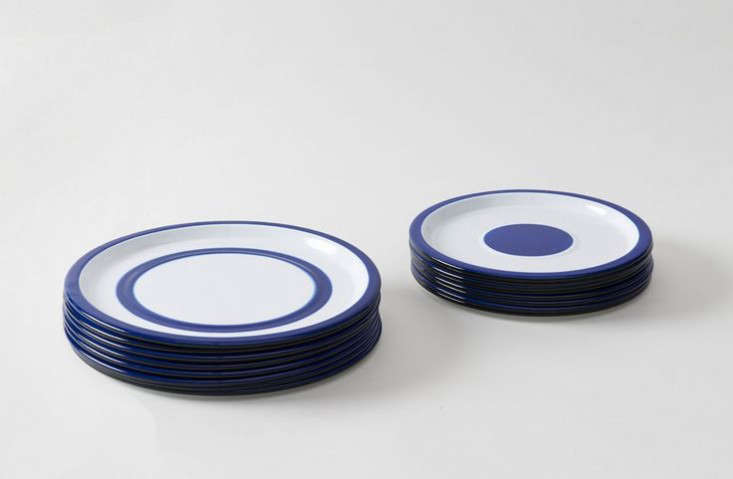
Enamelware is equally useful. It is lightweight, durable, easy to carry outside, and charming when chipped. Mix white plates with blue-rimmed bowls, red serving trays, galvanized tubs, and clear glasses. Add a striped tablecloth or runner, then stop. A confident table knows when it has enough accessories.
Choose Decorations That Can Stay All Summer
Fabric bunting, paper fans kept under cover, reusable ribbons, and painted cloth banners can return for Memorial Day, Labor Day, birthdays, and neighborhood dinners. A flag-inspired tablecloth can be graphic without being fussy, especially when the pattern is simplified into broad stripes or blocks of color.
Use decorations to frame the setting rather than cover it. Hang bunting from a porch rail, place one wreath at the door, or run ribbon through a fence. Leave the hydrangeas, vegetable beds, and lawn visible. They are the expensive part of the décor, even when you grew them from a packet of seeds that cost less than a fancy coffee.
Build a Menu Around What Is Fresh
Serve a Garden-Inspired Sparkler
The raspberry sparkler featured in Gardenista’s holiday coverage remains a useful model: ripe berries, citrus, mint, honey, ice, and bubbles. An alcoholic version can include gin and a lightly sparkling wine. A family-friendly pitcher can use sparkling water, lemonade, or white grape juice instead.
Muddle only part of the fruit so the drink stays fresh rather than turning into berry soup. Add mint shortly before serving, keep the pitcher chilled, and offer a separate dispenser of cold water. On a hot July afternoon, hydration is not the least glamorous item on the menu; it is the reason everyone is still cheerful at sunset.
Let Summer Produce Carry the Meal
A homegrown Fourth of July menu does not need twelve side dishes. Choose a few foods with strong seasonal character: tomato salad with basil, corn with herb butter, cucumber salad, grilled zucchini, slaw, watermelon, berry shortcakes, or a bowl of peaches. These dishes provide the holiday colors naturally and pair easily with burgers, hot dogs, chicken, fish, or plant-based mains.
Keep the buffet simple by grouping foods in the order guests will use them: plates first, mains and sides next, condiments after that, and flatware at the end. Put drinks on a separate table so a guest seeking lemonade does not become trapped behind someone conducting a detailed investigation of the mustard selection.
Make the Grill Safe as Well as Stylish
Keep raw and cooked foods on separate plates, use clean utensils for finished food, and check meat with a food thermometer rather than relying on color. Cold dishes should remain in coolers or over ice until serving. Perishable food should not linger in summer heat, especially when temperatures climb above 90°F.
Position the grill well away from siding, railings, low branches, and busy paths. Clean grease buildup, check equipment before cooking, and keep children and pets out of the grill zone. The cook can still be part of the party, but the grill should not become the party’s most dramatic special effect.
Create an Easy Transition From Afternoon to Evening
Add Low, Warm Light
As daylight fades, use battery lanterns, shaded table lamps rated for outdoor use, string lights, and enclosed LED candles. Place lighting along steps, pathways, food tables, and seating areas first; decorative sparkle comes second. Small lights scattered at different heights feel more inviting than one harsh floodlight that makes every guest look as though they are being questioned.
Mason jars can become lanterns, but flame-free lights are the easiest choice around children, dry grass, paper decorations, and enthusiastic dogs. When real candles are used, keep them in stable, enclosed holders and away from fabric, leaves, and traffic.
Reduce Mosquitoes Before Guests Arrive
Several days before the gathering, empty standing water from saucers, buckets, toys, tarps, and unused containers. Refresh birdbaths and check rain barrels for secure covers or screens. On the day of the party, use fans near seating areas, make repellent available, and avoid relying on one heroic citronella candle to defend an entire property.
Leave Fireworks to the Safest Available Option
A distant public display is often the easiest finale: better visibility, fewer sparks in the flower beds, and no mystery scorch mark on the new outdoor rug. Where consumer fireworks are legal, follow local rules, keep water nearby, maintain distance from people and structures, and supervise children closely. Sparklers may look like tiny magic wands, but they are still burning metal, not festive cutlery.
A Simple Homegrown July 4th Timeline
Two or Three Days Before
- Mow or tidy only the areas guests will use; the entire property does not need a military inspection.
- Wash reusable dishes, pitchers, coolers, and serving trays.
- Check outdoor lights, extension cords, grill fuel, shade, and seating.
- Remove standing water and clear safe paths through the yard.
The Morning of the Party
- Cut flowers early, place them in clean water, and keep them cool.
- Prepare salads, fruit, sauces, and drinks that benefit from chilling.
- Set the table, but keep napkins and lightweight items weighted or indoors until needed.
- Create separate zones for drinks, food, grilling, trash, and recycling.
One Hour Before Guests Arrive
- Fill coolers, add ice to drink tubs, and bring out chilled foods gradually.
- Turn on fans, set out repellent, and check pathway lighting.
- Put on music at conversation level.
- Make one final pass for hoses, tools, toys, or rake handles waiting to become slapstick comedy.
Experience Notes: What a Homegrown Fourth Actually Feels Like
The most useful lesson from a garden-centered celebration is that guests respond to comfort before they respond to decoration. In a realistic hosting scenario, the host may spend the morning worrying about whether the flowers match, only to discover that everyone gathers under the shadiest tree, where three mismatched chairs and a bench form the best conversation spot. That is not a design failure. It is the design revealing what people need.
One of the easiest improvements is to set up the drink station before doing anything elaborate with the table. A large water dispenser, a berry-and-mint sparkler, cups, ice, and a towel for inevitable drips solve several problems at once. Guests can serve themselves, the kitchen stays less crowded, and the host is not repeatedly asked where the bottle opener lives. A small potted mint beside the pitcher makes the station feel intentional, even when the table underneath is normally used for repotting geraniums.
Flowers also behave differently outdoors than they do in a styled photograph. A broad arrangement may catch the wind, droop in direct sun, or block the view across the table. Smaller jars are more forgiving. If one tips, the disaster is local. If one bouquet wilts, it can be replaced with fresh clippings. The most successful arrangements often include foliage, seed heads, herbs, and imperfect stems because those materials connect the table to the surrounding garden.
Food service becomes smoother when the host resists the urge to place everything outside at once. Bring out cold salads in smaller bowls and replenish them from the refrigerator or cooler. Put grilled food on a clean platter only when people are ready to eat. Keep desserts shaded until later. This rhythm makes the meal feel generous without leaving an entire afternoon’s worth of food to negotiate with July heat.
Another practical discovery is that children and adults use a yard differently. Adults tend to settle near shade, drinks, and chairs. Children turn open lawn into a racetrack, laboratory, and diplomatic crisis within minutes. A basket containing sidewalk chalk, bubbles, a soft ball, and simple lawn games gives that energy somewhere to go. Place active games away from the grill, flower beds, and the table holding the raspberry drinks. Berries are beautiful; berry footprints through the house are a more complicated art form.
As evening arrives, the party usually becomes better with less effort. The tablecloth wrinkles, shoes come off, flowers loosen, and people move their chairs toward the breeze. This is when low lighting earns its keep. A few lanterns on steps and side tables make the yard feel finished while helping guests move safely. Bright overhead lighting is rarely necessary unless someone has lost a contact lens or begun an archaeological search for a dropped earring.
The final lesson is to prepare for imperfection rather than trying to prevent it. Wind may lift the napkins. A neighbor may start mowing at an operatic volume. The first batch from the grill may be “well loved.” A thunderstorm may move the gathering onto the porch. A homegrown celebration absorbs these changes because it is built from flexible pieces: movable chairs, small arrangements, sturdy dishes, seasonal food, and a setting that already belongs to the household.
That flexibility creates the experience people remember. The party does not feel like a temporary holiday set installed in the backyard. It feels like a particularly lively summer day at home, with flowers from the garden, food that tastes like July, and enough time for the host to sit down. In the hierarchy of entertaining achievements, sitting down is roughly equivalent to winning a small but meaningful national award.
Conclusion: Celebrate the Season, Not the Shopping List
The best homegrown July 4th ideas are simple, useful, and rooted in place. Cut what is blooming, serve what is ripe, pull comfortable chairs into the shade, and decorate with objects that can live outdoors all summer. Add a garden-inspired drink, a manageable menu, safe grilling practices, and warm evening light. The result will feel festive without feeling manufactured.
Gardenista’s original mix of porch life, enamelware, rope details, summer flowers, sparkling berries, and outdoor cooking still offers a smart formula. Independence Day style does not require independence from common sense. Let the yard be the backdrop, let guests help themselves, and leave room for the evening to unfold.