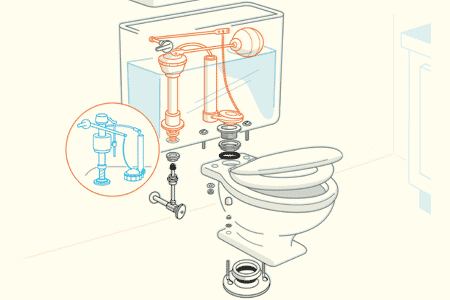
Note: A leaking toilet is not the kind of household mystery that improves with time. Whether it is whispering, hissing, sweating, dripping, or leaving a suspicious puddle on the floor, the smartest move is to identify the leak source quickly before it turns into damaged flooring, mold, or a water bill that looks like it joined a gym and bulked up.
A toilet leak can be obvious, like water pooling around the base, or sneaky, like a silent leak from the tank into the bowl. In many homes, the culprit is a worn flapper, a misadjusted fill valve, a loose tank bolt, a failing wax ring, or a damaged supply connection. The good news is that many toilet leaks are easy to diagnose with basic observation and a few simple tests. The less-good news is that ignoring them is like inviting a tiny plumber gremlin to quietly spend your money one drip at a time.
This guide walks you through how to identify the most common toilet leaking problems, what each symptom usually means, and when a DIY repair is reasonable versus when it is time to call a licensed plumber.
Why a Leaking Toilet Should Never Be Ignored
A leaking toilet is more than a bathroom annoyance. It can waste water, stain flooring, damage subfloors, loosen tiles, create musty odors, and increase utility costs. Some leaks are clean-water leaks from the tank or supply line. Others involve wastewater escaping near the base after a flush, which is a bigger sanitation concern.
One of the trickiest parts is that not every toilet leak looks like a dramatic puddle. A worn flapper can let water slip from the tank into the bowl without making much noise. The fill valve then refills the tank repeatedly, creating that familiar “phantom flush” sound. If your toilet seems to run for a few seconds even when nobody touched it, your bathroom is not haunted. It is probably leaking.
Start Here: Find Where the Water Is Coming From
Before replacing parts, become a toilet detective. The location of the water tells you more than any guesswork ever will.
Water Inside the Bowl When the Toilet Is Not Flushed
If water is constantly moving into the bowl, or the toilet refills randomly, suspect the flapper, flush valve seal, canister seal, chain adjustment, or fill valve. This is one of the most common toilet leak patterns.
Water Around the Base of the Toilet
If water appears where the toilet meets the floor, especially after flushing, the wax ring or toilet flange may be failing. Loose closet bolts, a cracked bowl, or condensation can also mimic a base leak.
Water Under the Tank
Water dripping from beneath the tank may point to worn tank-to-bowl bolts, a failing spud gasket, a cracked tank, or a loose connection at the fill valve shank.
Water Near the Wall or Shutoff Valve
If the puddle starts behind the toilet, check the water supply line, shutoff valve, compression nut, and connection to the fill valve. These leaks involve pressurized clean water and should be handled quickly.
The Food Coloring Test for Silent Toilet Leaks
The easiest way to confirm a tank-to-bowl leak is the food coloring test. Remove the tank lid, add several drops of food coloring or a leak-detection tablet to the tank, and wait 10 to 15 minutes without flushing. If colored water appears in the bowl, water is leaking past the flapper or flush valve seal.
Flush immediately after the test so the dye does not stain the bowl or tank. If the color test is positive, inspect the flapper first. It is inexpensive, easy to replace, and often the source of the problem.
Common Cause #1: A Worn or Warped Flapper
The flapper is the rubber or silicone seal at the bottom of the tank. When you flush, it lifts and allows water to rush into the bowl. When the flush ends, it drops back down and seals the tank. Over time, minerals, chlorine, age, and in-tank cleaning tablets can make the flapper stiff, warped, slimy, or brittle.
Signs of a Bad Flapper
You may notice random refilling, faint trickling in the bowl, a toilet that runs after flushing, or a positive dye test. Sometimes the flapper looks fine but no longer seals properly. Rubber has a talent for betrayal.
How to Check It
Turn off the water at the shutoff valve, flush the toilet, and inspect the flapper. Look for cracks, mineral buildup, discoloration, or a poor fit over the flush valve opening. Also check whether the chain has too much slack or is too tight. A tight chain can hold the flapper slightly open, while too much slack may prevent a full flush.
Typical Fix
Replace the flapper with a matching part. Universal flappers work for many toilets, but not all. If possible, bring the old flapper or the toilet model information to the hardware store. After installing the new one, repeat the dye test to confirm the leak is gone.
Common Cause #2: A Fill Valve That Will Not Shut Off
The fill valve controls water entering the tank after each flush. When it works properly, it stops filling once the water reaches the correct level. If it fails, the tank may overfill and send water into the overflow tube, creating a continuous running sound.
Signs of Fill Valve Trouble
The toilet runs constantly, water flows into the overflow tube, the tank fills too slowly, or the shutoff sound seems weak and never quite finishes. You may also hear hissing near the valve.
How to Check It
Remove the tank lid and look at the water level. It should usually sit below the top of the overflow tube. If water is spilling into the tube, adjust the float lower. If adjustment does not help, the fill valve may need replacement.
Typical Fix
Many fill valves are replaceable with basic tools. Turn off the water, flush the tank empty, disconnect the supply line, remove the old valve, install the new one, adjust the height, and test for leaks. If you are uncomfortable disconnecting the supply line, call a plumber.
Common Cause #3: Flush Valve or Canister Seal Problems
Some toilets use a traditional flapper, while others use a canister-style flush valve. In both designs, the seal must close tightly after each flush. If the flush valve seat is cracked, dirty, mineral-coated, or worn, water may leak from the tank into the bowl.
Clean mineral buildup with vinegar and a soft pad. Avoid harsh scraping that could damage the sealing surface. If the seal is worn or the flush valve body is cracked, replacement may be necessary.
Common Cause #4: Tank-to-Bowl Leaks
If water drips from the area between the tank and bowl, the problem may be the tank bolts, rubber washers, or tank-to-bowl gasket. These parts compress to form a watertight seal. Over time, rubber washers can harden, bolts can corrode, and the gasket can lose its shape.
Signs of Tank-to-Bowl Leaks
Look for moisture under the tank, rusty bolt heads inside the tank, water trails down the back of the bowl, or puddles that appear after flushing. Dry the area with a towel, then flush several times while watching closely.
Typical Fix
Tank bolt kits and gaskets are available at most home improvement stores. Tightening bolts may help if they are slightly loose, but do not overtighten. Porcelain can crack, and cracked porcelain is not a “tighten it one more turn” situation. It is a “congratulations, you need a new toilet part” situation.
Common Cause #5: A Leaking Supply Line or Shutoff Valve
A supply line leak often appears behind or beside the toilet. It may drip from the shutoff valve, the compression fitting, the flexible hose, or the connection under the tank. Because this water is under pressure, even a small leak deserves quick attention.
Dry the line and fittings with a towel, then check again after a few minutes. If you see water forming at a nut, connection, or valve stem, you have likely found the source. Sometimes a gentle tightening fixes the issue. If the line is old, kinked, corroded, or cracked, replace it.
Common Cause #6: A Failed Wax Ring at the Base
The wax ring seals the connection between the toilet outlet and the drain flange. If it fails, water can escape around the base when the toilet is flushed. This type of leak is important because it may involve wastewater, not just clean tank water.
Signs of a Wax Ring Problem
Watch for water seeping from the base after flushing, a sewer smell, soft flooring, stains around the toilet, or a toilet that rocks when you sit down. A rocking toilet can break the wax seal, so do not ignore movement.
Typical Fix
Replacing a wax ring requires removing the toilet, cleaning away the old wax, inspecting the flange, setting a new ring, and reseating the toilet evenly. It is a manageable DIY job for some homeowners, but the toilet is heavy, awkward, and breakable. If the flange is cracked, too low, too high, or corroded, call a plumber.
Common Cause #7: A Cracked Tank or Bowl
Porcelain cracks are less common than flapper or valve problems, but they do happen. A hairline crack in the tank can cause slow dripping. A crack in the bowl or trapway can leak onto the floor or into hidden areas.
Inspect the tank and bowl with a flashlight. Look for thin lines, moisture trails, or water beads forming on porcelain. If a crack is structural or actively leaking, replacement is usually the safest fix. Patch products may buy time in limited situations, but they are not a reliable long-term repair for a pressurized or weight-bearing toilet component.
Do Not Confuse Condensation With a Leak
Sometimes a toilet looks like it is leaking when it is actually sweating. Condensation can form on the outside of the tank when cold water meets warm, humid bathroom air. This is common in summer or in bathrooms without good ventilation.
To tell the difference, dry the tank and floor completely. Do not flush for a while. If water beads appear on the outside of the tank but not at fittings, bolts, or the base, condensation may be the cause. Improve ventilation, use the bathroom fan, or consider an anti-sweat valve if the problem is severe.
A Simple Toilet Leak Diagnosis Checklist
If the Toilet Runs Constantly
Check whether water is flowing into the overflow tube. If yes, adjust or replace the fill valve. If no, test the flapper or flush valve seal.
If the Toilet Refills Randomly
Perform the food coloring test. A positive result usually points to a flapper, flush valve seal, or canister seal leak.
If Water Appears Only After Flushing
Look at the tank-to-bowl connection and the base. Water from the base after flushing often suggests a wax ring or flange issue.
If Water Appears Behind the Toilet
Inspect the supply line, shutoff valve, and fill valve connection. Replace worn hoses or fittings promptly.
If the Toilet Rocks
Stop using it until it is stabilized. Rocking can damage the wax seal and lead to floor leaks.
When You Can DIY and When to Call a Plumber
Many homeowners can replace a flapper, adjust a chain, clean a flush valve seat, or replace a basic fill valve. These jobs are relatively inexpensive and usually do not require advanced plumbing skills.
Call a plumber if you see water damage, sewage smell, a cracked flange, a toilet that continues leaking after simple repairs, a stuck shutoff valve, corroded plumbing, or any leak coming from inside the wall or floor. Also call for help if you are not comfortable lifting and resetting a toilet. There is no shame in outsourcing a wrestling match with porcelain.
Prevention Tips to Keep Your Toilet Leak-Free
Check toilets every few months with a quick dye test. Avoid drop-in tank tablets that can degrade rubber parts. Replace aging flappers before they fail. Keep the water level properly adjusted. Do not ignore a toilet that rocks. Check the supply line for rust, bulges, or stiffness. And never flush wipes, paper towels, cotton swabs, or other “seems fine” items unless you enjoy expensive plumbing drama.
Small maintenance habits prevent big repairs. A toilet is one of the hardest-working fixtures in the home, and it asks for very little in return: a decent seal, a stable base, and not being treated like a trash can with water.
Real-World Experience: What Toilet Leaks Usually Look Like in Everyday Homes
In real homes, toilet leaks rarely introduce themselves with a dramatic soundtrack. More often, they show up as tiny clues. One homeowner notices the toilet “breathing” at night, making a short refill sound every 20 minutes. Another sees the water bill climb but cannot find a dripping faucet. Someone else wipes the bathroom floor every morning and blames the kids, the shower, the dog, or possibly bathroom ghosts. Then, after a closer look, the toilet confesses.
The most common experience is the silent flapper leak. It is frustrating because everything appears normal. The tank fills, the toilet flushes, and there is no puddle. But inside the tank, the flapper is no longer sealing. Water escapes into the bowl drop by drop, and the fill valve keeps replacing it. Many people only discover this after the food coloring test. The moment colored water appears in the bowl without flushing, the mystery ends. It is oddly satisfying, like catching a tiny criminal wearing a rubber cape.
Another common experience is the base leak that appears after a bathroom remodel or new flooring installation. The toilet may have been lifted and reset, but the wax ring did not compress correctly. Sometimes the flange height changed when new tile was installed. The first few flushes seem fine, then a faint ring of water appears around the base. This is why a toilet should sit firmly and evenly. If it rocks, even slightly, the wax seal can fail again.
Tank-to-bowl leaks also tend to confuse homeowners. Water may appear behind the toilet, but the supply line is dry. The tank may only drip after flushing, when water pressure and movement disturb old rubber washers. A dry paper towel test helps: wipe everything dry, flush, then touch paper towels around each bolt and gasket area. The first wet towel usually reveals the leak path.
Supply line leaks are more urgent because they can continue whether the toilet is used or not. Many homeowners discover them while cleaning behind the toilet. The flexible hose may look fine from the front, but the fitting may be crusty, damp, or corroded. If the shutoff valve is stiff or will not close fully, that is a sign to bring in a professional rather than forcing it and creating a bigger leak.
Finally, condensation is the great impersonator. In humid bathrooms, a toilet tank can sweat enough to create a small puddle. People replace flappers, tighten bolts, and suspect the wax ring, only to find the tank exterior is the source. The easiest clue is timing. Condensation often appears after showers or during humid weather, while true plumbing leaks usually follow flushing, refilling, or constant supply pressure.
The best practical lesson is simple: diagnose before replacing parts. Dry the toilet, observe when water appears, test the tank with dye, and work from the easiest cause to the hardest. A five-dollar flapper can solve many leaks, but not every puddle is a flapper problem. Toilets are simple machines, but they are very good at making one symptom look like three different problems.
Conclusion
A leaking toilet is easier to fix when you identify the source before grabbing tools. A running toilet usually points to the flapper, flush valve seal, chain, or fill valve. Water under the tank suggests bolts, washers, or gaskets. Water at the wall often means a supply line or shutoff valve issue. Water at the base after flushing may indicate a failed wax ring, loose bolts, or a flange problem.
Start with simple tests: listen, look, dry the area, flush, and use food coloring in the tank. Many toilet leaks are inexpensive to repair when caught early. Wait too long, and a small leak can become warped flooring, mold, water waste, and a repair bill with an attitude. Treat your toilet like the hardworking appliance it is, and it will reward you by doing its job quietly, efficiently, and without turning your bathroom floor into a surprise splash zone.
