Somewhere between the laundry pile, the grocery list, the unanswered text messages, and the mysterious Tupperware lid that fits absolutely nothing, modern life has developed a talent for stealing our attention. We remember the bill. We remember the bad meeting. We remember that one awkward thing we said in 2017 while trying to sound casual. But blessings? Those are often quiet. They do not send push notifications. They do not jump onto the kitchen counter waving tiny flags.
That is why a blessing box, gratitude box, or gratitude jar feels surprisingly useful. It is a small container with a big job: helping you notice what is still good, still working, still worth smiling about. The idea is wonderfully simple. You write down something you are grateful for, place it in the box, and keep going. Day by day, the box becomes a physical archive of ordinary joy. It counts your blessings for younot with an app, a spreadsheet, or a subscription plan named “Premium Thankfulness Plus,” but with paper, intention, and a container that quietly says, “Hey, maybe today was not a total disaster.”
The title “This Box Counts Your Blessings For You” may sound like a novelty gift, and yes, it absolutely belongs near candles, cozy socks, and mugs that say “Blessed” in dramatic cursive. But the concept is deeper than décor. It is a practical gratitude ritual backed by a growing body of research suggesting that noticing and recording what we appreciate can support mood, sleep, relationships, resilience, and overall well-being. It is not magic. It is not therapy in a box. It will not fold your fitted sheet. But as small habits go, this one punches far above its weight.
What Is a Blessing Box?
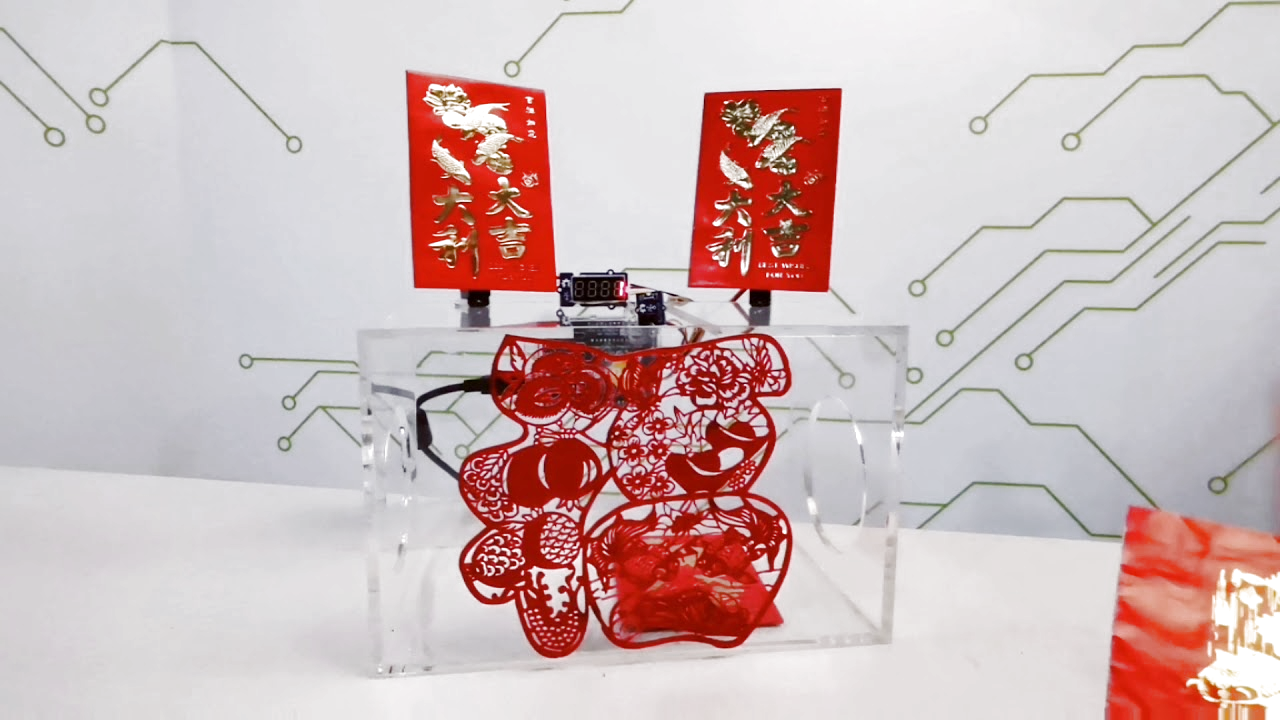
A blessing box is a container used to collect short notes of gratitude. It may be a wooden keepsake box, a ceramic jar, a glass bottle, a decorative tin, a shoebox upgraded with stickers, or a mason jar wearing a ribbon like it has a social calendar. The format varies, but the routine stays the same: write down a blessing, memory, answered prayer, kind gesture, happy surprise, or tiny win, then place it inside.
Some versions are faith-based and include Bible verse cards. Others are completely secular and focus on mindfulness, family connection, or personal reflection. Retail versions often include 180 or 365 cards so users can record one gratitude note per day. DIY versions can be made with scrap paper, index cards, craft supplies, or the back of receiptsalthough writing “I am grateful for inner peace” behind a coupon for nacho cheese does create a very specific vibe.
The blessing box is close cousins with the gratitude journal, memory jar, prayer jar, thankful jar, and “three good things” exercise. The difference is that a box or jar makes gratitude visible. Instead of closing a notebook and forgetting it in a drawer, you watch the container fill up. That growing pile of notes becomes proof that life is offering more than stress, errands, and passwords you forgot again.
Why Counting Blessings Works Better When You Can See Them
Gratitude can feel abstract when it stays in your head. You might think, “I should be more thankful,” then immediately open your phone and lose twenty minutes to people arguing about whether pineapple belongs on pizza. A blessing box changes that because it adds friction in the right direction. You have to pause. You have to choose a thought. You have to write it down. You have to put it somewhere.
That physical act matters. Research-backed gratitude exercises often recommend making a written record rather than simply thinking thankful thoughts. Writing forces attention to slow down. It gives shape to a feeling. It also creates a record you can revisit later, which is especially helpful on days when your brain insists that nothing good has ever happened and the universe is personally offended by your existence.
A blessing box also works because it transforms gratitude into a ritual. Humans are ritual creatures. We like birthday candles, morning coffee routines, bedtime stories, holiday traditions, and the sacred ceremony of checking the fridge three times even though we know exactly what is in there. Rituals help mark meaning. When gratitude becomes a repeated actionwrite, fold, dropit becomes easier to practice consistently.
The Science Behind Gratitude Without the Lab Coat Drama
Gratitude research does not claim that thankfulness fixes everything. That would be too tidy, and life is not a throw pillow. But studies and health organizations have repeatedly connected gratitude practices with improved emotional well-being, stronger relationships, better coping, and healthier stress responses. People who regularly practice gratitude often report feeling more optimistic, more connected, and more able to notice positive moments.
One reason may be attention training. The brain is excellent at scanning for threats, problems, and missing pieces. This negativity bias once helped humans avoid danger. Today, it mostly helps us notice one critical email among twenty compliments and then mentally replay it while brushing our teeth. Gratitude practice gently redirects attention. It asks, “Yes, but what else is true?” Maybe the day was hard, but the coffee was perfect. Maybe the meeting was annoying, but a friend checked in. Maybe the toddler screamed in the cereal aisle, but later said “wuv you” with a face covered in yogurt. The blessing box catches those tiny rescue boats.
Gratitude journaling has also been discussed in relation to sleep, stress, anxiety, mood, and even heart health. The point is not that a box replaces medical care, therapy, medication, or serious problem-solving. It does not. The point is that gratitude can be a low-cost, low-risk habit that supports emotional balance. Think of it as brushing your mind’s teeth. You still need dentists sometimes, but daily maintenance helps.
Why a Box May Beat a Journal for Some People
Gratitude journals are wonderful, but not everyone loves journaling. Some people see a blank page and immediately feel like they owe it a memoir. Others buy a beautiful notebook, write three entries, then accidentally turn it into a coaster. A blessing box lowers the pressure. You do not need paragraphs. You do not need perfect handwriting. You do not need to start with “Dear Diary” unless you enjoy sounding like the protagonist of a rainy-day teen drama.
With a blessing box, one sentence is enough. “The neighbor brought in our trash cans.” “Mom laughed at dinner.” “The baby slept four hours.” “The dog did not eat the remote.” These notes are short, specific, and surprisingly powerful. The box removes the performance aspect of journaling and turns reflection into a quick deposit.
It also creates a satisfying visual reward. A journal fills page by page, but a box fills in a more playful way. You can shake it gently and hear your blessings rustle. That sound is oddly encouraging. It says, “Evidence exists.” On New Year’s Eve, Thanksgiving, birthdays, anniversaries, or difficult seasons, you can open the box and read through the notes. Suddenly, the year is not just a blur of obligations. It is a collection of tiny saved lights.
How to Use a Blessing Box in Everyday Life
1. Keep it somewhere obvious
The best blessing box is not hidden in a closet behind wrapping paper from 2019. Place it where life actually happens: on the kitchen counter, entry table, nightstand, desk, classroom shelf, or family room side table. Visibility is a habit helper. If you see it, you are more likely to use it.
2. Make the notes small and specific
Specific gratitude tends to feel more meaningful than generic gratitude. Instead of writing “family,” try “Dad called just to tell me a terrible joke.” Instead of “food,” write “warm soup on a rainy Tuesday.” Specific notes bring the moment back when you reread them. They have texture, color, and emotional seasoning.
3. Choose a rhythm you can actually keep
Daily gratitude is lovely, but weekly gratitude is still valuable. A family might write notes every Sunday evening. A couple might drop in one note after date night. A teacher might invite students to add anonymous kindness notes every Friday. The goal is consistency, not perfection. Nobody gets kicked out of gratitude club for missing Tuesday.
4. Read the notes when you need perspective
The blessing box is not just for collecting. It is for returning. Open it at the end of the month, during holidays, after a rough week, or whenever your mood needs a gentle hand on the shoulder. Reading old notes can remind you that good things have happened before and can happen again.
Blessing Box Ideas for Families
For families, a blessing box can become a simple tradition that teaches appreciation without turning dinner into a lecture series. Children understand containers. They understand collecting. They understand the delight of putting paper into a box, especially if they are normally discouraged from putting paper into places, such as vents, toilets, or the family dog’s mouth.
Start with colorful cards and easy prompts. Try “Today I smiled when…,” “Someone helped me by…,” “I am thankful for…,” or “One good thing that happened was….” Younger kids can draw pictures instead of writing. Teens may prefer private notes or folded entries. Parents can participate too, because nothing ruins a gratitude ritual faster than adults acting like they are only the unpaid staff.
At Thanksgiving, birthdays, or the end of the year, read selected notes aloud. Keep the tone warm and voluntary. Not every note needs to be shared. Some blessings are private. Others are hilarious. A child may write, “I am thankful for ketchup,” and honestly, fair. Ketchup has carried many meals across the finish line.
Blessing Box Ideas for Couples
For couples, a blessing box can become a quiet relationship-strengthening tool. Many relationships do not suffer because love disappears overnight. They suffer because appreciation gets buried under logistics. Who paid the bill? Who forgot the appointment? Who left one tablespoon of milk in the carton like a dairy-based insult?
A shared gratitude box invites partners to notice each other again. Write down small acts: “You made coffee before I woke up,” “You handled the plumber call,” “You made me laugh when I was spiraling,” “You let me have the last dumpling, which is legally romance.” These notes create a record of care. On hard days, that record matters.
Couples can read the notes monthly or save them for anniversaries. The ritual does not need to be sentimental in a movie-trailer way. It can be funny, honest, and practical. Appreciation grows best when it is specific, repeated, and real.
Blessing Box Ideas for Workplaces
A workplace blessing box may sound risky, especially if your office already has a suggestion box that everyone avoids like it contains a raccoon. But a gratitude box can work beautifully when it is framed as appreciation rather than forced cheerfulness.
Place a small box in a shared space and invite employees to write anonymous notes recognizing helpful actions. “Thanks to Mia for staying late to fix the client file.” “Shout-out to Jordan for explaining the new software without sighing.” “Appreciation for the warehouse team during the rush.” These notes can be read at team meetings or posted on a board.
The key is sincerity. A gratitude box should never be used to cover up burnout, poor management, or real workplace problems. “Be thankful for free coffee” is not a substitute for fair pay, reasonable expectations, or functioning air conditioning. But when used honestly, peer appreciation can strengthen connection and make invisible labor visible.
DIY Blessing Box: Simple, Affordable, and Not Pinterest-Perfect
You do not need to buy a fancy gratitude box. A homemade version may be even more meaningful. Start with any container: a shoebox, recipe box, mason jar, cookie tin, wooden craft box, or clean coffee can. Decorate it with paint, paper, stickers, ribbon, fabric, pressed flowers, or handwritten labels. Add blank cards and a pen. That is the whole recipe. No glue gun certification required.
If you want a polished version, choose a ceramic gratitude jar with included cards, a keepsake box with a slot, or a set of gratitude prompt cards. Many retail products include enough cards for a full year, which is helpful for people who like structure. But the heart of the practice is not the container. The heart is the pause.
A blessing box can also be themed. A “family blessings” box collects household memories. A “prayer and praise” box records spiritual reflections. A “good things at work” box captures professional wins. A “healing season” box supports someone going through grief, illness, or transition by preserving moments of comfort. A “new baby” box can collect first-year memories when everyone is too tired to form complete sentences.
What to Write When You Feel Stuck
Some days, gratitude comes easily. Other days, the best you can do is “I am grateful this day is almost over,” which still counts. The blessing box is not about pretending everything is wonderful. It is about finding one true good thing, even if it is small enough to fit in a teaspoon.
Try prompts like:
- What made me laugh today?
- Who helped me recently?
- What comfort did I enjoy?
- What problem did not become worse?
- What beauty did I notice?
- What did my body allow me to do today?
- What ordinary thing would I miss if it disappeared?
That last question is powerful. We often overlook ordinary blessings because they are too familiar. Clean water. A safe bed. A working phone. A friend who sends memes with surgical precision. A blessing box helps ordinary things become visible again.
The Difference Between Gratitude and Toxic Positivity
It is important to say this clearly: counting blessings does not mean denying pain. Gratitude should not be used to silence sadness, grief, anger, or legitimate complaints. If someone is struggling, “just be grateful” can feel dismissive and even cruel. A blessing box is not a muzzle for hard emotions.
Healthy gratitude makes room for both truths. You can be exhausted and grateful. You can be grieving and grateful. You can dislike your current season and still notice one kind person, one warm meal, one moment of relief. Gratitude is not a demand to smile through difficulty. It is a way to keep difficulty from becoming the only story.
That distinction matters. The most useful blessing box is honest. It does not require glittery optimism. It welcomes small, sturdy truths. “I cried today, but my sister answered the phone.” “The appointment was scary, but the nurse was gentle.” “Money is tight, but dinner stretched.” These are not fake positives. They are anchors.
Why This Box Makes a Thoughtful Gift
A blessing box makes a thoughtful gift because it is both beautiful and useful. It is appropriate for birthdays, holidays, housewarmings, weddings, baby showers, teacher appreciation, recovery care packages, retirement, or faith-based celebrations. Unlike many gifts, it does not ask the recipient to dust another decorative object forever. It invites them to use it.
To personalize the gift, include starter cards with prompts. Add a good pen, because gratitude written with a dying pen is spiritually discouraging. For a family, include colorful slips. For a couple, include date-night gratitude prompts. For a friend in a hard season, include gentle cards such as “one thing that helped today” or “one person who showed up.”
You can also pre-fill a few notes. Write memories, compliments, prayers, or reasons you appreciate the person. That turns the box into an immediate encouragement tool. The recipient does not open an empty container; they open evidence of being loved.
Experience Section: Living With a Box That Counts Blessings
The first time you use a blessing box, it may feel almost too simple. You sit there with a small card and a pen, waiting for some grand, poetic sentence to appear. Instead, your brain offers, “I liked my sandwich.” Excellent. Write it down. The sandwich has earned its place in history.
After a few days, the practice starts changing what you notice. You catch yourself collecting moments before you even reach for the card. The neighbor waves. The meeting ends early. A child mispronounces “spaghetti” in a way that deserves preservation. The sunset looks like someone spilled peach jam across the sky. Nothing dramatic has happened, but your attention has shifted. You are no longer waiting for life to become perfect before calling something good.
One of the best experiences with a blessing box happens during a difficult week. On those days, writing a note may feel like scraping the bottom of an emotional peanut butter jar. But then you open the box and read older entries. There it is: “Grandma’s voice sounded strong today.” “The car started.” “We laughed so hard at dinner.” “I survived the presentation.” The notes do not erase the hard thing, but they interrupt the lie that everything is hard. They remind you that your life contains more than the loudest problem.
Families often discover unexpected comedy inside the box. Adults write heartfelt notes about togetherness. Kids write things like “I am thankful for cheese,” “I am thankful the dentist did not find cavities,” or “I am thankful my brother stopped making that noise.” These entries are treasures. They capture family life more accurately than posed photos ever could. Years later, those little cards become emotional time capsules, complete with spelling errors and tiny fingerprints.
Couples may find that the box softens the daily scoreboard. It is easy to track what a partner forgot. It takes more intention to track what they quietly did right. A blessing box helps love become visible in small receipts: the packed lunch, the warmed car, the patient listening, the ridiculous joke at exactly the right moment. Over time, the box becomes a private archive of “we made it through this together.”
For individuals, the blessing box can become a grounding ritual at night. Instead of ending the day by scrolling through alarming headlines and strangers with suspiciously organized pantries, you end it with one written sentence. The ritual says, “Before I close today, I will name one thing worth keeping.” That is a powerful way to live. It trains the mind not to ignore pain, but to also notice grace.
The box also teaches humility. Many blessings are not glamorous. They are socks warm from the dryer, a text that says “home safe,” a parking spot near the door when it is raining, the exact right song playing during a long drive, leftovers that save dinner, a nurse with kind eyes, a dog sighing like a tiny old man. The box gives these ordinary gifts a place to land.
Eventually, the blessing box becomes less about the container and more about the person you become while using it. You become someone who looks twice. Someone who saves evidence of goodness. Someone who can say, even on complicated days, “This was hard, and this was good.” That little word “and” may be the real blessing. It makes room for a fuller, truer life.
Conclusion: Small Box, Big Perspective
A blessing box will not solve every problem, but it can change the way you carry them. It gives gratitude a home. It turns fleeting moments into keepsakes. It helps families build traditions, couples notice care, workplaces share appreciation, and individuals practice emotional balance one small note at a time.
In a world that constantly counts what is missing, overdue, broken, expensive, delayed, or mildly irritating, a box that counts blessings feels almost rebellious. It says the good stuff deserves a record too. Not just the milestones. Not just the vacations. Not just the big shiny moments. The ordinary blessings. The tiny mercies. The daily proof that life, even when messy, keeps handing us something worth saving.
So find a box. Cut some paper. Grab a pen that actually works. Write one thing down. Fold it. Drop it in. Congratulations: your blessings have officially started keeping receipts.