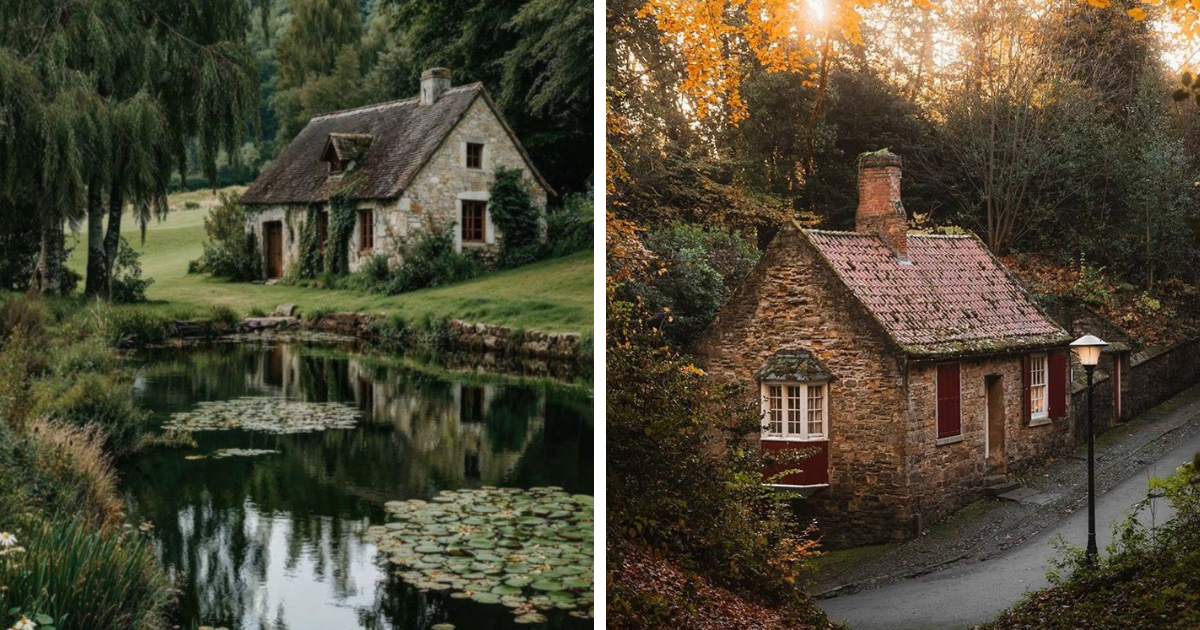
There are homes you admire, homes you bookmark, and then there are homes that quietly ruin your apartment search forever. Countryside cottages belong in that last category. One glance at a crooked stone chimney, a painted front door, a kitchen with open shelves and a farmhouse sink, and suddenly your city studio starts feeling less “vibrant” and more “expensive shoebox with sirens.”
That is the strange power of a great cottage. It does not need a three-car garage, a two-story foyer, or a marble waterfall island the size of Rhode Island. It wins you over with scale, warmth, and the kind of lived-in beauty that looks as if someone has been baking pies there since 1947. And when you scroll through 58 idyllic countryside cottagesreal or aspirational, restored or slightly ramshackleyou start to notice something: they are selling more than architecture. They are selling a different rhythm of life.
That rhythm is slower, quieter, greener, and a little more forgiving. The appeal is not just visual, though the visuals are admittedly unfair. Window boxes overflowing with flowers. Weathered wood siding. Deep porches with chairs that practically demand iced tea. Pathways edged with herbs. Kitchens that feel stitched together from antique finds and good decisions. Cottages remind people that comfort is not the same thing as square footage, and that charm has a way of beating polish every time.
Why These 58 Cottages Feel So Magnetic
What makes a countryside cottage so irresistible is that it usually feels human-sized. Unlike oversized suburban homes or glossy urban interiors designed to impress, cottages are built around everyday life. They are intimate. Their rooms tend to be smaller, but also more intentional. A breakfast nook becomes a ritual. A mudroom becomes essential. A window seat becomes the best seat in the house and, very possibly, your entire personality.
Across the most memorable cottage homes, certain details keep showing up. Not because they are trendy, but because they work. These homes invite you in before you even reach the front step. They whisper instead of shout. And, frankly, they make most city rentals look like they were designed by someone who has never met a throw blanket.
What the Best Countryside Cottages Usually Have in Common
- A welcoming exterior: Think painted shutters, climbing roses, gravel paths, weathered brick, cedar shakes, and front doors with enough personality to deserve their own fan club.
- Porch life: A cottage without a porch is still lovely, but a cottage with a porch becomes a lifestyle. Morning coffee, rainy afternoons, muddy boots, neighbor chats, tomato seedlings, sleepy dogsit all happens there.
- Natural materials: Stone, wood, brick, linen, wicker, iron, and handmade tile bring texture and character that synthetic finishes can rarely fake.
- Cozy rooms with purpose: Cottage layouts often favor use over spectacle. Rooms are meant to be lived in, not merely photographed and abandoned.
- Collected interiors: Not everything matches, and that is exactly why it works. Vintage lamps, old hutches, mismatched chairs, soft quilts, floral curtains, and inherited odds and ends create depth.
- Gardens that blur the boundary: Cottage gardens spill and wander. They are romantic, a little messy, and often mix flowers with herbs and vegetables in a way that feels both practical and poetic.
- Light used wisely: In smaller homes, daylight matters more. French doors, dormer windows, and thoughtfully placed mirrors make compact rooms feel airy rather than cramped.
- A sense of story: Even newly built cottages often borrow the language of older homespitched roofs, exposed beams, hand-finished textures, and details that feel inherited rather than factory-issued.
The Cottage Fantasy Is Not Just About Looks
When people say they want to leave the city for the country, they are rarely talking only about real estate. They are usually talking about fatigue. Noise fatigue. Schedule fatigue. Screen fatigue. Delivery-app fatigue. The cottage dream enters when daily life starts feeling over-engineered and under-lived.
A countryside cottage represents a correction. It suggests a home where the coffee tastes better because you drink it outside. A place where dinner includes something from the garden, or at least basil you are very proud of. A home where storage baskets, wool throws, chipped pottery, and old pine floors are not imperfections to conceal, but reasons the place feels alive. In a city apartment, “cozy” can sometimes mean “there was no room for a couch.” In a cottage, cozy means you actually want to stay home on purpose.
That is why collections of 58 cottages hit so hard. One by one, they build a case against the idea that bigger, newer, shinier, and more expensive automatically mean better. A tiny stone cottage tucked behind hedges. A white clapboard farmhouse-cottage with a yellow door. A cedar-shingled retreat with a screened porch. A remodeled schoolhouse with quirky windows. A storybook cottage with a kitchen so charming it could trigger immediate emotional damage in anyone currently renting near a subway line.
How These Cottages Make City Living Look a Little Less Glamorous
City life has real advantages. Walkability, culture, convenience, great restaurants, and the ability to buy toothpaste at 11:48 p.m. all deserve respect. But countryside cottages expose the hidden cost of constant convenience: you are almost never off. There is always noise, movement, traffic, neighbor energy, and some mysterious construction project drilling into your soul at 7:12 a.m.
Cottages, by contrast, make stillness look luxurious. They turn ordinary domestic moments into the main event. Hanging laundry becomes charming instead of tragic. Sweeping a kitchen floor by open doors somehow feels cinematic. Reading by a fire is no longer a forced winter personality trait; it is just Tuesday.
And then there is the space around the house. Not necessarily massive acreage, but breathing room. A patch of lawn. A gravel drive. A garden gate. Trees that belong to you, or at least feel like they do. That little bit of land changes how a home functions. Suddenly the outside is part of daily living, not just the thing you commute through. Even a simple porch or patio can make a small home feel larger, because it expands how you use the property.
The Emotional Math of Cottage Living
Here is the real equation many of these 58 cottages suggest:
Less square footage + more character + more outdoor connection + fewer unnecessary rooms = a home that feels richer, not poorer.
That equation does not work for everyone, of course. But it explains why a lot of cottage homes feel deeply satisfying. They encourage editing. You keep what matters. You furnish with intention. You stop buying giant furniture for rooms that do not need it. You think in layers, textures, utility, and atmosphere. In other words, the home starts serving life instead of performing status.
The Design Details Doing the Heavy Lifting
If you study enough countryside cottages, the design language becomes clear. Cottage style is rarely about perfection. It is about warmth, patina, and softness. Interiors often mix old and new, but the new pieces are chosen carefully so they do not erase the soul of the room. A fresh sofa might sit beside an antique trunk. Hand-painted tile may brighten a kitchen that also includes timeworn wood. Floral wallpaper and striped fabric can coexist without looking like a historical costume drama.
Color matters, too. Cottage homes tend to favor creamy whites, warm neutrals, soft blues, sage greens, butter yellows, dusty roses, and other shades that feel pulled from nature or faded textiles rather than a neon startup office. The result is calming, but not boring. There is usually something playful in the mix: a painted cabinet, a striped awning, a cheerful front door, or a pile of boldly patterned pillows that says, “Yes, this house has opinions.”
Kitchens are often the great seduction point. Cottage kitchens are not obsessed with looking untouched. They are built to be used. Open shelves, plate racks, beadboard, vintage hardware, butcher block, farmhouse sinks, freestanding hutches, and handmade tile all help create that comfortably layered feeling. Even when the footprint is modest, the room feels generous because it is practical and personal.
Bedrooms lean into softness. Iron beds, quilts, floral prints, old rugs, sloped ceilings, and books stacked where a sleek designer nightstand might otherwise stand. Bathrooms may feature beadboard walls, pedestal sinks, unlacquered brass, or simple stone finishes. Living rooms often revolve around a fireplace, a low table, and chairs that clearly prioritize conversation over visual drama.
Not Every Cottage Dream Is Pure Buttercups and Linen Curtains
Now for the responsible adult section. Country cottages are enchanting, but they are not magic. A charming rural home may come with a septic system, a longer drive to groceries, internet issues, higher maintenance, older windows, less storage, and a running list of “quirks” that become expensive the moment a contractor says the phrase “while we’re in there.”
Small homes can also test your patience if they are poorly organized. Cottage living works best when the house is thoughtfully planned. Built-ins help. Double-duty furniture helps. A strong mudroom game helps. So does the willingness to admit that perhaps you do not need seventeen mugs, three broken lamps, and the treadmill that currently holds laundry with the dignity of a seasoned professional.
The best countryside cottages succeed because they balance charm with function. They do not just look good in a photograph taken during golden hour. They support daily routines. That is an important distinction, because romance fades quickly if the kitchen has no prep space, the bathroom has nowhere to hang a towel, and the dog enters carrying half the yard.
How to Borrow the Cottage Life Without Leaving the City
Not everyone can move to the countryside, nor should everyone do it just because a stone cottage with lavender borders made them emotional on the internet. But the lessons of cottage living travel surprisingly well. Even a city apartment can borrow the mood.
Start with texture. Real wood, linen, cotton, stone, ceramic, rattan, and woven baskets go a long way. Add lighting that feels warm instead of clinical. Choose furniture with softness and history rather than harsh edges and showroom perfection. Display useful things beautifully: crockery, books, pitchers, cutting boards, market baskets. Use curtains with movement, not blinds that make every room feel like a tax office.
Then think about ritual. Cottage living is as much behavioral as visual. Sit on your balcony. Grow herbs on the sill. Open the windows. Bake something. Use the good mug on a weekday. Rearrange a corner so it invites reading instead of doom-scrolling. In many ways, the cottage ideal is not “move somewhere remote and become mysteriously better.” It is “build a home that slows you down enough to notice your own life.”
Why These 58 Cottages Stick in Your Head
The lasting appeal of countryside cottages is simple: they offer a believable fantasy. Not a billionaire fantasy with a private mountain and six guesthouses. A reachable one. A cottage feels like a home you could care for, shape over time, and actually enjoy. It suggests that beauty can be pieced together from modest rooms, old furniture, flowers in crooked rows, and a porch light glowing at dusk.
And that may be why these 58 idyllic countryside cottages make city living wobble a little in the mind. They challenge the idea that excitement must happen outside the home. They make domestic life look rich, tactile, grounded, and full of small pleasures. They remind you that “enough” can be deeply beautiful. Also, they make everyone briefly believe they are one plaid throw away from becoming the sort of person who bakes berry galettes without using a recipe.
If that sounds dangerous, it is. Today it is a harmless cottage roundup. Tomorrow you are pricing raised garden beds, searching “best sage green paint,” and wondering whether chickens are truly that complicated. The answer is yes. The cottage dream remains strong anyway.
Experiences That Make the Cottage Dream Feel Real
The most convincing part of countryside cottage life is not the architecture. It is the way everyday experiences change once the house and the landscape begin working together. Imagine waking up in a small bedroom where light comes in softly through curtains that actually move with the breeze. There is no honking outside, no delivery truck beeping in reverse, no upstairs neighbor apparently bowling before breakfast. Instead, you hear birds, wind, maybe rain tapping the roof. The morning becomes something you enter gradually rather than something that attacks you.
Then there is the kitchen experience, which is where many cottages completely destroy the city argument. In a cottage, kitchens often become command centers, gathering spots, homework corners, flower-arranging stations, soup factories, and emotional support zones all at once. A smaller kitchen can feel more companionable because everything is within reach. Someone slices bread, someone stirs a pot, someone sits at the table pretending to help while mostly stealing strawberries. It feels less like a production kitchen and more like the heart of the home doing its job.
Rain is different in the country, too. In the city, rain usually means traffic, wet shoes, delayed plans, and an umbrella turning inside out in a deeply disrespectful way. At a cottage, rain can become an event you enjoy. You hear it on a metal roof or against old windowpanes. You light a lamp earlier than usual. The room grows warmer by contrast. Tea tastes more like tea. A dog curls up by the door. A book suddenly seems like the correct life choice.
One of the most underrated experiences of cottage living is the transition between indoors and outdoors. In a city, going outside often means being fully public. In the countryside, stepping outside can still feel private. You can water herbs in your slippers, carry a blanket to the porch, deadhead flowers before dinner, or drink coffee while looking at nothing in particular. That in-between space changes the nervous system. It gives your day little pauses. You stop moving from task to task like a malfunctioning app.
Even chores seem to change character. Bringing in firewood feels rugged in theory and mildly annoying in practice, but also satisfying. Hanging laundry outdoors sounds quaint until a surprise breeze turns a sheet into a ghost attack, yet people still love it because the whole process feels tangible. Sweeping a porch, trimming rosemary, cleaning muddy boots, opening windows after a stormthese are ordinary acts, but they create a stronger sense of being in your life instead of racing past it.
That does not mean cottage living is easy. Far from it. The road may be dark at night. The nearest decent coffee may be 20 minutes away. Packages may arrive on a schedule that can only be described as philosophical. Winter can feel long. Summer bugs may believe the property belongs to them. But for many people, those trade-offs feel strangely fair because the rewards are daily and sensory. You gain quiet. You gain sky. You gain room to breathe, think, notice, and host people without apologizing for “the tiny space” every seven minutes.
In the end, the experience of countryside cottage living is less about escaping modern life and more about editing it. The best cottages make room for what matters and crowd out what does not. That is why people keep staring at these homes and reconsidering everything. They are not just daydreaming about a house. They are daydreaming about a different pace, a different mood, and a version of home that feels beautifully, stubbornly human.