Cheese is not just food. Cheese is a personality test, a party starter, a midnight snack with excellent public relations, and the reason many people believe crackers were invented merely as edible delivery vehicles. From sharp cheddar that makes your taste buds salute to creamy brie that behaves like velvet in a rind, cheese has conquered breakfast, lunch, dinner, dessert, road trips, game nights, and that suspicious “just one more bite” moment in front of the refrigerator.
But behind every melty slice and crumbly wedge is a world of history, science, craftsmanship, nutrition, culture, and wonderfully weird trivia. Cheese can be aged for years, stretched into glorious mozzarella ropes, washed with brine, pierced with mold, smoked over wood, folded into comfort food, or eaten standing at the kitchen counter while pretending you were “just checking the fridge.”
This guide serves up 45 drool-worthy cheese facts, plus practical tasting notes and real-life cheese experiences for anyone who wants to understand why this ancient dairy superstar still rules modern American kitchens. Grab a board, a knife, and maybe a little self-control. Actually, never mind the self-control. This is cheese.
Why Cheese Has Such a Powerful Hold on Food Lovers
Cheese is beloved because it delivers flavor, texture, aroma, fat, salt, protein, and nostalgia all in one bite. It can be elegant enough for a wine tasting and humble enough for a grilled cheese sandwich. It belongs on a restaurant menu, in a lunchbox, over pasta, inside an omelet, and on top of fries when life demands emotional support with extra calories.
The magic starts with milk, cultures, enzymes, salt, time, and technique. A cheesemaker can change the final result by adjusting the milk source, temperature, acidity, curd size, pressing method, aging conditions, rind treatment, moisture level, and even the microbes encouraged during ripening. That is why one simple ingredientmilkcan become cheddar, Swiss, gouda, parmesan, blue cheese, Monterey Jack, mozzarella, ricotta, feta, cottage cheese, and thousands of other styles.
45 Drool-Worthy Cheese Facts
1. Cheese is one of the oldest prepared foods in the world
Long before refrigerators, cheese helped humans preserve milk. By separating milk into curds and whey, early cheesemakers created a food that lasted longer, traveled better, and tasted far more exciting than plain milk left to its own questionable decisions.
2. There are roughly 2,000 varieties of cheese
From mild fresh cheeses to cave-aged wheels with bold aromas, the global cheese family is enormous. The number depends on how styles are counted, but food experts often estimate around 2,000 varieties worldwide.
3. Milk shrinks dramatically when it becomes cheese
Cheese is concentrated milk. As whey drains away, the solids become denser, richer, and more flavorful. That is why a small wedge of aged cheese can taste so intense compared with a glass of milk.
4. Curds and whey are real, not just nursery-rhyme nonsense
When milk coagulates, it separates into soft curds and liquid whey. Curds become cheese. Whey can be used in protein powders, ricotta-style cheeses, baking, animal feed, and other food products.
5. Rennet helps milk become curds
Rennet contains enzymes that help milk proteins form a gel. Traditional rennet came from ruminant animals, while many modern cheeses use microbial or fermentation-produced enzymes.
6. Starter cultures are tiny flavor architects
Cheese cultures are beneficial bacteria that convert lactose into lactic acid. They help shape texture, acidity, aroma, and flavor. In other words, microscopic workers are doing the heavy lifting while we take all the credit for “having good taste.”
7. Salt does more than make cheese tasty
Salt helps control moisture, slow unwanted microbial growth, strengthen texture, and develop flavor. Without salt, many cheeses would be bland, fragile, and far less stable.
8. Fresh cheese is young and high in moisture
Ricotta, cottage cheese, cream cheese, and fresh mozzarella are examples of cheeses typically enjoyed without long aging. They are mild, soft, and often more delicate than aged varieties.
9. Aged cheese gets bolder over time
As cheese matures, enzymes break down proteins and fats, creating deeper, nuttier, sharper, fruitier, or earthier flavors. A mild cheddar may be friendly and mellow, while an aged cheddar can arrive like it owns the room.
10. Cheddar is one of America’s favorite cheese styles
Cheddar is popular because it is versatile, sliceable, shreddable, snackable, and available in flavors ranging from mild to extra sharp. It works in mac and cheese, burgers, casseroles, soups, biscuits, and emergency fridge raids.
11. Mozzarella dominates pizza for good reasons
Mozzarella melts beautifully, browns attractively, stretches dramatically, and has a mild flavor that lets sauce and toppings shine. It is basically the gymnast of the cheese world.
12. Parmesan is a flavor amplifier
A little grated parmesan can make pasta, soup, roasted vegetables, salads, and risotto taste more savory. Its umami-rich character means even a small amount can change the personality of a dish.
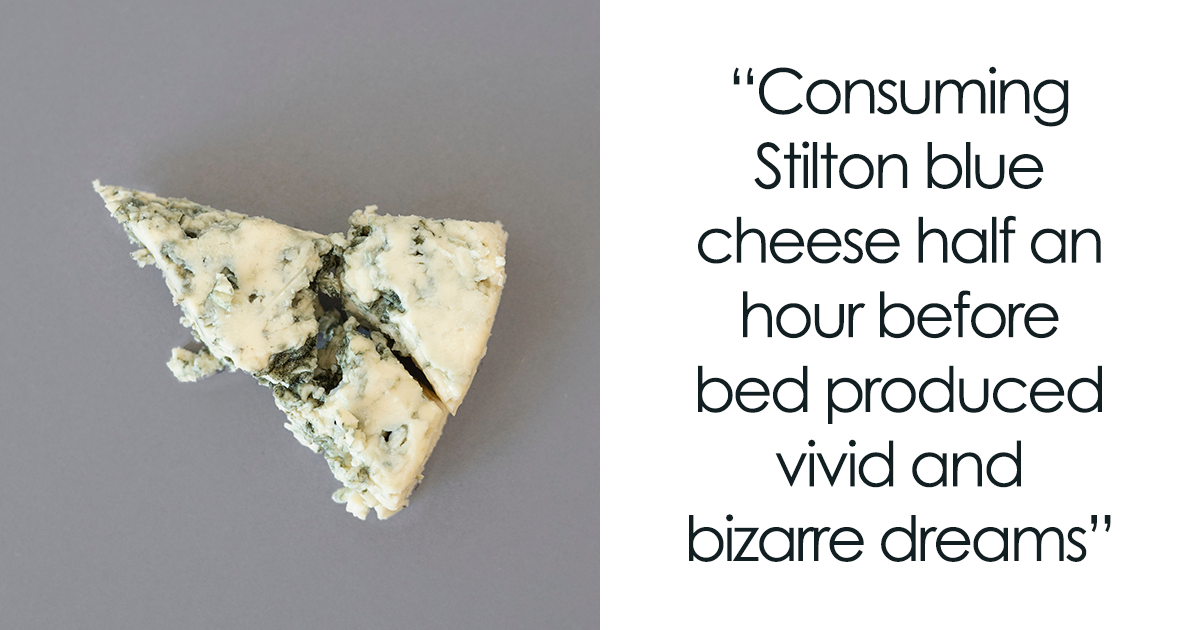
13. Blue cheese gets its blue-green veins from mold
Blue cheeses are intentionally inoculated with specific molds, then often pierced so oxygen can help the mold develop. The result can be tangy, spicy, creamy, salty, and absolutely unforgettable.
14. Washed-rind cheeses are famous for strong aromas
Some cheeses are washed with brine, beer, wine, or other liquids during aging. This encourages rind microbes that create bold aromas. Translation: your nose may panic before your taste buds applaud.
15. Bloomy-rind cheeses look like edible snow
Brie and Camembert-style cheeses develop soft white rinds from beneficial mold. Inside, they can turn creamy, buttery, and luxurious as they ripen.
16. Swiss cheese holes are called “eyes”
The holes in certain Swiss-style cheeses form when bacteria release carbon dioxide during aging. Large, round holes are called eyes; cracks or irregular openings are generally less desirable in classic styles.
17. Cheese can be made from cow, goat, sheep, and buffalo milk
Cow’s milk is common in the United States, but goat and sheep milk cheeses offer distinctive tang, richness, and aroma. Buffalo milk is famously used for traditional mozzarella di bufala.
18. Goat cheese often tastes tangy
Fresh goat cheese has a bright, tart quality that pairs beautifully with honey, beets, berries, herbs, and toasted bread. It is also excellent at making salads feel like they went to private school.
19. Sheep milk cheese can taste rich and nutty
Sheep milk is naturally high in solids, which can create cheeses with lush texture and concentrated flavor. Manchego, pecorino, and many farmstead cheeses show how expressive sheep milk can be.
20. Cottage cheese is a fresh cheese
Cottage cheese is made from curds and is known for its mild tang, soft texture, and high protein content. It can go sweet with fruit or savory with pepper, tomatoes, herbs, and olive oil.
21. Cheese contributes protein and calcium
Many cheeses provide high-quality protein, calcium, phosphorus, and other nutrients. However, cheese can also be high in sodium and saturated fat, so smart portions matter.
22. Hard cheeses are usually lower in lactose
During cheesemaking and aging, much of the lactose drains away or is fermented. Aged cheeses such as cheddar, parmesan, and Swiss are often lower in lactose than fresh dairy foods.
23. Process cheese is legally defined in the United States
Pasteurized process cheese is made by blending one or more cheeses with heat and emulsifying ingredients into a smooth, uniform product. That is why it melts so evenly on burgers and grilled cheese sandwiches.
24. American cheese is not the same thing as all American-made cheese
“American cheese” often refers to a processed cheese style, while American-made cheese includes thousands of natural, artisan, farmstead, and specialty cheeses produced across the country.
25. Wisconsin is a major cheese powerhouse
Wisconsin is famous for cheddar, Colby, brick cheese, cheese curds, and specialty cheese production. The state has built a cheese identity so strong that foam cheese hats somehow became socially acceptable.
26. Colby cheese was born in Wisconsin
Colby is a mild, semi-hard cheese created in Wisconsin. It is softer and more open-textured than cheddar, with a gentle flavor that makes it ideal for snacking and sandwiches.
27. Monterey Jack has California roots
Monterey Jack is associated with California cheesemaking history. It is mild, creamy, and melt-friendly, which is why pepper jack, its spicy cousin, became a deli-counter favorite.
28. Cheese curds squeak when they are fresh
Fresh cheese curds can squeak against your teeth because of their elastic protein structure. If your curds squeak, congratulations: your snack is basically applauding itself.
29. Macaroni and cheese is a legendary American comfort food
Mac and cheese combines pasta, creamy sauce, and melted cheese in a way that feels like a warm blanket with breadcrumbs on top. It remains one of the most beloved cheese dishes in the United States.
30. Cheese boards are about balance
A strong cheese board usually includes variety: soft and hard cheeses, mild and bold flavors, sweet and salty pairings, crunchy elements, fruit, nuts, spreads, and enough knives to avoid blue cheese invading the brie.
31. Cheese pairs well with fruit
Apples, pears, figs, grapes, berries, and dried apricots can balance cheese’s salt and fat with sweetness and acidity. A sharp cheddar with apple slices is simple, classic, and almost impossible to dislike.
32. Honey can transform salty cheese
Honey drizzled over blue cheese, goat cheese, ricotta, or aged pecorino creates a sweet-salty contrast that tastes far fancier than the effort required.
33. Nuts make cheese taste even richer
Walnuts, almonds, pistachios, and pecans bring crunch and roasted flavors to cheese boards. They also slow down the eating pace, which is helpful when the brie is disappearing suspiciously fast.
34. Not all cheeses melt the same way
Moisture, acidity, fat, protein structure, and age affect melting. Mozzarella stretches, cheddar melts smoothly when handled gently, parmesan browns and crisps, and halloumi can be grilled without collapsing into a puddle.
35. Pre-shredded cheese may melt differently
Packaged shredded cheese often contains anti-caking ingredients to prevent clumping. Convenient? Absolutely. But freshly grated cheese usually melts more smoothly in sauces.
36. Cheese should often be served slightly cool, not ice-cold
Many cheeses taste better after a short rest outside the refrigerator. Cold temperatures mute aroma and flavor, while a modest warm-up helps texture and personality return.
37. Cheese needs proper storage
Cheese should be protected from drying out while still being allowed to breathe when appropriate. Specialty cheese paper, parchment, or loosely wrapped storage can work better than suffocating every wedge in plastic forever.
38. Mold is not always badbut caution matters
Some molds are intentional, as in blue cheese and bloomy rinds. Unwanted mold on soft cheese is more concerning than a small spot on hard cheese. When in doubt, especially for vulnerable eaters, food safety wins.
39. Raw milk cheese follows specific safety rules
In the United States, raw milk cheeses sold legally across state lines must meet aging and safety requirements. These rules exist because unpasteurized dairy can carry higher food-safety risks.
40. Cheese can be smoked
Smoked gouda, smoked cheddar, and smoked mozzarella add woodsy depth to sandwiches, burgers, potatoes, and snack boards. A little smoke can make cheese taste like it owns a cabin.
41. Cheese rinds vary widely
Some rinds are edible and delicious, some are technically edible but intense, and some, like wax or cloth coatings, are not meant to be eaten. When unsure, ask the cheesemonger or check the label.
42. Cheese crystals are a good thing
Crunchy crystals in aged cheeses are often formed from amino acids or minerals. They add texture and signal deep aging. In other words, those little crunches are flavor confetti.
43. Cheese has inspired giant historical stunts
American history includes enormous wheels of cheese presented as gifts or public spectacles. Apparently, nothing says “national conversation starter” quite like a cheese wheel big enough to need a strategy meeting.
44. Artisan cheese is thriving in the United States
American cheesemakers produce award-winning cheeses in many styles, from Alpine-inspired wheels to aged goudas, soft-ripened cheeses, blues, washed rinds, and creative originals.
45. Cheese is both everyday food and edible craftsmanship
The same food category includes lunchbox string cheese, diner cheeseburgers, farmhouse cheddar, delicate chèvre, handmade blue cheese, and competition-winning wheels. That range is exactly why cheese never gets boring.
How to Enjoy Cheese Like You Know What You’re Doing
Start with three to five cheeses
For a cheese board, more is not always better. Choose one soft cheese, one firm cheese, one aged cheese, and one bold cheese if you want contrast without chaos. A simple board with brie, cheddar, gouda, goat cheese, and blue cheese can satisfy beginners and serious cheese fans alike.
Think about texture
A memorable cheese spread includes creamy, crumbly, firm, and crunchy elements. Pair soft cheeses with crisp crackers, aged cheeses with fruit, and salty cheeses with something sweet.
Use cheese strategically in cooking
For sauces, grate cheese finely and add it over low heat. For pizza, use a good melting cheese and avoid overloading the crust. For burgers, match intensity to toppings: American cheese for classic melt, cheddar for sharpness, blue cheese for steakhouse energy, and pepper jack for heat.
Respect strong cheese
Bold cheeses are like loud relatives at Thanksgiving: wonderful in the right amount, overwhelming when allowed to dominate the entire table. Use blue cheese, washed-rind cheese, and intensely aged cheese as accents if you are serving a mixed crowd.
Common Cheese Mistakes to Avoid
Serving cheese straight from the refrigerator
Ice-cold cheese can taste muted and rubbery. Let many styles rest briefly before serving so their aroma and texture can open up.
Using too much cheese in a sauce
More cheese sounds like the answer to everything, but sauces can break, clump, or become greasy if overloaded. Add gradually, stir gently, and keep heat under control.
Ignoring salt levels
Cheese brings salt. When cooking with feta, parmesan, blue cheese, or aged cheddar, taste before adding more salt. Your pasta water and sauce may already be doing plenty.
Building a boring cheese board
A board with five similar mild cheeses can feel flat. Add contrast with fruit, pickles, nuts, honey, jam, olives, mustard, cured meats, or roasted vegetables.
Personal Cheese Experiences That Make the Facts Taste Better
The best way to understand cheese is not by memorizing trivia. It is by eating with curiosity. A cheese board can teach more in fifteen minutes than a long lecture if you pay attention to texture, aroma, temperature, and pairing. The first time you compare mild cheddar with aged cheddar side by side, the difference is almost comical. Mild cheddar is friendly and smooth, like a neighbor who waves while watering the lawn. Aged cheddar is sharper, nuttier, and more dramatic, like that same neighbor suddenly revealing they play electric guitar in a weekend band.
One of the most enjoyable cheese experiences is building a simple board for friends and watching everyone discover their preferences. Someone will always head straight for the brie. Someone else will pretend to be afraid of blue cheese, taste a tiny crumb, and then return five minutes later with suspicious confidence. Goat cheese usually wins over the person who says they “don’t like fancy cheese,” especially when honey and toasted bread are involved. The lesson is simple: cheese is social. It creates conversation without trying too hard.
Cooking with cheese offers a different kind of education. Mac and cheese teaches patience because the sauce rewards low heat and punishes rushing. Pizza teaches restraint because too much cheese can weigh down the crust. Grilled cheese teaches timing because golden bread and melted filling must arrive together, like a tiny dairy miracle between slices. Even a baked potato can become dinner if you add sharp cheddar, sour cream, scallions, and enough optimism.
Shopping for cheese can also be an adventure. A good cheese counter feels like a library where everything is edible. Ask for a sample, describe what you enjoy, and be honest about your comfort zone. If you like buttery flavors, try a young gouda or havarti. If you enjoy tang, try chèvre or feta. If you want something bold, explore blue cheese or washed-rind styles. If you want a safe crowd-pleaser, aged cheddar rarely fails. The best cheesemongers do not make you feel silly for asking questions; they know every cheese lover starts somewhere.
Cheese also changes the mood of everyday meals. A sprinkle of parmesan can rescue a tired soup. A crumble of feta can wake up roasted vegetables. A slice of Swiss can make a turkey sandwich feel intentional instead of tragic. Cottage cheese can become breakfast with berries or lunch with tomatoes and black pepper. Mozzarella can turn leftover vegetables into a respectable melt. The point is not to bury every dish under cheese, although the temptation is real. The point is to use cheese as a flavor tool.
Then there is the emotional side. Cheese often shows up where comfort is required: after long workdays, during family holidays, at game-day gatherings, on road trips, and in late-night snacks eaten with zero ceremony. It can be nostalgic, playful, elegant, or deeply practical. It is one of the few foods equally at home on fine china and paper plates. That flexibility explains why cheese remains so popular. It does not demand perfection. It simply asks to be enjoyed.
The ultimate cheese experience is learning to slow down. Smell the cheese before tasting. Notice whether it is milky, grassy, nutty, mushroomy, buttery, fruity, sharp, smoky, or funky. Try it alone, then with a pairing. Let it warm slightly. Compare textures. Laugh when a cheese smells intimidating but tastes amazing. Celebrate when a simple cheddar makes the best sandwich of the week. Cheese facts are fun, but cheese memories are better. They are the reason a wedge, a board, or a bubbling casserole can leave people smiling long after the plate is empty.
Conclusion: Cheese Is Proof That Simple Ingredients Can Become Something Extraordinary
Cheese begins with milk, but it becomes something much bigger through culture, time, technique, and imagination. It can be fresh or aged, mild or bold, creamy or crumbly, humble or luxurious. These 45 drool-worthy cheese facts show why cheese continues to fascinate cooks, nutrition experts, food historians, farmers, cheesemakers, and snackers with excellent instincts.
Whether you love cheddar, mozzarella, parmesan, goat cheese, blue cheese, cottage cheese, or squeaky curds, there is always another style to taste and another pairing to try. Cheese is delicious, yes, but it is also science, history, craft, comfort, and culture wrapped into one irresistible bite. So the next time you shave parmesan over pasta or sneak an extra cube from the board, remember: you are not just snacking. You are participating in one of humanity’s tastiest traditions.