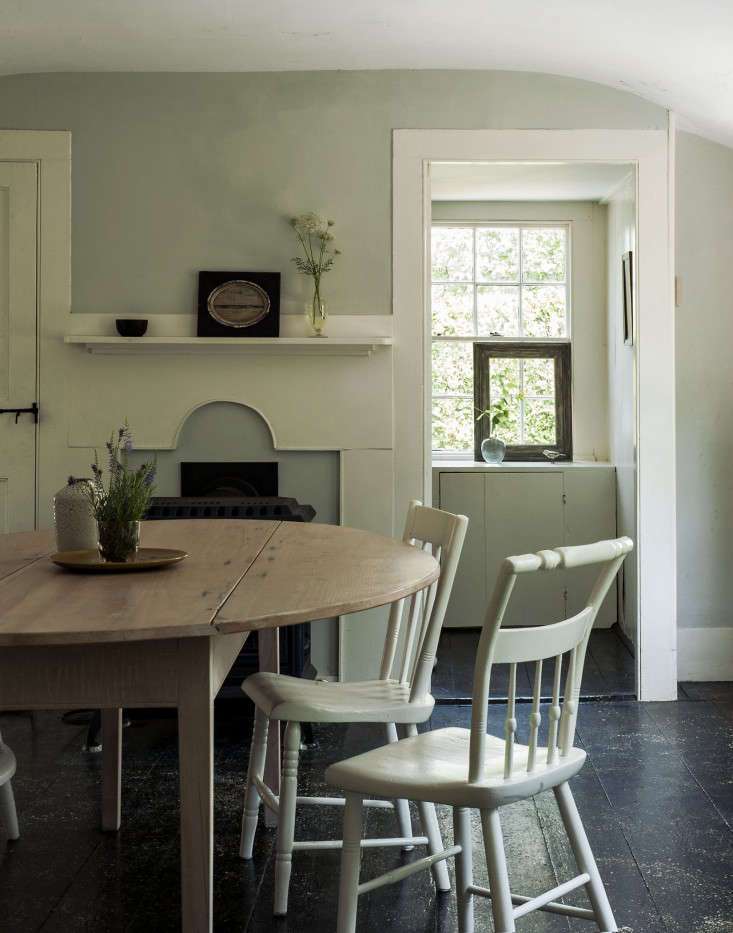
Note: This feature-style article uses “Justine’s Family Cottage” as a narrative frame to explore the authentic spirit of old Cape Cod through real regional history, landscape, architecture, and local traditions.
Some houses are expensive. Some houses are impressive. And some houses, against all logic and several layers of peeling paint, are beloved. Justine’s family cottage belongs in that last category. It is not flashy. It does not have a wine cellar, a meditation dome, or a bathroom the size of Rhode Island. What it does have is something harder to buy and easier to miss: the old Cape Cod feeling that time should slow down, supper should happen outside, and sand in the hallway is not a problem but a personality trait.
When people talk about old Cape Cod, they are usually reaching for more than a postcard. They mean weathered shingles gone soft silver in the sea air. They mean hydrangeas that look like they got dressed up for church. They mean village roads that curve instead of perform like highways. They mean a place where history, salt, family memory, and a slightly crooked screen door can coexist in perfect emotional harmony.
Justine’s cottage captures that mood beautifully. It stands for the kind of Cape Cod family cottage that generations return to not because it is perfect, but because it remembers them. On a peninsula famous for historic villages, Route 6A drives, cranberry bogs, kettle ponds, and long Atlantic light, that kind of home feels less like real estate and more like inheritance with a porch.
Why Old Cape Cod Still Feels So Different
The magic of Cape Cod starts with geography, but it lingers because of culture. The region’s protected shorelines, marshes, ponds, dunes, and village centers create a landscape that feels open and intimate at the same time. You can stand near the surf and feel gloriously tiny, then wander into a village center and immediately be confronted by fudge, antiques, and someone discussing striped bass as if it were breaking national news. It is an excellent balance.
Part of the charm comes from the Cape’s layered history. Historic homes, old maritime buildings, restored cottages, and classic New England roads all help create the sense that the area was shaped over time rather than assembled by a developer with aggressive confidence. The historic Route 6A corridor, often called Old King’s Highway, is especially famous for this feeling. It winds past preserved landscapes, sea captains’ homes, churches, inns, and villages that seem wonderfully uninterested in being trendy because they were charming first.
That setting matters when you think about a place like Justine’s cottage. The house is not separate from Cape Cod. It is part of a larger regional language: cedar shingles, low-key design, practical rooms, easy access to the outdoors, and a life organized around tides, weather, family meals, and whichever beach everyone has decided is “the good one” this week.
Justine’s Family Cottage as the Heart of Cape Cod Charm
Picture the cottage on a quiet lane, maybe not far from bay water or tucked near one of the older village roads. The gravel crunches when you pull in. The porch furniture does not match, which is how you know it is authentic. A screen door announces every entrance like a tiny percussion section. Inside, the rooms are modest, bright, and practical. There are books nobody threw away, shell collections of suspicious age, and enough blankets to survive a dramatic ocean breeze in July.
This is the sort of New England summer cottage that teaches a family how to be together. The kitchen is compact, so everyone ends up helping by force of proximity. Breakfast is simple and repetitive in the most comforting way possible. The table is a command center for coffee, beach plans, card games, and debates over whether anyone remembered to buy butter. The answer is usually no.
What makes the house soulful is not its age alone. Old houses can be gloomy, cranky, or one plumbing issue away from mutiny. A soulful cottage is different. It gathers memory. It keeps the marks of ordinary life. It wears its imperfections the way a good storyteller wears laugh lines. Justine’s cottage feels lived in, not staged. That distinction is everything.
The Details That Give an Old Cottage Its Soul
In design terms, old Cape Cod cottages tend to succeed because they are humble and human-scaled. The best ones are built around comfort, weather, and routine rather than spectacle. That means breezy windows, practical mudroom habits, dining areas that invite lingering, and porches or decks that become extra living rooms all summer long. The architecture does not shout. It nods knowingly and hands you a beach towel.
Even the wear becomes part of the beauty. The slightly uneven floorboards. The hooks by the door loaded with straw hats and damp sweatshirts. The old enamel pitcher that no one dares discard because Grandma loved it and also because it still works. These details do not just decorate a home. They build emotional continuity. In a world obsessed with “upgrades,” a cottage like this argues, very persuasively, that character is the superior finish.
The Landscape Around the Cottage Matters as Much as the Cottage Itself
Old Cape Cod charm is never just indoors. A family cottage feels complete because of what surrounds it: marsh grass shifting in the wind, long beach walks, bike rides under tree cover, kettle ponds that seem dropped by glaciers with suspicious artistic flair, and roadside farm stands where summer produce makes everyone briefly believe they are the kind of person who cooks elegantly with corn and basil.
This is one reason the Cape has such lasting emotional pull. The region offers many different kinds of beauty in a relatively compact area. There are bay beaches with calm water and tidal flats, ocean beaches with drama and surf, pine woods, freshwater ponds, village greens, and those famous cranberry landscapes that turn especially vivid in fall. On the Outer Cape, the National Seashore preserves an even wilder feeling, where dunes, lighthouses, old cultural landscapes, and long stretches of shoreline remind visitors that the Cape’s beauty is not delicate. It is elemental.
For a family staying at a cottage like Justine’s, that means every day comes with options. You can go bold and windswept or quiet and reflective. You can spend the afternoon in a village bookstore or on a beach blanket attempting to read while falling asleep every eight minutes. Both are excellent uses of Cape Cod.
How Cape Cod Family Traditions Grow in a Cottage Setting
A hotel can give you convenience. A cottage gives you ritual. And ritual is where family memory really digs in its heels.
At Justine’s family cottage, the traditions are probably the kind that started by accident and then became sacred. Pancakes on the first morning. A walk for ice cream after dinner. A designated chair on the porch that every adult quietly claims. One rainy-day puzzle that nobody truly enjoys but everyone insists on doing. A yearly argument about whether to visit the same beach or “finally try somewhere new,” followed by a trip to the same beach.
These habits might sound small, but that is the point. The soul of a place rarely comes from grand gestures. It comes from repetition infused with affection. Children grow up measuring summer not by calendar dates but by cottage customs. Adults return and realize the old place still knows exactly who they were before they became too busy, too scheduled, or too dependent on chargers with three different adapters.
This is why old cottages remain so powerful in American family life. They hold continuity. The furniture changes slowly. The routines barely change at all. The cottage becomes one of the few places where generations can overlap without trying too hard. A grandparent’s recipes, a parent’s beach route, a child’s favorite bedroom, an old family joke, and a familiar July light all get folded into one living space.
Why Imperfection Is Part of the Beauty
Justine’s cottage would lose something if it became too polished. That may sound rude, but it is true. A soulful house needs room for quirks. The old fan that sounds like it has opinions. The drawer that sticks. The bathroom mirror that reflects everyone in a slightly forgiving way, which frankly should be patented. The old cottage ethic says a home should support life, not perform perfection.
That attitude fits Cape Cod beautifully. Even in places with famous scenery and strong tourism appeal, the most memorable experiences often come from simplicity: fried clams after the beach, a drive down a historic road, a stop for local art, a walk beside salt marshes at sunset, a screen door opening onto a cool morning. The cottage becomes the headquarters for that simpler rhythm.
The Seasonal Soul of Cape Cod
Summer gets the glamour, of course. Summer on Cape Cod is all bright water, busy villages, bike racks, sandy feet, and the cheerful chaos of everyone trying to enjoy everything at once. But the soulful side of old Cape Cod does not belong only to peak season. In fact, you could argue it becomes even more visible when the crowds thin out.
Spring brings a quieter kind of optimism. Shops reopen, hydrangeas prepare their annual campaign for attention, and the chilly air still feels clean enough to reorganize your entire personality. Fall is especially wonderful. The weather softens, the light turns honey-gold, and cranberry country starts to show off. A cottage in autumn feels deeply cinematic without trying. You throw on a sweater, make tea, walk a quiet road, and suddenly you are the main character in a very tasteful coastal novel.
Winter, meanwhile, strips everything down to essentials. That is when an old family cottage reveals whether it has true emotional weight. If the house still feels warm in spirit when the beach chairs are put away and the wind gets serious, then it is more than a summer rental. It is part of the family story.
What Justine’s Cottage Says About Home
The reason this kind of place matters is simple: it reminds people that home is not always where life is most efficient. Sometimes home is where life is most recognizable. Justine’s family cottage represents the version of Cape Cod that cannot be packaged neatly. It is not just scenic, historic, or cozy. It is emotionally textured.
It tells a larger truth about Cape Cod cottage life. The best old places do not invite you to impress anyone. They invite you to arrive. To slow down. To notice wind in the grass, coffee on the porch, wet towels on the rail, and the oddly profound peace of hearing dishes from the kitchen while the late sun comes through the screen.
That is the soulful side of old Cape Cod. Not perfection. Not luxury. Not curated nostalgia. Just continuity, beauty, and the stubborn, lovely fact that some places still know how to make ordinary life feel rich.
More Experiences from Justine’s Family Cottage
Stay at a place like Justine’s long enough, and the cottage begins to shape the day before anyone says a word. Morning starts with that soft coastal light that slips through old curtains and makes even a chipped dresser look poetic. Somebody is up first, usually the person most committed to coffee or least committed to sleeping in. The house wakes slowly. A kettle rattles. Floorboards creak. The screen door taps shut. Outside, the air smells faintly of salt, pine, and the kind of optimism only a beach town can manufacture before 8 a.m.
Breakfast is not elegant, but it is unbeatable. Toast, fruit, maybe eggs, maybe muffins from a local bakery that instantly become part of the family mythology. Plans are discussed with absolute seriousness: beach or pond, village walk or bike ride, lobster rolls today or lobster rolls pretending to be tomorrow. The beauty of an old Cape cottage is that it turns these tiny decisions into the day’s great adventure. There is no rush. Or rather, there is rush, but only the kind involving sunscreen and missing flip-flops.
By late morning the cottage is in full swing. Towels are draped over chairs. A paperback lies open face-down on the porch table. Someone comes back from a farm stand with tomatoes so good they deserve their own applause. Someone else returns with local jam, an unnecessary candle, and a pie no one needed but everyone honors. That is cottage economics: if it looks charming and edible, it belongs in the house.
Afternoons feel stretched in the best way. Maybe the family spends hours at a calm bay beach, watching kids chase tiny crabs while the tide redraws the shore. Maybe they head for the National Seashore and stand in awe of the dunes and open sky. Maybe they stop along a village road lined with old trees and historic homes, wander into a bookstore, and emerge with three novels, a puzzle, and fresh determination to “read more this summer.” At the cottage, every return feels satisfying. The house receives people the way old friends do, with no ceremony at all.
Evenings are where the place becomes unforgettable. The showers are quick, the windows are open, and dinner unfolds with the happy informality only family can manage. Corn on the cob, grilled fish, pasta, salad, butter melting too fast in the warm air. Laughter comes easier in a cottage dining room. Maybe it is the closeness, maybe it is the sea air, maybe it is the fact that everyone is slightly sun-tired and therefore more honest. Stories get repeated. Nobody minds. A cottage is one of the few places where repetition feels like affection rather than poor editing.
After dinner, the porch becomes the evening stage. Some people lean back with a drink. Some take a short walk to see the sunset. Some hunt for dessert with a dedication that should qualify as athletic training. The neighborhood quiets down. The sky deepens. A lamp glows inside. Someone starts a card game. Someone else says they will join in a minute and never does. The old cottage holds it all without complaint.
And that may be the greatest experience of all: the sense that nothing spectacular has happened, yet the day feels full. No fireworks, no itinerary triumph, no dramatic reveal. Just a string of ordinary pleasures made luminous by place. At Justine’s family cottage, Cape Cod does what it has always done best. It takes modest things, salt air, old wood, simple meals, familiar people, and gives them a kind of emotional shine. That is why families keep returning. Not to relive the past exactly, but to feel, for a little while, that the best parts of it are still waiting with the porch light on.
Conclusion
Justine’s family cottage stands as a perfect symbol of old Cape Cod charm: modest, weathered, welcoming, and deeply tied to the landscape around it. It reflects everything people love about the region, from historic roads and village life to salt air, beach rituals, and family traditions that refuse to go out of style. In a world obsessed with the new, this kind of cottage offers something better: a place with memory, mood, and meaning. That is the soulful side of old Cape Cod, and it never goes out of season.