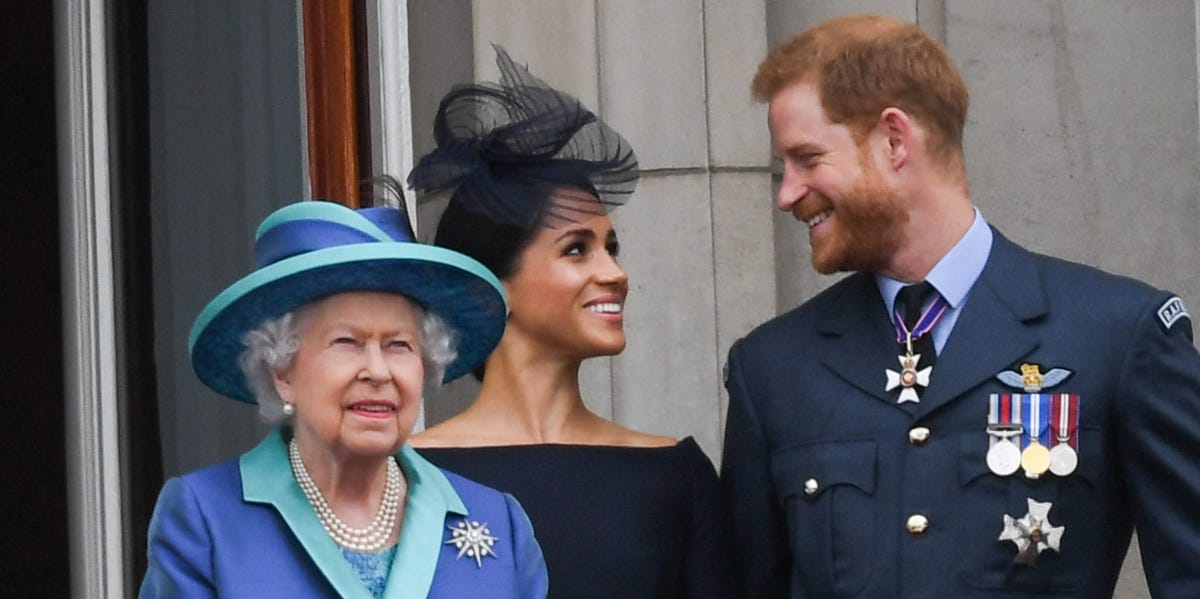
If you think your family group chat is complicated, try keeping track of the British royal family. There are kings, queens, princes, princesses, dukes, duchesses, courtesy titles, surnames that appear only when needed, and middle names that sound like they were selected by a committee of ancestors holding teacups.
The royal family’s names are not just fancy labels printed on palace stationery. They often honor grandparents, monarchs, historic houses, beloved relatives, and national traditions. Prince George’s full name, for example, is not simply “George Wales” scribbled on a school notebook. His official given names are George Alexander Louis. Princess Charlotte is Charlotte Elizabeth Diana, and the little royal many fans casually call “Louie” is officially Prince Louis Arthur Charles. Yes, “Louis,” not “Louie.” Royal spelling is not a democracy.
This guide breaks down the full names of the most recognized members of the modern British royal family, explains why some royals use surnames while others do not, and shows how royal naming traditions work without requiring you to own a crown, a castle, or a ceremonial sword.
Do Members of the Royal Family Have Last Names?
The short answer is: sometimes. The slightly longer answer is: welcome to the monarchy, where even the paperwork wears a hat.
Members of the British royal family can be known by the royal house name, a surname, a territorial title, or no surname at all in day-to-day public life. The royal house is Windsor, a name adopted in 1917 during the reign of King George V. For many descendants of Queen Elizabeth II and Prince Philip, the surname Mountbatten-Windsor may be used when a surname is required, especially by descendants who do not use the style of Royal Highness or a princely title.
That is why you may see different naming styles depending on context. At school, royal children have often used a territorial name, such as “Cambridge” in earlier years or “Wales” now that their parents are Prince and Princess of Wales. In official royal contexts, however, they are styled by title: Prince George of Wales, Princess Charlotte of Wales, and Prince Louis of Wales.
The Core Royal Family: Full Names and Titles
King Charles III
Full name: Charles Philip Arthur George
King Charles III was born Charles Philip Arthur George. His names honor a long royal and family tradition, with “Philip” nodding to his father, Prince Philip, Duke of Edinburgh. As monarch, he reigns as Charles III rather than using one of his other names. That choice matters because British monarchs may choose a regnal name, but Charles kept the name by which the world already knew him.
Queen Camilla
Birth name: Camilla Rosemary Shand
Queen Camilla was born Camilla Rosemary Shand. After her first marriage, she became widely known as Camilla Parker Bowles. After marrying Charles in 2005, she was known for years as the Duchess of Cornwall. Today, she is Queen Camilla. Her name is a useful reminder that royal names often change with marriage, title, and public role, while the birth name remains part of the historical record.
Prince William, Prince of Wales
Full name: William Arthur Philip Louis
Prince William’s full name is William Arthur Philip Louis. “William” is one of the great classic royal names, while “Philip” honors his grandfather. “Louis” appears again in the Wales family, proving that royal families enjoy a good name remix as much as anyone else. William is first in line to the throne and is formally known as the Prince of Wales.
Catherine, Princess of Wales
Birth name: Catherine Elizabeth Middleton
Catherine, Princess of Wales, was born Catherine Elizabeth Middleton. Many people still call her “Kate Middleton,” because pop culture has a long memory and apparently refuses to update its contacts list. Officially, however, she is Catherine, Princess of Wales. Her middle name, Elizabeth, sits comfortably within royal tradition, sharing a name with one of the most famous monarchs in British history.
Prince George, Princess Charlotte, and Prince Louis: The Wales Children
Prince George of Wales
Full name: George Alexander Louis
Prince George’s full name is George Alexander Louis. He was originally known as Prince George of Cambridge when his parents were Duke and Duchess of Cambridge. After Queen Elizabeth II’s death and King Charles III’s accession, his parents became Prince and Princess of Wales, and George became Prince George of Wales.
“George” is about as royal as a name can get without arriving with its own throne. Several British kings have used it, including George VI, Queen Elizabeth II’s father. “Alexander” adds a strong classical note, while “Louis” honors family tradition, including Lord Louis Mountbatten and Prince Philip’s Mountbatten family connection.
Princess Charlotte of Wales
Full name: Charlotte Elizabeth Diana
Princess Charlotte’s full name is Charlotte Elizabeth Diana, and it is one of the most emotionally meaningful names in the modern royal family. “Charlotte” has royal history and also echoes the feminine form of Charles. “Elizabeth” honors her great-grandmother, Queen Elizabeth II. “Diana” honors her grandmother, Diana, Princess of Wales.
Charlotte is currently ahead of her younger brother Louis in the line of succession because of modern succession reforms that ended the old rule allowing younger sons to leapfrog older sisters. In other words, Charlotte did not just get a beautiful name; she also got a more modern place in royal history.
Prince Louis of Wales
Full name: Louis Arthur Charles
Prince Louis’s full name is Louis Arthur Charles. The title says “Louie” because many readers search for him that way, but his official name is spelled Louis. The pronunciation used by the British royals is commonly “LOO-ee,” which explains the confusion. The spelling, however, remains very French and very royal.
“Arthur” is a legendary British name, carrying echoes of King Arthur. “Charles” honors his grandfather, King Charles III. Louis has become a public favorite thanks to his lively appearances at major royal events. He is proof that even in a family famous for protocol, a child making expressive faces on a balcony can become the internet’s unofficial minister of comic relief.
The Sussex Branch: Harry, Meghan, Archie, and Lilibet
Prince Harry, Duke of Sussex
Full name: Henry Charles Albert David
Prince Harry’s full name is Henry Charles Albert David. “Harry” is a familiar nickname for Henry, which means the prince the world knows as Harry is officially Henry. His names include “Charles,” honoring his father, and several names with deep royal roots.
Meghan, Duchess of Sussex
Birth name: Rachel Meghan Markle
Meghan, Duchess of Sussex, was born Rachel Meghan Markle. She uses her middle name professionally and publicly, which is common outside royal life too. Before marrying Prince Harry, she was widely known for acting, especially her role on “Suits.” After marriage, she became the Duchess of Sussex.
Prince Archie of Sussex
Full name: Archie Harrison Mountbatten-Windsor
Prince Archie’s full name is Archie Harrison Mountbatten-Windsor. The name “Harrison” is often read as “Harry’s son,” which is either a sweet fatherly tribute or the most efficient naming strategy ever invented. Archie was initially styled without a prince title, but after King Charles III became monarch, he became eligible to be styled Prince Archie of Sussex.
Princess Lilibet of Sussex
Full name: Lilibet Diana Mountbatten-Windsor
Princess Lilibet’s full name is Lilibet Diana Mountbatten-Windsor. “Lilibet” was Queen Elizabeth II’s family nickname, and “Diana” honors Harry’s mother, Diana, Princess of Wales. It is one of the clearest examples of how royal baby names often operate like miniature family memorials.
Queen Elizabeth II’s Children and Their Families
Anne, Princess Royal
Full name: Anne Elizabeth Alice Louise
Anne, Princess Royal, is the only daughter of Queen Elizabeth II and Prince Philip. Her full name is Anne Elizabeth Alice Louise. She is known for her no-nonsense public image, heavy work schedule, and a level of practicality that suggests she could probably organize a state banquet and fix the stable door before lunch.
Andrew Mountbatten-Windsor
Full name: Andrew Albert Christian Edward Mountbatten-Windsor
Andrew was born Prince Andrew and was long known as the Duke of York. After formal changes initiated in 2025, he is now referred to as Andrew Mountbatten-Windsor in current official contexts. His full given names are Andrew Albert Christian Edward. Because titles and styles can change, this is one of the clearest examples of why royal name articles need to be updated rather than copied from an old magazine clipping found behind a sofa.
Prince Edward, Duke of Edinburgh
Full name: Edward Antony Richard Louis
Prince Edward’s full name is Edward Antony Richard Louis. He is the youngest child of Queen Elizabeth II and Prince Philip. In 2023, King Charles III conferred the Dukedom of Edinburgh on him, continuing a title strongly associated with Prince Philip.
Sophie, Duchess of Edinburgh
Birth name: Sophie Helen Rhys-Jones
Sophie, Duchess of Edinburgh, was born Sophie Helen Rhys-Jones. Before becoming a full-time working royal, she worked in public relations. Her name is less overloaded with dynastic symbolism than some royal names, which may be why it feels refreshingly normal beside the grand parade of Georges, Edwards, and Arthurs.
The Next Generation: Cousins, Children, and Familiar Names
Princess Beatrice and Princess Eugenie
Princess Beatrice full name: Beatrice Elizabeth Mary
Princess Eugenie full name: Eugenie Victoria Helena
Princess Beatrice and Princess Eugenie are daughters of Andrew Mountbatten-Windsor and Sarah Ferguson. Beatrice’s full name is Beatrice Elizabeth Mary, while Eugenie’s is Eugenie Victoria Helena. Their names are packed with royal history, especially “Victoria,” which immediately brings Queen Victoria to mind.
Beatrice’s daughters are Sienna Elizabeth Mapelli Mozzi and Athena Elizabeth Rose Mapelli Mozzi. Eugenie’s sons are August Philip Hawke Brooksbank and Ernest George Ronnie Brooksbank. These names show a more modern naming style: still meaningful, still family-connected, but less likely to sound like they were chosen by a medieval council.
Lady Louise and James, Earl of Wessex
Lady Louise full name: Louise Alice Elizabeth Mary Mountbatten-Windsor
James full name: James Alexander Philip Theo Mountbatten-Windsor
Prince Edward and Sophie’s children are Lady Louise Mountbatten-Windsor and James, Earl of Wessex. Louise’s full name is Louise Alice Elizabeth Mary Mountbatten-Windsor. James’s full name is James Alexander Philip Theo Mountbatten-Windsor. Their names include the Mountbatten-Windsor surname, showing how the royal surname appears more clearly among descendants who use different styles from the children of the direct heir.
Princess Anne’s Children and Grandchildren
Peter Phillips full name: Peter Mark Andrew Phillips
Zara Tindall birth name: Zara Anne Elizabeth Phillips
Princess Anne’s children do not hold royal titles, but they are still part of the wider royal family and the line of succession. Peter Phillips is Peter Mark Andrew Phillips. His daughters are Savannah Anne Kathleen Phillips and Isla Elizabeth Phillips.
Zara Tindall was born Zara Anne Elizabeth Phillips. She married former rugby player Mike Tindall, and their children are Mia Grace Tindall, Lena Elizabeth Tindall, and Lucas Philip Tindall. These names feel more contemporary, but the family connections remain. “Elizabeth” and “Philip” continue to appear, quietly linking the younger generation to Queen Elizabeth II and Prince Philip.
Why Royal Names Repeat So Often
If royal names feel repetitive, that is because repetition is part of the point. Royal naming is not only about what sounds nice. It is about continuity. Names like George, Charles, Elizabeth, Philip, Arthur, Louis, Edward, and Victoria act like historical bookmarks. Each one points backward to someone important while pushing the family story forward.
That is why Prince George’s name feels traditional, Princess Charlotte’s feels deeply commemorative, and Prince Louis’s feels both historic and personal. The names are doing several jobs at once: honoring relatives, signaling stability, satisfying public curiosity, and giving future historians something to write about besides balcony seating arrangements.
Quick Royal Name Cheat Sheet
- King Charles III: Charles Philip Arthur George
- Queen Camilla: Camilla Rosemary Shand
- Prince William: William Arthur Philip Louis
- Catherine, Princess of Wales: Catherine Elizabeth Middleton
- Prince George: George Alexander Louis
- Princess Charlotte: Charlotte Elizabeth Diana
- Prince Louis: Louis Arthur Charles
- Prince Harry: Henry Charles Albert David
- Meghan, Duchess of Sussex: Rachel Meghan Markle
- Prince Archie: Archie Harrison Mountbatten-Windsor
- Princess Lilibet: Lilibet Diana Mountbatten-Windsor
- Anne, Princess Royal: Anne Elizabeth Alice Louise
- Andrew Mountbatten-Windsor: Andrew Albert Christian Edward Mountbatten-Windsor
- Prince Edward: Edward Antony Richard Louis
- Sophie, Duchess of Edinburgh: Sophie Helen Rhys-Jones
Personal Experience: What Royal Names Teach Us About Family Stories
Writing about the full names of the royal family can feel, at first, like organizing a very glamorous spreadsheet. There are so many repeated names that it is easy to imagine a royal baby-name meeting where someone says, “What about George?” and half the portraits on the wall nod in approval. But the more closely you look, the more human the names become.
Most families have naming traditions. A child may be named after a grandparent, an aunt, a beloved friend, or someone whose story still matters at the dinner table. The royal family simply does this with more public attention and better silverware. When Princess Charlotte was named Charlotte Elizabeth Diana, millions of people instantly understood the emotional weight of “Elizabeth” and “Diana.” Those names were not random decorations. They were bridges between generations.
The same is true for Prince Louis Arthur Charles. At first glance, the name sounds formal and polished, the kind of name that should come with tiny cufflinks. But it also carries family meaning. “Charles” honors his grandfather. “Arthur” connects to British legend and royal tradition. “Louis” links to Mountbatten family history. In three names, one small child receives a pocket-sized inheritance of memory.
There is also something funny and relatable about the confusion. Harry is actually Henry. Meghan is actually Rachel Meghan Markle. Louis is not spelled Louie. Royal children may use “Wales” at school but appear in formal settings as princes and princesses. This is the kind of thing that makes royal naming both fascinating and mildly hazardous for trivia night.
For readers, the best way to understand royal names is to treat them like family stories rather than vocabulary tests. The names repeat because the relationships repeat: parent to child, monarch to heir, grandmother to granddaughter, public role to private memory. Even the surname question tells a story. Windsor represents the royal house. Mountbatten-Windsor reflects the descendants of Queen Elizabeth II and Prince Philip. Territorial names like Wales, Cambridge, and Sussex show how titles become practical labels in everyday life.
That is why this topic keeps attracting readers. Royal names are not just about status. They are about identity, memory, branding, history, and sometimes a little confusion wrapped in a velvet cape. Whether you are curious about Prince George’s future, Princess Charlotte’s tribute to Diana, or Prince Louis’s officially non-“Louie” spelling, the full names reveal how the monarchy balances tradition with modern family life.
Conclusion
The full names of the British royal family are more than elegant strings of royal-approved syllables. They are clues. They reveal family loyalties, historic patterns, emotional tributes, and the monarchy’s careful relationship with continuity. Prince George Alexander Louis carries classic royal strength. Princess Charlotte Elizabeth Diana carries two powerful family tributes. Prince Louis Arthur Charles carries history, legend, and a nod to the current King.
Once you understand the system, royal names become much easier to follow. The titles may shift, the surnames may appear or disappear depending on context, and the public may keep using nicknames forever. But behind every royal name is a story, and behind every story is a family trying to honor where it came from while preparing for what comes next.
Note: This article uses current public naming styles and widely reported official naming conventions as of 2026. Royal titles and styles can change, so future updates may be needed for absolute accuracy.