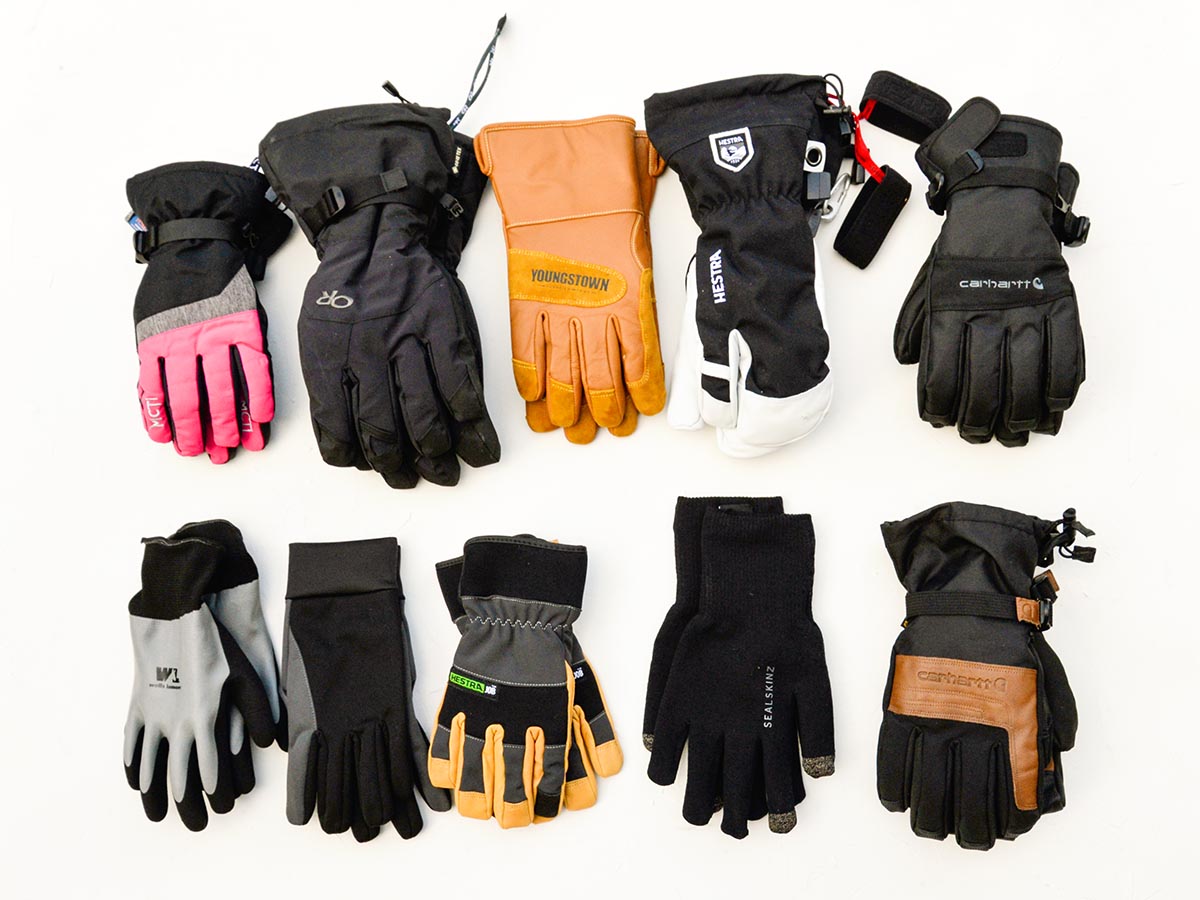
Cold rain, wet snow, muddy garden beds, icy tools, dripping gutters, and soggy firewood all have one thing in common: they make your hands miserable in record time. A good pair of waterproof gloves is not just a comfort item; it is the difference between finishing the job and staring at your fingers like they have personally betrayed you.
The best waterproof gloves should keep water out, maintain grip when surfaces are slick, protect against cold when needed, and still allow enough finger movement to do real work. That sounds simple, but glove shopping can get weird fast. Some gloves are “water-resistant,” which often means they can survive a sprinkle but surrender dramatically in a bucket test. Others are truly waterproof but so bulky that picking up a screw feels like playing a claw machine with oven mitts.
This guide takes inspiration from the practical, hands-on testing approach associated with Bob Vila: simulate real wet conditions, check grip, examine materials, and ask the only question that really matterswould you actually want to wear these while working, skiing, hiking, shoveling, or fixing something outside?
Quick Picks: Best Waterproof Gloves for Different Needs
- Best Overall Waterproof Work Glove: Carhartt Waterproof Insulated Glove
- Best Budget Waterproof Work Glove: Wells Lamont Latex Waterproof Coated Gloves
- Best Waterproof Gloves for Women: MCTi Ski Gloves for Women
- Best Winter Jobsite Glove: Carhartt Cold Snap Insulated Work Glove
- Best Touchscreen Waterproof Glove: Sealskinz Waterproof All Weather Knitted Gloves
- Best Hiking Waterproof Glove: Outdoor Research Alti Gloves
- Best Ski Glove: Hestra Army Leather Heli Ski 3-Finger Gloves
- Best Wet-Work Utility Glove: Showa Atlas/Temres 282-02
- Best Cut-Resistant Waterproof Work Glove: Ergodyne ProFlex 7551
How Waterproof Gloves Were Judged
Waterproof gloves should pass more than a quick splash test. A practical review looks at three things: whether the glove blocks water, whether it still grips when wet, and whether the inside stays comfortable after the outside gets soaked. Bob Vila’s testing method included simulated rain, water immersion, and handling wet objects to evaluate water intrusion and grip. That is a smart approach because real life rarely delivers water politely.
Imagine cleaning gutters in a steady drizzle. Your glove is not just getting wet on the palm; water is running down your wrist, soaking the seams, and pooling around the fingertips. Now imagine shoveling snow. Your glove must stay warm, but it also needs to grip a shovel handle without sliding around like a greased pickle. The best waterproof gloves handle both moisture and movement.
Best Overall: Carhartt Waterproof Insulated Glove
The Carhartt Waterproof Insulated Glove earns its reputation as a strong all-around choice because it blends waterproofing, warmth, grip, and durability at a reasonable price. It is built like a winter work glove, with a polyester shell, waterproof insert, grippy palm, insulated body, moisture-wicking lining, and adjustable wrist closure.
For homeowners, contractors, delivery workers, and anyone who deals with cold, wet chores, this glove checks the right boxes. The textured grip helps when carrying wet lumber, handling snow shovels, or moving trash cans on a slushy morning. The insulation adds warmth without turning the glove into a cartoon boxing glove, though it is still bulkier than a lightweight liner glove.
What Makes It Stand Out
The strongest feature is balance. Many waterproof gloves excel in one area but fail in another. Some are dry but stiff. Some are warm but slippery. Some fit well but leak at the seams. The Carhartt option performs well for general winter use because it protects against wet weather while still feeling like something you can work in.
The main downside is dexterity. If you need to pick up tiny nails, tie fishing knots, or fish a key from the bottom of a pocket, this glove may feel a little chunky. For shoveling, hauling, scraping ice, stacking wood, and outdoor repairs, though, it is a dependable everyday pick.
Best Budget Pick: Wells Lamont Latex Waterproof Coated Gloves
If your main enemy is mud, wet grass, garden muck, or messy household work, the Wells Lamont Latex Waterproof Coated Gloves are a smart low-cost option. They use a coated shell that blocks water across the dipped sections while providing excellent wet grip. The textured coating helps hold tools, hoses, pots, branches, and slick materials without requiring a death grip.
These gloves are ideal for spring, summer, and fall jobs where you need waterproof protection but not heavy insulation. Think gardening after rain, washing outdoor furniture, cleaning animal pens, working around wet concrete, or handling damp bags of mulch.
Where They Fall Short
The cuff is not fully waterproof, so these are not the gloves to dunk past the wrist or use in deep snow. They also do not breathe well, which is common with coated waterproof work gloves. Your hands may get sweaty during long sessions, but at this price point, that is a fair trade for strong grip and water protection.
Best for Women: MCTi Ski Gloves for Women
The MCTi Ski Gloves for Women are designed for winter recreation, but they also work well as general cold-weather waterproof gloves. Their polyurethane outer shell, waterproof liner, faux leather palm, Thinsulate-style insulation, wrist leash, and touchscreen fingertips make them versatile for skiing, walking the dog, clearing snow, and winter travel.
The key advantage is that they offer warmth without excessive puffiness. That matters because too much insulation can make a glove feel clumsy. MCTi’s design provides better flexibility than many thick ski gloves, making it easier to grip poles, open car doors, carry bags, or check a phone without removing the glove.
Best Use Case
These are a strong match for people who want one pair of waterproof gloves for winter errands, light snow sports, and everyday cold-weather use. They are not heavy-duty construction gloves, but they are warmer and more comfortable than thin work gloves when the temperature drops.
Best Winter Jobsite Glove: Carhartt Cold Snap Insulated Work Glove
The Carhartt Cold Snap Insulated Work Glove is built for rougher winter work. It combines waterproofing, insulation, reinforced grip areas, and a protective cuff that helps seal out snow and cold air. This glove is useful for construction crews, landscapers, farmers, utility workers, and homeowners who insist on doing outdoor projects even when the weather says, “Please reconsider.”
Its reinforced palm improves durability, while the moisture-wicking lining helps reduce that clammy feeling that can happen inside insulated gloves. The drawcord cuff gives extra protection in snow, although it can be harder to adjust while wearing gloves.
Why It Works
This is the pair to consider when waterproofing alone is not enough. If the job includes wet materials, cold air, snow, and abrasion, a glove needs structure. The Cold Snap is more rugged than casual winter gloves and warmer than many coated utility gloves.
Best Touchscreen Pick: Sealskinz Waterproof All Weather Knitted Gloves
The Sealskinz Waterproof All Weather Knitted Gloves are for people who want waterproof protection without the bulky look and feel of a traditional work glove. They use a layered construction that combines a durable outer knit, waterproof and windproof membrane, and a warmer lining. Silicone grip details help with wet handling, and touchscreen-compatible fingertips make them convenient for commuting, photography, hiking, and everyday errands.
These gloves shine in chilly, rainy conditions where a heavy insulated glove would feel like overkill. They are also easier to pack in a jacket pocket than big gauntlet-style gloves.
What to Know Before Buying
The outer knit can absorb water even when the inner membrane keeps your hands dry. That means the gloves may feel heavier after a long rain. This is not necessarily a failure; it is just the nature of layered waterproof knit gloves. For people who value flexibility and phone use, the tradeoff may be worth it.
Best for Hiking: Outdoor Research Alti Gloves
For serious cold, snow, and mountain conditions, the Outdoor Research Alti Gloves are a premium choice. They use a layered system with an outer waterproof shell and a removable liner. That setup gives hikers, climbers, and winter campers more control over warmth and moisture. Wear the liner alone in milder conditions, add the shell when the weather turns ugly, and dry the layers separately when needed.
The Alti Gloves are not cheap, and they are bulkier than casual gloves. But for winter hiking, mountaineering, snow camping, or any activity where cold hands can become a safety problem, the layered design is valuable.
Best Use Case
Choose these if your outdoor plans include deep cold, long exposure, and changing weather. They are more glove than most people need for shoveling the driveway, but they make sense when warmth and weather protection matter more than pocket-friendly compactness.
Best for Skiing: Hestra Army Leather Heli Ski 3-Finger Gloves
The Hestra Army Leather Heli Ski 3-Finger Gloves combine the warmth of a mitten with more control than a full mitten design. This “lobster claw” style keeps some fingers together for warmth while leaving enough movement to hold ski poles, adjust bindings, and manage zippers.
The glove uses leather in high-wear areas and weather-resistant fabric across the shell. A removable liner helps with drying and long-term care. This matters because leather ski gloves can perform beautifully, but they need maintenance. Conditioning the leather helps preserve water resistance and flexibility.
Who Should Buy It
Skiers, snowboarders, snowmobilers, and winter travelers who prioritize warmth and durability should consider this style. It is a premium glove, but it is built for cold mountains rather than quick backyard chores.
Best Wet-Work Utility Glove: Showa Atlas/Temres 282-02
The Showa Atlas or Temres 282-02 may not win a fashion contest, unless the contest theme is “industrial Smurf chic,” but it performs extremely well in wet, cold environments. Originally popular in marine, fishing, and industrial settings, this glove has become a favorite among hikers and outdoor workers who want waterproof protection, grip, and surprising dexterity.
The waterproof polyurethane shell blocks moisture, while the acrylic liner adds moderate warmth. The 282-02 version includes an extended cuff that helps keep snow, debris, and rain from sneaking inside. For handling wet rope, setting up camp in cold rain, fishing, washing equipment, or working in sloppy conditions, this glove is a practical sleeper pick.
Important Fit Tip
Many users find Showa gloves run small. Sizing up is often the safer move, especially if you want room for circulation or a thin liner.
Best Cut-Resistant Waterproof Work Glove: Ergodyne ProFlex 7551
When the work includes cold, water, and sharp materials, the Ergodyne ProFlex 7551 deserves attention. It is a coated winter work glove with waterproof latex coverage, a sandy nitrile palm for grip, fleece warmth, and cut-resistant construction. That combination makes it suitable for material handling, construction, metal work, cold warehouses, and other tasks where a basic waterproof glove is not protective enough.
Not every homeowner needs cut resistance, but anyone handling sheet metal, broken glass, rough lumber, icy equipment, or sharp debris should think beyond simple waterproofing. A glove should match the hazard, not just the weather.
Waterproof vs. Water-Resistant Gloves
The difference matters. Waterproof gloves are designed to prevent water from entering under normal use. Water-resistant gloves can shed light moisture for a while but may leak during heavy rain, immersion, or long exposure. Many softshell gloves, leather gloves, and casual winter gloves are water-resistant rather than fully waterproof.
If you are walking the dog in drizzle, water-resistant gloves may be enough. If you are shoveling wet snow, cleaning gutters, working in rain, or handling soaked materials, choose true waterproof gloves with sealed construction, coated palms, or a waterproof membrane.
How to Choose the Best Waterproof Gloves
1. Match the Glove to the Job
Work gloves need abrasion resistance, grip, and durability. Ski gloves need warmth, wrist coverage, and snow protection. Hiking gloves need packability, layering options, and dexterity. Gardening gloves need mud resistance and easy cleaning. One glove cannot rule them all, despite what your junk drawer may believe.
2. Consider Insulation
Insulation keeps hands warm, but more insulation usually means less dexterity. For active tasks like hiking, cycling, or splitting kindling, too much warmth can make hands sweat. For standing around in freezing weather, more insulation is your friend. Synthetic insulation is common in waterproof gloves because it handles damp conditions better than down.
3. Check Grip
Wet grip is essential. Look for textured latex, nitrile, silicone prints, reinforced leather, or rubberized palm areas. A waterproof glove that cannot hold a wet shovel is just a tiny hand-shaped raincoat with commitment issues.
4. Look at the Cuff
Short cuffs are convenient and easy to slip on. Long gauntlet cuffs protect better against snow and rain. Knit cuffs seal nicely under jacket sleeves but may absorb water. Drawcord cuffs are excellent for snow sports but can be harder to adjust with gloves on.
5. Think About Breathability
Waterproof gloves often trap heat and sweat. Breathable membranes help, but no glove is magic. If your hands sweat heavily, consider removable liners, lighter insulation, or carrying a backup pair for long days outside.
6. Do Not Ignore Fit
A glove that is too tight reduces warmth because it restricts circulation. A glove that is too loose reduces grip and control. The best fit gives your fingers room to move while keeping the palm secure. For winter gloves, leave enough space for warm air to circulate, but not so much that the glove slides around.
Care Tips for Waterproof Gloves
Waterproof gloves last longer when they are dried properly. After use, shake off water, open the cuffs, and let air circulate. Avoid placing leather gloves directly on high heat because it can dry and crack the material. For fabric gloves, follow the manufacturer’s care instructions. Some can be spot-cleaned, while others tolerate gentle washing.
If the gloves have removable liners, separate them after wet use. If the inside gets damp, a boot dryer with glove attachments can help. For leather gloves, occasional conditioning helps maintain flexibility and water resistance. For coated work gloves, inspect the coating for cracks, peeling, or worn spots. Once the waterproof layer fails, the glove becomes more of a suggestion than protection.
Experience Notes: What Waterproof Gloves Feel Like in Real Life
The first thing you notice with waterproof gloves is that the best pair is not always the thickest pair. A glove can look warm enough to survive an expedition to the freezer aisle, yet fail the moment water sneaks through a seam. In real use, waterproofing is about the whole system: shell, seams, liner, cuff, grip, and fit. When one part fails, your hands know immediately.
For outdoor chores, coated gloves are often the most satisfying. Pulling weeds from wet soil, rinsing muddy tools, or dragging damp branches is much easier when the palm has a rubbery grip. The downside appears after 30 or 40 minutes of steady work: sweat. Waterproof coatings keep rain out, but they can also keep moisture in. That is why it helps to turn them inside out after use or keep a second pair nearby.
For snow shoveling, insulated gloves with adjustable cuffs feel better than thin waterproof work gloves. Snow has a sneaky talent for getting into every opening. A glove with a secure wrist closure stops snow from sliding inside when you scoop, toss, and repeat until your driveway looks acceptable enough for neighbors to stop judging. The tradeoff is reduced dexterity. You may shovel comfortably, then struggle to unlock the front door without removing a glove.
For hiking or camping, the experience is different. Hands alternate between warm and sweaty during movement, then cold during breaks. A layered glove system works best because it lets you adapt. A thin liner can handle mild movement, while a waterproof shell adds protection during rain or snow. In cold rain, waterproof gloves with good grip are priceless when setting tent poles, tightening straps, or packing wet gear. Few things test patience like trying to buckle a frozen backpack strap with numb fingers.
Touchscreen gloves are convenient, but they are not always perfect. A glove may technically work on a phone while still making you tap the wrong letter five times. Low-profile waterproof knit gloves tend to perform better for phone use than thick insulated work gloves. However, if the priority is warmth, accept that your phone may need to wait. Your fingers are more important than checking whether someone liked your photo of a snow-covered mailbox.
Leather waterproof gloves feel great when properly maintained. They grip well, block wind, and often become more comfortable over time. But leather does not love being soaked repeatedly. If you use leather gloves in wet conditions, dry them slowly and treat them with conditioner. Neglect them, and they can become stiff enough to qualify as medieval hand armor.
The biggest lesson from real-world use is simple: own more than one pair if you regularly work or play outside. A budget coated glove is perfect for wet chores. An insulated waterproof glove handles snow and winter work. A lighter waterproof glove is better for hiking, commuting, or cool rainy days. No single glove is perfect for every condition, but the right glove for the right task makes bad weather feel far less dramatic.
Final Verdict
The best waterproof gloves depend on what you plan to do. For most winter chores and wet outdoor work, the Carhartt Waterproof Insulated Glove offers the strongest balance of warmth, waterproofing, grip, and value. For messy warm-weather tasks, Wells Lamont coated gloves are affordable and practical. For skiing and severe cold, Hestra and Outdoor Research offer premium protection. For wet hiking, fishing, or industrial-style utility, Showa’s 282-02 is a surprisingly capable option.
The right waterproof glove should keep your hands dry, warm enough, and useful. Dry hands are good. Dry hands that can still grip a shovel, hold a ski pole, open a gate, or carry wet firewood are even better. Choose based on the task, not just the label, and your fingers will thank youquietly, because fingers are polite like that.