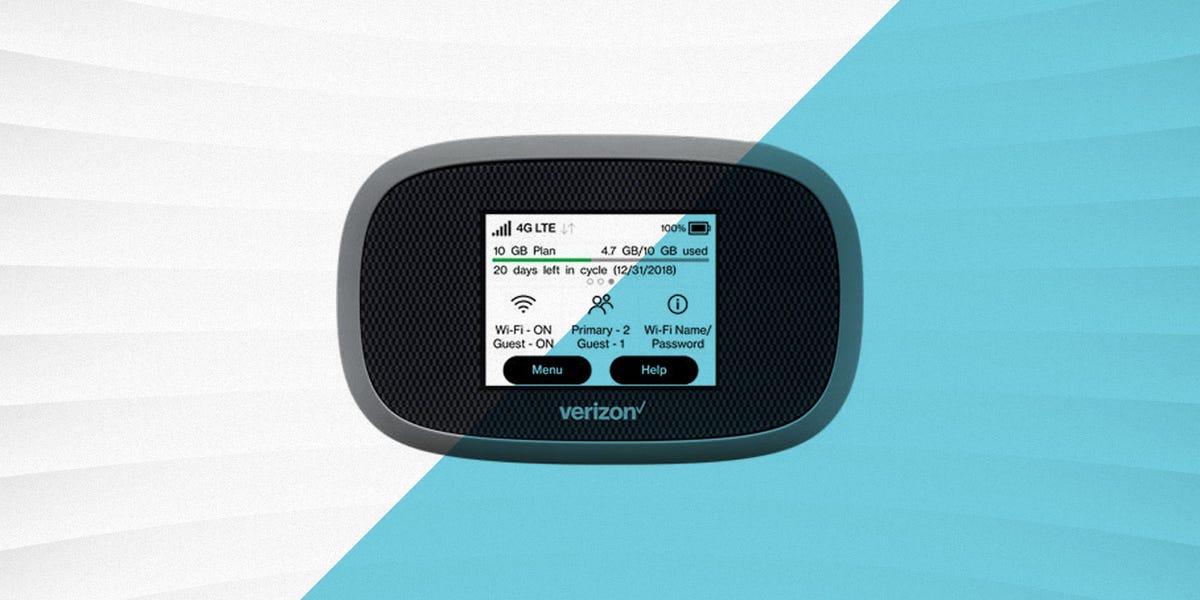
In 2023, a good mobile hotspot stopped being a “nice little travel gadget” and became something much more useful: a backup office, a road-trip survival tool, a remote-school lifesaver, and occasionally the only reason a video call did not turn into a pixelated interpretive dance performance. Whether you were working from an RV, traveling between cities, waiting for home internet installation, or simply tired of draining your phone battery with tethering, the best mobile hotspots of 2023 offered faster speeds, better security, longer battery life, and stronger multi-device support than ever before.
But choosing the right portable Wi-Fi hotspot was not as simple as picking the shiniest box on the shelf. The best hotspot for a Verizon customer was not always the best hotspot for an AT&T user. A global traveler had different needs than a gamer. A family of five streaming, browsing, and uploading photos needed more capacity than one person checking email from a hotel lobby. In other words, mobile hotspots are a little like shoes: the best one is the one that fits your actual life, not just the one with the fanciest label.
This guide breaks down the best mobile hotspots of 2023 by real-world use case, including 5G performance, battery life, carrier compatibility, portability, device support, Ethernet options, security, and value. The goal is not to crown one magical gadget for everyone. The goal is to help you pick the right pocket-sized internet machine before you are stuck in a parking lot whispering, “Please load,” to your laptop.
What Made a Great Mobile Hotspot in 2023?
The best mobile hotspots in 2023 had to do more than simply create a Wi-Fi signal. By this point, phones could already share internet through tethering, so a dedicated hotspot needed to justify its place in your backpack. The strongest models did that with better antennas, more reliable connectivity, support for multiple devices, stronger battery performance, and advanced network features such as 5G, Wi-Fi 6, Wi-Fi 6E, Ethernet, and external antenna ports.
5G vs. 4G LTE
In 2023, 5G hotspots were the premium choice for users who wanted faster downloads, lower latency, and stronger performance in busy areas. However, 4G LTE hotspots were still useful for budget buyers, occasional travelers, and people in areas where 5G coverage was limited. A great 4G LTE hotspot on a strong network could outperform a 5G hotspot in a weak coverage zone. Translation: the logo on the box matters, but the signal bars matter more.
Carrier Compatibility
Mobile hotspots usually work best when matched with the carrier network they were designed for. Verizon, AT&T, and T-Mobile each offered hotspot devices tuned for their own bands and plans. Unlocked hotspots provided more flexibility, especially for travelers, but buyers still needed to check supported bands, SIM requirements, and plan rules. A hotspot without the right data plan is basically a very confident paperweight.
Battery Life and Device Capacity
Battery life was another major factor. Some 5G hotspots could run through power quickly when used heavily, especially with several devices connected. Device capacity also mattered. A solo traveler might be fine with support for 10 devices, while a family or remote-work team might prefer a hotspot that supports 20, 30, or even 32 connections.
Best Overall Mobile Hotspot of 2023: Netgear Nighthawk M6 Pro
The Netgear Nighthawk M6 Pro was one of the most powerful mobile hotspots available in 2023. It was built for users who wanted premium performance, advanced features, and enough connectivity muscle to handle demanding tasks. With 5G support, Wi-Fi 6E capability, a 2.5 Gigabit Ethernet port, and support for up to 32 connected devices, the M6 Pro felt less like a simple hotspot and more like a serious travel router that happened to fit in a bag.
This was the kind of hotspot that made sense for remote professionals, small teams, content creators, RV travelers, and anyone who needed stronger connectivity than a basic phone hotspot could provide. The Ethernet port was especially useful for laptops, routers, gaming devices, or workstations that benefited from a wired connection. The removable battery also gave it an advantage over sealed devices, particularly for long workdays or semi-permanent setups.
The downside was price. The Nighthawk M6 Pro was not a casual impulse purchase. It was a premium device for people who truly needed premium features. If your internet needs were limited to checking email and sending a few messages, this hotspot was like buying a race car to pick up groceries. Fun? Absolutely. Necessary? Maybe not.
Best Verizon 5G Hotspot: Inseego MiFi X PRO 5G UW
For Verizon users, the Inseego MiFi X PRO 5G UW stood out as one of the strongest 5G mobile hotspots of 2023. It offered Verizon 5G Ultra Wideband support, Wi-Fi 6, a touchscreen interface, USB-C, Ethernet, and support for multiple connected devices. It was especially appealing for users who wanted a dedicated Verizon hotspot for work, travel, or home backup internet.
The MiFi X PRO was a practical balance of power and portability. It was not quite as “everything but the kitchen sink” as the most expensive unlocked hotspots, but it gave Verizon users a strong mix of modern features. The Ethernet port made it more flexible than simpler hotspots, and Wi-Fi 6 helped improve performance when multiple devices were connected.
This hotspot worked best for people already committed to Verizon’s network. If Verizon coverage was strong in your area, the MiFi X PRO could be a dependable tool for mobile work, road trips, and backup connectivity. If Verizon coverage was weak where you lived or traveled, however, no device could magically turn a poor signal into fiber internet. Hotspots are impressive, but they are not wizards wearing tiny antennas.
Best AT&T Hotspot: Netgear Nighthawk M6 Pro on AT&T
AT&T users in 2023 had a very strong option in the Netgear Nighthawk M6 Pro. On AT&T, the device offered 5G and 5G+ compatibility, switchable Wi-Fi 6 and Wi-Fi 6E capability, a removable rechargeable battery, and support for up to 32 devices. For people who worked on the go, needed a business-grade hotspot, or wanted a strong backup internet device, it was one of the most capable choices available.
The M6 Pro’s biggest advantage was versatility. It could serve as a travel hotspot, a temporary home internet solution, a small-office connectivity tool, or a reliable companion for conferences, trade shows, and outdoor work. Its touchscreen made management easier, while Ethernet helped users connect equipment that did not perform well over Wi-Fi alone.
Still, the same warning applied: it was expensive. The M6 Pro made the most sense for users who would genuinely benefit from advanced network support, wired connectivity, and multi-device performance. For lighter users, AT&T’s simpler hotspot options or phone tethering might have been enough.
Best T-Mobile 5G Hotspot: Franklin JEXtream RG2100
The Franklin JEXtream RG2100 was one of the most attractive 5G hotspot options for T-Mobile users in 2023. It supported Wi-Fi 6, dual-band connectivity, up to 20 devices, a 2.4-inch color display, USB-C charging, international bands, and a large 5,000 mAh battery. It was also more affordable than many premium 5G hotspots, which made it appealing for users who wanted modern connectivity without making their wallet cry softly in the corner.
This hotspot fit well for students, remote workers, travelers, and households that needed a backup connection. T-Mobile’s 5G network had broad reach in many areas, and the RG2100 gave users a dedicated way to use that network without relying on a phone. The power-bank feature added extra practicality, though users should treat it as an emergency bonus rather than a replacement for a real portable charger.
The RG2100’s best audience was someone who wanted solid 5G performance at a reasonable price. It was not the most advanced hotspot on the market, but it delivered a good mix of speed, battery, portability, and value for T-Mobile customers.
Best Budget Verizon Pick: Orbic Speed 5G UW
The Orbic Speed 5G UW was a strong value-focused option for Verizon users who wanted 5G without jumping straight to the most expensive hotspot. It supported Verizon’s 5G network, connected up to 30 Wi-Fi enabled devices, and offered a rechargeable battery designed for portable use. For users who wanted a straightforward Verizon hotspot for travel, backup internet, or shared family connectivity, the Orbic Speed 5G UW deserved attention.
The biggest advantage was simplicity. Not everyone needs a hotspot with enterprise security features, advanced router controls, or enough settings to make a networking engineer smile. Some people simply want to turn on a device, connect a laptop, and get online. The Orbic Speed 5G UW served that audience well.
It was best for casual to moderate users: families on road trips, people working from coffee shops, travelers who wanted a separate hotspot from their phone, or anyone who needed Verizon 5G access in a compact package. Heavy users and business travelers might still prefer the Inseego MiFi X PRO, but the Orbic was a practical choice for many everyday scenarios.
Best 4G LTE Hotspot Still Worth Considering: Verizon Jetpack MiFi 8800L
Even in a year filled with 5G excitement, the Verizon Jetpack MiFi 8800L remained worth discussing in 2023. It was a 4G LTE hotspot, not a 5G powerhouse, but it had earned a reputation as a reliable workhorse. For users in areas where Verizon LTE was strong and 5G was inconsistent, the MiFi 8800L could still be a practical and affordable option.
The MiFi 8800L was especially appealing for people who did not need cutting-edge speeds. Email, browsing, maps, messaging, light streaming, and basic remote work could all run well on a strong LTE connection. It also made sense for buyers looking at used or discounted devices, provided the unit was compatible with their account and in good condition.
The main limitation was future-proofing. By 2023, 5G hotspots were becoming the smarter long-term purchase for many users. But if budget mattered and LTE coverage was excellent, the MiFi 8800L still had a place in the conversation.
Best International Travel Hotspot: SIMO Solis Lite
The SIMO Solis Lite was a different kind of mobile hotspot. Instead of being tied to one major U.S. carrier in the usual way, it was designed for travelers who wanted portable Wi-Fi in many countries without juggling local SIM cards. It supported multiple devices, offered long battery life claims, and doubled as a power bank. For international travelers, digital nomads, and vacationers who did not want to play “find the SIM shop” after a long flight, that convenience was a big deal.
The Solis Lite was not the speed champion of 2023. Users looking for the fastest 5G performance in the United States were better served by carrier-specific 5G hotspots. But the Solis Lite’s strength was simplicity while traveling. Open the app, choose a data plan, connect your devices, and keep moving. That convenience made it popular with travelers who cared more about reliable access than benchmark bragging rights.
It was best for travel, not heavy home internet replacement. If you needed to upload huge video files every day, you would want to compare data plans carefully. But for maps, messaging, email, hotel backup Wi-Fi, and travel browsing, it was one of the easiest hotspot options to understand.
Best Unlocked Premium Hotspot: Netgear Nighthawk M6
The Netgear Nighthawk M6 was another standout in 2023, especially for buyers who wanted a premium unlocked hotspot but did not necessarily need every feature of the M6 Pro. It supported 5G, Wi-Fi 6, multiple devices, Ethernet, and strong router-style controls. For many people, the M6 offered a better balance of performance and price than the Pro version.
An unlocked hotspot is useful for users who travel, switch plans, test different carriers, or want more control over their mobile internet setup. However, “unlocked” does not mean “works perfectly with everything everywhere.” Buyers still needed to verify cellular bands, carrier policies, data plans, and activation rules.
The Nighthawk M6 was a strong choice for tech-savvy users who wanted flexibility. It was also a good fit for RV users and remote workers who understood that antennas, placement, and carrier coverage can matter as much as the device itself.
How to Choose the Best Mobile Hotspot for Your Needs
Choose by Carrier First
Start with the carrier that works best where you actually go. A hotspot is only as good as the network behind it. Before buying, check coverage maps, ask local users, and consider your normal travel routes. The best Verizon hotspot may disappoint in a T-Mobile-strong area, and the best T-Mobile hotspot may underperform where AT&T dominates.
Match the Hotspot to Your Use Case
If you work remotely, prioritize battery life, Ethernet, external antenna support, and strong security. If you travel internationally, prioritize flexible data plans and country support. If you need family road-trip Wi-Fi, look for easy setup and support for many devices. If you only need occasional backup internet, a less expensive LTE hotspot may be enough.
Check the Data Plan Carefully
The device is only half the purchase. Data plans can include limits, throttling, deprioritization, streaming restrictions, and hotspot-specific rules. A fast hotspot on a tiny data plan is like owning a sports car with one cup of gas. It looks exciting, but the adventure ends quickly.
Think About Placement
Hotspots usually perform better near windows, outside obstructions, or in areas with stronger signal. In a hotel room, moving the hotspot six feet can sometimes make a surprising difference. In an RV, placement and antenna options can be the difference between a usable Zoom call and a frozen face that makes you look deeply concerned about spreadsheets.
Quick 2023 Buying Recommendations
- Best overall premium pick: Netgear Nighthawk M6 Pro
- Best Verizon 5G hotspot: Inseego MiFi X PRO 5G UW
- Best AT&T hotspot: Netgear Nighthawk M6 Pro
- Best T-Mobile value 5G hotspot: Franklin JEXtream RG2100
- Best simple Verizon 5G option: Orbic Speed 5G UW
- Best LTE bargain pick: Verizon Jetpack MiFi 8800L
- Best international travel hotspot: SIMO Solis Lite
Real-World Experience: What It Was Like Using Mobile Hotspots in 2023
Using a mobile hotspot in 2023 was a little bit like traveling with a very tiny, very moody internet roommate. When everything worked, it felt magical. You could open a laptop in a parked car, at a campsite, in a hotel with terrible Wi-Fi, or at a relative’s house where the router appeared to have been purchased during the dial-up era. Within seconds, your devices were online. Your email loaded. Your cloud files synced. Your video meeting worked. You felt powerful, modern, and possibly too proud of a plastic rectangle.
The first lesson from real-world hotspot use was that signal quality mattered more than marketing claims. A 5G hotspot could be incredibly fast in the right location, but speeds changed dramatically from one street to the next. Near a strong 5G tower, premium devices like the Nighthawk M6 Pro or MiFi X PRO could feel like serious broadband replacements. In a weak-signal building, even the best hotspot could slow down. The practical move was always to test different locations: near a window, upstairs, outside, or on the side of the building facing the nearest tower. It was not glamorous, but neither is holding your laptop in the kitchen because that is where the internet gods live.
The second lesson was that dedicated hotspots were better than phone tethering for longer sessions. A phone hotspot was fine for quick use, but it drained battery, heated the phone, interrupted normal phone use, and sometimes struggled with multiple connected devices. A dedicated hotspot handled the job more gracefully. It let the phone stay free for calls, photos, navigation, and doom-scrolling during lunch breaks. For remote workers, that separation was valuable.
The third lesson was that battery estimates were best treated as optimistic. Real battery life depended on signal strength, 5G vs. LTE use, number of connected devices, screen brightness, temperature, and whether people were casually browsing or aggressively uploading video files like they were feeding a hungry cloud monster. Carrying a USB-C charger, power bank, or spare battery was smart, especially for travel days.
The fourth lesson was that Ethernet was surprisingly useful. Many people think of hotspots as Wi-Fi-only gadgets, but Ethernet ports on models like the Nighthawk M6 Pro and MiFi X PRO added flexibility. A wired connection could improve stability for video meetings, connect a travel router, or support devices that behaved better with cable than Wi-Fi. It also helped when using a hotspot as temporary home internet after a move, outage, or service delay.
The fifth lesson was that data management mattered. Hotspots made it dangerously easy to forget you were using cellular data. A laptop update, cloud backup, streaming app, or automatic photo sync could devour data quickly. Smart users paused automatic updates, lowered streaming quality, monitored usage, and set device limits. Nobody wants to discover that a “quick work session” turned into a data-plan crime scene.
Finally, the best experience came from choosing a hotspot based on lifestyle rather than hype. A frequent traveler might love the SIMO Solis Lite for convenience. A Verizon power user might prefer the MiFi X PRO. A T-Mobile customer wanting affordable 5G might be happy with the Franklin JEXtream RG2100. A remote worker who needed Ethernet, Wi-Fi 6E, and serious performance might justify the Nighthawk M6 Pro. The best mobile hotspot of 2023 was not always the fastest one. It was the one that kept you connected when Wi-Fi disappeared, deadlines appeared, and your laptop looked at you like, “Well, what now?”
Conclusion
The best mobile hotspots of 2023 proved that portable internet had grown up. These devices were no longer just travel accessories for tech enthusiasts. They became practical tools for remote work, family trips, business travel, RV life, emergency backup internet, and international connectivity. The Netgear Nighthawk M6 Pro led the premium category with advanced features and serious performance. The Inseego MiFi X PRO 5G UW was a strong Verizon pick. The Franklin JEXtream RG2100 gave T-Mobile users an affordable 5G option. The Orbic Speed 5G UW offered simple Verizon value. The SIMO Solis Lite made international travel easier. And older LTE devices like the MiFi 8800L still had value for budget-conscious users in strong LTE areas.
The smartest buying strategy was simple: choose the network first, then the device, then the plan. A great hotspot on a weak network will disappoint. A strong network with the wrong data plan will frustrate you. But the right combination can make mobile internet feel wonderfully boring, which is exactly what good internet should be. It should just work, quietly, while you do something more interesting than staring at a loading wheel.