Note: This article is written as an original, web-ready editorial based on real public information about The Ben Stiller Show, its Fox run, cancellation, Emmy recognition, cast, writing team, and later cult reputation.
Introduction: The Comedy Show That Lost the Ratings Game but Won the Future
Some TV failures are easy to understand. A talking car with trust issues? Sure. A sitcom about a haunted microwave? Probably deserved its fate. But The Ben Stiller Show is one of those rare television “failures” that makes you squint at history and ask, “Wait, did the show fail, or did television fail the show?”
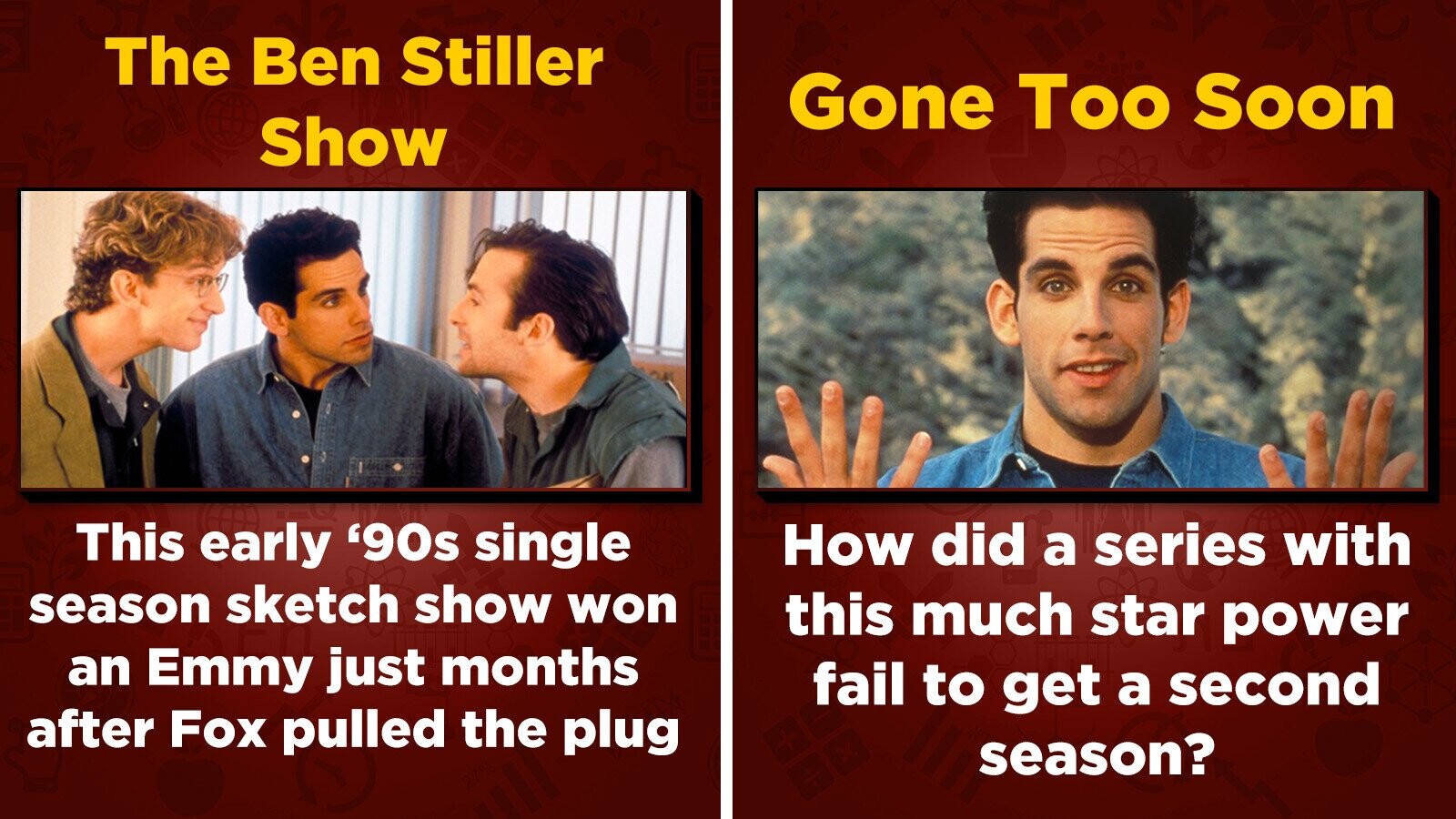
Airing on Fox in the early 1990s, The Ben Stiller Show lasted only one season, produced 13 episodes, and disappeared from the schedule before it could become a mainstream hit. On paper, that sounds like a flop. In reality, it became one of the most admired sketch comedy shows of its era, won an Emmy for writing after cancellation, and helped launch or elevate the careers of Ben Stiller, Judd Apatow, Janeane Garofalo, Bob Odenkirk, Andy Dick, David Cross, Dino Stamatopoulos, and other comedy minds who later shaped American humor.
So how did The Ben Stiller Show possibly fail? The answer is a deliciously strange mix of timing, scheduling, network expectations, audience habits, and a style of comedy that was just a little too smart, too referential, and too ahead of the curve for early-’90s broadcast TV. It was not a show built to gently tap viewers on the shoulder. It was built to grab pop culture by the lapels and say, “You know this is ridiculous, right?”
What Was The Ben Stiller Show?
The Ben Stiller Show was a sketch comedy series created by Ben Stiller and Judd Apatow. Before the Fox version, Stiller had a brief MTV incarnation in 1990, where his interest in short films, parodies, and entertainment satire had room to stretch. The Fox version arrived in 1992 with a cast that now reads like a comedy nerd’s dream lineup: Ben Stiller, Janeane Garofalo, Andy Dick, Bob Odenkirk, and recurring performers including John F. O’Donohue.
The show spoofed movies, TV programs, commercials, celebrities, music videos, Hollywood ego, and the artificial shine of entertainment culture. It was not simply a series of goofy wigs and catchphrases. It often built sketches like miniature films, complete with camera style, editing rhythms, fake promotional language, and carefully observed pop-culture details.
In an era when sketch comedy was often expected to happen in front of an audience, The Ben Stiller Show leaned heavily into pre-taped segments. It had a cinematic feel. Many sketches looked less like stage bits and more like lost trailers, fake TV specials, or alternate-universe cable programming. That made it feel fresh, but also made it harder to categorize for viewers expecting the familiar rhythm of setup, laugh, applause, repeat.
The Cast Was a Comedy Time Capsule
Part of the fascination with The Ben Stiller Show is how casually stacked the talent was. At the time, the cast and writers were not yet the giant names they would become. Looking back, the show feels like someone accidentally assembled a comedy Avengers team and then forgot to tell America to watch.
Ben Stiller: The Pop-Culture Mimic with Director Energy
Ben Stiller was not just performing sketches; he was shaping the visual grammar of the show. His parodies often worked because he understood not only the celebrities he impersonated but also the cinematic worlds around them. A Tom Cruise spoof was not merely “Ben makes a Tom Cruise face.” It was about the lighting, the intensity, the absurd sincerity, and the promotional mythology that surrounded stars in the late ’80s and early ’90s.
Janeane Garofalo: Dry Wit in a Loud Room
Janeane Garofalo brought a deadpan intelligence that balanced the show’s more frantic energy. Her presence helped define the Gen X comedy attitude: skeptical, sharp, allergic to phoniness, and unimpressed by celebrity worship. She did not need to shout to be funny. Sometimes her funniest weapon was simply looking like she had already noticed how dumb everything was before anyone else entered the room.
Bob Odenkirk: A Writer-Performer Built for Odd Angles
Bob Odenkirk’s involvement is especially important because the show’s layered sketch style foreshadowed the alternative comedy explosion that followed. Odenkirk would later become a key creative force behind Mr. Show with Bob and David, and you can feel early traces of that sensibility here: fake sincerity, strange premises treated with total seriousness, and a willingness to let a joke become more complicated instead of simpler.
Why Critics Loved It
Critics responded strongly to The Ben Stiller Show because it offered something network comedy did not usually provide: satire with teeth and craft. The show’s best sketches did more than point at celebrities and say, “Look, famous person funny.” They mashed up cultural references in ways that exposed how entertainment itself was becoming a recycling machine.
Sketches such as “Cape Munster,” a parody blending Cape Fear with The Munsters, worked because the joke was both silly and weirdly precise. “U2: The Early Years” imagined Bono inside the cheerful world of The Partridge Family, turning rock-star seriousness into sitcom absurdity. “Die Hard 12: Die Hungry” mocked action-franchise excess before Hollywood had fully exhausted the joke itself. The show could be ridiculous, but its ridiculousness had a target.
That is one reason The Ben Stiller Show still matters. It understood that pop culture was not just entertainment; it was a language. The show spoke that language fluently, then deliberately mispronounced it for laughs.
So Why Did The Ben Stiller Show Fail?
The simplest answer is ratings. Fox canceled the show because not enough people watched it. But that explanation is like saying the Titanic sank because it got wet. Technically true, emotionally incomplete.
1. The Scheduling Was Brutal
The show aired in a difficult slot, competing for attention in a TV landscape where viewers were still loyal to established network habits. Early-’90s audiences did not have streaming, DVRs, or social media clips to help a strange little comedy show find its tribe. If people missed an episode, they missed it. If they did not know the show existed, no algorithm arrived with a helpful “Because you watched weird satire at 1:00 a.m.” recommendation.
For a sketch series that depended on a specific comic taste, discovery mattered. Unfortunately, broadcast television at the time was not built for slow-burn cult development. It wanted numbers, and it wanted them quickly. The Ben Stiller Show needed time to gather the comedy nerds. Fox needed a reason not to panic.
2. It Was Too Specific for Casual Viewing
The show’s greatest strength may also have been its commercial weakness. A parody becomes funnier when viewers recognize the references. The Ben Stiller Show often assumed its audience understood movie trailers, music-video tropes, celebrity personas, network television clichés, and the weird emotional temperature of late-20th-century media.
That made the show rewarding for people who loved comedy and pop culture, but not always easy for casual viewers who simply wanted broad, immediate laughs. This was not “a guy walks into a bar” comedy. This was “what if an overproduced cable special, a paranoid Oliver Stone fantasy, and a sitcom memory had a baby, and that baby had a development deal?” comedy.
3. It Did Not Fit the Network Sketch Comedy Mold
Unlike traditional sketch shows with live audiences and familiar stage energy, The Ben Stiller Show often felt like a collection of short films. That style is common now. Modern viewers are used to pre-taped sketches, viral comedy videos, fake ads, mock trailers, and high-concept digital shorts. In 1992, however, that rhythm could feel unusual on network TV.
The absence of a standard laugh-track feel was part of its coolness. It trusted the audience to get the joke without being told exactly when to laugh. Admirable? Absolutely. Risky for a young Fox comedy trying to survive? Also absolutely.
4. Fox Was Still Finding Its Identity
Fox in the early 1990s was bold, scrappy, and willing to take chances, but it was still building itself against the bigger broadcast networks. The same adventurous spirit that allowed a show like The Ben Stiller Show to exist also created pressure. If an experiment did not produce quick results, it could be removed before it had time to grow.
The network had room for edgy programming, but edge alone did not guarantee patience. A strange sketch show with critical praise and low ratings was still low-rated television. In broadcast math, “brilliant but underwatched” often equals “please pack your wigs and exit through accounting.”
The Emmy Win That Made the Cancellation Look Even Stranger
The most famous twist in the story is that The Ben Stiller Show won the 1993 Primetime Emmy Award for Outstanding Writing in a Variety or Music Program after it had already been canceled. That is the kind of irony television historians keep in a glass case.
The writing team included Ben Stiller, Judd Apatow, Bob Odenkirk, David Cross, Dino Stamatopoulos, Robert Cohen, Brent Forrester, Jeff Kahn, Bruce Kirschbaum, and Sultan Pepper. In hindsight, that list looks less like a canceled-show staff and more like a comedy seed bank.
The Emmy did not save the show, but it changed the meaning of its failure. It confirmed what fans and critics had already suspected: this was not a bad show that vanished because nobody cared. It was a sharp show that disappeared because the TV marketplace did not know how to protect it.
Was the Show Actually Ahead of Its Time?
“Ahead of its time” can be a lazy phrase. Sometimes it means “people did not like it, and now we need a nicer explanation.” But with The Ben Stiller Show, the phrase fits. Its DNA appears all over later comedy: pop-culture mashups, fake commercials, anti-celebrity satire, cinematic sketch production, ironic sincerity, and the sense that entertainment itself is the joke.
You can draw lines from The Ben Stiller Show to Mr. Show, to alternative comedy, to the best pre-taped Saturday Night Live shorts, to internet sketch channels, to parody videos designed for obsessive rewatching. The show understood something early: modern comedy would not only make jokes about characters; it would make jokes about formats.
That is why the series still feels oddly modern. Some celebrity references are dated, of course. Time comes for every punchline eventually, wearing cargo shorts and carrying a Blockbuster card. But the method remains current. The show’s instinct to parody media language itself was not a dead end. It was a preview.
The Cult Legacy: Failure With Excellent Aftertaste
The word “cult” gets thrown around a lot, but The Ben Stiller Show earned it honestly. It did not become a massive hit. It did not run for years. It did not dominate watercooler conversation. Instead, it became one of those shows passed between comedy fans like a secret menu item.
The later DVD release helped cement its reputation, allowing viewers to finally watch the complete Fox run as a body of work rather than a half-remembered oddity. When seen together, the episodes reveal a show that was uneven in the way ambitious sketch comedy often is. Not every idea lands. Some sketches stretch too far. Some references require a museum placard. But the best material is so inventive that the misses feel like evidence of a show actually trying things.
That matters. Safe comedy often ages poorly because it was designed only to avoid risk. The Ben Stiller Show aged well because even its flaws are interesting. It swings. Sometimes it misses. Sometimes it hits the ball into a neighboring sitcom.
How the Show Shaped Later Careers
One of the clearest signs of the show’s importance is what happened afterward. Ben Stiller became a major film comedy figure with projects such as Reality Bites, Zoolander, Meet the Parents, Tropic Thunder, and later acclaimed directing work in television. Judd Apatow became one of the most influential comedy producers and filmmakers of the 2000s. Bob Odenkirk went from cult sketch hero to acclaimed dramatic actor through Breaking Bad and Better Call Saul. Janeane Garofalo became a defining voice of ’90s alternative comedy and indie-film culture.
The show did not make all these careers by itself, but it created a creative crossroads. It gathered people who understood that comedy could be smarter, stranger, and more media-aware than mainstream TV usually allowed. The cancellation ended the series, but it did not end the creative relationships, instincts, or influence it helped generate.
Why It “Failed” Commercially but Succeeded Artistically
To understand The Ben Stiller Show, it helps to separate commercial failure from artistic failure. Commercially, the show failed because it could not attract a large enough audience quickly enough to satisfy a broadcast network. Artistically, it succeeded because it created memorable work, influenced future comedy, won major industry recognition, and remains discussed decades later.
Most canceled shows simply vanish. The Ben Stiller Show did the opposite. Its reputation grew. That is the strange power of being too distinctive. A bland failure leaves no fingerprints. A bold failure leaves evidence.
Conclusion: The Show Did Not Fail the Way We Think It Did
The Ben Stiller Show failed only if success means staying on the air for many seasons and winning the weekly ratings race. By every richer measurecreative ambition, talent discovery, influence, originality, and long-term admirationit succeeded spectacularly.
The show was canceled because it lived in the wrong era for its style. It needed replay culture, online clips, niche audiences, and a world where comedy fans could find each other instantly. Instead, it had one shot on broadcast television, a difficult schedule, and an audience that was still being trained to expect sketch comedy in a more traditional package.
Today, its “failure” looks less like a verdict and more like a scheduling error with consequences. The Ben Stiller Show was too weird to be safe, too smart to be broad, and too early to benefit from the platforms that would have loved it. In other words, it was exactly the kind of failure comedy history remembers fondly.
Experience Notes: Watching The Ben Stiller Show Today
Watching The Ben Stiller Show now is a strangely enjoyable experience because it feels both dated and futuristic at the same time. The dated part is obvious: the celebrity targets, the pop-culture references, the texture of early-’90s television, the chunky editing, the cable-era attitude, and the sense that everyone involved had recently consumed a heroic amount of MTV. But the futuristic part sneaks up on you. The show’s structure feels incredibly familiar to anyone raised on internet comedy. Fake commercials, mock trailers, celebrity mashups, absurd genre collisions, and short-form satire are now basic comedy vocabulary. In 1992, they were still unusual enough to make the show feel like it had escaped from a cooler timeline.
The experience is also a reminder that comedy does not always age according to fairness. Some topical jokes lose their electricity because the target has faded. Younger viewers may not instantly understand why a Bono parody, an Oliver Stone gag, or a Cape Fear spoof mattered. Yet the energy behind those jokes is still clear. The performers are not just copying famous people; they are mocking the machinery that turns famous people into brands, myths, and self-serious monuments. That idea has aged beautifully, probably because celebrity culture has only become louder, shinier, and more allergic to embarrassment.
Another pleasure is watching the cast before their later careers hardened into public identities. Ben Stiller has the eagerness of someone trying to prove he can direct, perform, impersonate, and produce all at once. Janeane Garofalo radiates the dry, skeptical intelligence that would define so much ’90s comedy. Bob Odenkirk already has the rhythm of a performer who knows how to make a ridiculous idea sound like a legal argument. Judd Apatow’s presence behind the scenes gives the show an extra layer of historical charm, because you can see early traces of the comedy network that would later reshape movies and TV.
The unevenness is part of the fun. Modern viewers sometimes expect every sketch to be instantly clipped, captioned, and optimized. The Ben Stiller Show comes from a looser world. Some bits ramble. Some premises are funnier than their endings. Some jokes feel like a writers’ room dared itself to combine three references no sane person would combine. But that experimentation is exactly why the show remains interesting. It feels handmade by people who would rather risk a strange failure than deliver a predictable half-laugh.
Ultimately, revisiting The Ben Stiller Show is like opening a time capsule and finding a map. The capsule shows us the early ’90s: the stars, commercials, movies, and TV habits of the moment. The map points forward to modern sketch comedy, online parody, alternative humor, and the idea that the format of media can be just as funny as the content. That is why the show’s cancellation still feels absurd. It may not have found a mass audience in its original run, but it found something more durable: the respect of people who care about how comedy evolves. Not bad for a “failure.” Not bad at all.