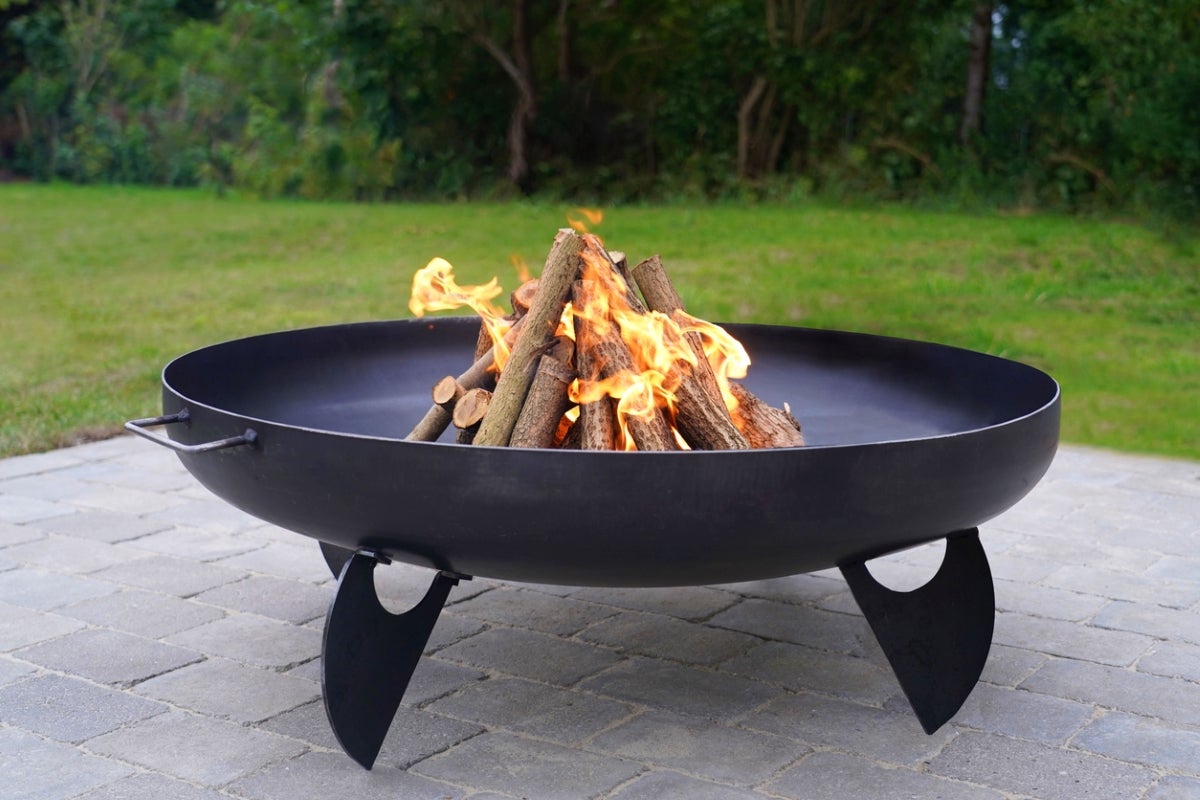
A fire pit is already a backyard superstar. It brings warmth, light, snacks, storytelling, and that primal satisfaction of staring into flames like you are the wise elder of a very comfortable patio tribe. But the right fire pit accessories? Those are what turn a smoky metal bowl into a safe, stylish, marshmallow-friendly outdoor living space.
Whether you own a smokeless fire pit, a classic steel bowl, a stone fire ring, a gas fire table, or a portable camping model, accessories can make your setup safer, cleaner, warmer, easier to cook on, and much less likely to become a “why is there ash in my iced tea?” situation. The best fire pit accessories are not just decorative extras. They solve real problems: flying sparks, wet covers, unstable flames, hot tools, scattered wood, messy ash, and guests who think a plastic chair belongs two inches from open fire. Spoiler: it does not.
Below are the nine fire pit accessories worth adding first, with practical buying tips, real-life examples, and a few hard-earned backyard lessons.
Why Fire Pit Accessories Matter
A good fire pit creates atmosphere. A well-accessorized fire pit creates control. That difference matters because open flames are beautiful, but they are also wildly uninterested in your patio furniture budget. A spark screen helps contain embers. Heat-resistant gloves protect your hands. A weatherproof cover keeps rain, leaves, and mystery backyard debris out of the bowl. A cooking grate turns the fire into dinner. A heat deflector makes warmth go where people actually sit instead of straight up into the sky, where no one is wearing a hoodie.
Before shopping, measure your fire pit carefully. Diameter, depth, burner size, rim shape, and manufacturer compatibility all matter. A 30-inch spark screen on a 36-inch pit is not “close enough”; it is a hat that does not fit. For gas fire pits, make sure accessories are approved for gas use and do not block ventilation. For wood-burning pits, prioritize steel, stainless steel, cast iron, heat-rated silicone, and flame-resistant materials.
The 9 Best Fire Pit Accessories
1. Spark Screen or Ember Guard
If you buy only one fire pit accessory for a wood-burning setup, make it a spark screen. This mesh cover sits over the fire and helps keep popping embers, ash, and sparks inside the pit. It is especially useful when burning wood that crackles, when the breeze picks up, or when everyone is gathered around in fleece jackets that are technically clothing but spiritually kindling.
Look for a spark screen made from heavy-duty steel or stainless steel mesh with a sturdy top handle. Hinged screens are convenient because they let you add wood without lifting the whole hot cover. Dome-shaped screens work well for round fire bowls, while square or rectangular screens fit built-in pits and fire tables. The screen should sit securely on the rim without wobbling.
Best for: Wood-burning fire pits, family gatherings, breezy patios, and anyone who enjoys eyebrows in their original condition.
2. Heat-Resistant Gloves
Fire pit gloves are the unsung heroes of outdoor entertaining. They help you handle hot tools, adjust grates, move a spark screen, shift firewood, or rescue a roasting stick before it becomes modern art. Regular oven mitts are not enough for serious fire pit use. Outdoor fire gloves should be long, insulated, flexible, and rated for high heat.
Leather gloves are durable and excellent for handling logs and tools. Aramid-fiber gloves offer strong heat resistance and dexterity. Some gloves include silicone grip patterns, which are helpful when handling metal tools or cast iron. Choose gloves that extend past the wrist; sparks have a special talent for landing exactly where short gloves end.
Best for: Anyone who tends the fire, cooks over flames, or has ever said, “It’s probably cool enough,” and immediately regretted it.
3. Long-Handled Poker and Firewood Tongs
A fire poker is the steering wheel of a wood fire. It lets you reposition logs, open airflow, break apart collapsing wood, and keep flames burning evenly. Firewood tongs add even more control because they allow you to grip and move logs instead of poking them like a confused raccoon with a stick.
Choose a poker at least 26 to 30 inches long for a typical backyard pit. Larger pits may need a longer tool. Solid steel is better than flimsy hollow metal, and a hooked end is useful for pulling logs into position. Tongs should open wide enough for your usual firewood size and have a firm hinge that does not wobble under weight.
Best for: Wood-burning fire pits, larger logs, better airflow, and hosts who like to look calmly competent while managing actual fire.
4. Weatherproof Fire Pit Cover
A fire pit cover is less glamorous than a grill grate or heat deflector, but it may be the accessory that saves you the most money over time. Rainwater, snow, leaves, pollen, dust, and UV exposure can shorten the life of your pit. A cover helps prevent rust, keeps the burn area cleaner, and saves you from scooping out a soggy leaf stew before every gathering.
For best results, choose a waterproof or water-resistant cover with UV protection, reinforced seams, and a secure drawstring, buckle, or elastic hem. The fit should be snug but not stretched like yoga pants after Thanksgiving dinner. If you have a gas fire table, make sure the cover is shaped for the table and leaves room for control knobs or raised edges.
Best for: Year-round protection, rainy climates, off-season storage, and anyone tired of discovering that squirrels treat uncovered fire pits as suggestion boxes.
5. Cooking Grate or Grill/Griddle Insert
A cooking grate transforms your fire pit from “nice place to sit” into “outdoor kitchen with better vibes.” Simple grill grates are great for burgers, hot dogs, foil packets, corn, skewers, and cast iron pans. Griddle inserts add a flat cooking surface for breakfast, smash burgers, quesadillas, pancakes, or vegetables that would otherwise dive heroically between the bars.
Cast iron holds heat beautifully and develops great seasoning, but it is heavy and needs maintenance. Stainless steel is easier to clean and resists rust. Adjustable grates are especially useful because they let you raise or lower food depending on flame intensity. Always check compatibility with your specific fire pit model, especially for smokeless pits, because airflow matters.
Best for: Backyard dinners, camping-style meals, s’mores nights with ambition, and people who believe every outdoor flame is secretly a restaurant.
6. Heat Deflector
Many modern smokeless fire pits burn efficiently, but they often send heat upward. That is wonderful news for passing clouds and less wonderful for your knees. A heat deflector sits above the fire and redirects radiant warmth outward toward the people sitting around the pit.
Heat deflectors are usually made of stainless steel and designed for specific fire pit models or size ranges. They are especially helpful in colder seasons, on open patios, or with smokeless fire pits that produce a strong vertical flame. Look for stable legs, durable construction, and a design that still allows you to add wood or tend the fire safely.
Best for: Smokeless fire pits, chilly evenings, shoulder-season entertaining, and guests who keep saying, “My face is hot but my feet are emotionally abandoned.”
7. Fire Pit Mat or Heat Shield
A fire pit mat or heat shield protects the surface under and around your fire pit. This is important on decks, patios, pavers, grass, and composite surfaces. Heat, sparks, and falling embers can scorch materials or leave permanent marks. A good mat creates a buffer between your pit and the ground below.
Choose a mat rated for high heat and outdoor use. For wood decks or composite decking, check both the mat instructions and the fire pit manufacturer’s guidelines. Some fire pits still require a stand or additional clearance. On grass, a mat can help reduce scorching, but it does not make dry grass magically fireproof. Fire is not impressed by optimism.
Best for: Deck protection, portable fire pits, patios, campsites, and renters who want their security deposit to remain a happy memory.
8. Firewood Rack, Log Carrier, and Kindling Storage
Firewood looks rustic and charming until it is wet, scattered, bug-filled, or leaning against the house like a termite buffet. A firewood rack keeps logs elevated, organized, and better ventilated. Add a log carrier and suddenly bringing wood to the patio feels less like a lumberjack audition.
For outdoor storage, choose a powder-coated steel rack with a weather-resistant cover. The rack should keep wood off the ground to improve airflow and reduce moisture. A canvas or waxed log carrier makes it easier to move wood without leaving bark confetti through the kitchen. Small bins or boxes for kindling and natural fire starters keep your setup tidy and ready.
Best for: Wood-burning pits, frequent users, cleaner patios, and anyone who has carried firewood in their arms and arrived looking like they wrestled a tree.
9. Ash Bucket, Shovel, and Fire-Safety Kit
Ash cleanup is not glamorous, but neither is a patio covered in gray dust. A metal ash bucket with a lid and small shovel gives you a safe place to collect cooled ashes. Pair it with a basic safety kit: a nearby hose, sand bucket, or appropriate fire extinguisher. This is not overkill. It is responsible hosting with a side of common sense.
Only remove ash once the fire pit is completely cool. Use a metal bucket, not plastic, cardboard, or a paper bag. Store the bucket away from combustible materials until you are sure everything is cold. A small shovel helps clean corners and ash pans. For smokeless pits with removable ash trays, cleanup is easier, but the same cooling rule applies.
Best for: Safe cleanup, regular wood-fire users, responsible homeowners, and people who prefer their emergency plan to be more advanced than “panic gracefully.”
How to Choose the Right Fire Pit Accessories
Match Accessories to Your Fire Pit Type
Wood-burning fire pits need spark control, ash management, fire tools, and wood storage. Smokeless fire pits benefit from heat deflectors, compatible cooking rings, ash pans, and brand-specific shields. Gas fire pits often need glass wind guards, weatherproof covers, lava rock or fire glass approved by the manufacturer, and burner-safe accessories. Portable camping fire pits need compact tools, carrying cases, heat mats, and lightweight cooking gear.
Prioritize Safety Before Style
A sleek patio setup is great, but safety accessories come first. Start with a spark screen for wood fires, gloves, long-handled tools, a heat-safe surface, and an extinguishing method nearby. After that, add comfort and cooking upgrades. Think of it as the fire pit accessory pyramid: safety at the bottom, snacks at the top, and somewhere in the middle, that one friend insisting they know the perfect log arrangement.
Check Material Quality
Outdoor accessories live a hard life. They face heat, rain, smoke, ash, mud, sunlight, and occasionally a guest who uses the poker like a sword. Stainless steel, powder-coated steel, cast iron, heavy canvas, and thick waterproof fabrics usually last longer than bargain-bin materials. If the accessory will touch flames or hot metal, confirm it is heat-rated.
Think About Storage
Even the best accessories become clutter if they have nowhere to live. A deck box, tool rack, storage bench, or covered shelf helps keep everything organized. Keep gloves dry, tools accessible, and cooking surfaces protected from moisture. A tidy fire pit station makes spontaneous gatherings easier because you are not hunting for the lighter while everyone stares at a pile of unlit wood.
Common Fire Pit Accessory Mistakes to Avoid
The first mistake is buying accessories without measuring. Diameter and shape matter. A round grate may not fit a square pit, and a universal cover may be universally annoying if it blows away in the first storm. The second mistake is using indoor tools outdoors. Thin kitchen tongs, short oven mitts, and decorative fireplace tools may not be suitable for real backyard heat.
The third mistake is assuming smokeless means risk-free. Smokeless fire pits still produce flames, heat, embers, and hot metal. They need clearance, stable surfaces, dry fuel, and time to cool. The fourth mistake is ignoring local rules. Some cities, neighborhoods, and homeowners associations restrict open burning, wood smoke, fire pit placement, or use during dry conditions. Check before you light.
Finally, do not use gasoline, lighter fluid, or other accelerants in a fire pit. Natural fire starters, dry kindling, and seasoned hardwood are safer and cleaner choices. Your goal is a cozy evening, not a backyard special effects demonstration.
Best Fire Pit Accessories by Need
For Safety
Start with a spark screen, heat-resistant gloves, long-handled poker, fire pit mat, and fire extinguisher or sand bucket. These accessories help reduce risk and give you better control over the fire.
For Cooking
Choose a grill grate, griddle insert, cast iron pan, roasting sticks, long tongs, and heat-safe gloves. If you plan to cook often, consider accessories designed specifically for your fire pit model.
For Warmth
A heat deflector is the star here, especially for smokeless fire pits. Wind guards can also help stabilize flames on gas fire tables, while thoughtful seating placement keeps guests warm without crowding the fire.
For Maintenance
A fitted cover, ash bucket, shovel, brush, and storage rack make maintenance easier. Clean tools and protected surfaces help your fire pit last longer and look better.
Experience Notes: What Actually Makes a Fire Pit Setup Better
After using different fire pit setups over many backyard evenings, one lesson becomes obvious: the best accessory is the one that removes friction. A beautiful fire pit that is annoying to start, messy to clean, or uncomfortable to sit around will not get used as much as a simpler setup that works smoothly. The magic is not just in the flames. It is in the preparation.
A spark screen changes the mood immediately. Without one, people tend to lean back every time the wood pops. With one, guests relax. Parents stop scanning the air for rogue embers. The person wearing the expensive sweater looks less betrayed by nature. It is a small upgrade, but it creates a safer feeling around the entire patio.
Gloves and proper tools are another major improvement. Before owning long fire tongs, many people try to adjust logs with whatever is nearby: a stick, a short poker, a grilling fork, or pure misplaced confidence. Long-handled tools let you manage the fire calmly. The fire burns better because logs are positioned properly, and you avoid the awkward dance of reaching toward flames while pretending everything is fine.
A cover is the accessory you appreciate most on the day you do not use it. An uncovered pit collects rain, leaves, bugs, pollen, and ash sludge. Once that happens, starting a fire becomes a chore. With a fitted cover, the pit is ready when you are. That means more quick weeknight fires, more casual gatherings, and fewer “maybe next weekend” moments.
Cooking accessories create the biggest “wow” factor. People expect marshmallows. They do not expect grilled flatbread, cast iron nachos, breakfast potatoes, or popcorn over the fire. A grate or griddle turns the fire pit into an experience, not just a heat source. The trick is to keep cooking simple. Fire pit cooking is not the time for a delicate soufflé unless your hobby is emotional collapse. Start with sturdy foods: sausages, corn, foil packets, burgers, vegetables, and s’mores.
Heat deflectors are especially useful for smokeless fire pits. Many first-time users are surprised that a hot fire can still leave people chilly from the waist down. A deflector pushes warmth outward and makes the seating area more comfortable. It can extend fire pit season into cool spring and fall nights, which is when fires feel most satisfying anyway.
Finally, cleanup tools determine whether tomorrow-you respects tonight-you. A metal ash bucket, small shovel, and safe disposal routine keep the patio neat and make the next fire easier. It may not be glamorous, but neither is scraping wet ash out of a pit with a dustpan while questioning your life choices. The best fire pit setup is not the most expensive one. It is the one that feels safe, easy, warm, and ready for one more log.
Conclusion
The best fire pit accessories upgrade more than the fire. They upgrade the whole ritual: gathering wood, lighting the flame, cooking snacks, staying warm, protecting your patio, cleaning up, and doing it all again next weekend. Start with the essentials: a spark screen, gloves, poker, cover, and safety kit. Then add comfort and fun with cooking grates, heat deflectors, mats, and smart storage.
A great fire pit setup does not need to be complicated. It just needs to be thoughtful. Measure before buying, choose durable materials, follow local fire rules, and keep safety tools close. Do that, and your backyard becomes the place everyone wants to visitthe one with the cozy glow, the good snacks, and the host who looks suspiciously calm around open flames.