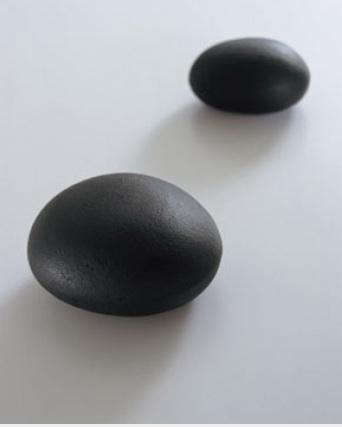
The Tetu Cast Iron Door Stopper is the kind of small home object that quietly wins the room. It does not blink, beep, connect to Wi-Fi, or pretend to be smarter than your refrigerator. It simply sits there, calm and weighty, holding a door open with the confidence of a tiny iron boulder that has seen things. And honestly, that is refreshing.
At first glance, the Tetu Cast Iron Door Stopper looks almost too simple: a dark, rounded form inspired by a river stone. But that simplicity is exactly the point. Designed by Makoto Koizumi and made from Nambu cast iron, it blends Japanese craft, minimalist design, and everyday practicality into one compact object. It is a door stopper, yes, but it is also a sculptural accent, a desk paperweight, and a quiet reminder that useful things do not have to be ugly.
In a world filled with flimsy plastic wedges, rubber blocks, and novelty doorstops shaped like animals that seem surprised to be employed, the Tetu door stopper takes a different path. It is elegant, durable, tactile, and purposefully understated. For homeowners, renters, designers, and anyone who appreciates functional decor, this little cast iron piece offers more than meets the eye.
What Is the Tetu Cast Iron Door Stopper?
The Tetu Cast Iron Door Stopper is a compact, heavy-duty decorative door stop made from Nambu cast iron, a traditional Japanese ironware associated with long-lasting craftsmanship. It has been described in product listings as measuring roughly 3.15 inches wide, 3.50 inches long, and 1.80 inches high, with a weight of about 2.87 pounds. That may sound modest, but in door-stopper terms, it is the difference between “please hold this door” and “this door is not going anywhere.”
Its form is inspired by smooth river stones, which gives it an organic appearance instead of the sharp, mechanical look of many hardware accessories. The surface is smooth but slightly pebbled, adding a subtle texture that feels natural in the hand and visually warm in a room. It typically features silicone feet on the underside, helping protect floors from scratches while improving grip.
One of the clever details is that it can also be used as a paperweight. That makes sense. A good paperweight needs mass, stability, and visual appeal. The Tetu door stopper has all three. Put it on a desk, console table, shelf, or entryway bench, and it looks intentional rather than like something borrowed from the tool drawer.
The Design Story: Minimalism With Muscle
Makoto Koizumi is known for designs that emphasize usability, restraint, and material honesty. The Tetu Cast Iron Door Stopper reflects that philosophy beautifully. There are no decorative flourishes trying to scream for attention. No fake vintage distressing. No awkward handle. No “Live, Laugh, Love” engraved across the top, thankfully. Instead, the object relies on proportion, weight, texture, and material.
The river-stone shape is especially smart because it softens the visual presence of iron. Cast iron can feel industrial, rustic, or heavy. By shaping it like a natural stone, the Tetu design turns that weight into calmness. It looks like something you might have picked up beside a mountain stream, except this particular “stone” happens to be made by skilled craftspeople and has a much better chance of holding open a stubborn door.
This balance is why the Tetu Cast Iron Door Stopper works in many interiors. In a minimalist apartment, it feels sculptural. In a farmhouse entryway, it feels grounded. In a modern office, it adds texture. In a traditional home, it does not clash. It is not trying to match everything; it is trying to belong quietly.
Why Cast Iron Makes Sense for a Door Stopper
A door stopper has one main job: resist movement. That means weight matters. Cast iron is naturally dense and durable, making it an excellent material for a heavy door stop. Unlike lightweight rubber or plastic options, a cast iron door stopper does not need to be oversized to be effective. A compact object can still provide enough mass to hold many interior doors in place.
Durability That Feels Permanent
Cast iron has a reputation for lasting because it is strong, stable, and resistant to everyday wear when properly cared for. A plastic doorstop can crack. A cheap rubber wedge can dry out, bend, or disappear under a sofa like it joined a witness protection program. A well-made cast iron door stopper can remain useful for years, even decades, while developing a natural patina that adds character.
Compact Weight Without Visual Clutter
The Tetu door stopper is small enough to avoid becoming a tripping hazard or an awkward object in a walkway, yet heavy enough to feel substantial. This is a big advantage in small spaces. If you live in an apartment, studio, office, or older home with narrow hallways, you probably do not want a giant decorative rooster holding your bedroom door open. Tetu offers a more refined solution.
A Better Fit for Design-Conscious Rooms
Many door stoppers are purely utilitarian. They work, but they look like an afterthought. The Tetu Cast Iron Door Stopper is different because it is both useful and attractive. It does not need to hide behind the door. It can sit in plain view without lowering the style level of the room. That is a rare compliment for hardware.
Nambu Cast Iron: A Small Object With Craft Heritage
Nambu cast iron, often associated with Japan’s Iwate region, has roots in traditional ironware production dating back centuries. Historically, Nambu ironware became known for tea kettles, pots, and other cast objects that combined function with craft refinement. The Tetu door stopper brings that material tradition into a modern household accessory.
What makes this important from a design perspective is not just history for history’s sake. It is the relationship between material and purpose. Cast iron is not pretending to be something else. It is heavy because it needs to be heavy. It is textured because casting gives it presence. It has a dark finish because iron has visual depth. The material is doing the work, both physically and aesthetically.
That is why the Tetu Cast Iron Door Stopper feels more elevated than a basic door wedge. It belongs to the category of “everyday objects done exceptionally well.” These are the things that make a home feel considered: a good coat hook, a beautiful switch plate, a sturdy drawer pull, a well-shaped bowl, a door stopper that does not look like a parking chock for dollhouses.
Where to Use a Tetu Cast Iron Door Stopper
The Tetu door stopper can be used anywhere a door needs to stay open, but some spaces benefit from it more than others.
Entryways and Mudrooms
Entry doors often need temporary support when you are carrying groceries, dragging in luggage, or trying to persuade a large delivery box through a small doorway. A cast iron door stopper near the entrance can be both practical and stylish. Because Tetu looks like a small sculptural stone, it pairs well with natural fiber rugs, wood benches, woven baskets, and black metal hooks.
Home Offices
In a home office, airflow and privacy constantly battle for dominance. You may want the door open while working, then closed during calls. The Tetu door stopper is easy to place and attractive enough to keep near your desk. When not holding the door, it can serve as a paperweight for notes, drafts, receipts, or that one important document you keep moving around instead of filing.
Bedrooms and Nurseries
A quiet, stable door stopper can help keep a door partially open for ventilation or visibility. In nurseries, bedrooms, or guest rooms, a low-profile stopper is especially useful because it does not create visual clutter. As with any heavy object, it should be placed thoughtfully in homes with small children, but for adult-controlled spaces, it is a tasteful option.
Living Rooms and Interior Passageways
Open-plan homes often have doors that swing, drift, or refuse to behave when windows are open. A weighted cast iron door stop can help manage airflow without resorting to an old shoe, which is a decorating decision most of us should leave in the past.
How to Style the Tetu Cast Iron Door Stopper
Because the Tetu Cast Iron Door Stopper is simple, it is surprisingly flexible. You do not need to build an entire room around it. It works best when treated as a quiet accent.
For a Japanese-inspired interior, pair it with pale wood, linen, handmade ceramics, and neutral walls. The dark cast iron creates contrast without shouting. For a rustic or farmhouse space, place it near reclaimed wood, stone flooring, or matte black hardware. In a modern home, it looks sharp beside concrete, oak, leather, or white walls. In a reading nook, it can hold open a door while echoing the shape of decorative stones, pottery, or sculptural objects.
The key is to let the material breathe. Do not surround it with too many tiny accessories. It looks best when there is a little negative space around it. Think of it as a punctuation mark in the room: small, precise, and quietly powerful.
Tetu vs. Regular Door Stoppers
A standard rubber wedge is inexpensive and effective on many floors, but it rarely adds beauty to a space. A spring door stop mounted to a baseboard protects walls, but it does not hold doors open in the same way. Magnetic door stops are useful, though they require installation. Novelty cast iron doorstops can be charming, but they often dominate the room visually.
The Tetu Cast Iron Door Stopper sits in a more refined category. It is portable, installation-free, durable, and visually restrained. Its biggest strength is that it solves a basic household problem without looking basic. Its main limitation is that it is a premium design object, so it may cost more than mass-market door stoppers. But for buyers who care about craftsmanship, material, and aesthetics, that difference is part of the appeal.
Buying Tips: What to Look For
If you are shopping for a Tetu Cast Iron Door Stopper or a similar cast iron door stop, focus on four things: weight, floor protection, finish, and shape.
First, check the weight. A door stopper needs enough mass to resist the door’s movement. Lighter decorative pieces may look nice but slide too easily. Second, inspect the underside. Silicone or rubber feet help protect hardwood, tile, and polished concrete. Third, consider the finish. Cast iron can rust if exposed to moisture for long periods, so a clean, well-finished surface matters. Fourth, look at the shape. A rounded, low-profile stopper like Tetu is less visually intrusive than tall novelty designs, but it should still be easy enough to pick up and move.
Also consider your flooring. On very slick surfaces, any door stopper may need extra grip. On thick carpet, a low object may sit differently than it does on wood or tile. On exterior thresholds, weather exposure becomes a bigger concern, so indoor use is generally the safer choice for preserving the finish.
Care and Maintenance
Cast iron is strong, but it appreciates basic care. Keep the Tetu door stopper dry when possible. If it gets wet, wipe it with a soft cloth. Avoid harsh chemical cleaners, abrasive pads, or soaking it in water. For routine cleaning, dusting is usually enough. If needed, use a slightly damp cloth and dry it immediately.
Because the object sits on the floor, check the silicone feet occasionally. Dust, grit, or small debris can collect underneath and scratch delicate flooring if ignored. A quick wipe now and then keeps both the stopper and the floor in better condition. That is a small habit with a big payoff, especially if your floors are the kind people compliment when they enter your home.
Who Should Choose the Tetu Cast Iron Door Stopper?
The Tetu Cast Iron Door Stopper is ideal for people who appreciate practical objects with design value. It is a good fit for homeowners who prefer quality over clutter, renters who want useful decor without installation, and interior designers looking for a subtle finishing detail. It also makes a thoughtful gift for someone who loves Japanese design, minimalist interiors, handmade objects, or home accessories that are actually useful.
It may not be the best choice for someone who wants the cheapest possible door wedge or a loud decorative statement. If your dream doorstop is shaped like a dachshund wearing glasses, follow your truth. But if you want something quiet, elegant, and made with material integrity, Tetu makes a strong case.
Real-Life Experience: Living With a Tetu Cast Iron Door Stopper
The first thing you notice about the Tetu Cast Iron Door Stopper in daily use is the weight. It is not enormous, but it feels serious. Pick it up and you immediately understand that it was not designed to be disposable. It has that satisfying density that makes people say, “Oh, that’s nice,” even before they know what it is. Some objects feel cheap in the hand. This one does not.
In an entryway, it quickly becomes one of those small conveniences you stop thinking about because it simply works. When bringing in groceries, you can set it against the door and avoid the awkward dance of holding the door open with one foot while balancing bags, keys, and a carton of eggs that suddenly feels emotionally important. The stopper stays low and calm on the floor, doing its job without drama.
In a home office, it becomes even more versatile. During the day, it can hold the door open to let air move through the room. When the door is closed, it can sit on the desk as a paperweight. This is where the river-stone inspiration really shines. It does not look like hardware when placed on a work surface. It looks like a considered object. Put it beside a notebook, ceramic mug, or laptop stand, and it brings a little material warmth to the workspace.
One of the best experiences is how well it fits into different rooms without demanding a design commitment. Some decor pieces require a whole theme to make sense. The Tetu door stopper does not. It works in a modern apartment with white walls and oak floors. It works near a traditional wooden door. It works beside a woven basket in a mudroom. It even works on a bookshelf when not in use, looking like a small sculpture that happens to have a practical side hustle.
The silicone feet are another detail you appreciate over time. With heavy cast iron, floor protection is not optional; it is essential. A door stopper should not solve one problem by creating another. The feet help the object feel more finished and floor-friendly, especially on hardwood or tile. Still, it is wise to lift rather than drag it. Cast iron may be charming, but it is not a feather. Treat it with the same respect you would give any heavy object near a nice floor.
There is also a certain pleasure in using something that feels analog and permanent. No batteries. No app. No setup. No update required. It is just a piece of well-shaped iron that makes a home function better. In a time when many household products are overcomplicated, the Tetu Cast Iron Door Stopper feels almost rebellious. It proves that simple design can still feel luxurious when the material, proportions, and purpose are right.
After living with it, the biggest surprise is not that it holds doors open. Of course it does. The surprise is how often you notice it in a positive way. It becomes part of the room’s atmosphere. A small detail, yes, but homes are built from small details. Door handles, lamps, bowls, hooks, rugs, stools, and even door stoppers all contribute to how a space feels. Tetu earns its place because it combines usefulness with quiet beauty.
Final Thoughts
The Tetu Cast Iron Door Stopper is a small object with a strong design voice. It takes a simple household need and answers it with craft, weight, texture, and restraint. Made from Nambu cast iron and shaped with river-stone simplicity, it offers a more thoughtful alternative to ordinary door wedges and decorative clutter.
For anyone creating a home that feels calm, durable, and intentional, this cast iron door stopper is worth considering. It is practical enough for daily use, attractive enough to display, and timeless enough to avoid the trend cycle. In other words, it is not just holding the door open. It is holding the line for better everyday design.