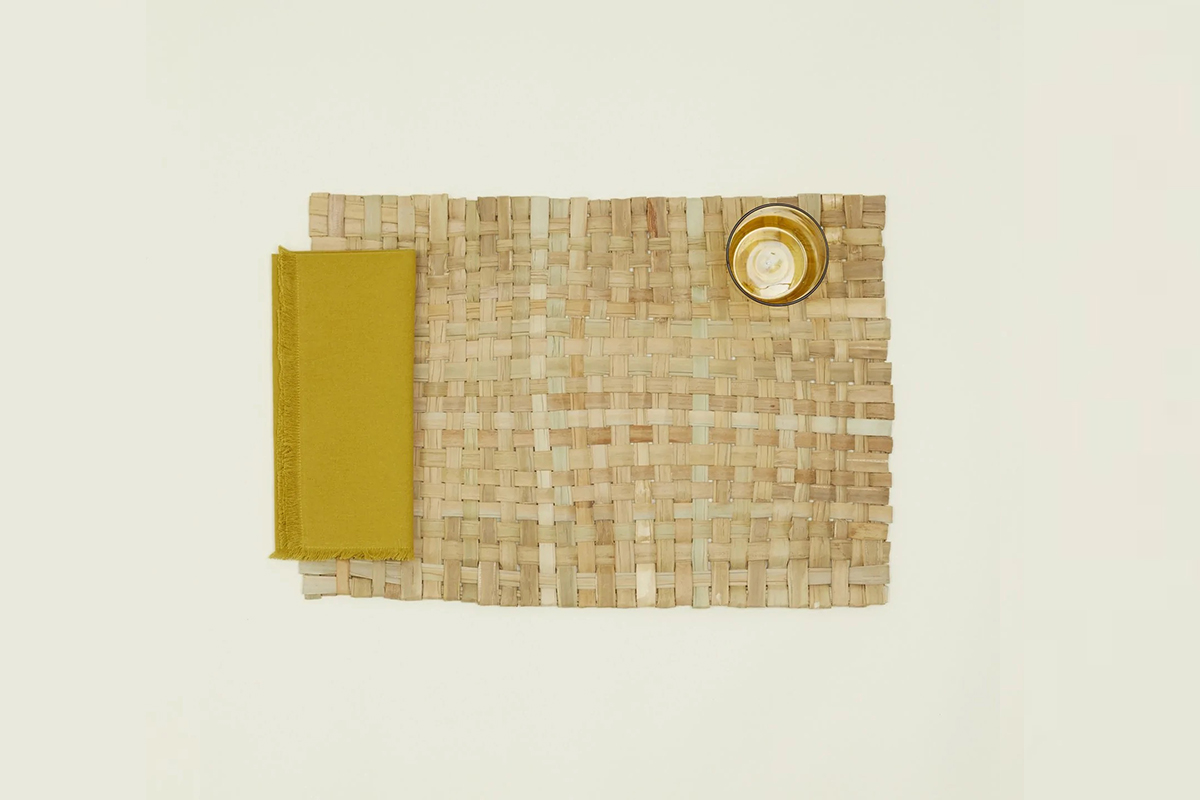
There are two kinds of summer tables. The first looks like it spent six hours getting dressed and still isn’t happy with its accessories. The second looks fresh, relaxed, and completely sure of itself. That second table usually has one quiet little hero doing a lot of the work: the woven placemat.
Classic woven placemats bring something that summer entertaining desperately needstexture without fuss. They make a table feel finished, but not fussy. Collected, but not curated within an inch of its life. Whether you are serving grilled shrimp on the patio, iced tea and tomato sandwiches at lunch, or an easy weeknight pasta that somehow turned into a porch dinner with neighbors, woven placemats create the kind of effortless table that feels seasonal, warm, and welcoming.
In other words, they are the design equivalent of looking polished in a linen shirt you did not iron quite enough. And in summer, that is exactly the mood.
Why Woven Placemats Work So Well in Summer
Summer decorating is at its best when it leans into lightness, texture, and ease. Woven placemats check all three boxes. They instantly bring an organic element to the table, which is why they pair so naturally with summer staples like white dishes, striped napkins, citrusy centerpieces, clear glassware, and simple flowers in small vases.
Unlike heavier formal table linens, woven placemats do not demand a special occasion. They can dress up a casual meal or make an outdoor dinner feel intentional without turning the whole evening into a performance. That matters because summer entertaining is usually less about perfect symmetry and more about the rhythm of real liferefilling lemonade, chasing down a runaway napkin, and pretending mosquitoes are part of the ambience.
They Add Texture Without Visual Clutter
A smooth tabletop can sometimes feel flat, especially in summer when the palette tends to be airy and soft. Woven placemats add dimension immediately. Their texture catches the eye in a subtle way, which helps a table feel layered even when the rest of the setting is simple.
This is especially useful if you love a neutral palette. A woven mat can keep beige, white, tan, and soft blue from looking sleepy. It gives those colors something to push against. Think of it as the crunchy topping on a casserole, except prettier and significantly less likely to burn.
They Make Casual Meals Feel More Put Together
One of the biggest strengths of classic woven placemats is their ability to create structure. The moment you place one at each seat, the table feels organized. Each setting has a clear footprint. Plates look more grounded. Flatware looks intentional. A weeknight meal suddenly stops looking like it was assembled between email replies.
That is the real secret of the effortless table: it is not about excess. It is about just enough definition.
Choosing the Right Woven Placemats for a Summer Table
Not all woven placemats create the same effect, and that is good news. It means you can steer the mood of your table without overhauling everything else.
Best Materials for the Look
Rattan tends to feel breezy, coastal, and classic. It is excellent if you want a natural look that still reads polished.
Abaca often has a tighter, more refined weave. It works beautifully on tables that lean organic-modern or slightly elevated.
Seagrass has an easygoing, beachy character that feels right at home with casual summer meals and outdoor dining.
Jute brings softness and warmth, especially if you like earthy, laid-back styling.
Banana leaf or mixed natural fibers can add a little personality through fringe, shape, or a looser weave, which is ideal if you want something more playful.
The key is to choose a material that supports your existing dinnerware rather than competes with it. If your plates are patterned, a simpler woven placemat is usually the smart move. If your dishes are plain, a scalloped edge, a flower shape, or a more intricate weave can add personality.
Shape Matters More Than You Think
Round placemats soften a table and feel especially good for summer because they echo the casual spirit of outdoor dining. They look beautiful under dinner plates and make each place setting feel a little more relaxed.
Rectangular placemats feel neater and more tailored. They are useful when you want a cleaner, more structured setup or when your table is narrow and every inch matters.
Scalloped, leaf-shaped, or flower-inspired placemats can be charming in small doses. They are perfect for brunches, showers, or summer dinners where you want a wink of personality. The trick is to let them be the fun detail, not one of twelve fun details all screaming at once.
Color Should Stay Easy
Natural, honey, tan, straw, sand, and warm brown tones are the workhorses of the summer table because they go with almost everything. They also make it easier to rotate napkins, dishes, and flowers throughout the season.
If you do want color, look for soft greens, faded blues, coral accents, or borders that nod to summer without becoming theme-party territory. A placemat should support the table, not audition for a starring role.
How to Build an Effortless Summer Table Around Woven Placemats
Start with a Light Base
You do not need a full tablecloth to make woven placemats shine. In fact, bare wood, painted tables, and simple runners often let their texture stand out more clearly. If you want a softer foundation, use a light linen runner or a washed cotton cloth in white, cream, pale blue, or muted green.
The goal is contrast. A woven placemat looks especially good when it sits against something smoother.
Keep the Plate Stack Simple
For an easy summer place setting, start with the woven placemat, add a dinner plate, and stop there unless the occasion really calls for more. A salad plate or shallow bowl can be layered on top if you want a little extra depth, but summer tables rarely benefit from too much stacking.
White dishes are the classic choice because they let the texture underneath show off. But woven placemats also pair beautifully with stoneware in soft blue, pale green, butter yellow, terracotta, or even subtle patterns. The natural fibers act like a neutral frame around the plate.
Use Napkins to Add a Bit of Personality
If the placemats are your texture, napkins are your chance to add softness and color. Stripes, gingham, block prints, and washed linen all feel right for summer. A loose knot often looks more relaxed than a formal fold, which fits the season better anyway.
This is where a lot of effortless tables quietly win. They do not overdecorate. They just pair one natural texture with one soft fabric and let the contrast do the talking.
Choose Low, Simple Centerpieces
Summer centerpieces should never behave like attention hogs. Low bud vases, a small pitcher of grocery-store flowers, a bowl of lemons or peaches, or herbs in simple pots all keep the table feeling open and conversational.
If guests have to lean sideways around a jungle of hydrangeas to make eye contact, the centerpiece has gone rogue.
Small arrangements repeated down the center of the table often work better than one giant centerpiece. They feel easy, airy, and less formal. They also leave room for serving dishes, which is useful if dinner is happening family-style and not in a fantasy where nothing needs plates or utensils.
Let Glassware Recede
Clear glassware is often the smartest choice on a woven summer table because it keeps the focus on the textures and colors you already have. Colored glass can be beautiful, but use it thoughtfully. If the placemats, napkins, and flowers are already doing enough, clear glasses provide breathing room.
Think Indoor-Outdoor, Not Just Outdoor
One reason woven placemats are so useful is that they blur the line between indoor and outdoor entertaining. They look just as natural on a dining table inside as they do on a patio table outside. That makes them one of the easiest summer pieces to justify because they are not locked into one setting or one month.
On the patio, they pair well with melamine, acrylic glasses, and easy-serving platters. Indoors, they can feel slightly more elevated with ceramic dinnerware, linen napkins, and candlesticks. Same placemat. Different mood. Very efficient. Almost suspiciously efficient.
Common Mistakes That Make the Table Feel Less Effortless
Overlayering
Yes, layered tables are beautiful. No, that does not mean every seat needs a placemat, charger, dinner plate, salad plate, bowl, menu card, ribbon, shell, and tiny decorative pear. Summer style works best when it leaves some air in the room.
Ignoring Scale
Large, chunky placemats can overpower a small table. Tiny placemats can disappear under oversized dinner plates. Make sure the woven mat frames the setting instead of getting swallowed by it.
Going Too Literal with the Theme
Summer does not require starfish, mini surfboards, or an emergency pineapple on every surface. Woven placemats already suggest warmth, nature, and ease. Build from that subtle cue. A few lemons, a striped napkin, and some white flowers will usually say “summer” much more elegantly than a full tropical costume change.
How to Care for Woven Placemats So They Keep Looking Good
Natural woven placemats are practical, but they do better with gentle care than rough handling. Shake or brush off crumbs after meals. Dust them regularly with a soft cloth or soft-bristled brush if the weave tends to collect debris. If something spills, blot or wipe it up quickly rather than letting moisture sit.
Some woven fibers do fine with a slightly damp cloth for light cleaning, but soaking them is usually a bad idea. Too much moisture can warp natural materials, loosen fibers, or leave the placemat looking tired long before its time. Let them dry thoroughly before stacking or storing.
It also helps to store them flat when possible. Stuffing them into a crowded drawer is a wonderful way to create a lopsided placemat collection that looks like it survived a minor weather event.
For hot serving dishes, use trivets instead of assuming a placemat can handle everything. A woven placemat is stylish and hardworking, but it is not auditioning to be a fireproof superhero.
The Real Experience of Using Woven Placemats All Summer Long
What makes classic woven placemats so appealing is not just how they look in a photo. It is how they behave in actual life. In real homes, real summer meals are rarely immaculate. Someone drips dressing. Someone sets down a sweating glass. Someone reaches for the corn and knocks the fork halfway to Tuesday. Woven placemats still hold the whole table together. They create a visual rhythm that makes even a slightly chaotic dinner feel intentional.
That experience is especially noticeable during the in-between moments of summer. Maybe you were not planning to host, but two extra people showed up after the farmers market. Maybe dinner moved outside because the kitchen felt too warm. Maybe lunch on the porch turned into cocktails, then snacks, then a full meal because nobody wanted to go back inside. Woven placemats are built for exactly that kind of flexibility. They do not make the table feel precious. They make it feel ready.
They also change the mood faster than almost any other tabletop item. Set out woven placemats on a bare table, and suddenly the whole room softens. The table feels warmer. The food looks better. Even takeout seems to have improved its attitude. There is something about natural texture that makes a meal feel more grounded and more human. It says, “Yes, this was simple, but yes, we still cared.”
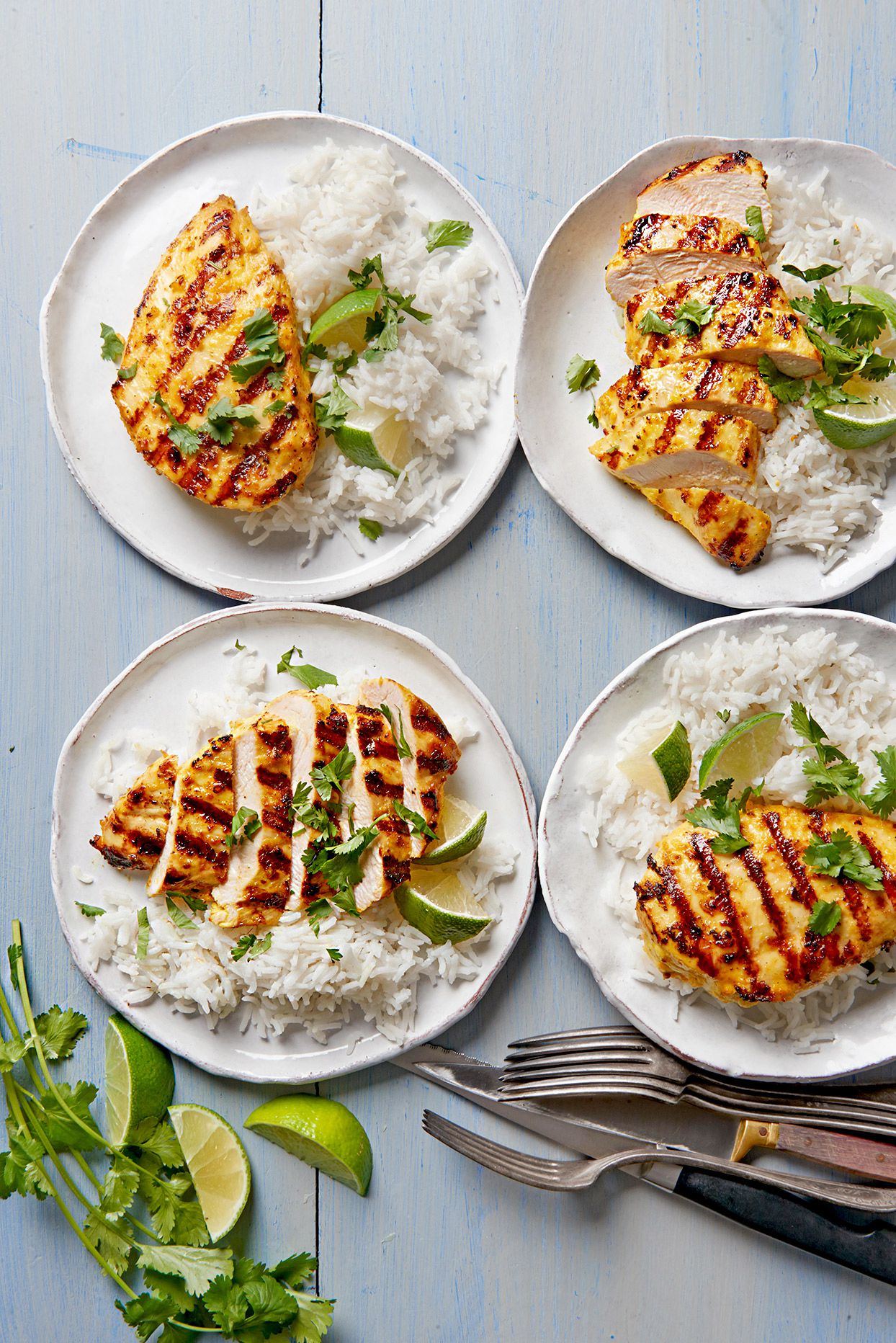
For families, woven placemats can become part of the season’s routine. You bring them out in late spring, and they instantly announce that things are getting easier. Meals drift later. Fruit appears in bowls. Glasses clink with ice. The placemats become part of the backdrop for all those small summer ritualsweeknight salads, birthday brunches, tomato sandwiches, grilled chicken, peach desserts, and those lazy Sunday lunches that somehow last until dinner.
For hosts, they reduce decision fatigue. That may sound dramatic, but anyone who has stared at a table five minutes before guests arrive knows the struggle is real. With woven placemats, the foundation is already there. Add plates, napkins, simple flowers, and done. They solve enough of the table that you can focus on the meal and the people instead of rearranging a centerpiece for the ninth time like a frazzled stage manager.
And perhaps that is why they remain so classic. They are not trendy in the exhausting sense. They do not rely on gimmicks. They work because they make the table easier to live with. They soften the line between everyday meals and special occasions. They help summer entertaining feel generous instead of stressful. They look good with sunlight, candlelight, grilled fish, store-bought pie, and all the imperfect little moments that make warm-weather dining memorable.
That is the real charm of the effortless table. It is not about doing nothing. It is about choosing pieces that do a lot without making a fuss. Classic woven placemats do exactly that. They are simple, hardworking, and quietly beautifulthe kind of summer essential that keeps showing up, keeps looking right, and never once asks for applause.
Conclusion
If you want a summer table that feels polished without feeling overproduced, classic woven placemats are one of the smartest pieces you can bring home. They add texture, create structure, support layering, and make almost any meal look a little more inviting. Whether your style leans coastal, organic modern, farmhouse, traditional, or somewhere in the happily undecided middle, they offer an easy base that works with what you already own.
And that is really the beauty of the effortless table: it does not beg for attention. It simply makes people want to sit down, stay a while, and reach for another helping.