Note: This article is for educational purposes only and is based on widely accepted medical guidance from reputable U.S. health organizations and clinical literature. It should not replace advice from a licensed health care professional.
Cholesterol management can feel like standing in the cereal aisle: too many boxes, too many promises, and one tiny nutrition label trying to ruin your day. On one side, you have statins, the prescription heavy hitters that doctors reach for when LDL cholesterol needs a serious talking-to. On the other side, you have plant sterols, the plant-based compounds found in foods and supplements that can help lower cholesterol more gently, like a polite bouncer at the door of your digestive system.
So, in the battle of statin vs. plant sterols for cholesterol management, which option wins? The honest answer is: it depends on your risk, your LDL cholesterol level, your medical history, and whether your arteries are asking for a lifestyle tune-up or a full emergency meeting.
Statins and plant sterols are not the same kind of tool. Statins are medications with strong evidence showing they reduce LDL cholesterol and lower the risk of heart attack and stroke in the right patients. Plant sterols, also called phytosterols, are food-based compounds that can modestly reduce LDL cholesterol by limiting cholesterol absorption in the gut. They can be useful, but they are not a prescription-strength substitute for statins when medication is medically needed.
Understanding Cholesterol: Why LDL Gets All the Side-Eye
Cholesterol itself is not evil. Your body uses it to build cells, make hormones, and perform other important jobs. The problem starts when too much low-density lipoprotein cholesterol, commonly called LDL cholesterol, circulates in the blood. LDL can contribute to plaque buildup inside arteries, raising the risk of atherosclerosis, heart attack, and stroke.
High-density lipoprotein cholesterol, or HDL, is often called “good cholesterol” because it helps carry cholesterol away from the bloodstream and back to the liver. But modern cholesterol management is not just about cheering for HDL and booing LDL like a tiny sports crowd inside your bloodstream. Doctors now look at the full risk picture: LDL level, age, blood pressure, diabetes, smoking status, family history, existing cardiovascular disease, and other risk factors.
That is why two people with the same LDL number may receive different advice. A healthy 28-year-old with mildly elevated LDL may start with nutrition and exercise. A 62-year-old with diabetes and a history of heart disease may need medication even if their LDL is not dramatically high. Cholesterol care is personalized, not one-size-fits-all.
What Are Statins?
Statins are prescription cholesterol-lowering medications that reduce the liver’s production of cholesterol. They work by blocking an enzyme called HMG-CoA reductase, which your body uses to make cholesterol. Less production in the liver means the liver pulls more LDL cholesterol out of the bloodstream.
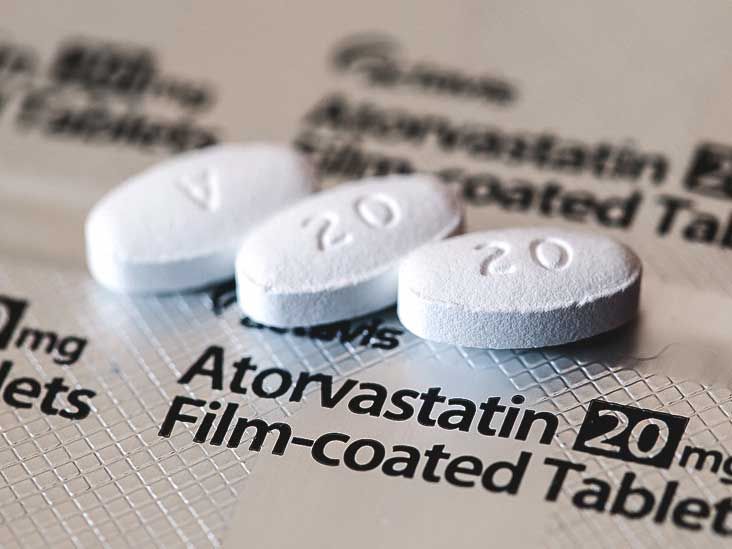
Common statins include atorvastatin, rosuvastatin, simvastatin, pravastatin, lovastatin, fluvastatin, and pitavastatin. Depending on the drug and dose, statins may be considered low-, moderate-, or high-intensity therapy. Moderate-intensity statins often lower LDL cholesterol by about 30% to 49%, while high-intensity statins can lower LDL by about 50% or more.
Why Doctors Prescribe Statins
Statins are commonly prescribed for people who already have cardiovascular disease, people with very high LDL cholesterol, adults with diabetes in certain age ranges, and individuals whose calculated risk of heart attack or stroke is high enough to justify medication. They are not just “cholesterol number reducers.” Their real value is that they can reduce the risk of major cardiovascular events in people who need them.
In plain English: statins do not simply make a lab report prettier. They can help prevent the kind of cardiovascular trouble that sends people to emergency rooms. That is why they remain a cornerstone of cholesterol management.
What Are Plant Sterols?
Plant sterols, also known as phytosterols, are natural compounds found in plant foods. They have a structure similar to cholesterol, which allows them to compete with cholesterol during digestion. Think of plant sterols as tiny seat-saving experts in your gut. When they occupy space, less cholesterol gets absorbed.
Plant sterols occur naturally in foods such as nuts, seeds, legumes, whole grains, fruits, vegetables, and vegetable oils. However, the amount found naturally in a typical diet is usually not enough to produce a strong cholesterol-lowering effect. That is why many people use fortified foods or plant sterol supplements when trying to reach a daily intake often discussed around 2 grams per day.
How Much Can Plant Sterols Lower LDL?
Research suggests that consuming about 2 grams of plant sterols or stanols daily can reduce LDL cholesterol by roughly 5% to 12% in many people, though individual results vary. That is helpful, especially as part of a heart-healthy lifestyle, but it is usually less powerful than statin therapy.
Plant sterols may be found in fortified spreads, yogurts, juices, cereals, and dietary supplements. The key word is “fortified.” Eating one handful of almonds is heart-friendly, but it will not magically deliver a clinical dose of plant sterols. Your oatmeal is talented, but it is not a wizard.
Statin vs. Plant Sterols: The Big Comparison
1. Cholesterol-Lowering Strength
When comparing statins vs. plant sterols, statins generally have the stronger LDL-lowering effect. A high-intensity statin may lower LDL cholesterol by 50% or more. Plant sterols typically lower LDL by a smaller amount, often around 5% to 12% when taken consistently at effective daily levels.
That difference matters. If someone has an LDL cholesterol level of 190 mg/dL, a 10% reduction from plant sterols may help, but it is unlikely to be enough by itself. If someone has mildly elevated LDL and low overall cardiovascular risk, plant sterols may be one useful part of a broader lifestyle plan.
2. Cardiovascular Outcome Evidence
This is where statins pull ahead decisively. Statins have strong evidence showing they reduce cardiovascular events, including heart attacks and strokes, in appropriate patients. Plant sterols have evidence for lowering LDL cholesterol, but they do not have the same level of direct evidence showing they reduce heart attacks, strokes, or cardiovascular death.
That does not make plant sterols useless. LDL reduction is still meaningful. But when the goal is preventing a major cardiovascular event in a high-risk person, doctors usually rely on therapies with proven outcome data. In that category, statins have a much stronger resume.
3. Access and Convenience
Statins require a prescription and medical supervision. That can feel like a hurdle, but it also means your treatment is matched to your risk profile and monitored over time. Plant sterols are available in foods and supplements without a prescription, which makes them easy to add to a wellness routine.
However, “easy to buy” does not always mean “easy to use correctly.” To get meaningful LDL reduction, plant sterols must be consumed consistently and in effective amounts. A fortified yogurt today, forgotten for three weeks, and then a heroic spoonful of spread next month will not impress your arteries.
4. Side Effects and Safety
Most people tolerate statins well, but side effects can happen. Muscle aches are among the most commonly reported concerns. Some people may experience changes in liver enzymes, and statins may slightly increase blood sugar in certain individuals who are already at risk for diabetes. Serious muscle injury is rare, but it requires prompt medical attention.
Plant sterols are also generally well tolerated. Possible side effects may include mild digestive symptoms such as bloating, nausea, or loose stools. People with a rare inherited condition called sitosterolemia should avoid plant sterol supplements unless specifically advised by a specialist, because their bodies absorb plant sterols abnormally.
Neither option should be treated casually. Even “natural” products can interact with health conditions or medications. Poison ivy is natural too, and nobody invites it to brunch.
5. Cost Considerations
Many statins are available as low-cost generics, which makes them affordable for many patients. Plant sterol products vary widely in price. Fortified foods may cost more than regular versions, and supplements can become expensive if used daily.
Cost should include more than the sticker price. If a medication significantly lowers cardiovascular risk for a high-risk person, it may prevent costly medical events later. If plant sterols help someone improve cholesterol modestly without medication, they may be a reasonable investment. The best value depends on the person’s risk and treatment goals.
Can You Use Plant Sterols Instead of Statins?
Sometimes plant sterols may be appropriate before medication, especially for people with mildly elevated LDL cholesterol and low short-term cardiovascular risk. They may also be used alongside other lifestyle changes, such as increasing soluble fiber, reducing saturated fat, exercising regularly, losing excess weight if needed, and avoiding tobacco.
But plant sterols should not be used as a do-it-yourself replacement for statins when a doctor has recommended statin therapy for clear medical reasons. People with established heart disease, prior heart attack or stroke, diabetes with elevated risk, very high LDL cholesterol, or familial hypercholesterolemia often need more aggressive LDL reduction than plant sterols can provide alone.
If you are already taking a statin and want to add plant sterols, ask your clinician. In many cases, plant sterols can be part of a heart-healthy diet while taking cholesterol medication. The combination may offer additional LDL reduction, but your care team should know what you are using.
Can Plant Sterols and Statins Work Together?
Yes, in some cases, plant sterols and statins can complement each other. Statins reduce cholesterol production in the liver, while plant sterols reduce cholesterol absorption in the intestine. That means they work through different pathways.
This is similar to cleaning a messy room from two directions: one person stops more clutter from coming in, while the other puts away what is already there. Ideally, nobody opens the closet and shoves everything inside, because that is not a cholesterol strategy; that is panic with hinges.
For someone who needs additional LDL reduction, a clinician may consider several options, including adjusting the statin dose, adding ezetimibe, considering PCSK9 inhibitors in high-risk cases, improving diet quality, or using plant sterols as part of a broader plan. Plant sterols are usually considered a supportive nutrition tool, not a replacement for evidence-based medication when medication is indicated.
Food Sources of Plant Sterols
Plant sterols are naturally present in many plant foods, although usually in small amounts. Good dietary sources include:
- Nuts such as almonds, pistachios, and walnuts
- Seeds such as sesame, sunflower, chia, and flaxseed
- Legumes such as lentils, beans, and chickpeas
- Whole grains such as oats, barley, and wheat germ
- Vegetable oils such as olive, corn, and canola oil
- Fruits and vegetables
- Fortified foods such as certain spreads, yogurts, juices, and cereals
For everyday cholesterol management, plant sterols work best when they are part of a larger dietary pattern. A heart-healthy plate emphasizes vegetables, fruits, beans, lentils, whole grains, nuts, seeds, fish, and unsaturated fats while limiting saturated fat, trans fat, highly processed foods, and excess added sugar.
The Role of Soluble Fiber, Exercise, and Weight Management
Plant sterols get attention, but they should not have to carry the whole cholesterol-management team on their leafy little shoulders. Soluble fiber is another valuable tool. Foods such as oats, barley, beans, lentils, apples, citrus fruits, chia seeds, flaxseed, and psyllium can help lower LDL cholesterol by binding cholesterol in the digestive tract.
Regular physical activity can improve triglycerides, support HDL cholesterol, help with blood pressure, improve insulin sensitivity, and support weight management. Even brisk walking can make a difference when done consistently. The goal is not to become a superhero by Tuesday. The goal is to make your cardiovascular system slightly less annoyed with your calendar.
Weight management can also help improve cholesterol, especially when excess body weight is associated with insulin resistance, high triglycerides, or fatty liver disease. But cholesterol is not only about weight. Thin people can have high LDL, and people in larger bodies can improve cholesterol through healthy habits even before major weight changes occur.
Who Might Benefit Most From Statins?
Statins may be especially important for people who:
- Have already had a heart attack, stroke, or other cardiovascular event
- Have diagnosed atherosclerotic cardiovascular disease
- Have very high LDL cholesterol, such as LDL at or above 190 mg/dL
- Have diabetes and additional cardiovascular risk factors
- Have a high calculated 10-year risk of heart attack or stroke
- Have familial hypercholesterolemia or a strong family history of early heart disease
For these people, statins are often recommended because the potential benefit is substantial. The decision should still involve a conversation with a health care professional, but avoiding medication solely because plant sterols are “natural” may leave too much risk on the table.
Who Might Benefit Most From Plant Sterols?
Plant sterols may be useful for people who:
- Have mildly to moderately elevated LDL cholesterol
- Are working on diet-based cholesterol improvement
- Need additional LDL reduction alongside lifestyle changes
- Are already using statins and want to discuss supportive nutrition strategies
- Prefer food-based approaches and have low overall cardiovascular risk
Plant sterols are not magic cholesterol erasers. They are more like a helpful assistant who shows up on time, does a specific job, and refuses to answer emails after 5 p.m. Useful? Absolutely. Enough for every cholesterol situation? Not always.
Common Myths About Statins and Plant Sterols
Myth 1: “Natural is always safer.”
Natural products can be helpful, but “natural” does not automatically mean safer, stronger, or better. Plant sterols are generally safe for many adults, but they are not appropriate for everyone, especially people with sitosterolemia. Statins are medications, but they are among the most studied drugs in cardiovascular care.
Myth 2: “If I eat plant sterols, I can ignore saturated fat.”
Nope. Plant sterols can help block some cholesterol absorption, but they do not cancel out a diet high in saturated fat. A fortified spread on a giant butter-soaked pastry is not a cholesterol strategy. It is a negotiation with a donut.
Myth 3: “Statins are only for people with terrible cholesterol.”
Statins are prescribed based on overall cardiovascular risk, not just one number. Someone with moderate LDL but high cardiovascular risk may benefit from a statin, while another person with similar LDL and low risk may start with lifestyle changes.
Myth 4: “Plant sterols lower cholesterol, so they must prevent heart attacks.”
Plant sterols do lower LDL cholesterol, but direct evidence that they reduce heart attacks or strokes is not as strong as it is for statins. LDL improvement is valuable, but cardiovascular outcomes matter most when treating high-risk patients.
Practical Example: Two Different Cholesterol Stories
Imagine Alex, age 35, with mildly elevated LDL cholesterol, normal blood pressure, no diabetes, no smoking, and no family history of early heart disease. Alex’s doctor may recommend a heart-healthy diet, more soluble fiber, regular exercise, less saturated fat, and possibly plant sterol-fortified foods. Alex’s plan might focus on nutrition and repeat blood testing in a few months.
Now imagine Maria, age 61, with diabetes, high blood pressure, and a father who had a heart attack at 54. Her LDL is elevated, but not shocking. Because her overall cardiovascular risk is high, her clinician may recommend a statin. Plant sterols could still support her diet, but they would not replace medication if the medication is needed to reduce risk.
Same topic, different plan. Cholesterol management is not a vending machine where everyone presses B7 and receives the same snack.
How to Talk With Your Doctor About Statins and Plant Sterols
A good cholesterol conversation should include your LDL cholesterol, HDL cholesterol, triglycerides, blood pressure, blood sugar, family history, smoking status, lifestyle habits, and personal preferences. Ask your clinician what your estimated cardiovascular risk is and what LDL reduction goal makes sense for you.
Useful questions include:
- What is my current cardiovascular risk?
- How much should my LDL cholesterol come down?
- Would lifestyle changes be enough for now?
- Am I a candidate for statin therapy?
- Could plant sterols be helpful in my case?
- When should I repeat my lipid panel?
- What side effects should I report?
Never stop a prescribed statin without talking to your clinician first. If side effects occur, your doctor may adjust the dose, switch to another statin, try alternate dosing, check for interactions, or consider other cholesterol-lowering medications.
Experiences Related to Statin vs. Plant Sterols for Cholesterol Management
In real life, cholesterol management often starts with surprise. Many people discover high LDL cholesterol during a routine checkup, even though they feel perfectly fine. That is part of what makes cholesterol sneaky. It does not send a marching band to announce plaque buildup. It quietly appears on a lab report and waits for you to Google things at midnight.
One common experience is the “I eat pretty well, how did this happen?” moment. Someone may cook at home, avoid fast food, and still have high LDL cholesterol because genetics play a major role. In that situation, plant sterols can be a helpful addition, but they may not overcome inherited cholesterol patterns by themselves. This is where a statin may be recommended, not as a punishment for imperfect eating, but as a tool to manage risk that lifestyle alone may not fully control.
Another frequent experience involves people who want to try nutrition first. They may add oats at breakfast, swap butter for olive oil, eat more beans and lentils, use a plant sterol-fortified spread, and walk after dinner. After 8 to 12 weeks, their LDL may improve modestly. For a low-risk person, that can be encouraging and may be enough to continue lifestyle therapy. The key is follow-up testing. Feelings are wonderful, but lipid panels bring receipts.
Some people start statins and worry about side effects before taking the first pill. That fear is understandable because medication stories travel fast, especially online. A neighbor’s cousin’s coworker’s dog walker may have a dramatic tale. But many people take statins without major problems. When symptoms do happen, they should be discussed rather than ignored. Sometimes the issue is dose-related, related to another medication, or improved by switching statins.
Plant sterols also come with real-world challenges. Fortified foods can be convenient, but they may add calories, sugar, or cost depending on the product. Supplements are easy to buy, but people may forget to take them with meals, which can reduce their usefulness. Some people assume a plant sterol supplement gives them permission to eat unlimited saturated fat. Sadly, biology does not accept coupons for wishful thinking.
The most successful cholesterol plans tend to be boring in the best possible way. They are consistent. They include repeat blood tests, realistic meals, movement that fits the person’s life, and honest conversations with clinicians. A person might take a statin at night, eat oatmeal in the morning, use plant sterols with meals, and walk the dog after dinner. None of that sounds like a superhero origin story, but it can be powerful over time.
There is also an emotional side. Some people feel disappointed when they need a statin, as if medication means they failed. That is not true. Needing medication for cholesterol is no more a personal failure than needing glasses because your eyeballs decided to be abstract artists. The goal is not to win a purity contest. The goal is to reduce cardiovascular risk and live well.
For others, plant sterols provide a sense of control. Adding specific foods, reading labels, and seeing LDL numbers improve can be motivating. That motivation matters. The best plan is usually one the person can actually follow without turning every meal into a spreadsheet. Plant sterols may help make cholesterol management feel more active and achievable, especially when paired with fiber-rich foods and lower saturated fat intake.
Ultimately, the experience of choosing between statins and plant sterols should not feel like choosing a team in a cholesterol championship game. For many people, the best answer is not “either-or” but “use the right tool for the right job.” Plant sterols can support LDL reduction. Statins can provide stronger LDL lowering and proven cardiovascular protection for people who need medication. A smart cholesterol plan respects both science and real life, which is good, because real life includes birthday cake, busy schedules, family genetics, and the occasional dinner that arrives in a cardboard box.
Final Verdict: Which Is Better?
In the comparison of statin vs. plant sterols for cholesterol management, statins are generally the stronger and more proven option for reducing LDL cholesterol and lowering cardiovascular risk in patients who need medication. Plant sterols are a useful nutrition-based strategy that can modestly lower LDL cholesterol, especially when consumed consistently as part of a heart-healthy diet.
The real winner is not statins or plant sterols. The winner is a personalized cholesterol plan that matches your risk level, lab results, lifestyle, and medical history. For some people, that plan may focus on food, exercise, soluble fiber, and plant sterols. For others, statins are essential. For many, the best plan may include both medication and nutrition upgrades.
Cholesterol management is not about being perfect. It is about being informed, consistent, and willing to work with your health care team. Your arteries do not need drama. They need a plan.