There is something magical about January. The calendar flips, the holiday glitter is still hiding under the sofa, and suddenly every drawer in the house seems to whisper, “Fix me.” That is why the idea behind Start the New Year Off Right: Enter to Win a Custom Organization Kit from the Organized Home feels so perfectly timed. A custom organization kit is not just a box of bins, labels, trays, and tidy little containers. It is a small but mighty invitation to stop wrestling with clutter and start building a home that works with your real life.
Editor’s note: the original Organized Home giveaway has closed, but its concept remains useful for anyone planning a New Year reset. The promotion offered one of ten custom organization kits for spaces such as the kitchen, bathroom, closet, or office. The larger lesson is evergreen: when the right tools meet a realistic system, organizing stops feeling like punishment and starts feeling like fresh air with drawer dividers.
This guide breaks down why a custom organization kit can be a smart way to begin the year, how to choose the best room to organize first, what to include in your kit, and how to make the results last longer than the average New Year’s resolution. Spoiler: perfection is not required. In fact, perfection is usually where organizing projects go to take a dramatic nap.
Why the New Year Is the Perfect Time to Get Organized
The start of a new year naturally encourages reflection. We look at our schedules, budgets, habits, closets, and that one cabinet where reusable bags have apparently formed a small government. January gives us a clean psychological starting line, making it easier to ask: What do I want my home to do for me this year?
Home organization is not about creating a showroom where nobody is allowed to breathe. It is about reducing daily friction. When your keys have a home, mornings move faster. When pantry staples are visible, grocery shopping gets cheaper. When your bathroom products are edited down to what you actually use, you no longer need to perform a tiny excavation before brushing your teeth.
There is also a practical reason to begin now. After the holidays, most homes collect extra paper, packaging, gifts, decorations, food, clothing, and general “I’ll deal with it later” piles. The New Year is the perfect moment to decide what stays, what goes, and what needs a better system.
What Was the Organized Home Custom Organization Kit?
The original giveaway from The Organized Home invited readers to enter for a chance to win a custom organization kit tailored to one of several common household problem zones: the kitchen, bathroom, closet, or office. These are the exact areas where clutter tends to multiply quietly. One day your desk has a notebook and a pen. The next day it has seven receipts, three chargers, a candle, a tape measure, and a mug that has emotionally moved in.
The appeal of a custom kit is that it solves a specific problem instead of dumping random storage products into your life. A kitchen kit might include containers, baskets, or labels. A bathroom kit might focus on small bins, drawer inserts, and under-sink storage. A closet kit could include hangers, shelf dividers, or storage bags. An office kit might include file sorters, trays, cable organizers, and desktop containers.
The best organization products are not the fanciest. They are the ones that make the right habit easier than the messy habit. That is the heart of a good custom organization kit.
Before You Buy Bins, Declutter First
Here is the golden rule of organizing: do not buy containers for clutter you do not want to keep. That is not organizing. That is giving your clutter a studio apartment.
Before building your kit, empty the target area and sort every item into clear categories: keep, donate, recycle, trash, relocate, and undecided. The undecided pile should be small and temporary. Give it a deadline. If you do not make a decision, the pile will become a museum of delayed responsibility.
Ask Three Simple Questions
When deciding what to keep, ask: Do I use this? Do I love this? Would I buy this again today? These questions work well because they move you away from guilt. You are not a bad person because you bought a garlic peeler in 2019 and used it once. You are simply a person who has learned that a knife exists.
For sentimental items, slow down. Not everything needs to be handled with ruthless efficiency. Choose a small memory box, photo album, or display area so meaningful pieces are honored rather than buried under expired coupons and orphaned charging cords.
How to Choose the Best Room for Your New Year Organization Kit
If you are not sure where to begin, start with the room that causes the most daily irritation. Not the room that looks worst to guests. Not the room that social media says should be “aesthetic.” Choose the space that makes your life harder.
Choose the Kitchen If You Waste Food or Overspend
The kitchen is a great first project because it affects your budget, meals, routines, and stress level. A custom kitchen organization kit may include clear pantry bins, airtight containers, spice risers, drawer dividers, shelf labels, lazy Susans, and a simple meal-planning station.
Start with the pantry. Remove expired food, combine duplicates, group like items, and place everyday ingredients at eye level. Use bins for categories such as breakfast, snacks, baking, grains, canned goods, and lunch supplies. Clear containers can be helpful, but they are not mandatory. A labeled basket works beautifully if it helps everyone know where the chips belong. And yes, chips need boundaries too.
Choose the Bathroom If Your Mornings Feel Chaotic
Bathroom clutter is sneaky because the items are small. One serum becomes two. Two become nine. Suddenly your sink looks like a beauty counter that lost its manager.
A bathroom organization kit should focus on visibility and access. Use drawer trays for daily items, small bins for backups, a turntable for bottles, and labeled containers under the sink. Toss expired products, dried-out cosmetics, stretched hair ties, dull razors, and anything you keep “just in case” but secretly dislike.
Keep daily-use items within easy reach and store occasional items elsewhere. The goal is to make your morning routine feel calm, not like you are searching for toothpaste in a tiny plastic jungle.
Choose the Closet If Getting Dressed Takes Too Long
A closet organization kit can completely change the tone of your morning. Matching hangers, shelf dividers, shoe racks, drawer organizers, garment bags, and labeled bins can all help. But the real transformation begins with editing.
Remove anything that does not fit, does not feel good, is damaged beyond repair, or belongs to a fantasy version of yourself who attends garden parties every Tuesday. Keep clothing that matches your actual life. Group by category, then by frequency of use. Everyday pieces should be easiest to reach. Off-season items can move higher, lower, or into labeled storage.
For maintenance, try the “one in, one out” rule. When a new sweater comes in, an old one leaves. This prevents your closet from becoming a fabric-based avalanche.
Choose the Office If Paperwork Is Running the Household
The home office is where paper likes to gather for meetings no one authorized. Bills, receipts, school forms, warranties, notes, tax documents, and mystery envelopes all pile up fast.
A custom office organization kit may include file folders, desktop trays, a label maker, cord clips, drawer dividers, a shredder, a small recycling bin, and a simple inbox system. Create categories such as action needed, to file, to scan, and to shred. Keep the system simple enough that you will use it on a tired Thursday.
Digital clutter counts too. A New Year reset is a good time to delete duplicate files, organize photos, unsubscribe from emails you never read, and create a folder system that does not rely on “Desktop_Final_REAL_FINAL_2.”
What to Put in a Custom Organization Kit
A useful custom organization kit should match the space, the people using it, and the habits already in place. Do not copy a system simply because it looks beautiful online. If your family drops shoes at the door, you need a shoe solution at the door. You do not need a lecture and a storage bench located three rooms away.
Core Items for Most Kits
Most home organization kits benefit from a few flexible basics: labels, clear or open bins, drawer dividers, baskets, trays, hooks, shelf risers, and a donation bag. Labels are especially powerful because they reduce decision-making. A labeled bin says, “Put batteries here.” An unlabeled bin says, “I dare you to create chaos.”
Trays are excellent for flat surfaces because they create a visual boundary. Instead of mail spreading across the counter like fog, it stays in one place. Hooks make vertical space useful. Bins limit volume. Drawer dividers stop small items from forming a tangled drawer soup.
Do Not Forget Safety
Organizing also makes a home safer. Clear walkways, remove tripping hazards, secure loose rugs, manage cords, and keep frequently used items at reachable heights. This is especially important in homes with older adults, children, pets, or anyone who has ever stepped on a building block in the dark and briefly questioned all of life’s choices.
How to Make Organization Last Past January
The biggest organizing mistake is treating the project like a one-time event. A beautiful closet on January 7 can become a laundry landslide by February 14 if there is no maintenance plan. Sustainable organization depends on small habits, not heroic weekend marathons.
Use the 10-Minute Reset
Set a timer for ten minutes at the end of the day. Return items to their homes, clear counters, sort mail, reset the entryway, and load the dishwasher. Ten minutes will not fix every problem, but it will stop clutter from gaining dramatic momentum.
Create a Donation Station
Keep one bag or bin in a closet, laundry room, or garage for donations. When you find something you no longer need, place it there immediately. When the bag is full, put it in your car. This prevents unwanted items from rejoining the household like boomerangs with emotional attachments.
Schedule Seasonal Mini-Edits
Instead of waiting for a giant annual purge, schedule small seasonal edits. Review closets in spring and fall, pantry items before major holidays, paperwork before tax season, and bathroom products every few months. Small reviews keep systems current.
Smart Giveaway Entry Tips
If you find a current home organization giveaway inspired by The Organized Home concept, read the rules carefully before entering. Confirm eligibility, entry deadlines, prize details, whether purchase is required, and how winners are selected. Real giveaways should clearly explain the sponsor, rules, prize value, and entry method.
When sharing a giveaway with friends or on social media for an extra entry, make sure you are comfortable with the platform and privacy settings. A free organization kit is delightful. Accidentally posting your clutter confession to your entire high school graduating class may be less delightful.
Room-by-Room New Year Organization Plan
Week One: Entryway and Command Center
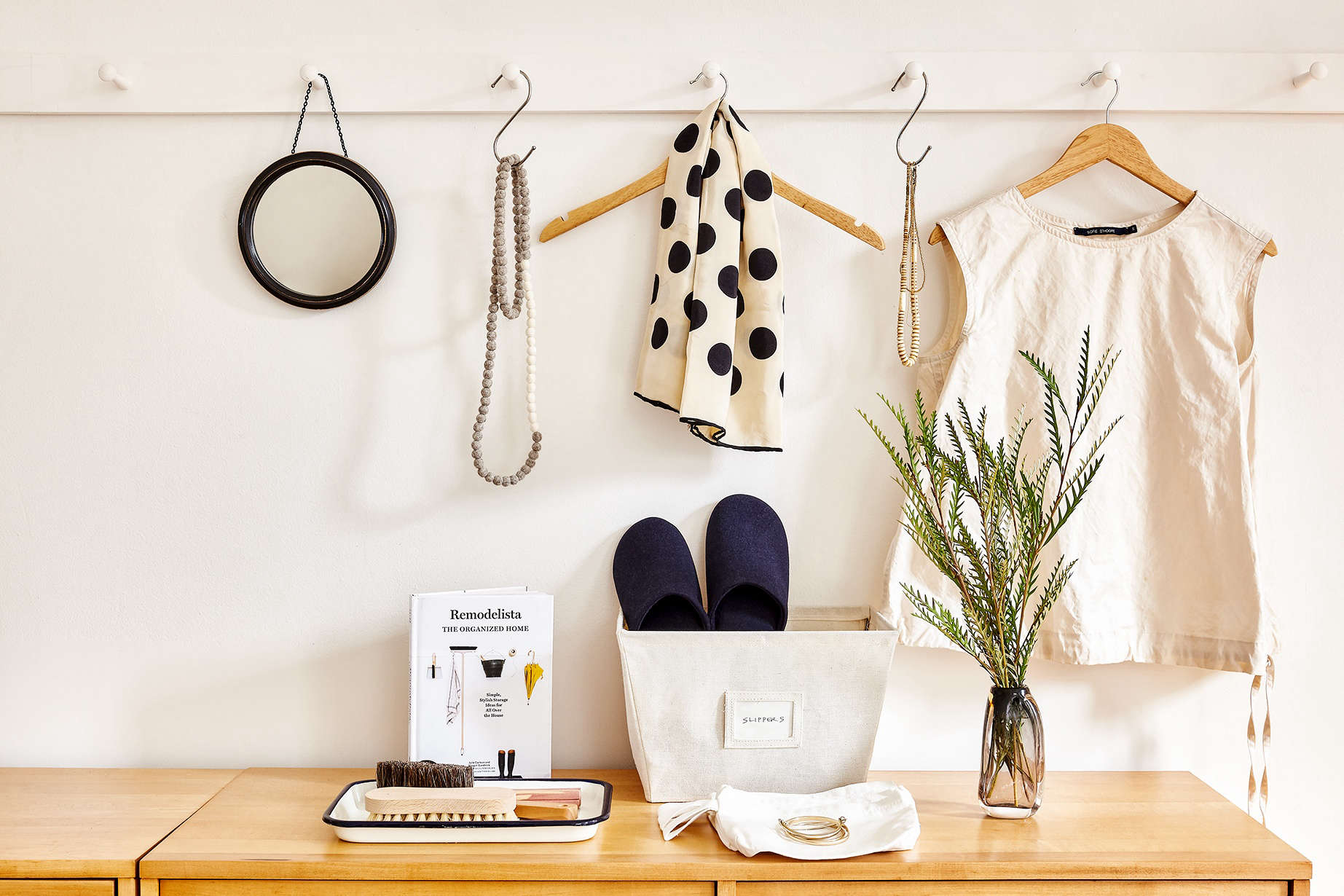
Start where clutter enters the home. Add hooks for bags and coats, a tray for keys, a basket for shoes, and a small folder or wall pocket for incoming papers. A tidy entryway gives the whole home an immediate lift.
Week Two: Kitchen and Pantry
Remove expired food, group ingredients, label shelves, and create zones. Keep snacks where kids can reach them if appropriate. Store heavy items low. Place everyday cooking items close to the stove and prep area.
Week Three: Bathroom and Linen Storage
Edit towels, toiletries, medicine, cleaning products, and backups. Keep only complete sheet sets and practical towel quantities. Use small bins so under-sink storage does not become a cave of forgotten shampoo.
Week Four: Closet and Office
Finish the month by tackling clothing and paperwork. Donate clothing that no longer fits your life. Create a filing system for essential documents. Shred what you do not need. Celebrate with a clean desk and perhaps a snack from your newly organized pantry.
Personal Experience: What a New Year Organization Kit Really Changes
The first time I tried a serious New Year home reset, I made the classic beginner mistake: I bought containers before I knew what I owned. I returned home with a heroic stack of bins, dividers, and baskets, feeling like the main character in a lifestyle commercial. Then I opened the hall closet and realized I had purchased elegant storage for things I did not even want. Nothing says “fresh start” like placing six-year-old extension cords into a matching basket.
The breakthrough came when I stopped thinking of organizing as decorating and started thinking of it as problem-solving. My kitchen problem was not that I lacked pretty jars. It was that I kept buying pasta because I could not see the pasta I already owned. The fix was simple: one shelf for grains, one bin for pasta, one bin for snacks, and labels big enough for everyone in the house to understand. Suddenly the pantry stopped being a mystery novel.
In the bathroom, the issue was duplicates. I found three half-used bottles of lotion, two backup toothpastes, and enough travel-size shampoo to serve a very tiny hotel. A small drawer tray for daily items and a labeled bin for backups changed the routine immediately. The counter looked calmer, and mornings felt less like rummaging through a drawer while half-awake.
The closet was more emotional. Clothes carry stories: the jacket from an old job, the jeans for “someday,” the dress bought for an event that never happened. I learned to keep the story without always keeping the object. A few pieces stayed because they were meaningful. Many left because they were only making me feel guilty in hanger form. Once the closet had breathing room, getting dressed became faster and less frustrating.
The office reset had the biggest mental payoff. Paper clutter is loud even when it sits silently. I created one tray for action items, one file box for important records, and one shred pile. For the first week, I had to remind myself to use the system. By the third week, it felt automatic. Bills stopped hiding under notebooks. Receipts stopped migrating into coat pockets. My desk became a place to work, not a paper wildlife preserve.
The biggest lesson was that an organization kit does not need to be huge or expensive. It needs to be specific. A few labels, a basket in the right spot, a drawer divider, and a donation bag can do more than a cart full of trendy products. The magic is not in the container; it is in the decision behind it.
Another lesson: maintenance matters more than the makeover. The ten-minute nightly reset became the quiet hero of the whole project. Not glamorous. Not Instagram-famous. But extremely effective. A few minutes each evening kept the house from sliding back into chaos. When clutter did return, it was easier to fix because every item had an obvious home.
Most importantly, organizing changed the mood of the home. Not because every shelf looked perfect, but because daily tasks became easier. We found what we needed. We bought fewer duplicates. We stopped apologizing for the entryway. The home felt more supportive, less demanding. That is the real prize of a New Year organization kit: not just tidy drawers, but a smoother life.
Conclusion: Start Small, Customize Everything, Keep Going
The promise behind Start the New Year Off Right: Enter to Win a Custom Organization Kit from the Organized Home is not really about winning a prize. It is about recognizing that your home can be set up to support the year you want to have. Whether you are organizing a kitchen, bathroom, closet, office, or one heroic junk drawer, the formula is the same: declutter first, choose tools that match your habits, label clearly, and maintain the system with small resets.
A custom organization kit works because it is focused. It does not ask you to transform your entire home overnight. It gives you a starting point. And sometimes that is all a New Year needs: one shelf, one drawer, one basket, one label, and one less place for chaos to hide.