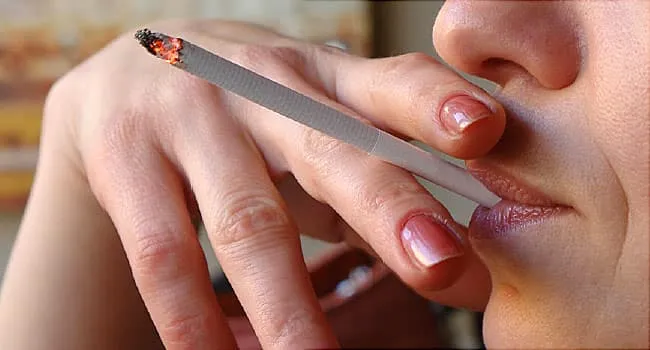
Smoking is one of those habits that acts polite at first. It shows up with a little cloud, a quick buzz, maybe a “stress relief” story, and then quietly starts charging rent in nearly every system of the body. The problem is not only the smoke you see. It is the thousands of chemicals your body has to process, the carbon monoxide that crowds out oxygen, the nicotine that trains the brain to keep asking for more, and the inflammation that builds like a tiny bad roommate who never washes dishes.
The health effects of smoking are not limited to the lungs, although the lungs definitely get a front-row seat to the chaos. Cigarette smoking can affect your heart, blood vessels, brain, immune system, skin, mouth, bones, reproductive health, and even how well your body heals after an injury or illness. In simple terms, smoking does not “just” make you cough. It changes how your body carries oxygen, repairs tissue, fights infection, and handles long-term disease risk.
This guide explains how smoking negatively affects your body, why cigarette smoke is so damaging, what secondhand smoke can do to people nearby, and why quitting is one of the most powerful health decisions a person can make. No scare tactics, no lecture with a megaphonejust real information, explained clearly, with enough personality to keep your brain awake.
What Happens When You Smoke?
When you inhale cigarette smoke, your body receives far more than nicotine. Tobacco smoke contains a toxic mixture of chemicals, including substances linked to cancer, heart disease, lung disease, and reproductive problems. Some chemicals irritate the airways. Others damage DNA. Carbon monoxide attaches to red blood cells more easily than oxygen does, which means your body may deliver less oxygen to your heart, brain, muscles, and organs.
Nicotine adds another layer. It is highly addictive because it affects brain chemistry and reinforces the urge to use tobacco again. The body may begin to expect nicotine as part of its daily rhythm, which is why quitting can feel difficult even when someone genuinely wants to stop. That does not mean quitting is impossible. It means the addiction is biological, not a character flaw. Your brain is not “weak”; nicotine is just very good at pretending it owns the remote control.
How Smoking Affects Your Lungs
It Irritates and Inflames the Airways
Your lungs are built to move clean air in and carbon dioxide out. Cigarette smoke turns that elegant system into a smoky traffic jam. The airways become irritated, inflamed, and more likely to produce mucus. Over time, this can lead to chronic coughing, wheezing, shortness of breath, and frequent respiratory infections.
Small hair-like structures called cilia help clear dust, germs, and mucus from the lungs. Smoking damages these natural cleaning tools. When cilia do not work properly, mucus and irritants stay in the lungs longer. That is one reason smokers often develop a persistent cough: the body is trying to clean up a mess that keeps being delivered daily.
It Raises the Risk of COPD
Chronic obstructive pulmonary disease, or COPD, includes conditions such as emphysema and chronic bronchitis. Smoking is a major cause of COPD, and the disease can make breathing feel like trying to sip a milkshake through a coffee stirrer. With emphysema, the tiny air sacs in the lungs lose elasticity and become damaged. With chronic bronchitis, the bronchial tubes stay inflamed and produce excess mucus.
The scary part is that lung damage can build gradually. A person may not notice serious symptoms at first. The body adapts, then adapts again, until climbing stairs suddenly feels like a competitive sport nobody signed up for. The earlier a person quits smoking, the better the chance of slowing damage and protecting future lung function.
It Strongly Increases Lung Cancer Risk
Smoking is closely linked to lung cancer because tobacco smoke contains chemicals that can damage DNA inside cells. When DNA damage builds up, cells may begin growing abnormally. Lung cancer is not the only cancer associated with smoking, but it is one of the most well-known because the lungs receive direct exposure to inhaled smoke.
Even people who do not smoke can be harmed by secondhand smoke. Smoke in the air can carry many of the same toxic substances inhaled by the smoker. That means smoking can affect family members, friends, coworkers, children, and pets. A cigarette may be small, but its smoke has terrible manners.
How Smoking Harms the Heart and Blood Vessels
The cardiovascular system is another major target. Smoking damages blood vessels, raises blood pressure, increases heart rate, and contributes to plaque buildup in the arteries. Plaque can narrow blood vessels, making it harder for blood to flow. When blood flow is blocked, the risk of heart attack and stroke rises.
Smoking also makes blood more likely to clot. That matters because clots can block arteries that supply the heart or brain. The heart then has to work harder while receiving less oxygen-rich blooda cruel little workplace arrangement, honestly. Imagine asking your heart to run a marathon while giving it a smaller fuel tank and worse roads.
Even light smoking can affect cardiovascular health. Some people assume that a few cigarettes a day are not a big deal, but the heart and blood vessels do not grade on a generous curve. Damage can begin early, and risk increases with continued exposure.
Smoking and Cancer Beyond the Lungs
Many people connect smoking with lung cancer, but cigarette smoking is linked to several cancers throughout the body. Tobacco-related cancers can affect the mouth, throat, voice box, esophagus, stomach, pancreas, liver, kidney, bladder, cervix, colon, rectum, and blood-forming tissues. The reason is simple: chemicals from smoke do not politely stay in the lungs. They enter the bloodstream and travel.
When harmful chemicals circulate through the body, they can damage cells in different organs. Over time, repeated exposure increases the chance that cell damage becomes serious. That is why smoking is considered one of the most preventable causes of cancer. It is not the only factor that matters, but it is a major oneand unlike your weird family genetics, it is a risk factor that can be changed.
Smoking Weakens the Immune System
Your immune system is your body’s security team. Smoking makes that team work in a smoky building with bad lighting and a broken walkie-talkie. Chemicals in tobacco smoke can increase inflammation and reduce the body’s ability to fight infections. People who smoke may get respiratory infections more often, recover more slowly, or have worse symptoms from illnesses that affect the lungs.
Smoking can also interfere with healing. After surgery, injuries, dental procedures, or skin wounds, the body needs oxygen-rich blood to repair tissue. Because smoking affects circulation and oxygen delivery, healing may take longer. This is one reason healthcare providers often advise patients to stop smoking before operations or major treatments.
How Smoking Affects the Brain and Nervous System
Nicotine reaches the brain quickly. It can create a temporary feeling of alertness, calm, or reward, which is part of why cigarettes can become so habit-forming. But that short-term effect comes with a long-term trap. As the brain adapts to nicotine, cravings can become stronger, and withdrawal symptoms may appear when nicotine levels drop.
Withdrawal can include irritability, anxiety, trouble concentrating, sleep changes, and strong urges to smoke. That does not mean a person needs cigarettes to function. It means the brain is adjusting after repeated nicotine exposure. Over time, after quitting, many people find that cravings become less intense and daily life feels more stable. The brain can relearn. It just may complain dramatically during the first chapter.
Smoking, Skin, Teeth, and Appearance
Smoking affects appearance in ways that are more than cosmetic. Reduced blood flow and oxygen delivery can contribute to premature skin aging, dullness, and slower skin repair. The mouth also takes a hit. Smoking stains teeth, contributes to bad breath, raises the risk of gum disease, and can increase the risk of oral cancer.
Gum disease is especially important because it is not only about a smile looking nice in photos. Healthy gums help support teeth. When smoking weakens gum health and reduces healing, dental problems can become harder to manage. In other words, smoking can make your dentist’s eyebrows rise in that silent, expensive way.
Smoking and Reproductive Health
Smoking can harm reproductive health in both men and women. It may affect fertility, hormone balance, pregnancy outcomes, and the health of a developing baby. During pregnancy, smoking can reduce oxygen supply and expose the fetus to harmful chemicals. It is associated with higher risks such as low birth weight, premature birth, pregnancy complications, and sudden infant death syndrome after birth.
Secondhand smoke also matters during pregnancy and around babies. Infants and young children are still developing, and exposure to tobacco smoke can increase the risk of breathing problems, ear infections, asthma attacks, and other health issues. A smoke-free home and car are not just nice ideas; they are practical protection.
Secondhand Smoke: The Problem That Spreads
Secondhand smoke is the smoke that comes from burning tobacco products and the smoke exhaled by someone who is smoking. It can affect adults, children, and people with existing health conditions. There is no safe level of secondhand smoke exposure, and even brief exposure can irritate the body and affect the heart and blood vessels.
For children, secondhand smoke can be especially harmful because their lungs and immune systems are still developing. They breathe faster than adults, which can mean more exposure relative to body size. They also do not get to choose whether someone smokes nearby. That is why smoke-free indoor spaces are so important.
Does Smoking Help With Stress?
Many people say they smoke because it helps them relax. The feeling is real, but the explanation is tricky. Nicotine can briefly change brain chemistry in a way that feels calming. However, as nicotine levels fall, withdrawal can create tension, restlessness, and irritability. Smoking then relieves the withdrawal symptoms it helped create. That is not stress management; that is a tiny chemical subscription service with terrible customer support.
Healthier stress tools may not feel as instant at first, but they do not damage the lungs or raise disease risk. Walking, breathing exercises, talking with someone, drinking water, chewing sugar-free gum, journaling, stretching, or using professional quit-smoking support can help replace the smoke break with something that actually supports the body.
What Improves When Someone Quits Smoking?
The body begins changing after a person stops smoking. Heart rate and blood pressure can improve. Carbon monoxide levels fall, allowing oxygen delivery to recover. Over time, circulation improves, lung function may get better, coughing may decrease, and the risks of heart disease, stroke, COPD, and several cancers decline.
Quitting does not erase every past exposure, but it gives the body a chance to repair what it can and protect what remains. The benefits happen whether someone has smoked for a short time or for many years. Quitting earlier is better, but quitting at any age can improve health. The body is surprisingly forgiving when given a smoke-free environment. It may not send a thank-you card, but it will show appreciation in quieter ways.
Practical Examples of How Smoking Shows Up in Daily Life
The negative effects of smoking often appear in small daily moments before they become medical diagnoses. A person might get winded walking uphill, cough every morning, notice less stamina during exercise, or catch colds that linger. Food may taste flatter. Clothes and hair may hold smoke odor. Dental cleanings may become more difficult. Sleep may feel less refreshing because breathing and nicotine withdrawal can both interfere with rest.
Financial stress can also sneak in. Cigarettes are expensive, and the cost adds up quickly. Then come possible medical costs, dental treatments, cleaning costs, and the invisible price of lost energy. Smoking does not only affect the body; it can affect routines, relationships, confidence, and everyday convenience.
Experience-Based Insights: What People Often Notice About Smoking’s Effects
When people talk about smoking and health, the conversation often jumps straight to big diseases. Those risks matter, of course, but many real-life experiences begin much smaller. A common story is the “stairs moment.” Someone may feel mostly fine, then one day they climb a flight of stairs and realize they are breathing harder than expected. At first, they blame being tired, busy, or out of shape. Sometimes that is part of it. But smoking can quietly reduce endurance, and the body often whispers before it shouts.
Another everyday experience is the morning cough. It may start as a small throat-clearing routine, like the body is trying to reboot a dusty computer. Over time, it can become more frequent, especially after waking up. This happens because the lungs are trying to clear mucus and irritants. The cough can feel normal if it happens every day, but “normal” does not always mean healthy. It may be the body sending a memo with all caps in the subject line.
People also notice changes in taste and smell. Meals may seem less flavorful, and scents may become harder to detect. After quitting, many people are surprised when food tastes brighter again. Suddenly soup has layers, coffee has personality, and fruit stops behaving like mildly sweet cardboard. This improvement can be motivating because it is easy to feel in daily life.
Social experiences can change too. Smoking may require stepping outside during meals, movies, school events, work breaks, or family gatherings. Over time, that can feel isolating. Friends or relatives may avoid smoke because of asthma, pregnancy, children, allergies, or personal preference. Even when nobody says anything, smoke odor can follow a person into rooms, cars, jackets, and furniture. That lingering smell can become a frustrating reminder that smoking travels farther than intended.
There is also the experience of cravings. A craving can feel urgent, like the brain has declared an emergency meeting and invited nobody reasonable. Triggers vary: stress, coffee, driving, boredom, finishing a meal, or seeing someone else smoke. Understanding triggers is useful because it turns a mysterious urge into a pattern. Once a pattern is visible, it becomes easier to plan around it.
People who quit often describe the first days as challenging but meaningful. They may feel restless, hungry, emotional, or foggy. These feelings can be uncomfortable, but they are also signs that the body is adjusting. Support helps. So do replacement routines: walking after meals, keeping hands busy, drinking water, using approved quit-smoking aids when appropriate, and talking to a healthcare professional. Quitting is not about having superhero willpower. It is about building enough support that cravings do not get the final vote.
The most encouraging experience many former smokers describe is getting pieces of life back: easier breathing, fewer smoke breaks, better stamina, fresher clothes, improved taste, more confidence, and the relief of not planning the day around the next cigarette. The body may not recover overnight, but each smoke-free day is a vote for better circulation, calmer lungs, and a future with fewer health risks.
Conclusion
Smoking negatively affects the body from head to toe. It damages the lungs, strains the heart, harms blood vessels, increases cancer risk, weakens the immune system, affects reproductive health, slows healing, and exposes others to secondhand smoke. The damage can be serious, but the hopeful part is just as real: quitting smoking can improve health, reduce disease risk, and help the body begin repairing itself.
The best time to avoid smoking is before it starts. The next best time to quit is today. Whether someone is thinking about quitting, trying again after a setback, or supporting someone else, every step away from tobacco smoke matters. Your lungs, heart, brain, skin, teeth, family, wallet, and future self all have excellent reasons to cheer.