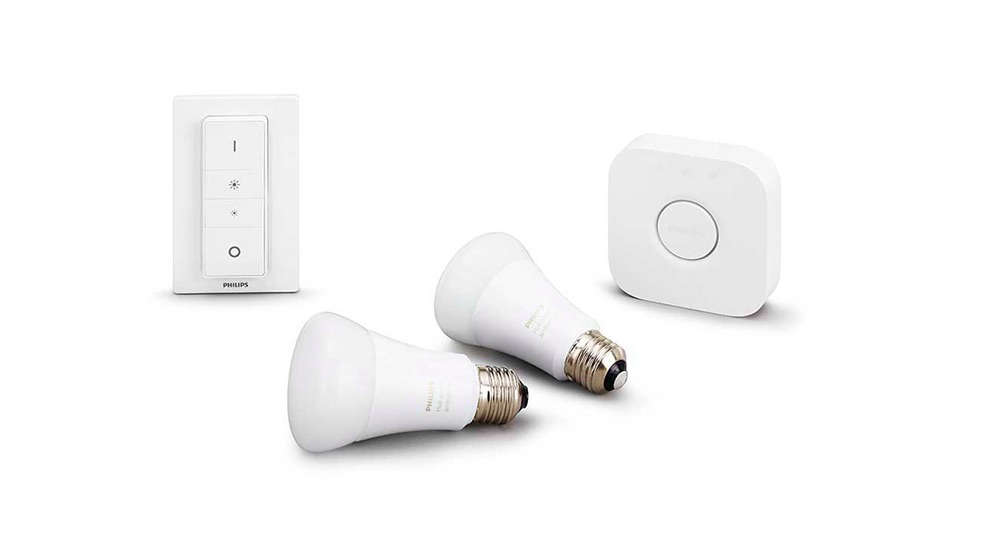
Remodeling a home used to mean picking paint, flooring, countertops, and maybe arguing gently with a tape measure. Today, there is another tiny decision with surprisingly big impact: the light bulb. Not the boring old bulb that simply glows when asked, but the smart light bulbthe little LED overachiever that can dim, change color, follow schedules, respond to voice commands, and make your living room look like a boutique hotel instead of a place where socks mysteriously disappear.
Smart light bulbs are one of the easiest remodeling upgrades because they do not usually require rewiring, drywall dust, or a contractor named Rick who says “quick job” and then discovers three problems behind the wall. You screw them in, connect them to an app or smart-home platform, and suddenly your lighting becomes flexible. But easy does not mean thoughtless. The best smart lighting remodel starts with a plan: brightness, color temperature, control method, compatibility, privacy, security, and the actual mood you want each room to have.
This Remodeling 101 guide explains how smart light bulbs work, where they make the most sense, what to buy, what to avoid, and how to design rooms that feel intentional rather than “I bought twelve random bulbs during a sale and now my kitchen looks like a spaceship.”
What Are Smart Light Bulbs?
Smart light bulbs are LED bulbs with built-in wireless control. Instead of relying only on a wall switch, they can be controlled through a phone app, voice assistant, smart speaker, remote, motion sensor, automation, or smart-home system. Many models support dimming. Some offer tunable white light, moving from warm amber to crisp daylight. Others add full-color lighting, which is fun when used well and slightly alarming when your bathroom turns nightclub purple at 6 a.m.
Most smart bulbs use LED technology, which is important because LEDs are efficient, long-lasting, and cool-running compared with old incandescent bulbs. In remodeling terms, that means lower energy use, less bulb replacement, and more control over how rooms look and function. Smart bulbs can also help reduce wasted light by using schedules, timers, occupancy routines, and remote shutoff.
Why Smart Bulbs Belong in a Remodel
Lighting is not decoration after the fact. It is part of the architecture of a room. A good remodel can be weakened by bad lighting, and a modest remodel can feel dramatically better with thoughtful lighting. Smart light bulbs are especially useful when you want flexibility without opening walls.
They Improve Daily Convenience
Smart bulbs let you control lights from your phone, by voice, or automatically. You can turn off forgotten bedroom lamps from downstairs, schedule porch lights to come on at sunset, or dim the dining area without performing the classic wall-switch tap dance. In homes with kids, pets, guests, or busy routines, convenience is not a luxury; it is how you keep the house from feeling like a small airport.
They Help Create Better Room Moods
A kitchen needs bright task light when chopping vegetables. A living room needs softer light for relaxing. A bedroom needs warm, low light before sleep. A home office needs clarity without glare. Smart bulbs allow one fixture to support multiple moods, which is a remodeling superpower hiding in plain sight.
They Can Save Energy When Used Properly
LED bulbs already use far less energy than traditional incandescent bulbs. Smart features add savings potential when they prevent lights from being left on unnecessarily. The biggest win often comes from smart schedules, motion-based routines, dimming, and grouping bulbs so an entire zone can be turned off at once.
Smart Bulb Basics: The Terms That Actually Matter
Shopping for smart bulbs can feel like reading a robot’s grocery list: lumens, watts, kelvins, CRI, Wi-Fi, Thread, Matter, Zigbee, hub, bridge, dimmable, tunable, RGB. Let’s translate.
Lumens: Brightness, Not Watts
Lumens measure brightness. Watts measure energy use. In the old days, people bought bulbs by watts because most bulbs used similar technology. Today, two bulbs can use different wattage and produce similar brightness. For remodeling, shop by lumens. As a practical reference, around 800 lumens often replaces the feel of a traditional 60-watt incandescent bulb, while larger rooms or task areas may need multiple bulbs or higher-output fixtures.
Kelvin: The Color of White Light
Color temperature is measured in kelvins. Warm white light around 2700K feels cozy and traditional. Neutral white around 3000K to 3500K feels clean and modern. Cooler light around 4000K to 5000K can feel energizing and crisp, but too much of it in living areas may make your home feel like a dental office with throw pillows.
For most remodeling projects, warm light works beautifully in bedrooms, living rooms, dining rooms, and evening spaces. Neutral light works well in kitchens, bathrooms, closets, laundry rooms, and work zones. Tunable smart bulbs are useful because they let the same bulb shift throughout the day.
CRI: How Natural Colors Look
Color Rendering Index, or CRI, describes how accurately a light source reveals colors. A higher CRI generally means colors look more natural. This matters in bathrooms, closets, kitchens, art areas, and anywhere paint, tile, fabric, or food color matters. A low-quality bulb can make your beautiful new backsplash look dull, your navy sofa look black, or your guacamole look suspiciously haunted.
White Ambiance vs. Full Color
Not every smart bulb needs to be full color. Tunable white bulbs are often enough for serious remodeling because they provide practical day-to-night lighting. Full-color bulbs are great for accent lamps, media rooms, gaming spaces, holiday scenes, and creative rooms. The trick is restraint. A little color can add drama. Too much color can make your home look like it is hosting a laser-tag tournament.
Wi-Fi, Bluetooth, Zigbee, Thread, and Matter: Which One Should You Choose?
Smart bulbs connect in different ways. The best choice depends on your home, your patience level, and how many devices you plan to install.
Wi-Fi Smart Bulbs
Wi-Fi bulbs connect directly to your home router. They are easy to set up and usually do not require a separate hub. They are ideal for small projects: a bedroom, a home office, a few lamps, or a rental-friendly upgrade. The downside is that too many Wi-Fi bulbs can crowd a weak network, especially in larger homes with older routers.
Bluetooth Smart Bulbs
Bluetooth bulbs are simple and often affordable, but range and remote-control features may be limited unless they also connect through a hub or bridge. They are fine for small rooms, but not always ideal for whole-home remodeling.
Zigbee Bulbs
Zigbee bulbs typically require a hub or bridge. The benefit is that Zigbee creates a mesh network where compatible devices can communicate efficiently. This can be reliable for larger setups, especially when many bulbs are involved. The trade-off is ecosystem planning: you need to make sure the bulb, hub, and platform work together.
Thread Bulbs
Thread is a low-power mesh networking protocol designed for smart-home devices. It can be fast and responsive, but Thread devices usually require a Thread border router, such as certain smart speakers, displays, or hubs. Thread is especially interesting for remodelers because it is designed for modern smart-home reliability and works closely with Matter.
Matter Compatibility
Matter is a smart-home standard created to improve compatibility among major ecosystems. In plain English, Matter aims to make devices work more smoothly across platforms like Apple Home, Google Home, Amazon Alexa, and Samsung SmartThings. For remodeling, choosing Matter-compatible bulbs can be a smart move because it may reduce platform lock-in. However, Matter is still evolving, so you should still check the bulb’s exact features, connection type, and supported platforms before buying.
Where Smart Bulbs Make the Most Sense
Smart bulbs are not always the answer for every fixture. Sometimes a smart switch is better. Sometimes a dedicated smart fixture is better. But smart bulbs shine in several remodeling situations.
Lamps and Plug-In Fixtures
Table lamps, floor lamps, and decorative plug-in lights are perfect candidates. You do not need to touch wiring, and you can create zones instantly. A living room with two table lamps and one floor lamp can become a one-tap “movie night” scene or a warm evening reading setup.
Bedrooms
Smart bulbs are excellent in bedrooms because they support gentle wake-up routines, dim evening scenes, and easy bedside control. Instead of stumbling in the dark like a confused raccoon, you can set lights to fade up gradually in the morning or dim automatically at night.
Home Offices
A home office benefits from lighting that changes with the day. Bright neutral light can support focus during work hours, while warmer light can help the room transition back into a calmer space after work. This is especially useful in small homes where one room must wear several hats.
Living Rooms and Media Rooms
Smart bulbs can make a living room feel polished. Use warm white for daily comfort, dimmed scenes for movies, and subtle color accents behind shelves or lamps. The goal is atmosphere, not turning the sofa into a UFO landing pad.
Entryways and Porches
Smart bulbs in entryways and porch fixtures can improve convenience and security. Schedules can turn lights on around sunset, while vacation routines can make the home look occupied. Just make sure outdoor bulbs are rated for outdoor or damp locations when the fixture requires it.
When a Smart Switch Is Better Than a Smart Bulb
Smart bulbs are wonderful, but they have one classic weakness: if someone turns off the wall switch, the bulb loses power and stops being smart. It becomes a very expensive regular bulb having an identity crisis.
For ceiling fixtures, recessed lights, chandeliers, and rooms where multiple bulbs are controlled by one switch, a smart switch or smart dimmer may be better. A smart switch keeps control at the wall and works with standard LED bulbs, as long as the bulbs are compatible with the dimmer. This is often the smarter remodeling choice for kitchens, hallways, dining rooms, and whole-room overhead lighting.
A good rule: use smart bulbs for lamps, accent lighting, and fixtures where color or tunable white matters. Use smart switches for built-in lighting that everyone expects to control from the wall.
Planning Smart Lighting Room by Room
A strong remodel uses layered lighting. Think of lighting in three layers: ambient, task, and accent.
Ambient Lighting
Ambient lighting is the general light in a room. It usually comes from ceiling fixtures, recessed lights, or broad lamps. Smart bulbs can help ambient lighting change intensity throughout the day. For example, a kitchen might be bright at breakfast and softer during late-night snack missions.
Task Lighting
Task lighting supports specific activities: reading, cooking, grooming, studying, folding laundry, or pretending to organize paperwork while actually browsing recipes. Task lighting should be bright enough, well placed, and not overly shadowy. Smart bulbs in desk lamps, vanity fixtures, and under-shelf lamps can work well when they provide the right brightness and color quality.
Accent Lighting
Accent lighting adds depth. It highlights artwork, shelves, plants, textured walls, or architectural details. This is where smart color bulbs can be useful. A warm amber accent behind a bookcase can look elegant. A rotating rainbow scene during dinner may require family approval and possibly a written permit.
Smart Bulb Remodeling Checklist
Before buying a cart full of smart bulbs, walk through your home and answer a few practical questions.
1. What Fixtures Are You Upgrading?
List every lamp, ceiling fixture, pendant, sconce, recessed can, and outdoor light. Note the bulb base, fixture shape, and wattage limits. Many smart bulbs are slightly larger than standard bulbs, so check whether they fit enclosed fixtures, narrow shades, or decorative glass covers.
2. Do You Need Dimming?
Most smart bulbs dim through the app, not through a traditional wall dimmer. Using a smart bulb with an old dimmer switch can cause flickering, buzzing, or strange behavior. If dimming matters, choose smart bulbs and switches carefully, and avoid mixing incompatible controls.
3. Which Platform Do You Use?
Decide whether you want control through Apple Home, Google Home, Amazon Alexa, Samsung SmartThings, or another platform. Then buy bulbs that clearly support that system. Matter-compatible bulbs can help, but you still need to confirm whether you are buying Matter over Wi-Fi or Matter over Thread.
4. How Strong Is Your Wi-Fi?
If your Wi-Fi already struggles when someone streams a movie in the next room, adding twenty Wi-Fi bulbs may not bring peace to the household. For larger remodels, consider a stronger router, mesh Wi-Fi, Zigbee, Thread, or a hub-based lighting system.
5. What Is Your Security Plan?
Smart bulbs are connected devices, so treat them like part of your home network. Use strong passwords, keep firmware updated, buy from reputable brands, and avoid random bargain bulbs with unclear support. When available, look for products that provide clear security information and ongoing software updates.
Common Mistakes to Avoid
The most common mistake is buying smart bulbs one at a time without a plan. That leads to five apps, three platforms, two bulbs that refuse to pair, and one homeowner whispering threats at a lamp.
Another mistake is ignoring color temperature. A remodel can look inconsistent if one room has warm 2700K light while the next has icy 5000K light for no design reason. Consistency matters, especially in open floor plans.
A third mistake is putting smart bulbs in fixtures controlled by wall switches that people constantly turn off. If household members use the switch out of habit, your automations will fail. In those locations, smart switches are usually better.
Finally, do not assume every smart bulb works outdoors, in enclosed fixtures, or with every dimmer. Always check product ratings. A bulb that overheats in the wrong fixture will not be smart; it will be retired early.
Budgeting for Smart Light Bulbs
Smart bulbs cost more upfront than basic LED bulbs. Budget options can work well for simple setups, while premium systems often offer better color quality, smoother dimming, stronger ecosystems, and more accessories. For a remodel, it is usually smarter to spend more where lighting matters mostkitchens, bedrooms, living rooms, and visible accent areasand use simpler LEDs or smart switches elsewhere.
Start with a pilot room before buying for the whole house. Test brightness, app quality, color temperature, voice control, response time, and how your family actually uses the lights. A one-room test can save money and prevent the classic remodeling regret known as “why did I buy thirty of these?”
Smart Light Bulbs and Home Value
Smart bulbs alone may not dramatically raise home value, but thoughtful lighting can improve the way a home feels to buyers, guests, and daily residents. Good lighting makes rooms look cleaner, larger, warmer, and more finished. During a remodel, smart lighting can help a home feel modern without requiring a full electrical redesign.
For resale, keep the system simple. Buyers may appreciate smart features, but they do not want to inherit a complicated puzzle with seven apps and a handwritten note saying, “Do not unplug the blue hub.” Matter-compatible devices, clearly labeled controls, and easy manual operation make smart lighting more appealing.
of Real-World Experience: What Smart Bulbs Teach You After Living With Them
The first thing smart light bulbs teach you is that convenience is addictive. At first, you think, “I do not need to control a lamp from my phone.” Then one night you are already comfortable on the couch, wrapped in a blanket like a human burrito, and you turn off every downstairs light with one tap. Suddenly, the future makes sense.
In real remodeling projects, the best results usually come from using smart bulbs selectively. The bedroom is often the first room where people truly appreciate them. A wake-up routine that slowly brightens the lights feels much better than a loud alarm dragging you into consciousness like a rude parade. Evening dimming is just as useful. Warm, low light makes the room feel calmer, and it gently reminds your brain that the day is closing, even if your phone disagrees.
The living room is another high-impact space. Smart bulbs in lamps can completely change the mood without changing furniture. During the day, brighter neutral light makes the room feel active and clean. In the evening, warm dimmed lamps create a softer atmosphere. For movie nights, one low accent light behind a chair or shelf is usually better than total darkness. It reduces eye strain and makes the room feel cozy rather than cave-like.
The kitchen is where expectations need discipline. Smart bulbs can work well in pendants or breakfast areas, but serious cooking zones need reliable task lighting. If your hands are messy, app control is not helpful. Voice control or a wall control matters more. In many kitchens, smart switches paired with quality LED fixtures are more practical than smart bulbs in every socket. Smart bulbs are best for decorative pendants, toe-kick lighting, or dining corners where mood matters.
Bathrooms are tricky. Good color rendering is essential because grooming under bad light is how people accidentally leave the house looking slightly surprised. Choose bulbs with flattering warm or neutral light and strong color quality. Avoid dramatic colored bulbs around mirrors unless your daily goal is “haunted aquarium.”
Another lived-in lesson: names matter. If you name bulbs “Lamp 1,” “Lamp 2,” and “That Other One,” voice control becomes comedy. Use clear names like “bedside lamp,” “reading lamp,” “sofa lamp,” and “entry light.” Group lights by room and create scenes with normal names such as “Relax,” “Dinner,” “Movie,” and “Good Night.” Your future self will thank you.
Finally, smart lighting works best when it still behaves like normal lighting. Guests should not need an app to use your bathroom. Family members should not need a tutorial to turn on the hallway. The best remodel blends smart control with simple physical control. When technology disappears into comfort, you have done it right.
Conclusion: Smart Lighting Is a Small Upgrade With Big Remodeling Energy
Smart light bulbs are not just gadgets. Used thoughtfully, they are practical remodeling tools that improve comfort, flexibility, energy awareness, and atmosphere. They let you adjust a room without repainting it, make daily routines smoother, and bring older homes into the modern smart-home era with minimal disruption.
The secret is planning. Choose bulbs by lumens, not old watt habits. Match color temperature to the room. Pay attention to CRI where color accuracy matters. Decide whether Wi-Fi, Zigbee, Thread, or Matter makes sense for your setup. Use smart bulbs where their flexibility shines, and use smart switches where wall control matters more. Above all, design lighting for real life, not just for app screenshots.
A smart bulb will not fix a bad remodel, but it can make a good remodel feel finished. And when your lights dim automatically at night, your porch turns on at sunset, and your living room changes from work mode to movie mode without anyone leaving the couch, you may wonder why the humble bulb waited so long to get clever.