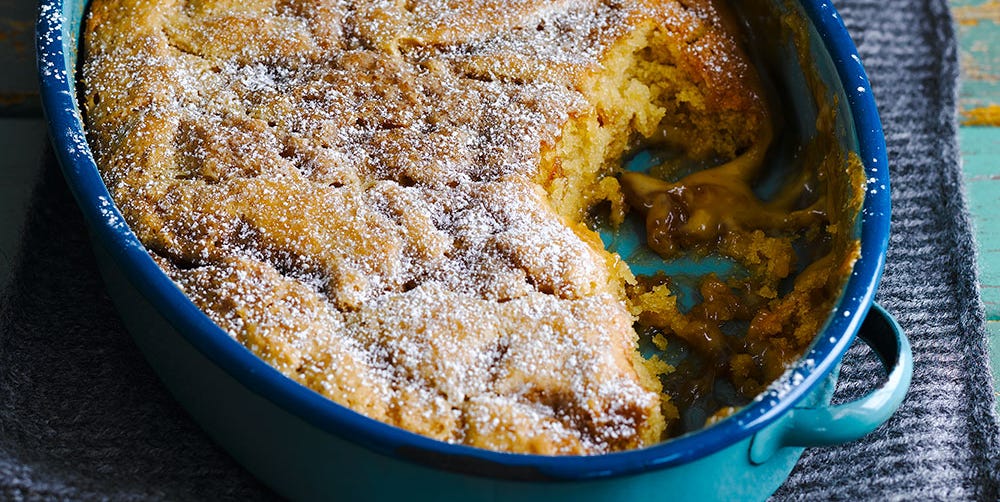
Slow cooker desserts deserve more applause. We trust the slow cooker with pot roast, chili, pulled pork, and every “set it and forget it” dinner that makes weeknights survivable. But dessert? That is where this humble countertop hero quietly becomes the MVP of cozy cooking. And at the top of that warm, gooey, spoon-friendly list sits slow cooker butterscotch pudding: rich, buttery, brown-sugar magic with the soft comfort of old-fashioned pudding and the low-effort charm of a lazy Sunday.
This dessert is for anyone who wants something homemade without standing at the stove like a pastry-school contestant having an emotional breakthrough. Traditional butterscotch pudding can require constant whisking, careful tempering, and a watchful eye. A slow cooker version takes the same beloved flavorsbrown sugar, butter, cream, vanilla, and a pinch of saltand turns them into a relaxed, saucy dessert that practically asks to be served with vanilla ice cream.
The best part? It feels fancy, but it behaves like comfort food. There is no complicated sugar thermometer drama, no “soft-ball stage,” and no need to pretend you know what “nappe consistency” means. If you can stir, pour, cover, and wait, you can make this pudding. Your slow cooker does the babysitting while you do literally anything else.
What Makes Butterscotch Pudding So Irresistible?
Butterscotch is often confused with caramel, but the two have different personalities. Caramel usually starts with white sugar cooked until deeply amber. Butterscotch leans on brown sugar and butter, which gives it a softer, warmer, slightly molasses-like flavor. Think of caramel as polished and dramatic; butterscotch is its cozy cousin wearing a cardigan and bringing extra sauce.
A good butterscotch pudding should be sweet, but not flat. The butter adds roundness, the brown sugar adds depth, vanilla gives aroma, and salt keeps everything from tasting like a spoonful of candy. In a slow cooker dessert, that flavor becomes even more comforting because the gentle heat allows the sauce to develop slowly while the pudding thickens or bakes into a self-saucing texture.
Depending on how you prepare it, slow cooker butterscotch pudding can be creamy like a custard, cakey like a pudding cake, or molten like a self-saucing dessert. This article focuses on a crowd-friendly version that combines a tender pudding-cake layer with a luscious butterscotch sauce underneath. When you scoop into it, the spoon dives through soft cake and comes back with golden sauce. It is dessert archaeology, and the treasure is brown sugar.
Why Use a Slow Cooker for Dessert?
The slow cooker brings three big advantages to dessert: gentle heat, moisture retention, and convenience. Unlike an oven, which surrounds food with dry heat, a slow cooker traps steam under the lid. That creates a soft, moist environment that is perfect for pudding cakes, bread puddings, fruit cobblers, and saucy desserts.
It also frees up oven space, which matters during holidays, dinner parties, or any night when your oven is already occupied by roasted vegetables, casseroles, or a frozen pizza you are pretending is “artisanal.” A slow cooker dessert can sit quietly on the counter while the rest of dinner happens.
For butterscotch pudding, the slow cooker is especially useful because it prevents harsh heat from scorching the dairy or burning the sugar. You still need to measure well and avoid overcooking, but the process is much more forgiving than a saucepan over direct flame.
Slow Cooker Butterscotch Pudding Recipe
This recipe makes a warm, self-saucing butterscotch pudding that serves 6 to 8 people. It is rich enough for a holiday table but simple enough for a weeknight dessert. Use a 4-quart to 6-quart slow cooker for best results.
Ingredients for the pudding base
- 1 cup all-purpose flour
- 2 teaspoons baking powder
- 1/4 teaspoon fine salt
- 1/2 cup packed light brown sugar
- 1/2 cup whole milk
- 1 large egg
- 3 tablespoons unsalted butter, melted and slightly cooled
- 1 teaspoon vanilla extract
Ingredients for the butterscotch sauce
- 3/4 cup packed dark brown sugar
- 2 tablespoons cornstarch
- 1 1/2 cups boiling water
- 3 tablespoons unsalted butter, cut into small pieces
- 1/2 teaspoon vanilla extract
- 1/4 teaspoon fine salt
- Optional: 1 tablespoon bourbon or Scotch for deeper flavor
For serving
- Vanilla ice cream
- Whipped cream
- Toasted pecans
- Flaky sea salt
- Crushed toffee bits
Step-by-Step Instructions
1. Grease the slow cooker
Lightly coat the inside of your slow cooker with butter or nonstick cooking spray. This helps the pudding release more easily and prevents the edges from sticking. If your slow cooker runs hot, you can also use a slow cooker liner, though a greased ceramic insert usually works well.
2. Mix the dry ingredients
In a medium bowl, whisk together the flour, baking powder, salt, and light brown sugar. Whisking is not just for show; it breaks up brown sugar clumps and helps the baking powder distribute evenly. Nobody wants one bite that rises like a soufflé and another that tastes like a sleepy pancake.
3. Add the wet ingredients
In a separate bowl, whisk the milk, egg, melted butter, and vanilla. Pour the wet mixture into the dry mixture and stir just until combined. The batter should be thick but spoonable. Do not overmix it. Overworked batter can become tough, and this dessert should feel soft and tender, not like it has been training for a marathon.
4. Spread the batter in the slow cooker
Spoon the batter into the prepared slow cooker and spread it gently into an even layer. It does not have to look perfect. This is not a wedding cake; it is a glorious spoon dessert with sauce hiding underneath.
5. Make the butterscotch sauce
In another bowl, stir together the dark brown sugar and cornstarch. Add the boiling water, butter, vanilla, salt, and optional bourbon or Scotch. Stir until the butter mostly melts. The mixture will look thin, but do not panic. The cornstarch thickens as the dessert cooks, creating that beautiful butterscotch sauce.
6. Pour the sauce over the batter
Slowly pour the hot sauce mixture over the batter. Do not stir. This feels wrong the first time, like you are ruining everything. You are not. During cooking, the batter rises while the sauce sinks and thickens. It is kitchen science wearing a dessert hat.
7. Cook gently
Cover and cook on HIGH for 1 1/2 to 2 1/2 hours, or until the top looks set and the edges are gently pulling away from the sides. Cooking time depends on the size and strength of your slow cooker. Start checking around 90 minutes. The center should look moist but not raw.
8. Rest before serving
Turn off the slow cooker and let the pudding rest uncovered for 10 to 15 minutes. This allows the sauce to thicken slightly and keeps everyone from burning their tongue in the name of enthusiasm. Serve warm with ice cream, whipped cream, toasted nuts, or a tiny sprinkle of flaky salt.
Tips for the Best Slow Cooker Butterscotch Pudding
Use dark brown sugar for deeper flavor
Light brown sugar gives a mild sweetness, but dark brown sugar brings a stronger molasses note that makes butterscotch taste fuller. For the best balance, use light brown sugar in the cake-like base and dark brown sugar in the sauce.
Add salt, even if you have a sweet tooth
Salt is not there to make the pudding salty. It sharpens the butterscotch flavor and keeps the dessert from becoming one-dimensional. A small pinch of salt can make the difference between “nice pudding” and “who ate the last scoop?”
Do not lift the lid too often
Every time you lift the lid, heat escapes and cooking slows down. Peek near the end of the cooking time, not every ten minutes. The slow cooker is doing its job; let it have a little privacy.
Control condensation with a towel
If your slow cooker produces a lot of condensation, place a clean kitchen towel or a few layers of paper towel under the lid, making sure the towel does not touch the heating element. This catches excess moisture and helps the top of the pudding set more evenly.
Serve it warm
Butterscotch pudding is at its best when warm and saucy. The texture becomes thicker as it cools, which is still delicious, but the hot-and-cold contrast of warm pudding with vanilla ice cream is hard to beat. It is the dessert equivalent of a standing ovation.
Common Mistakes to Avoid
Overcooking the pudding
Overcooked slow cooker desserts can become dry around the edges. Since slow cookers vary widely, check the pudding early the first time you make it. If the top is set and the sauce is bubbling around the edges, it is probably ready.
Using cold sauce liquid
Boiling water helps dissolve the sugar and activates the sauce-making process. Cold liquid may delay cooking and create uneven texture. Hot liquid gives the dessert a better start.
Skipping the cornstarch
Cornstarch helps the sauce thicken. Without it, the sauce can remain watery instead of turning glossy and spoonable. Measure it carefully and mix it with the brown sugar before adding liquid to prevent clumps.
Overmixing the batter
Stir only until the flour disappears. A few tiny lumps are better than a tough pudding base. This dessert should be tender enough to scoop, not slice like a brick.
Flavor Variations
Salted butterscotch pudding
Add a sprinkle of flaky sea salt just before serving. The salt makes the brown sugar and butter flavors pop beautifully. This version is especially good with vanilla bean ice cream.
Pecan butterscotch pudding
Stir 1/2 cup chopped toasted pecans into the batter before cooking. Pecans add crunch and a nutty flavor that pairs naturally with brown sugar and butter.
Bourbon butterscotch pudding
Add 1 tablespoon bourbon to the sauce mixture. The alcohol mostly mellows during cooking, leaving behind a warm, oaky note. Keep it optional if serving children or guests who avoid alcohol.
Chocolate chip butterscotch pudding
Sprinkle 1/3 cup semisweet chocolate chips over the batter before pouring on the sauce. The result is sweeter and richer, like a brownie sundae wandered into a butterscotch shop and made friends.
What to Serve with Butterscotch Pudding
The classic topping is vanilla ice cream, and honestly, it earns its reputation. The ice cream melts into the warm sauce, creating a creamy pool that makes every spoonful better. Whipped cream is lighter and works nicely if you want the butterscotch flavor to stay front and center.
For texture, try toasted pecans, walnuts, crushed pretzels, or toffee bits. A spoonful of crème fraîche or Greek yogurt can add tang if you prefer a less sweet finish. Fresh sliced bananas also work surprisingly well, giving the dessert a banana-butterscotch pie feeling without making pie crust. Everyone wins.
How to Store and Reheat Leftovers
Store leftover slow cooker butterscotch pudding in an airtight container in the refrigerator for up to 3 days. The sauce will thicken as it chills, so the texture will be denser the next day. To reheat, microwave individual portions in short intervals until warm. Add a splash of milk or cream if you want to loosen the sauce.
You can also reheat leftovers in the slow cooker on LOW, but watch closely and stir gently around the edges. The microwave is faster for small servings. For best quality, avoid freezing this dessert; dairy-based sauces and pudding textures can become grainy after thawing.
Is Slow Cooker Butterscotch Pudding Good for Parties?
Absolutely. This is one of those easy slow cooker desserts that works well for casual gatherings, potlucks, family dinners, and holiday meals. It does not need fancy plating, and it is naturally scoopable, which means guests can serve themselves without surgical precision.
If you are making it for a party, cook it shortly before serving and keep it on the WARM setting for a limited time. Stirring is not necessary, but keep an eye on the edges so they do not dry out. Set out toppings in small bowls and let guests build their own pudding bowls. Ice cream, whipped cream, nuts, and flaky salt make a simple dessert feel like a full butterscotch bar.
Experience Notes: What Making This Dessert Teaches You
Making slow cooker desserts like butterscotch pudding teaches you that dessert does not always need drama to be memorable. The first time you pour thin sauce over thick batter, you may feel suspicious. It looks like a mistake. The batter sits there, the liquid floats around it, and your brain quietly says, “Are we sure about this?” Then the slow cooker works its magic. The cake rises, the sauce thickens underneath, and suddenly you look like the kind of person who understands dessert physics.
One of the best experiences with this recipe is the smell. About halfway through cooking, the kitchen starts to fill with warm brown sugar and butter. It is not as sharp as caramel and not as heavy as chocolate. It is softer, almost nostalgic, like the scent of a bakery tucked inside a cozy sweater. If you have guests over, someone will eventually wander into the kitchen and ask what is cooking. Try not to look too smug. Or do. You earned it.
This pudding also teaches patience. Slow cooker desserts are not instant, but they are forgiving. You do not need to hover over them, but you do need to respect the timing. Check too early and the top may look pale and underdone. Wait too long and the edges may firm up more than you want. The sweet spot is when the top is set but still soft, and the sauce bubbles lazily around the sides. That is when you turn off the heat and let the pudding rest. The resting time matters because it allows the sauce to settle into a glossy, spoon-coating texture.
Another helpful lesson is that toppings change the whole personality of the dessert. With vanilla ice cream, it becomes classic and family-friendly. With toasted pecans and flaky salt, it feels more grown-up. With whipped cream and crushed toffee, it becomes playful and party-ready. A small splash of bourbon in the sauce creates a deeper, warmer flavor, while bananas turn it into something that tastes almost like a shortcut banoffee pudding.
This recipe is also a reminder that presentation does not have to be perfect. Slow cooker butterscotch pudding is not a tidy slice-and-serve dessert. It is rustic. It slumps. It drips. It may look a little chaotic in the bowl, especially once the ice cream begins to melt. But that is part of the charm. Some desserts are meant to be admired from across the table. This one is meant to be eaten while warm, preferably with people who understand that the best spoonful is the one with cake, sauce, and melting ice cream all at once.
For busy home cooks, the biggest win is convenience. You can mix the batter in minutes, pour the sauce over the top, and let the slow cooker handle the rest while you cook dinner, clean the kitchen, or pretend to clean the kitchen while scrolling on your phone. It is low-effort but high-reward, which is exactly the kind of recipe that earns a permanent spot in the dessert rotation.
If you are new to slow cooker desserts, butterscotch pudding is a wonderful place to start. It is simple enough for beginners, flexible enough for creative cooks, and comforting enough to win over anyone who likes warm brown sugar desserts. The only real danger is that people may ask you to make it again. Frequently. Possibly forever.
Conclusion
Slow cooker butterscotch pudding is everything a cozy dessert should be: warm, buttery, sweet, saucy, and easy enough to make without a culinary degree or a sink full of dishes. It uses simple pantry ingredients, cooks gently, and rewards you with a rich butterscotch sauce hiding beneath a tender pudding layer. Whether you serve it with vanilla ice cream, whipped cream, toasted pecans, or a pinch of flaky salt, it brings old-fashioned comfort with modern convenience.
For anyone exploring slow cooker desserts, this recipe proves that the slow cooker is not just for soups and stews. It can create soft cakes, gooey puddings, bubbling cobblers, and sweet sauces with very little hands-on work. Butterscotch pudding may look humble, but one warm spoonful is enough to make it the dessert everyone remembers.
Note: This article was written as original web-ready content based on established cooking techniques, slow cooker dessert methods, and widely used butterscotch pudding principles. Source links are intentionally omitted according to the publishing brief.