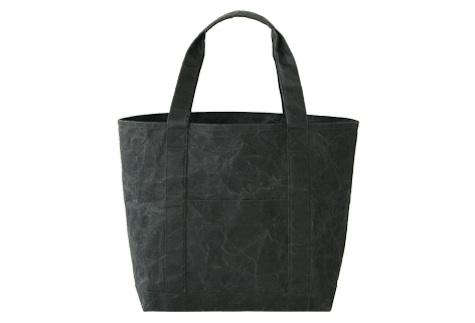
The Siwa Square Tote Bag is what happens when a paper bag goes to design school, studies Japanese craftsmanship, learns good posture, and comes back looking suspiciously elegant. At first glance, it seems almost too simple: a square-shaped carryall with a quiet crinkled texture, soft handles, and the calm confidence of something that does not need a giant logo to prove it has taste. But the closer you look, the more interesting it becomes.
This is not the kind of tote bag that screams from across the room. It whispers. It says, “I carry books, flowers, a scarf, a sketchbook, and possibly your personality upgrade.” Made from SIWA’s signature Naoron material, the bag blends the tactile beauty of traditional Japanese washi paper with surprising everyday durability. It is lightweight, water-resistant, flexible, and far stronger than most people expect from anything that looks remotely like paper.
For shoppers searching for a minimalist tote bag, Japanese paper bag, water-resistant paper tote, square carry bag, or an understated everyday bag with character, the Siwa Square Tote Bag sits in a category of its own. It is practical, sculptural, and quietly stylishthe kind of accessory that makes your errands look intentional.
What Is the Siwa Square Tote Bag?
The Siwa Square Tote Bag is part of the SIWA collection, a Japanese lifestyle goods line created by ONAO, a long-established paper manufacturer from Yamanashi, Japan, in collaboration with renowned industrial designer Naoto Fukasawa. The brand name “SIWA” is connected to the Japanese word for wrinkles or crinkles, and it also cleverly plays with the sound and structure of “washi,” the traditional Japanese paper that inspired the material.
The square tote design is intentionally simple. Instead of relying on flashy hardware, loud prints, or overbuilt compartments, it focuses on proportion, texture, and material intelligence. The bag typically has a clean square body, open-top convenience, soft paper-like handles, and a structured-yet-flexible silhouette. Depending on the retailer or edition, it may be referred to as a SIWA Bag Square, SIWA Square Bag, or Siwa Square Tote Bag.
Its charm lies in a small contradiction: it looks delicate but performs like an everyday utility piece. That tension is exactly what makes it memorable. The bag appears artful enough for a design shop shelf, yet it is made to hold real things in real lifebooks, notebooks, small groceries, lunch containers, stationery, craft supplies, or the mysterious collection of receipts that somehow colonizes every bag on Earth.
The Material: Why Naoron Is the Star of the Show
The most important feature of the Siwa Square Tote Bag is Naoron, SIWA’s signature paper-like material. Naoron is developed using traditional Japanese washi-making methods, but it is engineered for modern durability. It keeps the soft, fibrous, slightly crinkled beauty of paper while gaining qualities that ordinary paper bags do not have: water resistance, tear resistance, flexibility, and the ability to be sewn.
That last point matters. A normal paper shopping bag can look nice for approximately three heroic minutes before rain, sharp book corners, or one overenthusiastic avocado begins its downfall. Naoron is different. It can be stitched like fabric, folded like paper, and handled like a lightweight textile. This allows SIWA to create bags, pouches, wallets, laptop cases, boxes, and home accessories that feel familiar but behave unexpectedly well.
There are different forms of Naoron, including Soft Naoron and Hard Naoron. Soft Naoron is known for its flexible, supple hand feel, while Hard Naoron is designed with greater resistance to surface fuzzing and can include recycled PET-derived fibers. This material story gives the Siwa Square Tote Bag much of its appeal: it is not just another tote with a pretty shape. It is a product built around a material innovation.
Design by Naoto Fukasawa: Quiet, Useful, and Very Japanese
Naoto Fukasawa is known for industrial design that feels effortless. His work often avoids unnecessary decoration and focuses instead on the relationship between object, user, and environment. The Siwa Square Tote Bag reflects that philosophy perfectly. It does not beg for attention; it earns it through proportion, touch, and usefulness.
The square shape gives the bag a neat, architectural presence. It can stand nicely when filled, sit beautifully beside a desk or chair, and look almost like a small storage object when not being carried. Unlike many soft totes that collapse into a fabric puddle the moment you set them down, the Siwa square format has a bit more visual discipline. It is still flexible, but it keeps a sense of shape.
The crinkled texture is not a flaw. It is the point. Over time, the surface picks up more character, almost like leather developing a patina. Every crease adds personality. If you are the kind of person who panics over a scratch on a shiny handbag, this may be liberating. The Siwa Square Tote Bag does not ask to remain perfect. It gets better by looking used.
Key Features of the Siwa Square Tote Bag
Lightweight Carry
One of the biggest advantages of the Siwa Square Tote Bag is how light it feels. Many durable bags become bulky before you even put anything inside them. This one starts with a featherweight feel, making it comfortable for casual errands, daily commuting, design events, bookstore runs, and weekend wandering.
Water-Resistant Surface
Naoron is known for being highly water-resistant compared with ordinary paper. That does not mean the bag should be treated like a waterproof dry bag for kayaking across a dramatic river while a movie soundtrack plays. But for normal daily usemist, light rain, damp hands, or a small splashit handles moisture much better than its paper-like appearance suggests.
Tear-Resistant Strength
The bag’s durability is a major reason design lovers pay attention to SIWA. Some SIWA bag styles are described as being tested to carry loads up to around 10 kilograms, or about 22 pounds. That does not mean you should pack it with dumbbells just to prove a point, because the bag is still a refined accessory, not gym equipment. But it does show that the material is stronger than its delicate look implies.
Minimalist Square Shape
The square form is practical and visually calm. It works for notebooks, small packages, folded clothing, accessories, or a lunch setup. The shape also makes the tote useful around the home as a soft storage piece for magazines, yarn, scarves, or small decorative objects.
Made in Japan Craftsmanship
SIWA products are closely associated with Japanese craftsmanship and paper-making tradition. The bag’s appeal is not just “cute tote, nice texture.” It carries a deeper design story rooted in Yamanashi paper production, material experimentation, and precise making.
Who Is the Siwa Square Tote Bag Best For?
The Siwa Square Tote Bag is ideal for people who appreciate understated design. It suits someone who likes practical objects but does not want everything to look aggressively technical. It is a strong match for architects, designers, artists, writers, students, home decor lovers, slow-fashion shoppers, and anyone who has ever chosen a notebook partly because the paper felt nice.
It is also a good choice for people who enjoy Japanese lifestyle goods. If you like brands and products that emphasize simplicity, natural texture, thoughtful proportions, and long-term use, SIWA fits beautifully into that world. The bag pairs well with linen clothing, denim, neutral coats, canvas shoes, leather sandals, and simple everyday outfits.
However, it may not be the best option for someone who needs a heavily compartmentalized work bag with zippers, laptop padding, bottle sleeves, anti-theft pockets, secret superhero panels, and a place to store three chargers. The Siwa Square Tote Bag is more about elegant simplicity than maximum organization. It is a tote, not a mobile filing cabinet.
How to Style the Siwa Square Tote Bag
For Everyday Minimalism
Pair a black, gray, or brown Siwa Square Tote Bag with a white T-shirt, relaxed trousers, and simple sneakers. The texture of the bag adds interest without making the outfit busy. It is the accessory equivalent of a well-placed comma: small, useful, and surprisingly powerful.
For Creative Workdays
Use it to carry a sketchbook, paperback, planner, pencil case, and a light scarf. The bag looks especially good in creative settings because it feels both casual and intentional. It has that “I know where the good coffee is” energy.
For Home Organization
The square shape makes it useful beyond personal carrying. Place it near a desk for notebooks, beside a sofa for magazines, or in an entryway for lightweight accessories. Because it looks more refined than a standard storage bin, it can stay visible without making the room feel cluttered.
For Gifting
The Siwa Square Tote Bag makes an excellent gift for people who are hard to shop for but easy to impress with good design. It is unusual without being weird, useful without being boring, and beautiful without needing a lecturealthough design lovers will probably give one anyway.
Care Tips: How to Keep It Looking Good
The Siwa Square Tote Bag is durable, but it still deserves thoughtful care. Avoid soaking it for long periods, even though the material is water-resistant. If it gets wet, gently wipe it and let it air dry naturally. Do not attack it with a hair dryer, heater, or heroic impatience.
Because the surface is designed to wrinkle and soften with use, do not worry about every crease. Creases are part of the look. In fact, the bag’s evolving texture is one of its biggest selling points. The more you use it, the more personal it becomes.
Be mindful of dark clothing, wet surfaces, and color transfer, especially with dyed versions. Some retailers note that color may fade or run under certain conditions. This is not unusual for specialty materials, but it is worth remembering if you are wearing white linen and carrying the bag in heavy rain. Fashion is fun; accidental tie-dye is less fun.
Pros and Cons of the Siwa Square Tote Bag
Pros
The bag is lightweight, stylish, water-resistant, tear-resistant, and made from an innovative washi-inspired material. It has a timeless minimalist look and works as both a carry bag and a decorative storage piece. It also offers a real design story, which makes it more interesting than a generic tote.
Cons
The open-top design may not suit people who prefer secure zip closures. It may also feel too simple for those who want many pockets. Because it is a specialty design item, the price can be higher than a basic canvas tote. And while it is strong, it should still be treated with the respect you would give any beautifully made object.
Siwa Square Tote Bag vs. Regular Canvas Tote
A canvas tote is dependable, affordable, and easy to throw around. It is the golden retriever of bags: friendly, useful, and usually covered in crumbs. The Siwa Square Tote Bag is more refined. It is lighter, more sculptural, and more textural. It also brings a unique paper-like feel that canvas simply does not have.
If you need a bag for farmers market overload, heavy groceries, or carrying things that may leak, canvas may be the safer everyday warrior. If you want a distinctive design object that carries essentials beautifully and looks good doing it, SIWA wins the style conversation.
Siwa Square Tote Bag vs. Leather Tote
A leather tote often brings polish, structure, and long-term durability, but it can also be heavy and expensive. The Siwa Square Tote Bag offers a lighter, more casual alternative with a softer visual personality. It does not try to imitate leather. Instead, it celebrates the unique character of paper-inspired texture.
For someone who wants a formal office bag, leather may be better. For someone who wants an artistic everyday bag with Japanese design heritage, the SIWA square tote feels more original.
Is the Siwa Square Tote Bag Worth It?
The Siwa Square Tote Bag is worth considering if you value design, craftsmanship, and material innovation. It is not the cheapest tote bag, and it is not trying to be. Its value comes from the combination of Naoron material, Japanese production, Naoto Fukasawa’s design approach, and a form that works in daily life without becoming visually noisy.
It is especially worth it for people who enjoy objects that age gracefully. Many bags look worse after use. SIWA bags are designed to embrace marks, creases, and texture changes. That gives the tote a more personal quality over time. It becomes less like a product you bought and more like an object that has traveled with you.
Real-Life Experience: Living With a Siwa Square Tote Bag
Using a Siwa Square Tote Bag feels different from using a typical tote. The first surprise is the weightor rather, the lack of it. Pick it up empty, and your brain may briefly file a complaint: “Surely this cannot be strong enough.” Then you put in a notebook, sunglasses, phone, wallet, keys, a small water bottle, and a book you definitely intend to read this month, and the bag simply gets on with the job.
The square shape is more useful than it looks. A soft rectangular tote often turns into a fabric cave where lip balm disappears forever. The SIWA square form gives your items a little more structure. It is not rigid, but it has enough shape to make packing feel neat. A folded cardigan sits nicely at the bottom. A paperback slides in without bending dramatically like it is auditioning for modern dance. Small packages fit well, especially if you use the bag for boutique shopping or local errands.
The texture also changes the experience. The surface feels soft and dry, with a crinkled finish that invites touch. People may ask what it is made of, and when you say “paper,” they usually do the polite version of disbelief. Then you explain Naoron, water resistance, Japanese washi-making techniques, and suddenly you are giving a tiny museum talk in a coffee shop. This is part of the fun.
In daily use, the bag shines during low-to-medium carry moments: a trip to the bookstore, a design market, a coffee run, a casual meeting, or a weekend stroll. It feels too special for messy groceries but perfect for beautiful groceriesthe kind involving a baguette, herbs, and fruit that looks like it has a social media manager. It is also excellent as a secondary bag when traveling, because it packs light and adds instant style when you need something nicer than a plastic shopping bag.
One of the most enjoyable parts is watching it age. The wrinkles deepen. The corners soften. The surface becomes more personal. Instead of looking damaged, it looks lived-in. That is rare in a world full of products that seem to lose their magic the moment they are used. The Siwa Square Tote Bag feels like it was designed for real life, not just product photos.
There are small adjustments. You learn not to overload it with sharp, heavy objects. You become more mindful around heavy rain. You may use a pouch inside for tiny things because the design is intentionally simple. But these habits feel natural, not annoying. The bag rewards a slightly slower, more thoughtful way of carrying things.
After a while, it becomes the bag you reach for when you want your day to feel a little more edited. Not fancy. Not fussy. Just cleaner, calmer, and better designed. And honestly, if a tote bag can make a Tuesday errand feel like a design decision, it deserves applause.
Conclusion
The Siwa Square Tote Bag is a rare accessory that combines practicality, craftsmanship, and quiet beauty. It is made for people who notice texture, appreciate restraint, and enjoy products with a meaningful material story. With its Naoron construction, water-resistant performance, square silhouette, and Japanese design heritage, it offers much more than a standard tote.
It may not replace every bag in your closet, but it can become the one that makes ordinary carrying feel more thoughtful. Whether used for daily essentials, creative work tools, small shopping trips, or home organization, the Siwa Square Tote Bag proves that even a simple bag can be surprisingly clever. It is paper, but not fragile. Minimal, but not boring. Practical, but not plain. In other words, it is exactly the kind of design object that makes people say, “Wait, where did you get that?”