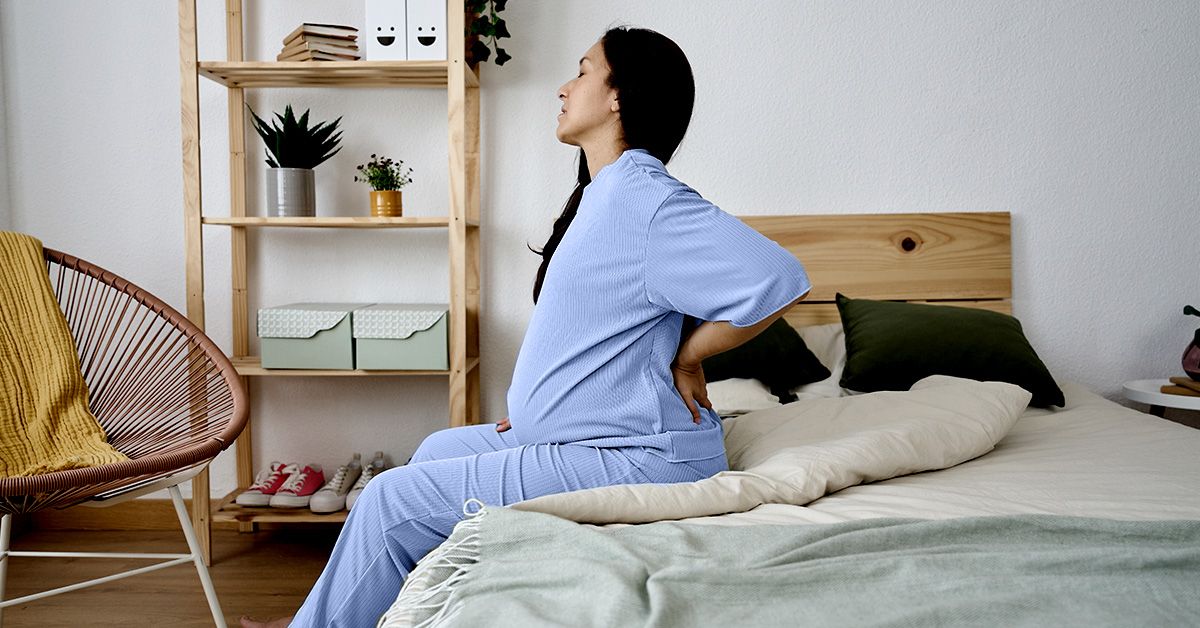
Pregnancy can feel like a nine-month remodeling project conducted while the building remains open. As the uterus grows, posture changes, ligaments become more flexible, and muscles work harder. An aching lower back is common, and sometimes the discomfort settles mainly on the right side.
Most right side back pain during pregnancy is related to muscles, joints, or pelvic changes. However, one-sided pain can occasionally signal a urinary infection, kidney problem, preterm labor, or another condition needing prompt care. The location matters, but the pain pattern and accompanying symptoms matter more.
Is Right-Sided Back Pain Normal During Pregnancy?
Mild pain that changes with movement, improves with rest, and follows standing, walking, lifting, or rolling over is often musculoskeletal. Call your prenatal provider when pain is sudden, severe, persistent, worsening, or accompanied by fever, bleeding, urinary symptoms, contractions, weakness, or faintness. “Common in pregnancy” should never be translated as “must be silently endured.”
Why Pregnancy Can Make One Side of the Back Hurt
Posture and center-of-gravity changes
As the abdomen grows, the center of gravity moves forward. The lower spine may curve more, increasing muscle workload. Favoring the right leg, carrying a bag on one shoulder, or standing with one hip pushed out can concentrate strain on the right side.
More flexible supporting tissues
Pregnancy hormones increase flexibility in ligaments that support the pelvis. This helps prepare the body for birth but can reduce stability around the lower spine and sacroiliac joints. Muscles then work overtime to control movement.
Reduced core support and uneven habits
Stretching abdominal tissues provide less trunk support. Twisting, lifting an older child, crossing the same leg, or always sleeping in one position may trigger a one-sided flare. Pregnancy has a special talent for making old movement habits file formal complaints.
Common Musculoskeletal Causes
Muscle strain
A strained or tired muscle usually feels sore, tight, or pulling. Pain may increase with bending, lifting, twisting, or standing and may be tender when pressed.
Pelvic girdle or sacroiliac joint pain
This pain may sit near the lower-back dimples, one buttock, the hip, or the pubic bone. It often worsens when climbing stairs, standing on one leg, getting dressed, turning in bed, or moving the knees apart.
Nerve irritation
Burning, electric, tingling, or numb pain that travels from the buttock down the leg may involve nerve irritation. Persistent radiating pain, weakness, or numbness should be assessed.
Round ligament pain
Round ligament pain usually affects the lower abdomen, groin, or hip rather than the back. Because it is often sharp and right-sided, some people describe it as side or back pain. It commonly follows coughing, sneezing, standing quickly, or rolling over.
Medical Causes That Need More Attention
Urinary tract infection or kidney infection
A bladder infection may cause burning during urination, urgency, lower abdominal pressure, or cloudy, bloody, or strong-smelling urine. Infection involving a kidney can cause one-sided back or flank pain below the ribs, fever, chills, nausea, vomiting, and a distinctly ill feeling. Urinary symptoms during pregnancy warrant prompt evaluation.
Kidney stones
A kidney stone may cause severe, wave-like flank pain that moves toward the abdomen or groin. Blood in the urine, nausea, vomiting, or urinary urgency may occur. The pain often makes it difficult to get comfortable.
Preterm labor or labor
Labor-related back pain may be low, dull, rhythmic, or paired with abdominal tightening. Before 37 weeks, immediately report regular contractions, pelvic pressure, menstrual-like cramps, fluid leakage, bleeding, a discharge change, or a constant low backache.
Preeclampsia
Preeclampsia usually develops after 20 weeks. Its pain is more commonly felt in the upper-right abdomen beneath the ribs, but it may radiate toward the back or shoulder. Seek immediate advice if this occurs with a severe headache, vision changes, sudden swelling of the face or hands, nausea, or shortness of breath.
Ectopic pregnancy
In early pregnancy, one-sided pelvic or abdominal pain with bleeding may indicate an ectopic pregnancy. Severe pain, shoulder pain, dizziness, weakness, or fainting are emergency symptoms.
Other urgent conditions
Appendicitis, gallbladder disease, placental abruption, and other problems can cause abdominal pain that reaches the back. Sudden severe pain, repeated vomiting, fever, bleeding, a rigid or tender abdomen, or closely spaced contractions requires urgent care.
Warning Signs: When to Call a Healthcare Professional
Contact your prenatal care team promptly if the pain is persistent, repeatedly returns, disturbs sleep, or limits walking. Seek urgent advice when right-sided back pain occurs with:
- Fever, chills, vomiting, or feeling acutely ill
- Burning urination, blood in the urine, or flank pain
- Vaginal bleeding, leaking fluid, or unusual discharge
- Regular tightening, contractions, cramps, or pelvic pressure
- Severe headache, vision changes, swelling, or upper-right abdominal pain
- New leg weakness, numbness, or pain traveling below the knee
- A fall, collision, or other injury
- Reduced fetal movement after a regular pattern is established
Call emergency services for heavy bleeding, fainting, chest pain, severe breathing difficulty, major weakness, loss of bladder or bowel control, or unbearable pain.
How Doctors Evaluate Right Side Back Pain
A clinician may ask about the pain’s location, timing, triggers, and associated urinary, digestive, neurologic, or obstetric symptoms. The examination can include the back, hips, abdomen, reflexes, blood pressure, temperature, and fetal assessment.
Urine tests can detect infection or blood associated with a stone. Blood tests may be needed when infection, kidney trouble, or preeclampsia is suspected. Ultrasound and MRI are commonly preferred imaging tools in pregnancy when imaging is medically necessary.
Pregnancy-Safe Ways to Ease Mild Back Pain
Keep moving gently
Short rest periods may calm a flare, but prolonged bed rest can increase stiffness. Alternate sitting, standing, and walking. Break chores into smaller rounds before the back begins delivering a keynote speech.
Improve posture and support
Stand with weight across both feet, avoid locking the knees, and choose supportive low-heeled shoes. While sitting, support the feet and place a small cushion behind the lower back. Turn the whole body instead of twisting from the waist.
Lift carefully
Keep objects close, bend at the knees and hips, and rise using the legs. Pivot the feet rather than twisting. Ask for help with heavy items; pregnancy does not include forklift certification.
Use warm or cool compresses
A warmnot hotcompress may relax tight muscles, while a wrapped cool pack may reduce soreness. Protect the skin, limit sessions, avoid overheating, and do not apply intense heat over the abdomen.
Adjust sleep position
Side sleeping with a pillow between the knees may reduce pelvic twisting. A pillow under the abdomen or behind the back can add support. Turn with the knees closer together and move the shoulders and hips as one unit.
Try approved exercise or physical therapy
For uncomplicated pregnancies, walking, swimming, prenatal yoga, and clinician-approved strengthening may improve function. A prenatal or pelvic health physical therapist can identify lumbar, pelvic, hip, or nerve-related causes and teach targeted exercises. A properly fitted maternity support belt may help some people during standing or walking.
Ask before taking medication
Do not assume an over-the-counter medicine is pregnancy-safe. Acetaminophen may be appropriate for some patients when recommended by a clinician. The FDA advises avoiding NSAIDs such as ibuprofen and naproxen at 20 weeks or later unless specifically directed by a healthcare professional. Check combination cold, flu, and sleep products, too.
Can Pregnancy Back Pain Be Prevented?
Not every ache is preventable, but regular approved activity, supportive shoes, balanced standing, careful lifting, and frequent position changes can reduce strain. People with prior back pain, pelvic injury, demanding work, or pelvic girdle pain in an earlier pregnancy may benefit from early physical therapy guidance.
Frequently Asked Questions
Does pain on the right mean the baby is positioned there?
Not reliably. Fetal position can change pressure sensations, but one-sided pain more often involves muscles, joints, posture, or nearby organs.
Why does it hurt when I walk or roll over?
These movements transfer force through the pelvis. Pain during stairs, one-leg standing, dressing, or turning in bed may fit pelvic girdle or sacroiliac irritation.
Can constipation or gas cause back pain?
Digestive pressure may be felt in the side or back. Persistent localized pain with fever, vomiting, bleeding, urinary symptoms, or marked tenderness should be assessed rather than blamed on dinner.
The Bottom Line
Right side back pain during pregnancy often comes from posture changes, muscle strain, pelvic girdle pain, or uneven loading. Mild movement-related pain may improve with positioning, gentle activity, supportive footwear, compresses, and clinician-approved exercises.
Promptly report severe, sudden, persistent, or worsening painespecially with fever, urinary changes, bleeding, fluid leakage, contractions, upper-right abdominal pain, headache, vision changes, weakness, or fainting. A prenatal professional can determine whether the source is musculoskeletal, urinary, obstetric, neurologic, or abdominal.
Experiences That Help Put the Symptoms in Context
These are composite educational scenarios, not stories from specific patients. They illustrate why the full symptom pattern matters.
The end-of-day ache
At 26 weeks, an office worker notices a dull ache above her right buttock after long afternoons at a laptop. It becomes sharper when she stands after sitting with one leg tucked underneath her. She has no fever, bleeding, urinary burning, abdominal tightening, or leg weakness. The pain improves after a short walk, a posture change, and sleeping with a pillow between her knees.
This pattern may fit muscle fatigue or sacroiliac irritation. The important lesson is not that every similar ache is harmless, but that movement-related pain without warning signs often improves when the load changes. She mentions it at her prenatal visit and receives physical therapy guidance before the ache becomes a daily roommate.
Flank pain with urinary changes
At 22 weeks, another pregnant person develops pain below the right ribs. She initially assumes she slept awkwardly, but chills, nausea, frequent urination, and burning soon appear. Repositioning does not change the pain.
This combination needs same-day medical attention because it may indicate a urinary infection involving the kidney. Describing the associated symptoms is more useful than debating whether the sensation counts as back pain, side pain, or flank pain. A urine test and examination can identify the cause and guide pregnancy-appropriate treatment.
Rhythmic low back pressure
At 33 weeks, a pregnant person feels a low ache that arrives in waves. Her abdomen repeatedly tightens, and she notices watery discharge and pressure low in the pelvis. Hydration and lying down do not stop the pattern.
Because this occurs before 37 weeks, she contacts the maternity unit immediately. Preterm labor does not always begin dramatically. It may start with a dull backache, pelvic pressure, discharge changes, cramps, or regular tightening. Early evaluation gives the care team the best chance to determine what is happening.
A first-trimester emergency
At seven weeks, someone develops worsening right-sided pelvic pain that reaches into the lower back. Light bleeding begins, followed by dizziness and shoulder pain. She seeks emergency help rather than driving herself or monitoring the symptoms overnight.
This cluster can occur with a ruptured ectopic pregnancy and internal bleeding. Severe one-sided early-pregnancy pain with bleeding, shoulder pain, weakness, dizziness, or fainting is an emergency.
Making a symptom report useful
When pain appears, note the gestational week, exact location, intensity, timing, triggers, and whether it travels. Record fever, urinary changes, bleeding, fluid leakage, contractions, headache, vision changes, nausea, leg symptoms, and fetal movement when applicable. Also describe function: Can you walk? Does position change the pain? Did it begin after lifting, exercise, a fall, or no obvious event?
Clear details help clinicians distinguish a likely muscle-and-joint problem from a condition requiring testing. Also trust a strong feeling that something is wrong. Calling for guidance is not overreacting; it is using prenatal care exactly as intended.