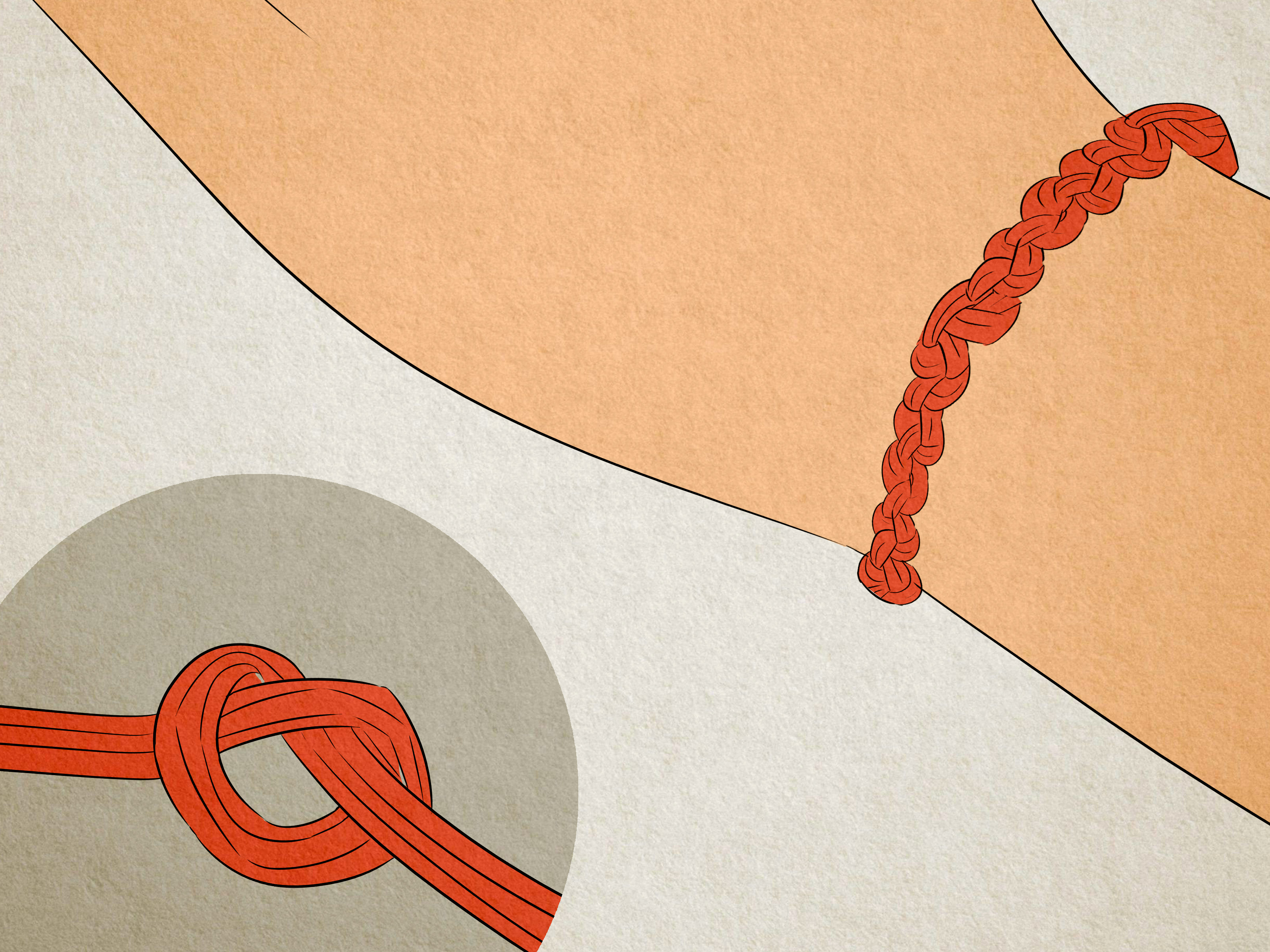
A red string bracelet looks simple enough: a tiny loop of thread, a knot or two, maybe a charm, and the quiet confidence of something that has survived centuries of human imagination. Yet this little bracelet has traveled through religious rituals, family blessings, folklore, fashion trends, celebrity wrists, meditation spaces, and more gift shops than anyone can count. Not bad for a piece of string that weighs less than a dramatic sigh.
The meaning of a red string bracelet depends on where you are, who tied it, and what intention was placed into it. In some traditions, it represents protection from negative energy or the evil eye. In others, it symbolizes love, destiny, good luck, spiritual discipline, family connection, or a reminder to stay mindful. Across cultures, the red string is often less about decoration and more about relationship: between people, between the wearer and their faith, between intention and daily action.
This guide explores the red string bracelet meaning through several cultural lenses, including Jewish and Kabbalah-associated customs, Hindu ritual threads, Buddhist blessing cords, East Asian red thread folklore, and modern spiritual jewelry. The goal is not to flatten every tradition into one trendy accessory, but to understand why this small red bracelet continues to hold such big emotional power.
What Is a Red String Bracelet?
A red string bracelet is usually a thin cord, thread, or braided band worn around the wrist. It may be made from wool, cotton, silk, nylon, or another material. Some versions are plain, while others include knots, beads, charms, evil eye symbols, hamsa hands, small gold accents, or gemstone details.
Although many people now wear red string bracelets as fashion jewelry, their deeper roots are usually spiritual or symbolic. The color red often carries strong associations: life, vitality, courage, protection, passion, blood ties, celebration, strength, and luck. That makes red a natural choice for a bracelet meant to guard, bless, connect, or remind.
Still, there is no single universal meaning. Saying “the red string bracelet means protection” is partly true, but incomplete. That is like saying pizza means cheese. Yes, but let us not disrespect the crust, sauce, toppings, oven, and personal life choices involved.
The Most Common Red String Bracelet Meanings
1. Protection from Negative Energy
One of the most widespread interpretations is that the red string bracelet protects the wearer from negative energy, jealousy, misfortune, or the evil eye. The evil eye is a belief found in many cultures, referring to harm caused by envy, hostile attention, or a spiritually harmful gaze.
In this context, the bracelet acts as a symbolic shield. It is not a magic force field in the superhero sense, so do not test it by ignoring common sense. Rather, it functions as a protective reminder: stay grounded, avoid unnecessary ego battles, and do not let other people’s envy become your weather forecast.
2. Good Luck and Blessings
Many wearers treat the red string as a good luck bracelet. It may be tied during a ceremony, after a prayer, or as part of a blessing. In Hindu traditions, for example, sacred wrist threads can be tied during puja, weddings, festivals, and family rituals. In Buddhist communities, cords may be blessed by monks or lamas and worn as reminders of spiritual teachings.
The “luck” here is often connected to intention and blessing. The bracelet becomes a small physical object that carries memory: someone wished you well, prayed for you, or tied it with care. In other words, the power may not be in the thread alone, but in the love, faith, and attention wrapped around it.
3. Love, Connection, and Destiny
In East Asian folklore, especially the famous red thread of fate, an invisible red thread connects people who are destined to meet. The thread may stretch, twist, or tangle, but it does not break. This belief is often associated with romantic destiny, though modern interpretations also apply it to friendships, family bonds, and meaningful encounters.
It is important to note that the red thread of fate is traditionally an invisible bond in folklore, not necessarily the same thing as a physical red string bracelet. However, modern jewelry often borrows this symbolism. A red string bracelet may be given as a token of love, commitment, hope, or the belief that two people’s lives are connected for a reason.
4. Mindfulness and Personal Intention
For many modern wearers, the red string bracelet is less about formal religion and more about personal intention. It can serve as a reminder to stay calm, be grateful, set boundaries, keep promises, or move through life with more awareness.
This meaning is especially popular because it works even for people who are not tied to one specific tradition. The bracelet becomes a wearable sticky note, except it is prettier and does not fall off your mirror after three humid days.
Red String Bracelet in Jewish and Kabbalah-Associated Customs
The red string bracelet is often linked in popular culture with Kabbalah and Jewish folk customs. Many people associate it with protection against the evil eye, known in Hebrew as ayin hara. Some versions are said to be wrapped around Rachel’s Tomb in Israel before being cut into bracelets, connecting the string with maternal protection and spiritual blessing.
However, the historical and religious picture is more complicated. Some Jewish teachers and sources point out that while the evil eye has a place in Jewish tradition, the specific practice of wearing a red string as a guaranteed spiritual shield is debated. In other words, the red string is popular in some Jewish folk practices and Kabbalah-inspired circles, but it should not be presented as a universally required or uncontested Jewish ritual.
This distinction matters. A respectful explanation should say: many people wear the red string in Jewish or Kabbalah-associated contexts as a symbol of protection, humility, and awareness of envy, but not all Jewish authorities view it as a central or authoritative practice. That sentence has less sparkle than “ancient mystical bracelet unlocks destiny,” but it has the advantage of being honest.
Red String Bracelet in Hindu Traditions
In Hindu culture, sacred wrist threads are often known as kalava, mauli, raksha sutra, or related names depending on region and language. These threads are commonly red, yellow, orange, or a combination of auspicious colors. They may be tied by a priest, elder, or family member during rituals, festivals, weddings, temple ceremonies, or acts of prayer.
The word raksha is associated with protection, and the thread may symbolize blessings, spiritual strength, purity, and divine care. In many ceremonies, it is not merely an accessory; it is part of the ritual itself. It may be tied while mantras are recited, making the bracelet a visible sign that the wearer has participated in a sacred moment.
In some customs, men wear the thread on the right wrist and women on the left, though practices vary by family, region, and occasion. The bracelet may also be tied around sacred objects used in worship. This shows that the thread is not only about personal style; it belongs to a larger ritual language of protection, devotion, and blessing.
Red String Bracelet in Buddhist and Tibetan-Inspired Practices
In Buddhist and Tibetan-inspired settings, red cords or blessing strings may be tied around the wrist after prayers, teachings, or ceremonies. Sometimes a teacher, monk, or lama blesses the cord or ties knots into it. The bracelet may represent protection, compassion, mindfulness, spiritual connection, or commitment to a path of practice.
These bracelets are often humble in appearance, which is part of their charm. They are not trying to win a jewelry contest against a diamond tennis bracelet. Their purpose is quieter: to remind the wearer of a teaching, a blessing, or a moment of spiritual attention.
For modern wearers, a Buddhist-style red string bracelet may represent calm, compassion, and the effort to live with more awareness. However, it is wise to avoid treating sacred objects as quick aesthetic trends. If a bracelet comes from a temple, teacher, or ceremony, respect the context. Spiritual objects are not costume props; they carry meaning for real communities.
The Red Thread of Fate in East Asian Folklore
The red thread of fate is one of the most romantic interpretations connected with red string symbolism. In Chinese folklore, it is often associated with Yue Lao, the old lunar matchmaker who connects destined partners. The invisible thread links people who are meant to meet, regardless of time, distance, or obstacles.
This idea has traveled widely through Chinese, Japanese, Korean, and global pop culture. It appears in stories, films, anime, novels, wedding themes, tattoos, and jewelry. The red string bracelet inspired by this legend is often worn by couples, close friends, or people who believe in meaningful timing.
The appeal is easy to understand. Life can feel random, messy, and occasionally like a group project where nobody read the instructions. The red thread of fate offers a comforting idea: some connections matter before we even understand why.
Red String Bracelets and the Evil Eye
The evil eye is a belief found across the Mediterranean, Middle Eastern, Jewish, Latin American, South Asian, and other cultural traditions. It generally refers to harm or bad luck caused by envy, excessive praise, or negative attention. Red string bracelets are sometimes worn alone or paired with an evil eye charm to protect against this force.
In Latin American communities, red bracelets are sometimes placed on babies or children as a form of protection against mal de ojo, or the evil eye. Similar protective ideas appear in other cultures, although the exact rituals and meanings differ. The shared theme is that red is bold, lively, and spiritually alert. It says, “Not today, bad vibes. We have errands.”
Whether one believes literally in the evil eye or views it as a metaphor, the bracelet can still be meaningful. It can remind the wearer not to absorb every judgment, comparison, or jealous glance. In a world where social media can turn comparison into an Olympic sport, that reminder is not exactly useless.
Which Wrist Should You Wear a Red String Bracelet On?
There is no universal rule for which wrist should wear a red string bracelet. Different traditions offer different guidance.
In some Kabbalah-associated practices, the red string is worn on the left wrist because the left side is sometimes viewed as the receiving side of the body. The idea is that protection enters where energy is received. In some Hindu customs, men may wear sacred threads on the right wrist and women on the left, depending on the ritual. In modern spiritual use, people often choose whichever wrist feels comfortable or meaningful.
If the bracelet belongs to a specific religious or cultural ceremony, follow that tradition’s guidance. If it is a personal intention bracelet, choose the wrist that helps you remember its purpose. The bracelet will not file a complaint.
What Does It Mean When a Red String Bracelet Falls Off?
Many people believe that when a red string bracelet falls off naturally, it has completed its purpose. Some say it has absorbed negative energy, fulfilled an intention, or marked the end of a cycle. Others simply see it as thread doing what thread eventually does: losing a battle with friction, showers, sleeves, and daily life.
Spiritually, you can treat the moment as symbolic. Ask yourself what has changed since you started wearing it. Did you keep a promise? Heal from something? Move through a difficult season? Let go of someone else’s drama? If yes, the bracelet may become a meaningful marker of personal growth.
If it breaks, avoid panic. A broken bracelet is not a prophecy of doom. It can be a gentle invitation to pause, reflect, and decide whether you want to replace it, save it, bury it respectfully, or simply thank it and move on.
How to Wear a Red String Bracelet Respectfully
Know the Meaning Before You Wear It
Before wearing a red string bracelet, learn where it comes from and what it represents. You do not need a PhD in comparative religion to wear a bracelet, but basic respect goes a long way. If the bracelet is marketed as “Kabbalah,” “Tibetan,” “Hindu,” or “blessed,” take a moment to understand that these words belong to living traditions, not just product labels.
Set a Clear Intention
Many people tie the bracelet while making a wish, prayer, vow, or personal intention. The intention might be protection, courage, healing, patience, gratitude, love, or discipline. The clearer the intention, the more useful the bracelet becomes as a daily reminder.
Let Someone Tie It for You
In several traditions, the bracelet is tied by another person: a priest, elder, teacher, friend, partner, or family member. This adds a layer of connection. When someone ties the bracelet with care, it becomes a tiny ceremony. It says, “I want good things for you,” which is honestly one of the better things a human can say without needing a PowerPoint presentation.
Avoid Turning Sacred Symbols Into Empty Trends
Fashion is fun, but cultural symbols deserve context. If you wear a red string bracelet purely because it looks good, that is your choice. But if you use terms like “sacred,” “blessed,” “Kabbalah,” “raksha sutra,” or “Buddhist protection cord,” be careful not to strip them of meaning. Respect makes the bracelet feel richer, not heavier.
Red String Bracelet as Modern Jewelry
Today, red string bracelets are everywhere: minimalist jewelry brands, yoga studios, online shops, gift boxes, festival stalls, celebrity photos, and friendship bracelet collections. Some are handmade with cotton thread; others are luxury pieces with gold, diamonds, or gemstones. The modern red string bracelet has become a bridge between spirituality and style.
This popularity has advantages. It helps people discover cultural symbols, talk about intention, and give meaningful gifts. It also has risks. Some sellers oversimplify the bracelet into a miracle object that promises wealth, love, protection, perfect skin, and possibly free parking. Be skeptical of exaggerated claims. A bracelet can be meaningful without needing to behave like a tiny red customer service department for the universe.
Red String Bracelet Gift Meaning
A red string bracelet makes a thoughtful gift when given with sincerity. It can symbolize protection for a friend starting a new chapter, love for a partner, support for someone going through a hard time, or good luck for a student, traveler, or newlywed.
The best part of giving a red string bracelet is the message behind it. You can say, “Wear this as a reminder that you are loved,” or “Let this represent courage during your next step.” That kind of gift does not need to be expensive. Meaning is doing the heavy lifting.
Common Myths About Red String Bracelets
Myth: Every Red String Bracelet Means the Same Thing
Not true. The meaning changes across cultures. A Hindu kalava, a Kabbalah-associated red string, a Buddhist blessing cord, and a red thread of fate bracelet may look similar but carry different histories and rituals.
Myth: It Only Works If It Is Expensive
No. Spiritual meaning is not priced by the inch. A simple thread tied with sincerity may be more meaningful than a luxury bracelet purchased only because it looked mysterious in an ad.
Myth: If It Breaks, Something Bad Will Happen
A broken bracelet does not automatically mean bad luck. Many people interpret it as a completed cycle. Others treat it as normal wear and tear. Either way, fear does not need to be part of the tradition.
Personal Experiences and Everyday Reflections on Red String Bracelets
One of the most interesting things about the red string bracelet is how personal it becomes once someone starts wearing it. Even when two people buy similar bracelets, they rarely carry the same meaning. For one person, it may represent a grandmother’s blessing. For another, it may be a reminder to stop doom-scrolling at midnight like the internet is going to hand out trophies for anxiety. For someone else, it may mark a new beginning after grief, relocation, heartbreak, graduation, recovery, or a season of major change.
Imagine a student wearing a red string bracelet during exam season. The bracelet does not whisper answers during algebra, sadly. But it can help the student pause, breathe, and remember, “I prepared. I can handle this.” That small moment of grounding can matter. The bracelet becomes less about luck as a random cosmic favor and more about emotional steadiness.
Or think of a traveler who ties on a red string before leaving home. Maybe a parent or friend ties it and says, “Stay safe.” Every time the traveler sees it while holding a train ticket, dragging luggage, or trying to decode an airport sandwich price, the bracelet brings them back to that moment of care. It turns distance into connection.
For couples or close friends, red string bracelets can become symbols of loyalty and shared memory. They are not proof that a relationship is perfect. No bracelet can prevent misunderstandings, late replies, or the tragic debate over where to eat dinner. But it can serve as a quiet reminder that the bond is valued. In that sense, the red string is less about destiny doing all the work and more about people choosing to honor their connection.
Some people wear red string bracelets during difficult emotional seasons. They may set an intention such as “protect my peace,” “release what is not mine,” or “choose courage.” Each glance at the wrist becomes a small reset button. The bracelet does not erase problems, but it can interrupt spirals of worry. It gives the mind something simple and physical to return to.
There are also people who wear red string bracelets after attending a spiritual ceremony, temple visit, retreat, meditation gathering, or family ritual. For them, the bracelet carries atmosphere: incense, chanting, quiet rooms, relatives, prayers, or the feeling of being held by something larger than daily stress. When the thread starts fading, it may remind them that blessings are not frozen in time; they are meant to be lived.
Another common experience is the moment the bracelet breaks or falls off. Some people feel emotional, especially if they wore it through an important chapter. Instead of seeing the break as frightening, many treat it as closure. They might say thank you, keep the bracelet in a small box, place it somewhere meaningful, or replace it with a new one for a new intention. The tiny thread becomes a timeline: here is where I was, here is what I survived, here is what I am ready to begin.
That is why the red string bracelet continues to matter. It is not powerful because it is complicated. It is powerful because it is simple enough to hold many meanings at once: protection, love, memory, culture, faith, hope, and personal promise. In a noisy world, a thin red thread can quietly say, “Pay attention. You are connected. Keep going.”
Conclusion: A Small Bracelet With a Big Story
The red string bracelet meaning cannot be reduced to one sentence. It is a protection symbol, a good luck charm, a spiritual reminder, a cultural object, a love token, and a personal intention bracelet depending on the tradition and wearer. In Jewish and Kabbalah-associated customs, it is often linked with protection from the evil eye, though its authority is debated. In Hindu traditions, sacred red or red-yellow threads are tied during rituals for blessings and protection. In Buddhist and Tibetan-inspired practices, blessing cords may remind wearers of compassion, mindfulness, and spiritual connection. In East Asian folklore, the red thread points toward fate, destiny, and meaningful bonds.
Most importantly, the red string bracelet invites attention. It asks the wearer to remember something: a prayer, a person, a promise, a boundary, a hope, or a new beginning. Whether you wear one for cultural reasons, spiritual practice, personal meaning, or simple beauty, the best red string bracelet is the one worn with respect and intention.
Note: This article synthesizes information from reputable cultural, religious, historical, and educational references. Source links are intentionally omitted according to the publishing requirement.