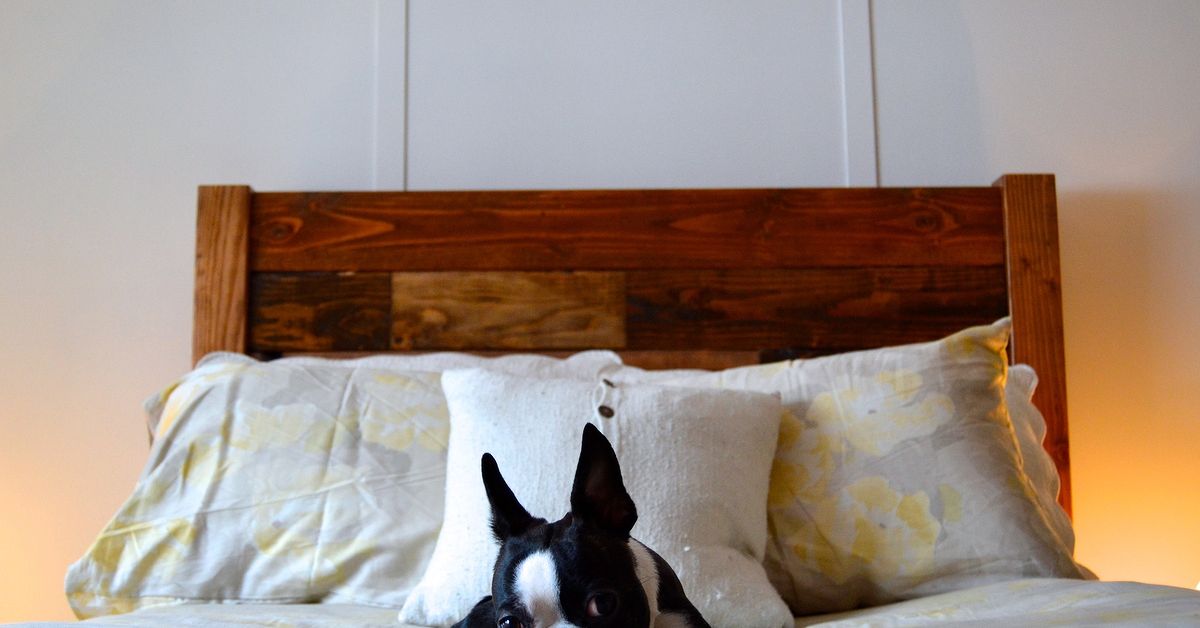
Note: This publish-ready article is written in clean HTML body format and synthesizes practical home-improvement, bedroom-design, reclaimed-wood, and DIY safety guidance from reputable U.S. design and renovation sources.
Reclaimed Wood Style Headboard: Rustic Charm Without the Barn Drama
A reclaimed wood style headboard is the bedroom upgrade equivalent of putting on a great jacket: suddenly, the whole outfit makes sense. Whether your room leans modern farmhouse, industrial loft, cozy cabin, coastal cottage, or “I bought these nightstands at different times and I’m calling it eclectic,” a wood plank headboard adds warmth, texture, and personality fast.
The beauty of this look is that it does not have to be perfect. In fact, perfection is politely asked to wait outside. Knots, grain, color variation, saw marks, nail holes, and weathered edges are exactly what make a reclaimed wood headboard feel authentic. It tells a story, even if the story is simply, “I wanted my bedroom to look more expensive without selling a kidney.”
Today, the reclaimed wood style is more flexible than ever. You can use true salvaged lumber, new rough-sawn boards, peel-and-stick wood planks, engineered panels, or a manufactured headboard designed to mimic aged barn wood. The best choice depends on your budget, tools, skill level, safety concerns, and how strongly you feel about vacuuming sawdust out of your socks.
What Is a Reclaimed Wood Style Headboard?
A reclaimed wood style headboard is a bed headboard inspired by wood that has been rescued, reused, or made to look aged. Real reclaimed wood may come from old barns, factories, fencing, shipping crates, architectural salvage, or previous furniture. Reclaimed-style wood, on the other hand, may be new lumber that has been stained, distressed, wire-brushed, whitewashed, or arranged to imitate the character of aged boards.
This distinction matters. True reclaimed lumber has real history and environmental appeal, but it can also come with challenges such as hidden nails, uneven thickness, old finishes, pests, dust, or lead-based paint. Reclaimed-style materials are usually easier to buy, cut, clean, and install. They may not have lived a dramatic life as a tobacco barn in 1912, but they also probably will not surprise you with a rusty nail at 9:47 p.m.
Why This Headboard Style Works So Well
It Creates an Instant Focal Point
The bed is usually the largest piece of furniture in a bedroom, so the headboard naturally becomes the visual anchor. A reclaimed wood headboard draws the eye upward and gives the wall behind the bed a finished, intentional look. Even a plain white room can feel styled once a textured wood headboard is added.
It Adds Warmth to Modern Rooms
Modern bedrooms often use clean lines, neutral paint, simple bedding, and minimal furniture. That can be calming, but it can also drift into “very stylish hotel room where nobody has ever spilled coffee.” Reclaimed wood solves that problem by adding warmth, grain, and natural imperfection. It softens sharp edges and makes the space feel lived-in.
It Fits Several Interior Design Styles
A reclaimed wood style headboard is not limited to farmhouse bedrooms. Pair it with black metal sconces and charcoal bedding for an industrial look. Use pale washed boards with linen bedding for coastal style. Choose deep walnut tones and leather accents for a rustic masculine bedroom. Add vintage quilts and antique lamps for a cottage feel. The wood is the base note; everything around it changes the song.
Real Reclaimed Wood vs. Reclaimed-Look Materials
Before you start building or buying, decide whether you want authentic reclaimed lumber or a reclaimed wood look. Both can be excellent. They simply serve different needs.
Authentic Reclaimed Wood
Real reclaimed wood is ideal if you love history, sustainability, and one-of-a-kind character. No two boards are exactly alike. A headboard made from salvaged barn wood, old cedar fencing, or weathered oak can feel rich and meaningful. It also helps reuse materials that might otherwise be discarded.
The downside is preparation. You need to inspect boards carefully, remove metal, clean the surface, sand rough areas, and seal the wood. If the boards have old paint, they should be tested before sanding or cutting. This is especially important in older materials because lead-based paint was commonly used in homes before 1978. Safety is not the glamorous part of DIY, but neither is explaining to your family why the bedroom project now requires a hazmat-level cleanup.
Reclaimed-Look New Wood
New boards can be stained, distressed, or wire-brushed to look aged. Pine, cedar, poplar, and rough-sawn boards are common choices. This option gives you more control over dimensions, cleanliness, and finish. It is also easier for beginners because the boards are usually straighter and safer to work with.
Peel-and-Stick Wood Planks
Peel-and-stick wood planks are a beginner-friendly shortcut. They can be installed directly on the wall behind the bed or attached to a backer board. They create the look of a plank headboard without advanced carpentry. This is a great choice for renters, small bedrooms, or anyone whose power-tool collection consists of one screwdriver and confidence.
Manufactured Reclaimed Wood Style Headboards
If you prefer shopping to sanding, many retailers sell panel headboards with rustic finishes, plank details, gray oak tones, nailhead accents, or barnwood-inspired textures. These are convenient, often adjustable, and usually designed to attach to standard bed frames. They may not have the soul of salvaged wood, but they do have instructions, which is a kind of poetry.
Best Wood Finishes for a Reclaimed Headboard Look
The finish determines whether your headboard feels cozy, rugged, elegant, or beachy. Choose the tone based on your bedroom’s existing furniture and color palette.
Weathered Gray
Weathered gray works beautifully in modern farmhouse, coastal, and minimalist bedrooms. It pairs well with white bedding, black lighting, soft blue accents, and brushed nickel hardware. Gray wood also helps tone down orange or yellow flooring.
Natural Brown
Natural brown wood feels classic and warm. It looks great with cream bedding, olive green accents, woven baskets, and vintage rugs. Choose this finish if you want the room to feel grounded rather than trendy.
Whitewashed or Limewashed
A whitewashed reclaimed wood style headboard is perfect for small bedrooms because it adds texture without making the wall feel heavy. It works especially well in cottage, Scandinavian, and coastal spaces.
Dark Stain
Dark-stained planks create a dramatic, moody look. Use them with crisp white sheets, brass lamps, and simple artwork. Dark wood can make a room feel luxurious, but it needs balance. Too much dark wood can turn your bedroom into a medieval tavern, and not the charming kind.
Popular Design Ideas for Reclaimed Wood Style Headboards
Horizontal Plank Headboard
The horizontal plank layout is the classic choice. Boards run side to side across a plywood backing or directly across the wall. This style makes the bed look wider and works well in queen and king bedrooms.
Vertical Plank Headboard
Vertical planks draw the eye upward, making ceilings appear taller. This layout is great for small rooms or bedrooms with low ceilings. It also feels slightly more modern than the traditional horizontal layout.
Herringbone Headboard
A herringbone pattern adds movement and craftsmanship. It takes more measuring and cutting, but the result can look custom and high-end. Use this style if you want rustic texture with a polished designer edge.
Mixed-Tone Patchwork
Patchwork headboards combine boards in different wood tones, widths, and finishes. This look is relaxed, creative, and full of character. Keep the bedding simple so the headboard remains the star instead of competing with a floral duvet that has its own five-year plan.
Framed Rustic Panel
A framed headboard uses reclaimed-style planks inside a clean outer border. The frame makes the project look more finished and helps hide uneven board ends. This is a smart approach for DIYers who want rustic charm without rough edges.
Wall-Mounted Plank Feature
Instead of attaching a headboard to the bed frame, you can create a wood feature wall behind the bed. This gives a built-in look and works especially well with floating nightstands or wall sconces. Just make sure the installation is secure and balanced.
How to Build a Simple Reclaimed Wood Style Headboard
A beginner-friendly DIY reclaimed wood style headboard can be built with a plywood backer, wood planks, adhesive, nails or screws, sandpaper, and a protective finish. The basic method is simple: measure the bed, cut the backing, arrange the boards, attach them securely, finish the edges, and seal the surface.
Step 1: Measure Your Bed
Measure the width of your mattress or bed frame. A headboard usually looks best when it is the same width as the mattress or slightly wider. For height, many DIY headboards range from about 36 to 60 inches tall, depending on the room and bed size. Taller headboards feel dramatic; shorter ones feel casual and relaxed.
Step 2: Choose a Backer Board
A plywood backer makes construction easier because it gives the planks a stable surface. Half-inch plywood is common for many DIY headboards. Paint the backer black or dark brown before attaching planks if you plan to leave small gaps between boards. That way, shadows look intentional instead of like tiny construction secrets.
Step 3: Lay Out the Boards
Before attaching anything, arrange your planks on the floor. Mix tones, knots, and grain patterns until the layout feels balanced. Avoid putting all the darkest boards on one side unless you want the headboard to look like it is slowly sliding into a thunderstorm.
Step 4: Attach the Planks
Use construction adhesive and nails or screws to secure each board to the backer. If using real reclaimed wood, predrilling may help prevent splitting. Keep boards tight for a cleaner look or leave slight gaps for a rustic plank-wall effect.
Step 5: Sand and Seal
Sand rough edges and splinter-prone areas. You do not need to erase every mark; the character is the point. Finish with a clear water-based polyurethane, furniture wax, or low-VOC sealer. A sealed surface is easier to dust and safer for pillows, bedding, and sleepy people who do not want splinters as a lifestyle choice.
Step 6: Mount Securely
A headboard can be attached to a bed frame, mounted to wall studs, or hung with a French cleat. Wall mounting is often the most stable option for heavy wood. Always use hardware appropriate for the weight and wall type. If the headboard is large, ask for help lifting it. This is not the moment to prove you are a lone wolf with questionable grip strength.
Safety Tips Before Using Reclaimed Wood Indoors
Reclaimed wood can be gorgeous, but it needs proper inspection. Look for nails, staples, screws, rot, mold, insect damage, strange odors, and old finishes. Avoid wood that smells musty, oily, chemical-heavy, or smoky. If the wood has old paint, do not sand it until you know whether it contains lead.
For bedroom use, cleanliness matters. The headboard sits close to your pillow, face, and bedding. Clean boards thoroughly with a brush and mild cleaner, let them dry completely, sand only as needed, and seal the surface. Choose low-odor, low-VOC finishing products when possible and allow the headboard to cure before bringing it into the bedroom.
Styling a Bedroom Around a Reclaimed Wood Style Headboard
Keep Bedding Soft and Simple
Because reclaimed wood already brings texture, bedding does not need to shout. White, cream, taupe, charcoal, sage, navy, and soft terracotta all pair well with rustic wood. Linen, cotton, waffle-weave blankets, and chunky throws enhance the cozy factor.
Add Balanced Lighting
Wall sconces, pendant lights, or simple table lamps look excellent beside a wood headboard. Black metal fixtures create an industrial edge. Brass adds warmth. Ceramic lamps make the room feel softer and more handmade.
Mix, Do Not Match, Wood Tones
Your nightstands do not have to match the headboard exactly. In fact, a little contrast looks more natural. A weathered gray headboard can pair with black nightstands. A dark walnut headboard can work with oak floors. The key is repeating each tone somewhere else in the room, such as in a frame, bench, basket, or lamp base.
Use Art Carefully
If your headboard is tall and textured, you may not need artwork above it. If you do add art, choose something simple. Oversized abstract prints, black-and-white photography, or a small vintage landscape can work beautifully. Avoid cluttering the area with too many small frames, unless your design goal is “cozy antique shop during an earthquake.”
Budget-Friendly Ways to Get the Look
You do not need a luxury budget to create a reclaimed wood style headboard. Try peel-and-stick wood panels, leftover flooring planks, fence boards, pallet wood from a safe and known source, new pine boards with stain, or a thrifted headboard updated with wood veneer. Even plywood cut into strips can look convincing after sanding, staining, and sealing.
For a no-build option, mount removable wood-look wallpaper behind the bed and frame it with trim. It will not have the depth of real wood, but it can create the mood for renters or anyone who hears the word “miter saw” and immediately wants to lie down.
Common Mistakes to Avoid
Using Unsafe Salvaged Wood
Not all old wood belongs in a bedroom. Avoid mystery wood with peeling paint, chemical stains, strong odors, or visible mold. Character is charming; contamination is not.
Skipping the Sealant
Unsealed boards can shed dust, snag bedding, or feel rough. A clear protective coat preserves the look while making the surface more practical.
Making the Headboard Too Small
A narrow headboard can look accidental. For the best proportion, match or slightly exceed the mattress width. If in doubt, go a little wider rather than smaller.
Overdecorating the Room
A reclaimed wood headboard has visual weight. Let it breathe. Too many rustic signs, lanterns, faux antlers, and distressed accessories can turn a stylish bedroom into a theme restaurant called The Sleepy Wagon.
Real-Life Experiences With a Reclaimed Wood Style Headboard
The first thing most people notice after installing a reclaimed wood style headboard is how much more complete the bedroom feels. Before the headboard, the bed may look like it was pushed against the wall because nobody knew what else to do with it. After the headboard, the same bed suddenly looks planned, grounded, and inviting. The room feels less like a temporary sleeping zone and more like a personal retreat.
One common experience is surprise at how much texture changes the mood. A plain painted wall can be perfectly fine, but wood grain adds depth that paint alone cannot create. Morning light catches the ridges, knots, and color variations differently throughout the day. At night, lamp light makes the boards feel warmer and cozier. It is a small design change with a big emotional payoff.
DIY builders often describe the layout stage as the most unexpectedly fun part. Spreading boards across the floor and arranging them by tone can feel like solving a puzzle. One board is too dark, another has the perfect knot, another looks best near the center, and suddenly you are having strong opinions about lumber like you are judging a wood beauty pageant. This is where the project becomes personal. The final pattern reflects your eye, your patience, and possibly your willingness to move the same board twelve times.
There are also practical lessons. Real reclaimed boards are rarely perfectly straight. Some are cupped, bowed, split, or uneven. That irregularity is part of the charm, but it can make installation slower. Many DIYers learn quickly that a rustic look still requires careful measuring. “It’s supposed to look imperfect” is not the same as “the right side is two inches taller and now the lamp looks nervous.” A backer board helps control the process and gives the finished headboard more structure.
Another experience worth mentioning is the dust factor. Old boards need cleaning. Even new distressed boards can shed small fibers after cutting. Taking time to brush, wipe, sand, and seal the wood makes a huge difference. A sealed headboard feels more furniture-like and less like something borrowed from the side of a barn during a windstorm.
People with small bedrooms often appreciate how a reclaimed wood style headboard can replace extra decor. Instead of adding multiple pictures, shelves, or accessories, the headboard itself becomes the statement piece. This keeps the room visually interesting without crowding the walls. In apartments or guest rooms, peel-and-stick planks can create a similar effect with less commitment.
The best long-term experience is that the style ages well. Unlike overly trendy decor, natural wood tends to stay appealing because it connects to texture, warmth, and craftsmanship. Bedding can change, wall colors can change, lamps can change, but the headboard continues to work. It becomes the reliable design friend who always shows up looking good, even when the rest of the room is hiding laundry in a chair.
Conclusion
A reclaimed wood style headboard is one of the most effective ways to add warmth, texture, and character to a bedroom. It can be rustic or refined, budget-friendly or custom-built, authentic or simply inspired by salvaged materials. The best version is the one that fits your room, your comfort level, and your lifestyle.
If you choose real reclaimed wood, inspect it carefully, clean it thoroughly, and seal it properly. If you prefer an easier path, reclaimed-look boards, peel-and-stick planks, or ready-made headboards can still create a beautiful effect. Focus on proportion, secure installation, and balanced styling. Let the wood be the star, and your bedroom will feel instantly more inviting.