Note: This article is based on synthesized guidance from reputable American recipe and baking sources. Source links are intentionally not inserted in the article body as requested.
Some desserts enter the room quietly. Pumpkin cheesecake does not. It shows up wearing a cinnamon-scented sweater, carrying a graham cracker crust, and politely asking pumpkin pie to scoot over. This easy pumpkin cheesecake recipe is creamy, warmly spiced, make-ahead friendly, and far less dramatic than its bakery-case appearance suggests.
The beauty of pumpkin cheesecake is that it combines two dessert personalities in one slice. You get the tangy richness of classic cheesecake, the cozy flavor of pumpkin pie, and the buttery crunch of a simple crumb crust. It is festive enough for Thanksgiving, impressive enough for a fall dinner party, and comforting enough for a random Tuesday when the weather says, “Please bake something immediately.”
This guide walks you through a reliable homemade pumpkin cheesecake recipe with practical tips for avoiding cracks, soggy crusts, bland filling, and the dreaded “why is the center still wobbling like a nervous pudding?” moment. The method is easy, but the result tastes like you spent all day in a flour-dusted apron saying mysterious things like “custard structure.”
Why This Easy Pumpkin Cheesecake Works
A great pumpkin cheesecake needs balance. Too much pumpkin, and the filling can turn soft or watery. Too much spice, and it tastes like a scented candle joined the party. Too much mixing, and the cheesecake may puff, sink, or crack. The goal is a smooth, dense-but-creamy filling with real pumpkin flavor, gentle tang, and a crust that stays crisp enough to support each slice.
This recipe uses canned pumpkin puree, full-fat brick cream cheese, sour cream, brown sugar, vanilla, and classic pumpkin pie spices. Canned pumpkin is consistent, convenient, and naturally thick, which makes it ideal for cheesecake. Full-fat cream cheese gives the filling structure and richness. Sour cream adds brightness so the dessert does not taste flat or overly sweet.
The recipe also uses a low-and-slow baking approach, followed by gradual cooling. That matters because cheesecake is a custard. It dislikes sudden temperature changes almost as much as people dislike finding out the “quick meeting” has slides. Gentle baking helps the edges set while the center remains silky.
Ingredients for Pumpkin Cheesecake
For the Graham Cracker Crust
- 1 1/2 cups graham cracker crumbs
- 1/4 cup granulated sugar
- 1/2 teaspoon ground cinnamon
- 6 tablespoons unsalted butter, melted
- Pinch of salt
For the Pumpkin Cheesecake Filling
- 3 packages full-fat brick cream cheese, 8 ounces each, softened
- 1 cup packed light brown sugar
- 1/4 cup granulated sugar
- 1 cup canned pumpkin puree, not pumpkin pie filling
- 3/4 cup sour cream, room temperature
- 3 large eggs, room temperature
- 1 large egg yolk, room temperature
- 2 teaspoons vanilla extract
- 1 tablespoon cornstarch
- 1 1/2 teaspoons ground cinnamon
- 1 teaspoon pumpkin pie spice
- 1/2 teaspoon ground ginger
- 1/4 teaspoon ground nutmeg
- 1/4 teaspoon fine salt
Optional Toppings
- Whipped cream
- Caramel sauce
- Toasted pecans
- Gingersnap crumbs
- A light dusting of cinnamon
How to Make Pumpkin Cheesecake
Step 1: Prepare the Pan
Preheat the oven to 325°F. Grease a 9-inch springform pan and line the bottom with parchment paper. Wrap the outside of the pan with two layers of heavy-duty foil if you plan to use a traditional water bath. If you prefer the easier steam method, place a large oven-safe pan on the lower rack and add hot water before baking the cheesecake.
Step 2: Make the Crust
In a medium bowl, combine the graham cracker crumbs, sugar, cinnamon, salt, and melted butter. Stir until the mixture looks like damp sand. Press it firmly into the bottom of the springform pan and slightly up the sides. Use the bottom of a measuring cup to pack it evenly. Bake the crust for 8 to 10 minutes, then let it cool while you prepare the filling.
Pre-baking the crust gives it a stronger foundation. Without this step, the butter can melt into the filling and leave the crust soft. Nobody wants cheesecake on a graham cracker swamp.
Step 3: Beat the Cream Cheese Smooth
In a large mixing bowl, beat the softened cream cheese on medium-low speed until smooth and creamy. Scrape down the bowl often. This is the moment to remove lumps, because once the eggs go in, aggressive mixing becomes risky. Room-temperature cream cheese is essential here. Cold cream cheese forms stubborn little lumps that behave like they signed a lease.
Step 4: Add Sugars, Pumpkin, and Sour Cream
Add the brown sugar and granulated sugar. Beat just until combined and smooth. Mix in the pumpkin puree, sour cream, vanilla, cornstarch, cinnamon, pumpkin pie spice, ginger, nutmeg, and salt. Keep the mixer on medium-low speed and scrape the sides and bottom of the bowl.
Brown sugar works especially well in pumpkin cheesecake because its molasses notes deepen the pumpkin flavor. Cornstarch helps stabilize the filling and gives the cheesecake a clean slice.
Step 5: Add Eggs Gently
Add the eggs one at a time, mixing on low speed just until each disappears into the batter. Add the extra yolk last. Do not whip the batter. Overmixing adds air, and air bubbles can rise, expand, and cause cracks during baking. Cheesecake batter is not a smoothie. It does not need cardio.
Step 6: Fill and Smooth
Pour the pumpkin cheesecake filling over the cooled crust. Tap the pan gently on the counter a few times to release trapped air bubbles. Smooth the top with an offset spatula.
Step 7: Bake Low and Slow
Place the cheesecake on the center rack. If using a water bath, set the foil-wrapped springform pan inside a roasting pan and pour hot water around it until the water reaches about 1 inch up the side. If using the steam-pan method, place the pan of hot water on the lower rack and the cheesecake above it.
Bake for 60 to 75 minutes, or until the edges look set and the center still has a gentle wobble when the pan is nudged. The center should not look liquid, but it should not be completely firm either. Cheesecake continues to set as it cools.
Step 8: Cool Gradually
Turn off the oven, crack the oven door, and let the cheesecake rest inside for 45 to 60 minutes. Then transfer it to a cooling rack and let it come to room temperature. Run a thin knife around the edge of the cheesecake to loosen it from the pan. Cover and refrigerate for at least 6 hours, preferably overnight.
How to Tell When Pumpkin Cheesecake Is Done
The most reliable sign is the jiggle test. The outer 2 to 3 inches should look set, while the center should wobble slightly like gelatin. If the whole cheesecake ripples like soup, it needs more time. If the center is completely firm in the oven, it may be overbaked by the time it cools.
You can also use an instant-read thermometer. The center of a baked cheesecake is usually done around 150°F to 155°F. Insert the thermometer carefully so you do not create a large hole in the top. If you do, congratulations: you have just invented the perfect excuse for whipped cream.
Best Tips for a Crack-Free Pumpkin Cheesecake
Use Room-Temperature Ingredients
Cream cheese, sour cream, and eggs blend more smoothly when they are at room temperature. Smooth batter bakes more evenly and gives the cheesecake a silkier texture.
Do Not Overmix After Adding Eggs
Eggs provide structure, but too much mixing can trap air in the batter. Air expands in the oven and may cause the cheesecake to rise too quickly, then collapse or crack.
Bake with Moisture
A water bath or steam pan helps keep the oven environment humid. Moist heat protects the cheesecake from drying out and supports even baking.
Cool Slowly
Sudden temperature changes are a common reason cheesecakes crack. Letting the dessert rest in a turned-off oven gives it time to settle gently.
Chill Long Enough
Pumpkin cheesecake needs time in the refrigerator to finish setting. Overnight chilling gives the cleanest slices and the best flavor.
Easy Variations
Gingersnap Pumpkin Cheesecake
Replace the graham cracker crumbs with gingersnap crumbs for a bolder, spicier crust. Gingersnaps pair beautifully with pumpkin and make the dessert taste extra autumnal.
Maple Pumpkin Cheesecake
Replace 1/4 cup of the brown sugar with pure maple syrup. Because maple syrup adds liquid, keep the amount modest. Finish the cheesecake with maple whipped cream or maple-glazed pecans.
Mini Pumpkin Cheesecakes
Press the crust into lined muffin cups and divide the filling among them. Bake at 300°F to 325°F for about 18 to 24 minutes, depending on size. Mini cheesecakes chill faster and are perfect for parties because no one has to negotiate slice sizes with Uncle Gary.
No-Bake Pumpkin Cheesecake
For a no-bake version, skip the eggs and use whipped cream or whipped topping to lighten a cream cheese and pumpkin filling. Chill the cheesecake until firm. The texture will be mousse-like rather than dense, but it is a great option when the oven is already busy with turkey, casseroles, and emotional support dinner rolls.
Serving Ideas
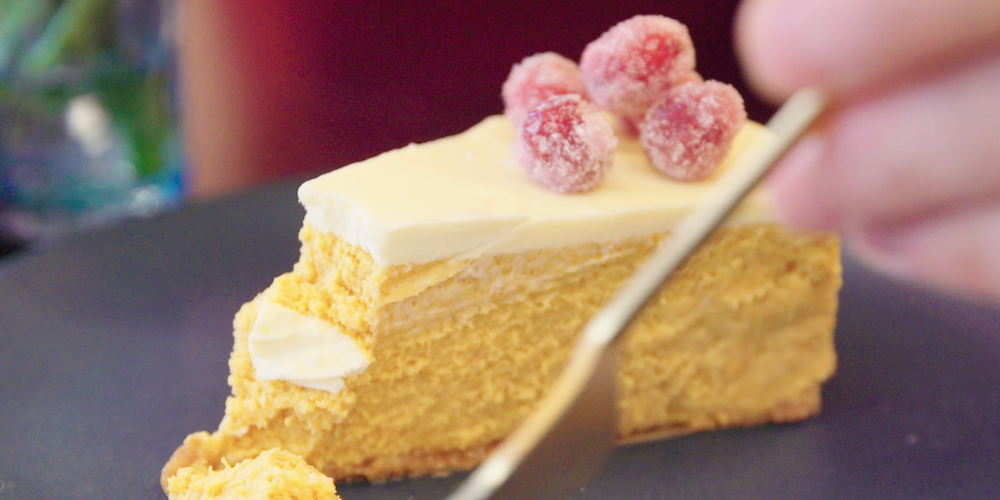
Serve pumpkin cheesecake cold, but not icy. Let it sit at room temperature for 15 to 25 minutes before slicing. This softens the texture slightly and lets the spices bloom. Use a sharp knife dipped in hot water and wiped dry between cuts for neat slices.
For a classic finish, add whipped cream and a sprinkle of cinnamon. For a bakery-style finish, drizzle caramel sauce over each slice and scatter toasted pecans on top. For a little crunch, add crushed gingersnaps. For maximum drama, serve it on a cake stand and pretend the whole thing was effortless. Technically, it was.
Storage and Make-Ahead Instructions
Pumpkin cheesecake is an excellent make-ahead dessert. In fact, it tastes better the next day because the filling has time to set and the spices have time to mingle. Store it covered in the refrigerator for up to 4 or 5 days.
To freeze, chill the cheesecake completely, then wrap it tightly in plastic wrap and foil. Freeze the whole cheesecake or individual slices for up to 2 months. Thaw overnight in the refrigerator. Add whipped cream, caramel, or nuts after thawing for the freshest presentation.
Common Pumpkin Cheesecake Mistakes
Using Pumpkin Pie Filling Instead of Pumpkin Puree
Pumpkin pie filling already contains sugar and spices, which can throw off the flavor and texture. Use plain canned pumpkin puree for better control.
Skipping the Chill Time
A warm cheesecake will not slice cleanly. It may taste good, but it will look like it gave up on boundaries. Chill it thoroughly before serving.
Overbaking the Center
The center should still wobble slightly when the cheesecake leaves the oven. A fully firm center can mean a dry, grainy texture later.
Forgetting to Scrape the Bowl
Cream cheese sticks to the sides and bottom of the bowl. Scrape often so every bite has the same creamy texture.
Personal Experience: What Baking Pumpkin Cheesecake Teaches You
The first time many home bakers make pumpkin cheesecake, they approach it with the cautious energy of someone defusing a tiny dessert bomb. There is the springform pan, the water bath, the cooling process, the overnight chill, and the quiet fear that the top will crack right before guests arrive. But after making it once, you realize that pumpkin cheesecake is not difficult. It simply rewards patience.
One of the most useful lessons is that preparation matters more than fancy technique. Setting out the cream cheese and eggs early makes the process smoother from the start. When the ingredients are properly softened, the batter comes together easily, almost lazily, without lumps or overmixing. It feels like the recipe suddenly decided to cooperate. Cold cream cheese, on the other hand, turns the mixing bowl into a tiny obstacle course.
Another experience worth mentioning is the smell. Pumpkin cheesecake fills the kitchen differently from pumpkin pie. It is richer, warmer, and more rounded. The cinnamon and ginger hit first, then the buttery crust, then the tang of cream cheese. It smells like someone opened a bakery inside a sweater drawer, in the best possible way. If you bake it the day before Thanksgiving, people will wander into the kitchen pretending they need water.
The waiting is the hardest part. When the cheesecake comes out of the oven, it does not look fully finished. The center jiggles. The top may appear slightly dull. You may wonder whether you have made a mistake. This is where experience helps. Cheesecake is not like a layer cake; it finishes its transformation in the refrigerator. By the next morning, the filling is firm, creamy, and sliceable. The flavor is deeper too, because pumpkin spice improves when it has time to settle down and stop shouting.
Serving pumpkin cheesecake also teaches you the power of small details. A plain slice is wonderful, but a spoonful of whipped cream and a thin caramel drizzle make it look restaurant-worthy. Toasted pecans add crunch. Gingersnap crumbs make it playful. Even a simple dusting of cinnamon gives the plate a finished look. These toppings are not required, but they turn a reliable dessert into a memorable one.
The best part is how flexible pumpkin cheesecake can be. It fits holiday tables, potlucks, birthday dinners, office parties, and quiet weekends. It satisfies pumpkin pie fans while winning over people who usually prefer cheesecake. It is sweet but not childish, rich but not heavy, festive but not fussy. That is the magic of this easy pumpkin cheesecake recipe: it looks impressive, tastes luxurious, and still lets the baker keep their sanity.
Conclusion
This pumpkin cheesecake recipe is proof that a show-stopping fall dessert does not need to be complicated. With softened cream cheese, real pumpkin puree, warm spices, a sturdy crumb crust, and a little patience, you can make an easy pumpkin cheesecake that slices beautifully and tastes like autumn dressed up for dinner.
Whether you serve it for Thanksgiving, a fall birthday, a cozy weekend meal, or simply because pumpkin season deserves respect, this cheesecake delivers creamy texture, balanced spice, and plenty of “just one more bite” energy. Make it ahead, chill it overnight, decorate it simply, and let the refrigerator do half the work. That is not laziness. That is dessert strategy.