Research synthesis informed by current guidance from the American Academy of Dermatology, National Institute of Arthritis and Musculoskeletal and Skin Diseases, Mayo Clinic, Cleveland Clinic, National Psoriasis Foundation, MedlinePlus, FDA, American Cancer Society, and Harvard Health.
Psoriasis can make getting ready feel like a tiny negotiation with your skin. You want your face to look fresh, your hair to behave, your nails to look neat, and your moisturizer to stop acting like it has a personal grudge against your shirt. The good news: a psoriasis-friendly beauty routine does not require throwing away every product you own or living in a beige robe forever.
The goal is not perfection. Psoriasis is a chronic immune-mediated condition that can cause itchy, inflamed, scaly patches on the skin, scalp, and nails. Beauty care cannot replace medical treatment, but a gentler routine may help reduce unnecessary irritation, improve comfort, and make makeup, hair care, and grooming feel more manageable. Think of it as beauty care with fewer dramatic plot twists.
Start With the Right Mindset: Gentle Beats Aggressive
When psoriasis is active, the skin barrier can be dry, sensitive, and easily irritated. That means many popular beauty shortcuts can backfire. A harsh scrub, a strong peel, a fragranced body wash, or an aggressive makeup brush may feel satisfying for approximately six seconds and then leave your skin feeling like it has filed a formal complaint.
Psoriasis-friendly beauty care works best when it focuses on three things:
- Protecting the skin barrier with moisture and gentle cleansing.
- Avoiding friction, scratching, and products that sting or burn.
- Using makeup and grooming tools carefully rather than trying to “scrub away” flakes.
Psoriasis is not contagious, and visible plaques are not a sign that someone is unhygienic. A beauty routine should support confidence, not turn your bathroom mirror into an enemy combat zone.
Build a Simple Psoriasis-Friendly Skin Care Routine
Use Warm Water, Not Lava Water
A long, steaming shower may feel like a luxury after a difficult day, but hot water can dry the skin and worsen irritation. Keep showers short and use warm water instead. Pat the skin dry with a soft towel rather than rubbing it like you are trying to erase a parking ticket.
Choose a mild, fragrance-free cleanser for the face and body. “Fragrance-free” is generally a more useful label than “unscented,” because unscented products can still contain masking fragrances. Avoid soaps, body washes, and cleansers that leave your skin tight, squeaky, or itchy after rinsing.
Moisturize While Skin Is Still Slightly Damp
Moisturizer is one of the least glamorous but most dependable tools in psoriasis beauty care. Apply a cream or ointment shortly after bathing, while the skin is still slightly damp. This helps trap moisture and may reduce the dry, flaky look that can make makeup cling unevenly.
For very dry areas, thicker creams and ointments often work better than lightweight lotions. Ingredients such as ceramides, glycerin, hyaluronic acid, petrolatum, and colloidal oatmeal may be helpful for supporting hydration. A basic moisturizer may not have a glamorous name or a mystical moon-water backstory, but boring products are sometimes the heroes of the bathroom cabinet.
Be Careful With “Active” Skin Care Ingredients
Retinoids, strong exfoliating acids, alcohol-heavy toners, rough cleansing brushes, and peel pads may irritate psoriasis-prone skin. That does not mean every active ingredient is forbidden forever, but it does mean adding several new products at once is rarely a wise experiment.
If your dermatologist recommends a psoriasis product containing salicylic acid, urea, coal tar, or another active ingredient, use it as directed. These products can help soften scales for some people, but they may sting on sensitive skin or be unsuitable for delicate areas such as the face, groin, or skin folds unless a clinician specifically advises otherwise.
Makeup Tips for Psoriasis-Prone Skin
Prep First, Then Apply Makeup
Makeup tends to look smoother when skin is moisturized first. Apply your moisturizer, give it a few minutes to settle, and then use a lightweight primer or foundation only if your skin tolerates it. Trying to put powder directly over dry, flaky plaques is a little like frosting a cracked sidewalk: it may technically cover something, but it rarely creates the finish you wanted.
Cream and liquid formulas are often easier to apply than dry powder formulas when facial psoriasis is flaky. Use light layers and press products into the skin with clean fingers, a soft sponge, or a gentle brush. Avoid dragging, scrubbing, or repeatedly buffing the same area.
Choose Products by Ingredients, Not Marketing Buzzwords
Labels such as “clean,” “natural,” “organic,” and “hypoallergenic” do not guarantee that a product will be safe for psoriasis or sensitive skin. The U.S. Food and Drug Administration does not set a single federal definition for “hypoallergenic,” so treat it as a marketing clue, not a personal dermatologist in a bottle.
Look for products that are fragrance-free and designed for sensitive skin. Read ingredient labels, especially if you already know certain fragrances, botanical extracts, preservatives, or dyes bother you. Natural ingredients can still cause irritation. Poison ivy is natural too, and nobody is putting that in a serum on purpose.
Patch-Test New Beauty Products
When trying a new foundation, concealer, sunscreen, hair product, or body lotion, test it on a small area of unaffected skin first. Follow the manufacturer’s instructions, especially for hair dye and chemical treatments. If a product causes stinging, burning, swelling, itching, or a new rash, stop using it rather than hoping your skin will “get used to it.”
During a flare, simplify your routine. A gentle cleanser, moisturizer, sunscreen, and minimal makeup may be more useful than a ten-step routine packed with acids, scrubs, masks, and products that sound as if they were invented in a laboratory beneath a volcano.
Do Not Skip Sunscreen
Sun protection is part of beauty care and skin health for everyone, including people with psoriasis. Choose a broad-spectrum sunscreen with SPF 30 or higher for exposed skin. Some people with sensitive skin prefer mineral sunscreen formulas containing zinc oxide or titanium dioxide, but the best sunscreen is the one your skin tolerates and you will actually wear consistently.
Apply sunscreen before makeup and reapply when spending time outdoors, especially after swimming or sweating. Foundation with SPF can be a helpful bonus, but it is often applied too lightly to provide full sun protection by itself. Treat makeup SPF as backup singers, not the entire band.
Scalp Psoriasis Beauty Care: Treat Your Scalp Like Skin
Scalp psoriasis can be especially frustrating because flakes may show up on dark shirts, hairbrushes, pillows, and seemingly every surface that has ever known peace. The main rule is simple: do not scratch or pick at the scales. Scratching can injure the skin and may worsen irritation.
Use shampoos, scalp treatments, and prescription products exactly as directed by your dermatologist. When washing your hair, massage the scalp gently with your fingertips instead of your nails. A wide-tooth comb can help distribute conditioner through hair without turning scalp care into an archaeological excavation.
During an active flare, be cautious with hair dye, bleaching, chemical straightening, strong styling sprays, dry shampoo, and fragranced scalp oils. These products may irritate an already sensitive scalp. If you color your hair, discuss timing and product choices with a dermatologist or licensed stylist who understands sensitive scalp conditions.
Hair accessories can also matter. Avoid tight ponytails, rough headbands, or clips that rub repeatedly on irritated areas. Soft, loose styles may be more comfortable while your scalp is healing.
Nail Psoriasis: Keep Grooming Gentle and Practical
Nail psoriasis can cause pitting, thickening, discoloration, tenderness, or lifting of the nail from the nail bed. It can make manicures feel less like a treat and more like a complicated diplomatic mission.
Keep nails trimmed short and file sharp edges gently. Avoid picking at cuticles, scraping under the nails, or forcing lifted nails back into place. Repeated trauma can worsen nail problems and may increase the chance of infection.
Consider taking a break from acrylic nails, aggressive buffing, gel removal, and frequent cuticle cutting if your nails are painful, splitting, or lifting. Regular nail polish may be acceptable for some people, but remove it gently and stop if the product causes burning or irritation. Wear gloves for wet work, cleaning, gardening, and dishwashing to protect the nails and surrounding skin.
If a nail becomes painful, yellow, crumbly, significantly thickened, or separates from the nail bed, see a dermatologist. Nail fungus and nail psoriasis can look similar, and guessing is rarely a winning strategy.
Grooming, Shaving, and Hair Removal Tips
Skin injury can trigger psoriasis in some people, so gentle grooming matters. Use a clean razor, a fragrance-free shaving product, and light pressure. Avoid shaving directly over open, cracked, bleeding, or inflamed plaques whenever possible.
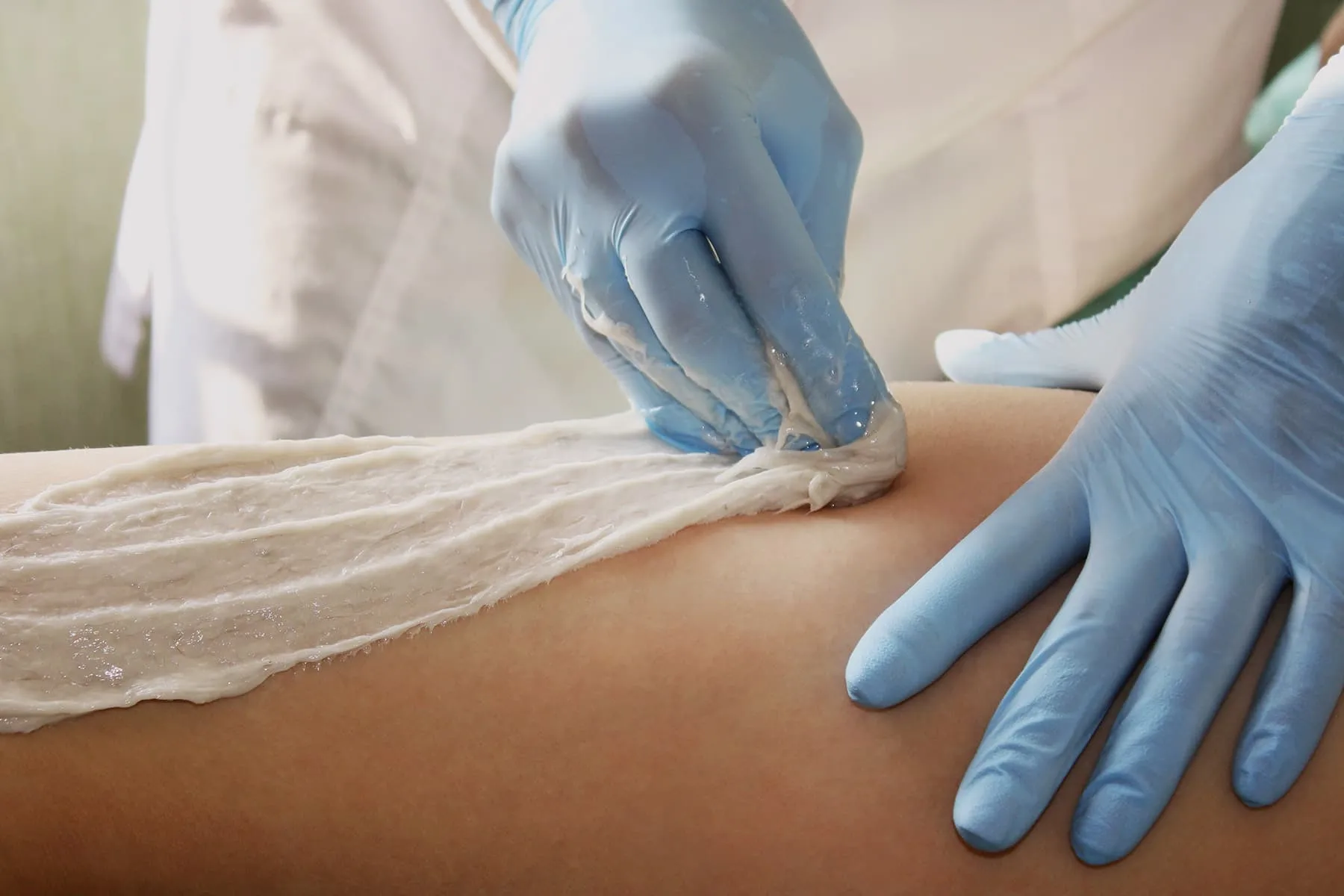
Waxing, depilatory creams, and aggressive exfoliation can be irritating, especially during a flare. An electric trimmer may be a more comfortable option for some areas. After shaving, apply a bland moisturizer instead of an alcohol-heavy aftershave that feels like it was designed by a tiny dragon.
Create an Event-Day Beauty Plan
Big events can make psoriasis feel more stressful because you may be thinking about photos, outfits, makeup, lighting, and whether every person in the room has suddenly become a professional skin critic. Planning ahead can help.
- Do not test a brand-new product the night before an event.
- Use your most reliable cleanser, moisturizer, and makeup products.
- Choose soft fabrics that do not rub irritated skin.
- Carry a small moisturizer, lip balm, and clean blotting tissue for touch-ups.
- Give yourself extra time so makeup does not become a rushed rubbing-and-powdering situation.
Most importantly, remember that your skin does not have to earn your right to attend the party, the meeting, the wedding, the date, or the grocery store. You are allowed to show up before your psoriasis is “perfect.”
When Beauty Care Is Not Enough
Beauty care can make psoriasis easier to live with, but it should not replace medical treatment. Contact a dermatologist if your psoriasis is spreading, painful, bleeding, infected-looking, affecting sleep, interfering with work or daily activities, or causing distress that feels difficult to manage.
Seek medical advice promptly if you develop swollen or painful joints, morning stiffness, nail changes with joint symptoms, fever, or widespread redness. Psoriasis can be associated with psoriatic arthritis, and early evaluation matters.
Experiences With Psoriasis Beauty Care: What People Often Learn Along the Way
The following experiences are illustrative composites based on common psoriasis beauty-care challenges. They are not individual medical testimonials or substitutes for professional advice.
“My makeup was not the real problem; my skin prep was.” One common experience is realizing that foundation is often blamed for problems that begin before makeup even touches the face. A person may spend years trying different powders, concealers, primers, and setting sprays, only to discover that dry plaques need moisture more than another layer of coverage. After switching from a foaming cleanser and matte powder foundation to a gentle cleanser, richer moisturizer, and light liquid base, the makeup may look smoother simply because it is no longer fighting a flaky surface. The lesson is not that everyone needs expensive products. It is that a calm, hydrated canvas usually beats a complicated makeup bag.
“I stopped trying to exfoliate the flakes into another dimension.” Many people with visible scaling feel an understandable urge to scrub. They may use facial brushes, gritty scrubs, peeling gels, exfoliating gloves, or rough washcloths in the hope that the scales will disappear faster. Unfortunately, this can create redness, soreness, and even more irritation. A gentler approach often feels strange at first because it looks less dramatic. But switching to lukewarm water, soft towels, moisturizer, and clinician-approved treatment can make skin feel less angry over time. The surprising part is that “doing less” can feel like doing more when your skin is used to being overworked.
“Scalp care became easier when I treated my scalp like skin, not just hair headquarters.” Scalp psoriasis often becomes frustrating when people focus only on the hair. They may buy multiple dry shampoos, strong styling products, scented oils, and volumizing sprays while the scalp underneath is crying for help. A more useful routine may involve medicated shampoo or prescription scalp treatment, gentle fingertip massage, and fewer irritating styling products during a flare. Some people also find that changing hairstyles helps. A looser part, softer hair accessories, or a style that does not require constant brushing can reduce rubbing and make flakes less noticeable.
“My nails needed protection more than perfection.” Nail psoriasis can make salon appointments feel stressful. People may hide their hands, avoid polish, or feel embarrassed when nails are pitted, thickened, or lifting. A practical shift can help: keeping nails short, moisturizing hands and cuticles, wearing gloves for chores, and avoiding aggressive manicures. Some people continue using polish; others take breaks when nails are tender. The biggest emotional change often comes from realizing that healthy-looking hands do not require flawless nails. Clean, protected, comfortable nails are a win, even when they do not belong in a shampoo commercial.
“I learned to ignore the ‘clean beauty’ panic.” Beauty marketing can make psoriasis feel like a scavenger hunt through words such as natural, detox, clean, pure, botanical, and miracle. Some people eventually learn that a product with a simpler formula and no fragrance works better than a trendy product full of essential oils and plant extracts. Reading ingredient lists, introducing one new item at a time, and keeping track of reactions can be far more useful than chasing social media trends. Your skin does not care whether a jar looks luxurious on a shelf. It cares whether the formula makes it sting.
“The best beauty tip was giving myself permission to be seen.” The emotional side of psoriasis beauty care is often just as important as cleanser choice. Some people report feeling pressure to cover every plaque, wear long sleeves in hot weather, or avoid events during a flare. Over time, many find a healthier balance: using makeup or clothing because it feels fun, not because it is required for public approval. A good beauty routine can improve comfort and confidence, but it should never become a punishment. Psoriasis may be part of your skin story, but it does not get to write the entire biography.
Conclusion
Psoriasis beauty care is less about chasing flawless skin and more about building a routine that respects your skin’s limits. Gentle cleansing, regular moisturizing, fragrance-free products, thoughtful makeup application, scalp-friendly habits, nail protection, and daily sun protection can all make a noticeable difference in comfort and confidence.
Keep your routine simple, introduce products slowly, and let your dermatologist guide treatment decisions. Your beauty routine should feel supportive, not like a weekly obstacle course with twelve serums and a tiny spatula.
Note: This article is for general educational purposes and does not replace diagnosis or personalized treatment from a dermatologist or other qualified health professional.