Note: This original article synthesizes practical guidance from U.S. pond-management, horticulture, extension, stormwater, and water-gardening resources. Always check local codes, call utility-marking services before digging, and plan child and pet safety before installing any outdoor water feature.
A backyard without water is perfectly fine. A backyard with water, however, feels like it suddenly hired a spa consultant, a wildlife coordinator, and a tiny orchestra of trickling sounds. Whether you dream of a peaceful garden pond, a dramatic pondless waterfall, a koi pond full of living color, or a small patio water garden, the right water feature can turn an ordinary outdoor living space into the place everyone mysteriously “just happens” to wander toward after dinner.
The magic is not only visual. Water adds movement, sound, reflection, habitat, and a sense of coolness to the landscape. It softens hard patios, brings life to planting beds, attracts birds and pollinators, and creates a natural focal point. But a great pond or waterfall is not just a hole with water in it. That is called “a problem.” A successful water feature is designed as a living system, with the right size, pump, filtration, plants, fish load, edge treatment, maintenance plan, and outdoor living layout.
Why Water Features Belong in Outdoor Living Design
Modern outdoor living is no longer limited to a grill, two chairs, and a heroic citronella candle. Homeowners now treat patios, decks, pergolas, fire pits, and garden rooms as true extensions of the home. A pond, pondless waterfall, koi pond, or fountain gives that space a center of gravity. It provides a reason to sit, listen, look closer, and stay longer.
Water features also solve design problems. A waterfall can mask traffic noise. A pond can anchor a planting bed that otherwise feels flat. A narrow stream can guide movement through a landscape. A container water garden can make a small patio feel intentional instead of “we had twelve square feet and optimism.” Even a modest bubbling rock can bring calm to a courtyard.
Choosing the Right Water Feature
Garden Ponds
A classic garden pond is ideal for homeowners who want a balanced ecosystem with aquatic plants, fish, stones, and natural edges. Garden ponds can be formal, rustic, modern, or wildlife-focused. The best designs include shallow shelves for marginal plants, deeper zones for fish protection, a skimmer or intake area for debris, and enough circulation to keep the water moving.
Garden ponds work beautifully near patios, walking paths, decks, and seating areas. The key is scale. A tiny pond in a huge yard may look like a birdbath having an identity crisis. A large pond squeezed against a small patio may feel overwhelming. Match the size of the feature to the size of the landscape and the time you realistically want to spend maintaining it.
Pondless Waterfalls
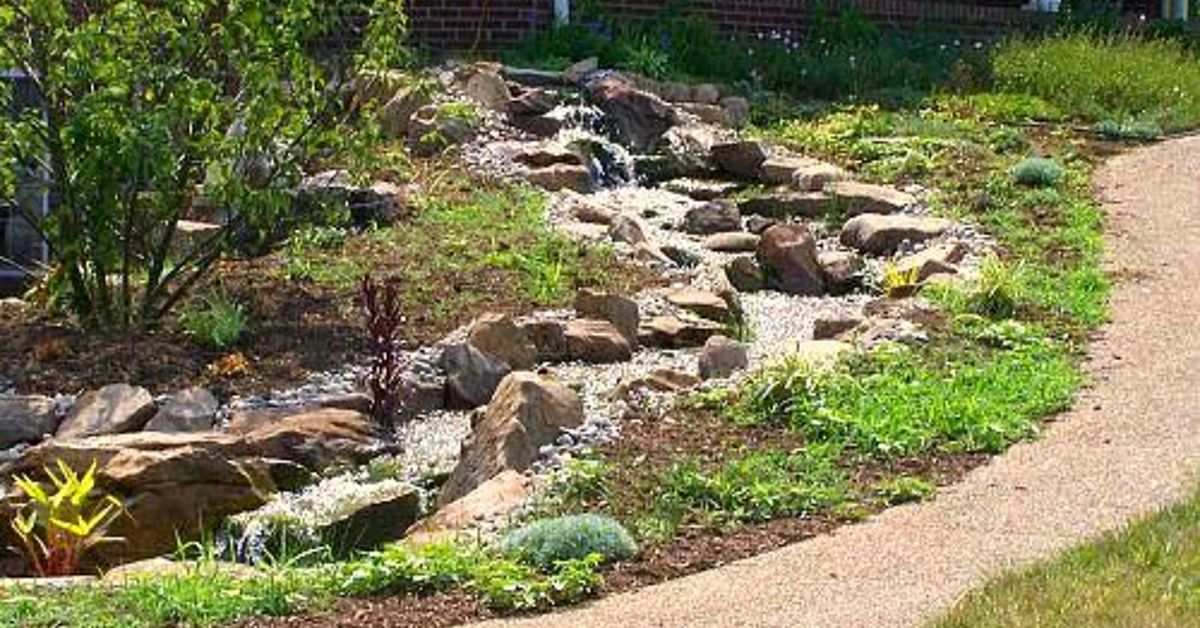
A pondless waterfall gives you the sound and movement of falling water without an open pond basin. Water flows over stone, disappears into a hidden underground reservoir, and recirculates through a pump. This makes pondless waterfalls popular for families, compact yards, commercial entries, and homeowners who want lower maintenance than a fish pond.
Because there is no standing pond, there is less open water to manage. Leaves are easier to remove, fish care is not required, and the system can often be turned off when not in use. A pondless waterfall is especially effective near an outdoor seating area, where the sound can be enjoyed up close. Think of it as nature’s white-noise machine, but prettier and less likely to come from a plastic app.
Koi Ponds
Koi ponds are for people who want beauty with responsibility. Koi are living jewels, but they are also large fish that need space, oxygen, stable water quality, and excellent filtration. A koi pond should be deeper and more carefully engineered than a decorative goldfish pond. It needs biological filtration, mechanical debris removal, strong circulation, and protection from predators and extreme temperatures.
A successful koi pond is not built around the question, “How many koi can I fit?” It is built around the question, “How much healthy water can I provide?” Overstocking and overfeeding are two of the fastest ways to create algae problems, cloudy water, stressed fish, and a pond that smells like regret with a pump attached.
Container Water Gardens
Not every water garden needs excavation equipment and a contractor named Dale. Container water gardens are excellent for patios, balconies, small courtyards, and entry gardens. A watertight bowl, trough, ceramic pot, or half-barrel can hold aquatic plants, a small fountain, and sometimes a few small fish if the container is large and well-managed.
Container water features are beginner-friendly because they are affordable, movable, and easy to redesign. They are also a smart way to test your interest before committing to a full backyard pond. Start small, learn how water behaves in your climate, and then decide whether you are ready to graduate to the big leagues.
Design Principles for Ponds and Water Gardens
Start With Location
Location affects everything: algae growth, plant health, viewing angles, maintenance, safety, and energy use. A pond should be visible from places you already use, such as a kitchen window, patio, deck, or garden path. If you tuck it behind the shed next to a stack of forgotten flowerpots, you will not enjoy it often enough to justify the work.
Most water gardens benefit from a balance of sun and shade. Too much shade can limit flowering aquatic plants. Too much direct sun can warm the water and encourage algae. Avoid placing ponds directly under messy trees if possible. Falling leaves, seed pods, and twigs can quickly overload filters and create nutrient buildup.
Plan the Edge Carefully
The edge of a pond determines whether it looks natural or like a plastic tub that lost a fight with the lawn. Use stone, gravel, low plantings, and varied shapes to soften the transition between water and land. Flat rocks can create viewing spots, while marginal plants help hide liner edges and provide habitat.
For outdoor living areas, include at least one comfortable access point where people can sit close to the water. This might be a stone bench, a low deck, a patio extension, or a stepping-stone overlook. Water is best when it can be experienced, not merely admired from across the yard like a museum exhibit.
Think About Sound
Water sound depends on height, flow, stone shape, and landing surfaces. A tall drop creates louder splashing. A gentle stream creates soft trickling. Broad, flat stones produce sheet-like water movement, while irregular rocks create bubbling and chatter. Before finalizing a waterfall, consider whether you want peaceful background sound or a backyard feature that announces itself like it is hosting a documentary.
Building a Healthy Pond Ecosystem
A pond is healthiest when it behaves like a small ecosystem. That means water, plants, fish, beneficial bacteria, oxygen, sunlight, and nutrients all need to stay in balance. When one piece goes out of balance, the pond will politely inform you with green water, string algae, odors, stressed fish, or a pump that sounds like it is chewing gravel.
Important elements include a durable liner or basin, underlayment to protect against punctures, properly sized pumps, biological filtration, mechanical filtration, aeration, and aquatic plants. Skimmers help collect floating debris. Biofilters support beneficial bacteria that process fish waste. Waterfalls and aerators increase oxygen, especially during warm weather.
Water quality begins outside the pond. Lawn fertilizer, grass clippings, pet waste, soil erosion, and overfeeding fish all add nutrients that can fuel algae. Keep runoff away from the pond, avoid blowing lawn debris into the water, and feed fish only what they can consume quickly.
Water Gardening: Plants That Make the Pond Work
Aquatic plants are not just decoration. They shade the water, absorb nutrients, provide cover for fish, support insects and birds, and make the pond look settled into the landscape. A pond without plants can look unfinished, like a living room with only a treadmill and a suspicious lamp.
Marginal Plants
Marginal plants grow at the pond edge or in shallow water. They soften borders and add height, texture, and seasonal color. Examples include pickerelweed, iris, rushes, sedges, and sweet flag. In many regions, native marginal plants are best because they support local wildlife and are adapted to local conditions.
Floating Plants
Floating plants rest on the water surface and help shade the pond. They can reduce sunlight penetration and compete with algae for nutrients. However, some floating plants can become invasive in warm climates, so choose responsibly and check local recommendations before adding anything that multiplies faster than gossip at a homeowners association meeting.
Deep-Water Plants
Water lilies and lotus are the celebrities of water gardening. Water lilies float at the surface with beautiful blooms, while lotus often rises above the water with dramatic leaves and flowers. These plants need enough sun to flower well and should be placed at appropriate depths according to the variety.
Submerged Plants
Submerged plants grow below the surface and help with oxygenation and nutrient balance. They can also provide cover for aquatic life. As with all pond plants, avoid invasive species and use planting baskets when you need control.
Koi Pond Essentials
Koi ponds require a higher standard of planning than simple ornamental ponds. Koi grow large, live a long time when cared for properly, and produce more waste than small goldfish. That means the pond must be designed for long-term fish health, not just first-week curb appeal.
Depth matters because deeper water helps moderate temperature swings and gives fish room to move away from predators. Filtration should include both mechanical and biological stages. Mechanical filtration removes leaves, solids, and debris. Biological filtration supports bacteria that convert harmful waste compounds into less harmful forms. Aeration is also critical because warm water holds less oxygen, and fish need oxygen most when summer heat is at its peak.
Feeding should be conservative. Uneaten food sinks, decomposes, and adds nutrients to the water. Feed only what koi can eat within a short period, and adjust feeding as water temperatures change. In colder seasons, koi metabolism slows, and feeding routines must change accordingly.
Pondless Waterfall Design Tips
A pondless waterfall is perfect when you want beauty, sound, and movement without fish care. The hidden reservoir should be large enough to hold the circulating water when the pump is off. The pump must be sized to the desired flow and waterfall height. The stone layout should look natural, as if the water discovered its own path instead of being forced through a landscaping committee meeting.
For the best effect, vary rock sizes. Use large anchor stones, medium transition stones, and smaller gravel to fill gaps. Create pauses in the flow where water pools briefly before dropping again. These small details make the waterfall sound richer and look more natural.
Pondless waterfalls are also excellent for front yards and entries. They create a welcoming impression without the maintenance demands of a full pond. Add low-voltage lighting, ornamental grasses, and seasonal perennials, and suddenly your walkway feels less like a route to the door and more like a tiny resort path.
Seasonal Pond Maintenance
Spring
Spring is the season of inspection. Check pumps, filters, tubing, rocks, liner edges, and plant baskets. Remove accumulated leaves and sludge before warm weather accelerates decomposition. Divide overgrown aquatic plants, restart filtration, and test water quality if fish are present.
Summer
Summer maintenance focuses on oxygen, algae prevention, and evaporation. Keep water moving, remove excess plant growth, clean skimmer baskets, and top off water when needed. Watch fish behavior. Gasping near the surface can signal low oxygen or poor water conditions.
Fall
Fall is leaf-defense season. Use pond netting if your pond sits near trees. Remove fallen leaves before they sink and decay. Trim dead aquatic foliage and prepare tender plants for overwintering if your climate requires it.
Winter
In cold regions, fish ponds need a small opening in the ice for gas exchange. Use a pond de-icer or aeration system designed for winter conditions. Do not smash ice with a hammer; the shock can stress fish. Also, your neighbors may wonder why you are attacking your pond at breakfast.
Algae, Mosquitoes, and Other Backyard Drama
Algae is not always evil. Some algae are part of a healthy pond ecosystem. The problem begins when nutrients, sunlight, warm temperatures, and poor circulation create excessive growth. Green water, string algae, and floating mats usually point to imbalance.
Prevention is better than panic. Limit nutrient runoff, avoid overfeeding fish, include aquatic plants, maintain filters, and keep water moving. A properly balanced pond should not need constant chemical intervention. Chemical products may have a place in some situations, but they should be used carefully, according to label directions, and with fish and plant safety in mind.
Mosquito concerns are common, but moving water is less attractive to mosquitoes than stagnant water. Fountains, waterfalls, aerators, and healthy habitat for natural predators can help reduce problems. Do not let buckets, saucers, clogged drains, or unused containers hold stagnant water nearby, because mosquitoes are not picky about real estate.
Outdoor Living Around Water
The best water features are integrated into daily life. Place seating close enough to hear the water. Add paths that invite people to approach. Use lighting to highlight falling water, specimen plants, and stone edges at night. Combine the water feature with a pergola, fire pit, dining patio, or quiet reading corner.
Planting design should create layers. Use low groundcovers near the edge, medium perennials behind them, and shrubs or ornamental grasses for structure. This layered approach makes ponds and waterfalls feel established. It also helps blend equipment, hoses, and utility boxes into the background, where they can live their best invisible lives.
Common Mistakes to Avoid
One common mistake is building too small. Small ponds can be charming, but very small fish ponds are harder to keep stable because temperature and water chemistry change quickly. Another mistake is underestimating filtration. Clear, healthy water depends on proper circulation and biological balance.
Homeowners also forget maintenance access. Pumps, filters, skimmers, and lights should be reachable without requiring yoga poses, wet shoes, or emotional support. Plan where cords, plumbing, and cleanout points will go before construction begins.
Finally, do not ignore safety. Any water feature can be a hazard for children and pets. Consider fencing, grates, shallow edges, secure covers, visibility from the home, and local requirements. Beauty is wonderful. Beauty plus common sense is better.
Experience Notes: What Real Pond Owners Learn After the First Splash
Most people begin with a picture in their head: clear water, smooth stones, koi gliding like living paintbrushes, and the gentle sound of a waterfall making the yard feel expensive in a calm way. Then the first leaf falls in. Then the dog discovers the shallow shelf. Then someone says, “Why is the water green?” This is the normal learning curve of water gardening, and it is part of the charm.
The first experience many pond owners have is realizing that water features are not furniture. You do not simply install them and dust them twice a year. They are living systems. A small pond changes with weather, sunlight, plants, insects, fish, and the amount of organic material entering the water. Once owners understand that, maintenance feels less like a chore and more like gardening. You observe, adjust, trim, clean, and improve.
A homeowner with a pondless waterfall often learns that sound is everything. One extra stone can change a harsh splash into a soft trickle. A slight shift in flow can make the feature visible from the patio instead of disappearing behind a boulder. The best pondless waterfalls usually look unforced. They do not scream, “Installed on Saturday!” They whisper, “I have been flowing here since the dinosaurs had better landscaping.”
Koi pond owners learn patience. New koi may hide at first. Water may take time to stabilize. Plants may need a season to mature. The pond becomes more beautiful as biology catches up with design. Owners also learn that koi have personalities. Some are bold, some are shy, and some behave like floating golden retrievers waiting for snacks. That connection is why koi ponds become hobbies, not just landscape features.
Water gardeners often discover the joy of small changes. Adding a water lily can transform the surface. Planting pickerelweed or iris at the edge brings dragonflies. Installing a bench nearby turns the pond from decoration into destination. Outdoor living improves when people have a reason to slow down. A pond gives them that reason without saying a word.
The biggest lesson is that the most successful water features are designed for the owner’s lifestyle. A busy family may love a pondless waterfall because it offers beauty without fish care. A passionate gardener may prefer a plant-rich wildlife pond. A hobbyist may enjoy the technical side of koi filtration. A patio owner may be happiest with a container water garden and a small bubbler. There is no single perfect option. There is only the option that fits your space, time, budget, and willingness to occasionally rescue a leaf from the skimmer.
Conclusion
Ponds, pondless waterfalls, koi ponds, outdoor living spaces, water features, and water gardening all share one goal: making the landscape feel alive. The best projects begin with thoughtful design and realistic expectations. Choose the right type of feature, place it where you will enjoy it daily, support it with proper circulation and filtration, and use plants to build beauty and balance.
A water feature does not need to be huge to be meaningful. A small container pond can bring life to a patio. A pondless waterfall can turn an entry garden into a peaceful arrival. A koi pond can become the heart of a backyard retreat. When water, stone, plants, sound, and seating work together, your outdoor space becomes more than a yard. It becomes a place to breathe, gather, observe, and occasionally brag about your very well-behaved waterfall.