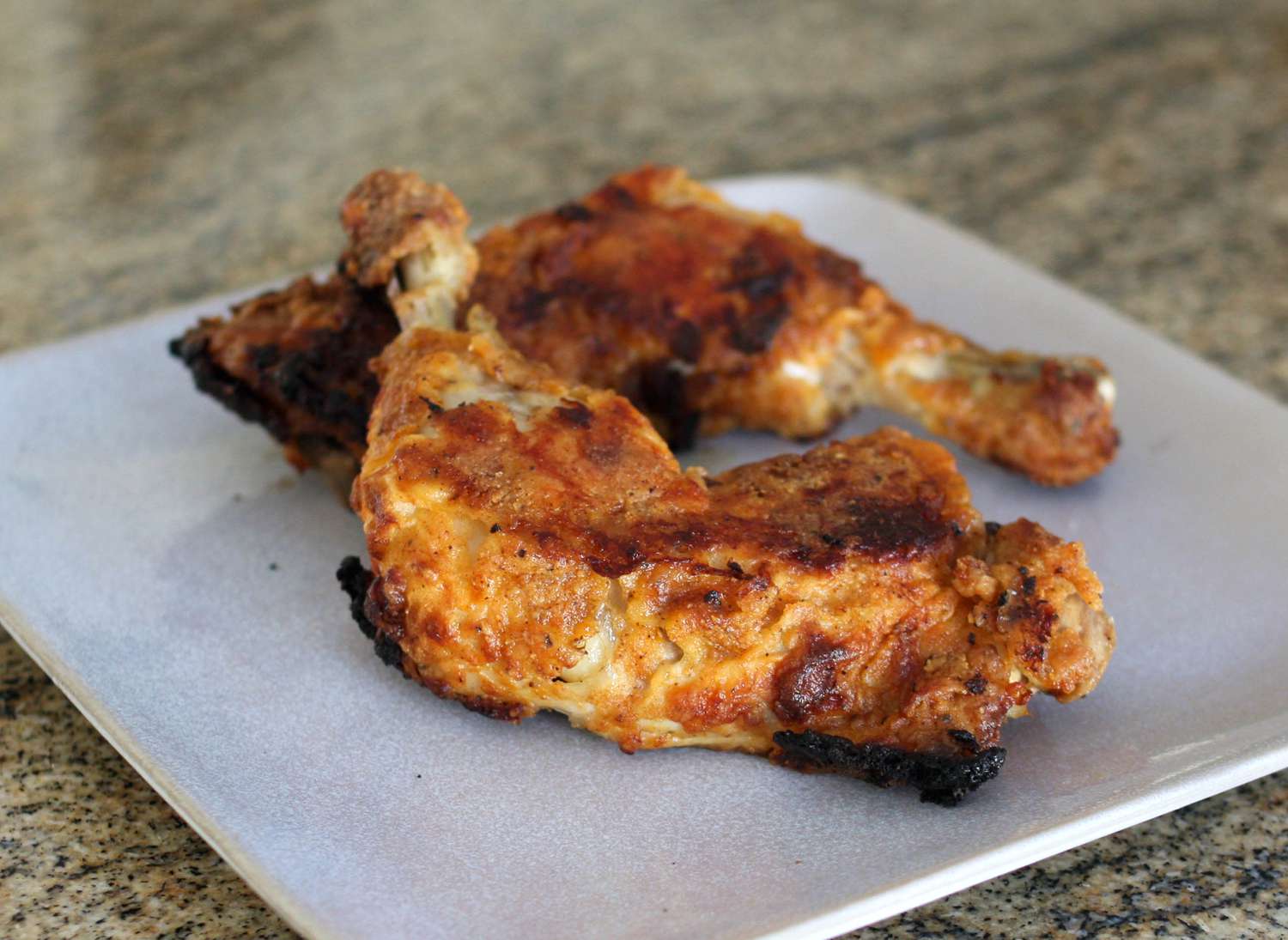
There are two kinds of people in this world: people who love fried chicken, and people who say they “only want a small piece” before mysteriously reaching for seconds. This oven-fried whole chicken legs recipe is for both groups. It gives you that golden, crunchy, seasoned coating everyone wants, but without the bubbling pot of oil, the lingering fried-food smell, or the tiny kitchen panic that happens when hot grease starts acting dramatic.
Whole chicken legs are perfect for oven-fried chicken because they include both the drumstick and thigh. That means more juicy dark meat, more flavor, and more crispy edges. The goal here is simple: create chicken that tastes like it took a deep-fryer vacation, while your oven does the actual work. With a buttermilk-style marinade, a seasoned flour-and-panko coating, a hot baking sheet, and a wire rack for airflow, this recipe delivers crunchy chicken legs that are easy enough for a weeknight but proud enough for Sunday dinner.
Why This Oven-Fried Whole Chicken Legs Recipe Works
Traditional fried chicken gets its magic from hot oil. Oven-fried chicken needs a slightly different strategy. Instead of submerging the chicken, we build crispiness in layers. First, the chicken is seasoned and lightly marinated so the meat tastes good all the way through. Second, the coating uses flour for structure, panko breadcrumbs for crunch, cornstarch for a lighter bite, and baking powder to help the surface brown and crisp. Finally, the chicken bakes on a rack so hot air can circulate around the pieces instead of steaming the bottom into sadness.
The result is a crispy baked chicken leg recipe that feels indulgent but is far less messy than deep-frying. You still get juicy meat, savory spices, and a crust that makes that tiny crackle sound when you bite in. That sound, by the way, is dinner applause.
Ingredients for Oven-Fried Whole Chicken Legs
For the chicken
- 4 whole chicken legs, about 3 to 3 1/2 pounds total
- 1 cup buttermilk
- 1 tablespoon hot sauce, optional but recommended
- 1 teaspoon kosher salt
- 1/2 teaspoon black pepper
- 1 teaspoon garlic powder
- 1 teaspoon smoked paprika
For the crispy coating
- 3/4 cup all-purpose flour
- 1/2 cup panko breadcrumbs
- 2 tablespoons cornstarch
- 1 teaspoon baking powder
- 1 teaspoon onion powder
- 1 teaspoon garlic powder
- 1 teaspoon smoked paprika
- 1/2 teaspoon dried thyme
- 1/2 teaspoon cayenne pepper, optional
- 1 teaspoon kosher salt
- 1/2 teaspoon black pepper
- 3 tablespoons melted butter or neutral oil
- Cooking spray or oil spray
How to Make Oven-Fried Whole Chicken Legs
Step 1: Marinate the chicken
Pat the whole chicken legs dry with paper towels. In a large bowl or zip-top bag, combine buttermilk, hot sauce, salt, pepper, garlic powder, and smoked paprika. Add the chicken legs and turn them until coated. Cover and refrigerate for at least 1 hour, or up to overnight. If you only have 30 minutes, that still helps. If you have overnight time, your future self deserves a medal.
Step 2: Prepare the oven and pan
Preheat the oven to 425°F. Line a large rimmed baking sheet with foil or parchment paper for easier cleanup. Place an oven-safe wire rack on top and spray the rack well with cooking spray. This rack is important because it keeps the coating from sitting in moisture while the chicken bakes.
Step 3: Mix the seasoned coating
In a shallow bowl, whisk together flour, panko, cornstarch, baking powder, onion powder, garlic powder, paprika, thyme, cayenne, salt, and black pepper. Drizzle in the melted butter or oil and rub it into the dry mixture with your fingers until small crumbs form. Those little buttery crumbs become crispy, golden bits in the oven.
Step 4: Coat the chicken
Remove one chicken leg from the marinade and let the excess drip off. Press it firmly into the coating mixture, turning until every side is covered. Do not politely dust the chicken. Really press the coating on like you mean it. Place the coated chicken leg on the prepared rack and repeat with the remaining pieces.
Step 5: Bake until golden and cooked through
Spray the tops of the chicken legs lightly with oil spray. Bake for 45 to 55 minutes, depending on the size of the pieces. Flip carefully after about 30 minutes if you want extra-even browning, though leaving them skin-side up also works well. The chicken is safe to eat when the thickest part reaches 165°F on an instant-read thermometer, but dark meat often tastes even better around 175°F to 185°F because it becomes more tender and succulent.
Step 6: Rest before serving
Let the chicken rest for 5 to 10 minutes before serving. This helps the juices settle and keeps the coating from sliding off like it is trying to escape responsibility. Serve hot with your favorite sides and prepare for compliments that sound suspiciously like chewing.
Recipe Card: Crispy Oven-Fried Whole Chicken Legs
- Prep time: 15 minutes
- Marinating time: 1 hour to overnight
- Cook time: 45 to 55 minutes
- Total time: About 2 hours, including short marinating time
- Servings: 4
- Cooking temperature: 425°F
- Safe internal temperature: 165°F minimum
Best Tips for Extra Crispy Oven-Fried Chicken Legs
Dry the chicken first
Moisture is the enemy of crispiness. Before marinating, pat the chicken dry. After removing it from the marinade, let the extra liquid drip off before coating. The chicken should be damp enough for the breading to stick, not so wet that the coating turns into paste.
Use a wire rack
A wire rack is the difference between crispy oven-fried chicken and chicken with a crunchy top but a soft, sleepy bottom. The rack allows heat to move around the chicken, helping all sides brown more evenly.
Add oil to the coating
Deep-fried chicken gets fat from the fryer. Oven-fried chicken needs a small amount of fat added intentionally. Mixing melted butter or oil into the flour-panko blend helps the coating brown beautifully instead of staying pale and powdery.
Do not crowd the pan
Give each whole chicken leg some personal space. If the pieces are too close together, they steam instead of roast. Steaming is wonderful for vegetables and terrible for crispy chicken dreams.
Use a thermometer
Color can be misleading. A golden crust does not always mean the meat is done, especially with large whole chicken legs. Insert an instant-read thermometer into the thickest part of the thigh without touching bone. Once it reads at least 165°F, the chicken is safe. For the most tender dark meat, many cooks prefer taking it a little higher.
Flavor Variations
Southern-style oven-fried chicken legs
Add 1 teaspoon poultry seasoning, 1/2 teaspoon mustard powder, and a pinch more cayenne to the coating. Serve with coleslaw, biscuits, and honey butter for a comfort-food plate that knows exactly what it is doing.
Garlic-Parmesan chicken legs
Mix 1/3 cup finely grated Parmesan into the coating and add an extra teaspoon of garlic powder. After baking, sprinkle with parsley and serve with lemon wedges.
Spicy oven-fried chicken legs
Double the hot sauce in the marinade and increase the cayenne in the coating. For a Nashville-inspired finish, brush the hot chicken lightly with a mixture of melted butter, paprika, cayenne, garlic powder, and a touch of brown sugar.
Herb-crusted chicken legs
Add dried rosemary, thyme, oregano, and a little lemon zest to the coating. This version pairs beautifully with roasted potatoes and a simple green salad.
What to Serve with Oven-Fried Whole Chicken Legs
This oven-fried chicken recipe plays well with classic comfort sides and lighter options. For a Southern-inspired meal, serve it with mashed potatoes, mac and cheese, collard greens, cornbread, or creamy coleslaw. For a weeknight dinner, try roasted green beans, corn on the cob, cucumber salad, baked sweet potatoes, or a crisp garden salad.
If you want a picnic-style plate, add potato salad, pickles, watermelon slices, and lemonade. If you want something cozy, serve the chicken with gravy and fluffy biscuits. If you want to pretend you are being responsible, add a mountain of vegetables and simply avoid making eye contact with the extra crispy piece on the platter.
How to Store and Reheat Leftovers
Store leftover oven-fried whole chicken legs in an airtight container in the refrigerator for up to 3 to 4 days. For best results, reheat them in a 375°F oven or air fryer until hot and re-crisped. Avoid microwaving if possible because the microwave softens the coating. It is convenient, yes, but it turns crispy chicken into “emotionally damp chicken,” and nobody asked for that.
To freeze, wrap cooked chicken tightly and store it in a freezer-safe bag or container for up to 2 months. Thaw overnight in the refrigerator before reheating in the oven. The coating may not be quite as crisp as fresh, but it will still be delicious.
Common Mistakes to Avoid
Using too much marinade on the coating
If the chicken goes into the flour mixture dripping wet, the coating gets clumpy and heavy. Let the excess marinade fall away first.
Skipping the oil spray
Oil spray helps the dry coating brown. Without it, some spots may remain floury. A light, even spray is enough.
Baking at too low a temperature
Oven-fried chicken needs strong heat. A 425°F oven helps the coating crisp while the dark meat stays juicy. Lower temperatures can work, but they often produce softer breading.
Cutting into the chicken immediately
Resting matters. Give the chicken a few minutes after baking so the juices stay in the meat instead of running across the cutting board like a tiny tragedy.
Experience Notes: What I Learned Making Oven-Fried Whole Chicken Legs
The first time I made oven-fried whole chicken legs, I expected a compromise. You know the kind: “healthy version” in the title, disappointment in the bite. But whole chicken legs surprised me. They are forgiving, flavorful, and naturally juicy. Unlike chicken breast, which can go from tender to cardboard with one distracted text message, dark meat gives you a little breathing room. That makes it ideal for oven-frying, especially if you are still perfecting your timing.
One of the biggest lessons is that crispiness starts before the chicken enters the oven. The chicken needs to be dry enough to hold a coating, seasoned enough to taste good under the crust, and spaced out enough to roast instead of steam. I used to place breaded chicken directly on a sheet pan, and the top looked great while the underside turned soft. Once I started using a wire rack, the difference was immediate. The chicken browned more evenly, and the coating stayed lighter and crunchier.
Another helpful discovery is that panko breadcrumbs are not just a trendy pantry item. They really do create a better crunch because the flakes are larger and airier than regular fine breadcrumbs. Flour alone can taste classic, but flour mixed with panko gives you that more satisfying bite. Cornstarch also helps lighten the coating, while baking powder gives the surface a subtle crisp boost. You do not taste the baking powder when used correctly, but you do notice the improved texture.
The marinade is also worth the time. Buttermilk adds tang and helps the seasoning cling to the chicken. Hot sauce does not make the recipe aggressively spicy unless you add a lot; it mostly adds depth. Even a short soak improves the final flavor, but an overnight marinade makes the chicken taste more seasoned and tender. If you do not have buttermilk, regular milk mixed with a splash of lemon juice or vinegar works in a pinch.
My favorite part of this recipe is how flexible it is. You can make it mild for kids, spicy for game day, herby for Sunday dinner, or extra garlicky because garlic has never once made chicken worse. It also works well for meal prep because leftover chicken can be eaten cold, reheated, sliced over salad, tucked into sandwiches, or served with waffles if your breakfast believes in drama.
For the best experience, serve the chicken soon after it rests. That is when the coating is at its peak: hot, crisp, seasoned, and ready for its close-up. Add a squeeze of lemon, a drizzle of honey, or a dash of hot sauce right before eating. Then enjoy the beautiful truth that you made crispy chicken without deep-frying, without splattering oil across the stove, and without needing to apologize to your kitchen floor.
Conclusion
This oven-fried whole chicken legs recipe proves that crispy chicken does not need a deep fryer to earn applause. With juicy dark meat, a flavorful marinade, a crunchy seasoned coating, and a hot oven, you can create chicken legs that are golden outside and tender inside. The method is practical, affordable, and family-friendly, yet still special enough for gatherings, potlucks, or weekends when dinner deserves a little extra swagger.
The keys are simple: marinate when possible, coat generously, bake on a rack, use enough heat, and check doneness with a thermometer. Once you master the base recipe, you can experiment with herbs, spices, Parmesan, hot sauce, or honey butter. Whether you serve it with coleslaw and cornbread or salad and roasted vegetables, this crispy baked chicken recipe is the kind of meal that disappears fast. Consider making extra. Future you, standing at the fridge looking for leftovers, will be grateful.
Note: This article was written in original American English and synthesized from real cooking principles, food-safety guidance, and common oven-fried chicken techniques without copying source text.