Note: This article is written for publishing purposes and is based on real product information, lighting design guidance, and practical home styling principles. Product specifications, lead times, finishes, and installation requirements may change, so buyers should confirm details with the manufacturer or a licensed electrician before ordering or installing.
What Is the Menu Goose Neck?
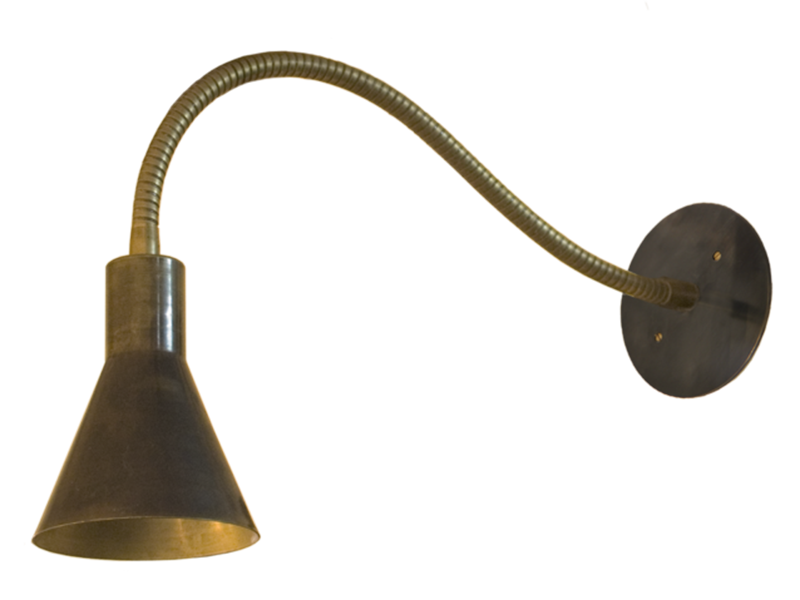
The Menu Goose Neck is a handcrafted wall sconce from O’Lampia Studio, a New York City lighting maker known for custom and made-to-order fixtures. At first glance, the name sounds like something you might order at a very confident farm-to-table restaurant: “I’ll have the Menu Goose Neck, medium rare.” But no, this is not dinner. It is a stylish, adjustable brass wall light with a curved gooseneck arm, a cone-shaped shade, and the kind of old-school charm that makes a blank wall suddenly look like it has opinions.
In simple terms, the Menu Goose Neck is a gooseneck wall sconce: a fixture mounted to the wall with a gracefully curved arm that lets the shade project outward and direct light downward or toward a specific task area. Its design is practical, compact, and visually memorable. It works especially well in kitchens, reading corners, bedrooms, hallways, bathrooms, and small spaces where a table lamp would hog precious surface area like a decorative diva.
The official product details list the Menu Goose Neck as SKU WL-261, with a suggested 4.5-inch-wide cone and an 18-inch gooseneck. It is a single-light fixture with an E26 socket, a fully adjustable gooseneck, and UL listing. The piece is commonly shown in rich patinated finishes such as Smokey Brown or Old Brass, and custom sizes and finishes may be available depending on the project. That makes it less of a one-size-fits-all light and more of a “tell me about your wall and your design dreams” kind of fixture.
Why Gooseneck Lighting Still Looks Fresh
Gooseneck lights have been around for generations, especially in industrial, farmhouse, workshop, library, and utility settings. Their popularity comes from one very practical idea: light should go where you need it. A curved arm creates reach without requiring a bulky structure, and a directional shade keeps the beam focused. That is why gooseneck sconces often appear above kitchen sinks, beside beds, over open shelves, near desks, or along hallway walls.
The Menu Goose Neck updates that familiar concept with a refined brass body, handcrafted finish options, and a slim silhouette. It does not shout, “Look at me!” It quietly clears its throat, looks fantastic, and makes your backsplash feel underdressed.
A Design That Balances Utility and Character
The beauty of an adjustable gooseneck wall sconce is that it does two jobs at once. First, it provides task lighting, which means it helps you see what you are doing. Second, it adds decorative lighting, which means it contributes to the mood and style of the room even when it is not turned on. This is the difference between a light fixture and a design decision.
In a kitchen, the Menu Goose Neck can brighten a sink, counter, coffee station, or open-shelf display. In a bedroom, it can replace a bedside lamp and free up room for books, glasses, hand cream, phone chargers, and the mysterious pile of receipts everyone pretends not to see. In a hallway, it can create a rhythm of warm pools of light. In a home office, it can offer focused illumination without making the desk feel cluttered.
Key Features of the Menu Goose Neck
1. Fully Adjustable Gooseneck
The standout feature is the adjustable arm. A flexible gooseneck allows the user to aim the shade more precisely than a fixed sconce. That matters because a wall light above a kitchen sink has a different job than one beside a reading chair. A little adjustability can make the difference between “perfect glow” and “why is this light interrogating my forehead?”
2. Compact Cone Shade
The suggested cone shade is about 4.5 inches wide, giving the fixture a modest footprint. A cone shade naturally directs light downward, which makes it useful for task areas. It also gives the fixture a classic profile that blends with traditional, transitional, vintage-inspired, and modern interiors.
3. E26 Socket Compatibility
The Menu Goose Neck uses an E26 socket, the standard medium screw base common in many American household light bulbs. That gives homeowners flexibility when choosing between LED bulbs, reflector bulbs, warm white bulbs, or dimmable options. For most homes today, an LED bulb is the practical choice because LEDs can deliver strong brightness while using less energy than older incandescent bulbs.
4. Brass and Custom Finish Options
O’Lampia is known for handcrafted finishes, including house patinas and plated options. Available looks may include Natural Brass, Old Brass, Smokey Brown, English Brown, Black, Verdigris, Polished Nickel, Satin Nickel, Polished Chrome, Antique Pewter, and Antique Copper. These finishes are not just color choices; they shape the mood of the fixture. Old Brass feels aged and warm. Polished Nickel feels crisp. Verdigris adds artistic green patina. Black creates contrast and drama.
5. Made-to-Order Appeal
The Menu Goose Neck is not a generic big-box fixture pulled from a warehouse mountain. It belongs to the world of made-to-order lighting, where lead times, finish choices, and customization are part of the process. That can be a major advantage for designers and homeowners working on a specific look, but it also means you should plan ahead. Good lighting is worth waiting for; bad lighting is usually available immediately.
Where to Use the Menu Goose Neck
Kitchen Sink Lighting
One of the best places for a Menu Goose Neck sconce is above a kitchen sink. Many kitchens rely heavily on recessed lights or pendants, but wall sconces can add a more intimate layer. A gooseneck sconce above the sink provides practical illumination for washing dishes, rinsing vegetables, filling vases, or staring dramatically out the window while pretending you are in a Nancy Meyers movie.
For this location, choose a bulb with enough brightness to support real tasks. A warm white LED around 2700K to 3000K creates a cozy glow, while a slightly cooler bulb around 3500K can feel cleaner and more task-friendly in a kitchen. The best choice depends on surrounding finishes, natural light, and how much warmth you want in the room.
Open Shelving and Display Areas
Open shelving has one tiny flaw: it asks your mugs, bowls, cookbooks, and olive oil bottles to behave like a gallery installation. A wall sconce helps. The Menu Goose Neck can highlight shelves while adding a soft wash of light to the wall. This is especially effective in kitchens with tile, plaster, stone, or painted paneling because the light brings out surface texture.
Bedside Reading Light
If your nightstand is small, a wall-mounted reading light is a smart upgrade. The Menu Goose Neck saves tabletop space and directs light toward the book, not the entire room. This is good news for anyone who reads late while another person is trying to sleep, or for anyone who buys books mostly to build a bedside tower of literary ambition.
Home Office or Desk Area
A wall sconce above or beside a desk gives focused light without taking up workspace. The curved arm of the Menu Goose Neck makes it suitable for small writing desks, built-in workstations, or creative studios. It can also add a crafted, architectural touch that makes a home office feel less like “spare room with laptop” and more like “place where excellent ideas are legally required to happen.”
Hallways and Transitional Spaces
Hallways are often neglected, but they are perfect for wall lights. A series of sconces can turn a narrow passage into a designed moment. The Menu Goose Neck works best where there is enough clearance for the projecting arm and shade. In very tight corridors, always consider walking space, door swings, and shoulder-level obstacles. Nobody wants a beautiful light fixture that doubles as a surprise elbow test.
How to Choose the Right Finish
Finish selection is where the Menu Goose Neck becomes personal. Brass and patinated finishes can transform the same shape into several different moods. The best finish should connect with nearby hardware, faucets, cabinet pulls, appliances, and furniturebut it does not need to match everything exactly. In fact, rooms often look more collected when metals are coordinated rather than cloned.
Natural Brass
Natural Brass is ideal for warm interiors, classic kitchens, cottage-inspired spaces, and rooms with wood tones. Unlacquered brass can develop patina over time, giving the fixture a lived-in look. If you like materials that age gracefully, brass is your friend. If you want everything to stay shiny forever, brass may occasionally hurt your feelings.
Old Brass and Smokey Brown
Old Brass and Smokey Brown are excellent choices for vintage-inspired spaces. These finishes look established from day one, making them useful in older homes or new homes that need a little soul. They pair beautifully with marble, soapstone, dark wood, cream cabinetry, and hand-glazed tile.
Nickel and Chrome
Polished Nickel, Satin Nickel, and Polished Chrome lean cleaner and brighter. These finishes work well in bathrooms, modern kitchens, and spaces with stainless steel appliances. Satin Nickel is softer and more understated, while Polished Chrome brings a sharper, mirror-like quality.
Black and Verdigris
Black offers contrast and definition, especially against white tile or pale walls. Verdigris brings a greenish patina that feels artistic, historical, and a little daring. It is not the safe choice, which is exactly why it can be the right choice.
Bulb Selection: Brightness, Color, and Mood
When choosing a bulb for the Menu Goose Neck, think in terms of lumens, not just watts. Lumens measure brightness. A bulb around 450 lumens may replace a traditional 40-watt incandescent, while around 800 lumens is closer to a 60-watt equivalent. For task lighting, you may want more brightness; for mood lighting, less may be better.
Color temperature also matters. Warm white light around 2700K to 3000K feels cozy and flattering, making it great for bedrooms, living rooms, and relaxed kitchens. Neutral white around 3500K can work well for kitchens and workspaces because it feels clearer without becoming harsh. Daylight bulbs can be useful for detail-heavy tasks, but in decorative sconces they may feel too cold unless the room is designed for that crisp effect.
If you plan to use a dimmer, choose a dimmable bulb and make sure the dimmer is compatible with LED technology. A dimmer gives the fixture more range: bright for chopping vegetables, soft for evening ambiance, and somewhere in between for pretending you are not eating shredded cheese directly from the bag.
Installation Considerations Before You Buy
Measure the Projection
Because the Menu Goose Neck extends from the wall, projection matters. Measure the space carefully, especially in hallways, beside beds, or near cabinets. A fixture that looks delicate in a product photo can feel more assertive once it is mounted at eye level.
Plan Mounting Height
Wall sconce height depends on the room and purpose. General wall sconces are often mounted around eye level, while bedside sconces may sit lower for reading. Vanity lights and task sconces have their own placement needs. The goal is to avoid glare, create useful illumination, and keep the fixture visually connected to nearby furniture or architectural features.
Use a Qualified Electrician
Hardwired lighting should be installed by a licensed electrician. The Menu Goose Neck is listed as UL Listed, which is important for electrical safety, but safe installation still depends on proper wiring, wall box support, local code compliance, and the correct bulb. Beautiful lighting should create atmosphere, not electrical suspense.
Design Styles That Work With the Menu Goose Neck
Modern Farmhouse
In a modern farmhouse kitchen, a brass or dark patina gooseneck sconce looks natural above a sink, range niche, or open shelf. Pair it with shaker cabinets, apron-front sinks, warm wood, and handmade tile for a look that feels charming without tipping into theme-park barn territory.
Traditional and Transitional
The Menu Goose Neck’s simple cone and curved arm make it easy to blend with traditional interiors. It has enough detail to feel crafted, but not so much ornament that it overwhelms a room. In transitional spaces, it can bridge classic millwork with cleaner modern furnishings.
Industrial and Vintage
Gooseneck lighting has strong industrial roots, so it fits naturally with exposed brick, metal shelving, concrete, and darker finishes. Choose Smokey Brown, Black, or Old Brass for an aged look that feels authentic rather than artificially distressed.
Minimalist Spaces
Even minimalist rooms need warmth. A single brass gooseneck sconce can soften a clean white wall, add sculptural shape, and keep the design from feeling sterile. The key is restraint: let the fixture be the quiet detail, not one of seventeen competing accents.
Menu Goose Neck vs. Standard Wall Sconces
A standard wall sconce often has a fixed shade and decorative purpose. The Menu Goose Neck offers more flexibility because the arm can be adjusted. That makes it especially useful in spaces where the lighting task changes. For example, a bedside sconce may need to aim toward a book one night and toward a wall the next. A kitchen sconce may need to light the sink but avoid glare on a nearby window. This adjustability is the fixture’s superpower.
Compared with swing-arm sconces, the gooseneck style is usually more compact and visually fluid. It has a softer curve and a smaller mechanical presence. Compared with picture lights, it feels more casual and functional. Compared with recessed lighting, it brings personality. Recessed lights are useful, but they rarely make anyone say, “Wow, what a charming ceiling hole.”
Care and Maintenance
Care depends on the finish. Brass and patinated finishes should generally be treated gently. Avoid harsh cleaners unless the manufacturer specifically recommends them. A soft dry cloth is often enough for routine dusting. For unlacquered brass, remember that oxidation is part of the charm. The finish may darken and develop character over time. If you prefer a pristine look, ask about lacquered or plated finishes before ordering.
Also check the shade and bulb occasionally. Dust can reduce light output, and a loose bulb can flicker. If a fixture is installed near cooking areas, grease buildup may happen faster, so light cleaning should become part of the kitchen routine. Luckily, wiping a sconce is easier than cleaning the inside of an oven, which remains one of adulthood’s most unfair plot twists.
Real-World Experiences With the Menu Goose Neck
Using the Menu Goose Neck in a home is less about following a rulebook and more about noticing how people actually live. In a kitchen, the first experience is usually practical. Someone flips the switch above the sink in the evening and immediately understands why wall lighting matters. The light drops exactly where it is needed, catching the rim of a glass, the shine of a faucet, or the texture of handmade tile. Suddenly, washing dishes feels slightly less like punishment and slightly more like a scene from a stylish lifestyle magazine. The dishes are still dishes, unfortunately, but at least they are well lit.
In a bedroom, the experience is quieter. A wall-mounted gooseneck sconce frees the nightstand from lamp duty, which is surprisingly liberating. There is room for a book, a cup of tea, a phone, and maybe even the tiny ceramic tray that exists only to hold other tiny things. The adjustable neck makes late-night reading easier because the light can be angled toward the page instead of flooding the whole room. It creates a private pool of light, which feels calm and intentional.
In older homes, the Menu Goose Neck can feel especially natural. Its brass finishes and classic shape work well with plaster walls, vintage trim, wood floors, and slightly imperfect architecture. Older homes rarely have perfectly straight lines, and a handcrafted sconce seems to understand that. It does not demand a showroom-perfect environment. It can sit comfortably in a room with character, patina, and a floorboard that squeaks like it is trying to join the conversation.
In newer homes, the fixture can add instant depth. Many modern interiors are clean, bright, and efficient, but they sometimes lack texture. A gooseneck wall sconce introduces shape, warmth, and a hint of history. When placed above open shelving or beside a built-in cabinet, it can make the entire area feel more custom. This is one of the reasons designers often use wall lights: they make architecture feel finished.
The most important lesson from living with a fixture like this is that placement matters more than impulse. A beautiful sconce installed too high, too low, too close to a cabinet door, or directly in someone’s walking path can become frustrating. Before installation, it helps to tape a paper template to the wall and stand back. Pretend to wash dishes, read a book, open a cabinet, walk down the hallway, or reach for a shelf. Yes, you may look ridiculous for five minutes. But that is better than paying an electrician twice.
Another experience worth mentioning is how the finish changes the room. A bright brass finish can make the fixture feel cheerful and polished. Old Brass or Smokey Brown feels quieter and more established. Black feels graphic. Nickel feels crisp. This means the Menu Goose Neck is not just a light source; it is part of the room’s material palette. People often focus on furniture first, but lighting is what gives the furniture a flattering publicist.
Finally, the Menu Goose Neck rewards patience. Because made-to-order lighting often requires lead time, it may not satisfy the “I want this wall fixed by Saturday” crowd. But for homeowners, designers, or renovators who care about detail, waiting for the right fixture can be worth it. Lighting is one of those design choices you interact with every day. You turn it on in the morning, adjust it at night, clean around it, and see it from across the room. When it is right, it quietly improves daily life. When it is wrong, it quietly annoys you forever.
Conclusion
The Menu Goose Neck is a compact, adjustable, handcrafted wall sconce with a classic silhouette and practical purpose. Its curved arm, cone shade, E26 socket, brass-friendly finishes, and made-to-order customization make it a strong choice for kitchens, bedrooms, hallways, offices, and display areas. It is especially appealing for people who want lighting that does more than simply brighten a room. It adds mood, texture, craftsmanship, and a touch of vintage confidence.
Whether you choose Old Brass for warmth, Smokey Brown for depth, Nickel for polish, or Black for contrast, the Menu Goose Neck can become a small but memorable design feature. Just remember the essentials: measure carefully, choose the right bulb, think about glare, hire a qualified electrician, and give the fixture enough space to do its graceful little wall-mounted dance.