What if the secret to living longer was not hidden in a futuristic lab, a celebrity supplement cabinet, or a smoothie that costs more than your electric bill? What if it was sitting quietly in a bowl of beans, a walk to the neighbor’s house, a Sunday meal with family, a garden that refuses to weed itself, and a reason to get out of bed besides checking email?
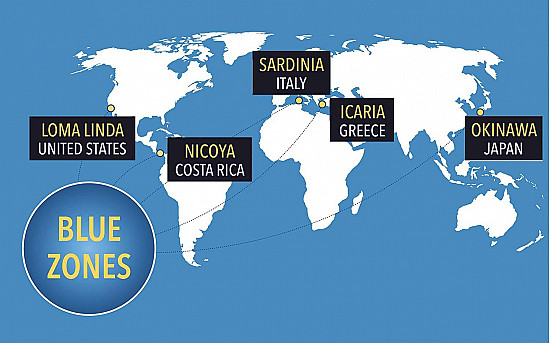
That is the charm of the Blue Zone lifestyle. The idea became famous through research into communities where people often live longer, healthier lives. These places include Okinawa in Japan, Sardinia in Italy, Ikaria in Greece, Nicoya in Costa Rica, and Loma Linda in California. Harvard Health and other major health organizations have highlighted many of the same patterns seen in these communities: mostly plant-based eating, regular natural movement, strong social ties, purpose, stress relief, and moderation. In other words, longevity is less about becoming a wellness superhero and more about designing an ordinary day that quietly does your body a lot of favors.
Living in the Blue Zone does not require moving to a sunny hillside village, buying a goat, or suddenly speaking fluent Italian while harvesting chickpeas. It means borrowing practical habits from long-lived communities and applying them to real American life: apartment kitchens, office schedules, grocery runs, school pickups, neighborhood sidewalks, and all. The Harvard Health angle is especially useful because it frames Blue Zone living not as folklore, but as a practical approach that overlaps with what modern research already supports for healthy aging.
What Does “Living in the Blue Zone” Really Mean?
A Blue Zone is a region where people have been observed to live exceptionally long lives, often with better health and independence into older age. But the most important lesson is not geography. It is environment. People in these communities are not usually “trying” to live healthy in the way many modern adults do. They are not setting five alarms to remember to drink water, logging every almond, or guilt-walking on a treadmill while watching cake videos. Their surroundings make healthy choices normal.
They walk because destinations are walkable. They eat beans because beans are dinner, not a punishment. They gather because family, faith, friendship, and community are woven into daily life. They rest because tradition gives them permission to slow down. They often have a sense of purpose, whether that purpose is caring for grandchildren, tending a garden, cooking for others, contributing to a faith community, or simply being needed.
Harvard Health’s discussion of Blue Zone living points to several common features: a mostly plant-based diet, mindful eating, moderate or no alcohol, purpose, daily movement, stress relief, spirituality or religion for many people, and close social relationships. These habits are not flashy. That may be why they work. The body likes boring consistency. Your arteries do not need drama; they need fiber, movement, sleep, and fewer “just this once” bacon cheeseburgers that somehow appear every Friday.
The Blue Zone Diet: Plants Do the Heavy Lifting
The Blue Zone diet is not a strict commercial diet. There is no official Blue Zone bouncer checking whether your soup has enough lentils. Instead, the pattern is simple: eat mostly whole plant foods. That means vegetables, fruits, beans, lentils, peas, chickpeas, whole grains, nuts, seeds, herbs, and healthy fats such as olive oil. Meat is usually eaten sparingly, processed foods are limited, and sugary treats are occasional rather than hourly entertainment.
This pattern lines up well with Harvard’s Healthy Eating Plate, which emphasizes vegetables and fruits, whole grains, healthy proteins, healthy oils, and water or unsweetened drinks. It also fits closely with American Heart Association recommendations that encourage a wide variety of fruits and vegetables, whole grains, plant-forward proteins such as beans and nuts, fish or seafood when appropriate, and fewer ultra-processed foods, added sugars, excess sodium, and processed meats.
Beans: The Tiny Longevity Workhorses
If Blue Zone kitchens had a mascot, it would probably be the bean. Beans are affordable, filling, rich in fiber, and versatile enough to appear in soups, salads, stews, tacos, dips, grain bowls, and the mysterious container in the fridge labeled “lunch, probably.” They provide plant protein and help make meals satisfying without relying on large portions of meat.
In practical terms, living in the Blue Zone might mean adding black beans to a vegetable soup, tossing chickpeas into a salad, making lentil curry, or swapping half the ground meat in chili for kidney beans. You do not have to go from steakhouse regular to lentil poet overnight. Start with one bean-based meal a week, then two. Your grocery budget may applaud.
Whole Grains, Nuts, and Real Food
Blue Zone eating also favors whole grains such as oats, brown rice, barley, farro, corn, whole-wheat bread, and whole-grain pasta. Nuts often appear in small daily portions, especially in research around Loma Linda and the Adventist Health Studies. The key is not eating a bucket of cashews while calling it “longevity research.” A modest handful is the idea.
Real food is the recurring theme. Blue Zone meals tend to be built from ingredients you can identify without needing a chemistry degree. Vegetables look like vegetables. Beans look like beans. Bread has a short ingredient list. Dessert exists, but it is not the foundation of the food pyramid, no matter how persuasive a cupcake can be after 9 p.m.
Eating Less Without Counting Every Crumb
One famous Blue Zone idea from Okinawa is eating until about 80% full. This does not mean leaving the table hungry and staring dramatically at the refrigerator. It means slowing down enough to notice satisfaction before fullness turns into “I have become the couch.”
Modern eating often encourages speed: desk lunches, drive-through dinners, distracted snacking, and meals eaten while scrolling through breaking news that somehow breaks every eight minutes. Blue Zone-style eating encourages rhythm. Sit down. Use a plate. Eat with people when possible. Put the fork down occasionally. Let your body send its memo before you file dessert.
Simple changes help: serve food in the kitchen instead of family-style at the table, use smaller plates, start meals with vegetables or soup, and pause for a few minutes before seconds. You are not fighting your appetite; you are giving it better office management.
Natural Movement Beats Occasional Heroics
People in Blue Zones are not necessarily gym fanatics. Many move naturally throughout the day. They walk, garden, cook, clean, climb, carry, visit, kneel, stand, and work with their hands. Their daily routines create frequent low-intensity movement, which is very different from sitting for ten hours and then trying to undo it with one heroic workout while wearing shoes that glow in the dark.
Research-backed guidelines still matter. For adults, especially older adults, organizations such as the CDC and American Heart Association recommend regular aerobic activity, muscle-strengthening activities, and balance work. The Blue Zone lesson is to make movement less dependent on motivation. Motivation is lovely, but it has the reliability of a cat near a bathtub.
How to Build a Blue Zone Movement Day
Start by making the healthy option the easy option. Walk for short errands. Take the stairs when reasonable. Park farther away. Stretch while coffee brews. Do a few squats before a shower. Garden, sweep, rake, dance, carry groceries, or walk with a friend. Movement does not have to wear a headband to count.
Strength matters too. Aging well is not just about living longer; it is about keeping the ability to lift, climb, balance, recover, and remain independent. Two days a week of muscle-strengthening activity can be as simple as bodyweight exercises, resistance bands, light weights, or supervised training. Add balance practice, especially later in life. Future You would like to stay upright, thank you very much.
Purpose: The Reason Behind the Routine
Blue Zone communities often have language for purpose. In Okinawa, the concept of “ikigai” is often translated as a reason for being. In Nicoya, “plan de vida” carries a similar spirit. Harvard Health has discussed research linking a sense of purpose with longevity and better health outcomes. Purpose does not have to be grand. You do not need to save the rainforest before breakfast. Purpose can be practical, local, and beautifully ordinary.
Purpose might be mentoring a younger coworker, volunteering at a food pantry, walking a dog who believes every mailbox is breaking news, caring for family, practicing faith, building a small business, learning music, or tending tomatoes. The point is to have something that pulls you forward and connects your days to meaning.
For many people, retirement, job changes, grief, illness, or an empty nest can shake that sense of purpose. A Blue Zone approach invites rebuilding it deliberately. Ask: Who needs me? What do I enjoy contributing? What makes time feel well spent? What would I do weekly even if no one applauded? Purpose is not always discovered in a lightning bolt. Sometimes it is assembled, like furniture, with unclear instructions and one missing screw.
Stress Relief: Downshift Before You Break Down
Every long-lived community has stress. Nobody gets a lifetime exemption from worry, conflict, bills, loss, or that one neighbor with the leaf blower. The difference is that Blue Zone cultures often include daily rituals that help people downshift. They pray, nap, remember ancestors, share meals, walk, gather with friends, or observe a weekly day of rest.
Stress relief works best when it is scheduled into normal life rather than saved for a vacation that may or may not happen in 2029. A daily downshift can be short: ten minutes of breathing, an evening walk, a quiet cup of tea, gentle stretching, journaling, prayer, meditation, reading, or turning off screens before bed. The nervous system does not require a spa robe. It requires repetition.
Social Connection: The Longevity Ingredient You Cannot Microwave
Strong relationships are one of the most consistent themes in Blue Zone living. Harvard, Mayo Clinic, the U.S. Surgeon General, and public health researchers have all emphasized that social connection is deeply tied to health. Loneliness and isolation are not just unpleasant; they are associated with higher risks for several serious health problems.
Blue Zone communities often make connection automatic. People belong to faith communities, friend groups, extended families, neighborhood circles, and shared meals. In modern life, connection often requires more planning. We can message 40 people and still eat dinner alone while a streaming service asks if we are still watching. Rude, but fair.
Build a “Moai” Without Moving to Okinawa
In Okinawa, a “moai” is a lifelong social support group. You can borrow the idea by forming a small circle that meets regularly. It could be a walking group, Sunday soup club, monthly potluck, volunteer team, book club, prayer group, gardening crew, or “we are all trying to eat more vegetables and need witnesses” club.
The key is consistency. A casual friendship becomes a health-supporting relationship through repeated contact, trust, and shared life. Put connection on the calendar. Call someone while walking. Invite neighbors for a simple meal. Join a community class. Volunteer. The Blue Zone lesson is not that every relationship must be perfect. It is that humans age better when they are not trying to do life as a solo project.
Faith, Spirituality, and Belonging
Many Blue Zone residents participate in religious or spiritual communities. This may support longevity through social connection, shared rituals, moral frameworks, service, stress relief, and a sense of meaning. Loma Linda, California, is strongly associated with Seventh-day Adventist communities, whose lifestyle patterns often include plant-forward eating, avoiding smoking, limiting or avoiding alcohol, regular rest, and community involvement.
Not everyone is religious, and Blue Zone living does not require pretending otherwise. The broader takeaway is belonging. People benefit from being part of something larger than themselves. That might be a synagogue, church, mosque, meditation center, community garden, volunteer organization, recovery group, cultural association, or family tradition. Belonging gives health habits a home.
Sleep: The Quiet Partner in Healthy Aging
Sleep is not always listed as a headline Blue Zone habit, but it supports nearly everything the Blue Zone lifestyle tries to protect: metabolism, memory, mood, immune function, cardiovascular health, and energy for movement. The National Institute on Aging notes that older adults generally need about seven to nine hours of sleep, even though sleep patterns can shift with age.
Blue Zone-style sleep hygiene is refreshingly low-tech. Keep a consistent schedule. Get daylight during the day. Move your body. Avoid heavy late meals when possible. Create a dark, cool, quiet sleep environment. Build a calming evening ritual. Also, consider breaking up with your phone at bedtime. It will still be there in the morning, glowing with unnecessary opinions.
How to Create a Blue Zone Home
The strongest Blue Zone lesson may be environmental design. Do not rely only on willpower; set up your surroundings so healthy choices are easier. Keep fruit visible. Store beans, oats, brown rice, nuts, herbs, and olive oil where you can use them. Put walking shoes near the door. Place a water bottle on your desk. Keep a comfortable chair away from the television for reading or reflection. Make the dining table a place for meals, not just unopened mail and one mysterious screwdriver.
Plan meals around plants first. Choose one or two weekly recipes that create leftovers. A pot of lentil soup, bean chili, vegetable stew, or whole-grain salad can turn future lunches into a victory instead of a vending machine negotiation. Invite someone to share food. Blue Zone meals are not only about nutrients; they are about rhythm, hospitality, and slowing down long enough to taste your life.
A Practical 7-Day Blue Zone Starter Plan
Day 1: Add Beans
Make one bean-based meal: black bean tacos, lentil soup, chickpea salad, or white bean stew. Keep it simple. The goal is not culinary perfection; the goal is dinner that does not arrive in a cardboard sleeve.
Day 2: Walk With a Purpose
Take a 20-minute walk, ideally with a friend, neighbor, family member, or phone call companion. Social walking is Blue Zone efficiency: movement and connection in one comfortable pair of shoes.
Day 3: Downshift
Schedule ten quiet minutes. Breathe, pray, stretch, journal, or sit outside. If your brain starts listing chores, thank it for its enthusiasm and return to calm.
Day 4: Eat to Comfortable, Not Stuffed
Try the 80% full idea at one meal. Slow down, pause, and notice satisfaction. You may discover that your body whispers before it shouts.
Day 5: Strengthen Something
Do a short strength routine: wall push-ups, chair squats, resistance bands, or light weights. If you are new to exercise or have health concerns, get guidance from a qualified professional.
Day 6: Reconnect
Call someone, invite someone, visit someone, or join a group activity. Do not wait until life is less busy. Busy is where life hides.
Day 7: Define Your Next Purpose Step
Write down one meaningful activity you want to do weekly. Make it small enough to keep: volunteer once a month, cook Sunday dinner, mentor someone, grow herbs, attend a service, or learn a skill.
What Blue Zone Living Is Not
Blue Zone living is not a guarantee that anyone will live to 100. Genetics, income, health care access, neighborhood safety, education, work conditions, pollution, stress, and luck all affect health. It is also not a reason to blame people for illness. Good habits reduce risk; they do not make anyone invincible.
It is also not a rigid diet or moral purity contest. A birthday cake does not cancel your lentils. A missed walk does not ruin your longevity plan. The goal is not perfection. The goal is a pattern. Blue Zone habits work because they are repeated, social, enjoyable, and built into daily life.
The most realistic approach is to choose two or three habits and make them easier. Start with food, movement, and connection. Add purpose and stress relief. Improve sleep. Keep going. Healthy aging is not a 30-day challenge. It is a relationship with your future self.
Experiences Related to Living in the Blue Zone – Harvard Health
The most surprising part of trying a Blue Zone-inspired lifestyle is how ordinary it feels once the initial “I am becoming a longevity person” drama wears off. At first, people often expect a major transformation: a pantry makeover, a heroic exercise plan, perhaps a dramatic farewell speech to processed snacks. But the real experience is quieter. It starts with small substitutions and small moments that begin to stack up.
Imagine a typical Monday. Breakfast is oatmeal with walnuts, berries, and cinnamon instead of a rushed pastry eaten over the sink. Nothing explodes. No choir appears. But by midmorning, energy feels steadier. Lunch is leftover lentil soup with whole-grain bread. It is not glamorous, but it is warm, filling, and oddly comforting, like a cardigan you can eat. After work, instead of collapsing directly into a chair, there is a short walk around the block. Ten minutes become twenty because the evening air is pleasant and a neighbor wants to chat about tomatoes.
By Wednesday, the experience becomes less about discipline and more about design. The fruit bowl on the counter gets visited more often because it is visible. A container of cooked beans in the fridge turns into tacos, salad toppings, and a quick soup. Walking shoes near the door remove one tiny excuse. The phone is charged outside the bedroom, which feels outrageous for one night and liberating by the third. Sleep improves not because life has become perfect, but because the evening is less crowded with blue light and doom-scrolling.
The social side may feel awkward at first. Many adults are out of practice at casual connection. Inviting someone for soup can feel more vulnerable than posting a vacation photo to strangers. But Blue Zone living teaches that hospitality does not need a magazine-ready table. A simple meal with beans, vegetables, bread, and laughter can do more for well-being than a perfect dinner eaten alone. The experience is not about entertaining; it is about belonging.
Purpose also becomes more practical. Instead of asking, “What is my grand mission in life?” a person might ask, “Who can I help this week?” That question is easier to answer. Drive a neighbor to an appointment. Teach a child to cook. Volunteer for two hours. Call an older relative. Plant herbs and share them. Purpose becomes less like a mountain summit and more like a trail of useful footprints.
After a few weeks, the Blue Zone experience may not look dramatic from the outside. There may be more home-cooked meals, more walks, more phone calls, better sleep, and a calmer relationship with food. The scale may or may not change. The real shift is deeper: the day begins to support health without requiring constant negotiation. That is the genius of Blue Zone living. It does not ask you to become a different person. It asks you to build a life where the healthier choice is also the normal, pleasant, and shared choice.
Conclusion: The Blue Zone Is a Lifestyle, Not a Vacation Destination
Living in the Blue Zone, through the practical lens of Harvard Health and modern healthy-aging research, is not about chasing immortality. It is about increasing the odds of a longer, stronger, more connected life. The habits are humble: eat more plants, especially beans; move naturally every day; build muscle and balance; eat with moderation; sleep well; manage stress; stay connected; belong to something; and keep a sense of purpose alive.
The beautiful part is that you do not need to copy Sardinia, Okinawa, Ikaria, Nicoya, or Loma Linda perfectly. You can create a Blue Zone corner in your own kitchen, on your own sidewalk, around your own table, and inside your own calendar. Start small. Make soup. Take the walk. Call the friend. Turn off the screen. Plant the basil. Share the meal. Your future self may not send a thank-you note, but it will feel the difference.