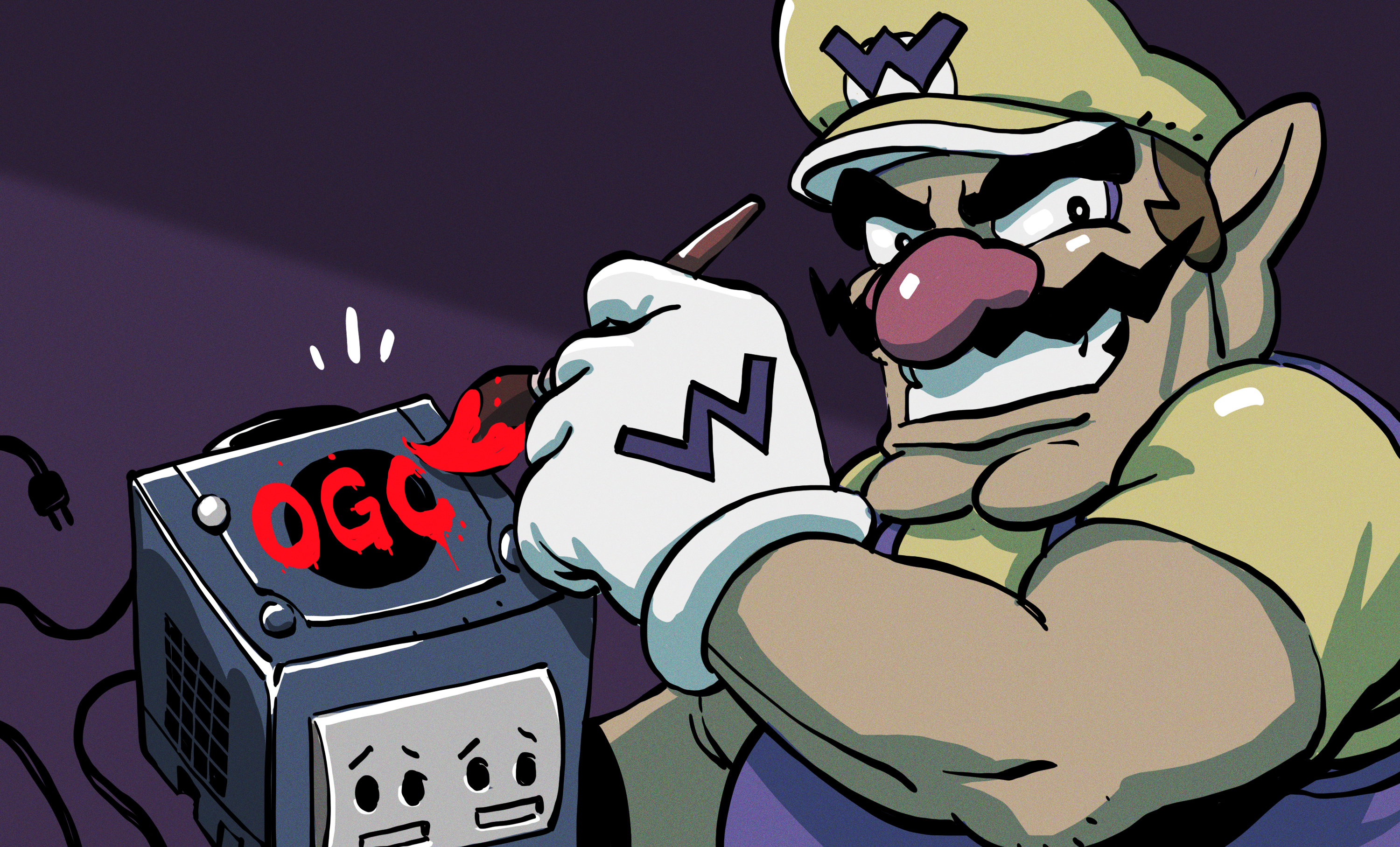
The Wii homebrew scene has always felt like a garage band with a soldering iron: inventive, scrappy, slightly chaotic, and powered by people who think “unsupported hardware” is a fun challenge rather than a warning label. For years, one of the foundations of that world was libogc, the low-level C library used by a huge amount of Wii and GameCube homebrew. Then came a controversy that hit the community like a Blue Shell in the final lap: public allegations that parts of libogc were derived from Nintendo SDK material and from RTEMS code without proper attribution.
That combination was explosive. In homebrew culture, the line between “clever reverse engineering” and “legally radioactive codebase” matters a lot. Fans may treat old consoles like beloved museum pieces with component ports, but developers know that one tainted library can cast a shadow over an entire ecosystem. The result was a full-on identity crisis for the Wii homebrew community: not just a technical debate, but an argument about ethics, legitimacy, and whether a beloved scene had been standing on shaky ground for longer than many wanted to admit.
Why libogc matters so much
To understand why the libogc allegations landed so hard, you have to understand what libogc actually is. It is not some random side utility buried in a forgotten forum post from 2009. It is one of the core development libraries for Wii homebrew development and GameCube homebrew. If a programmer wanted to make a launcher, emulator, utility, or custom app for Nintendo’s seventh-generation box of family-room chaos, libogc often sat somewhere in the stack.
That made it infrastructure, not decoration. When infrastructure gets questioned, everything built on top of it starts to wobble. Imagine learning that the concrete under your house might have been mixed with equal parts cement, gravel, and “uh, trust me, bro.” That was the mood.
The issue became impossible to ignore when The Homebrew Channel, one of the most recognizable entry points into Wii modding, was archived by its maintainers. That was not a minor symbolic gesture. The Homebrew Channel had long served as a launcher and organizing hub for unofficial Wii software, and its archival was widely read as a giant red flag saying, “Something here is too messy to keep pretending is fine.”
What the allegations actually said
Old concerns about Nintendo-derived code
The first part of the controversy was not exactly brand-new gossip. Concerns had circulated for years that parts of libogc were too close to Nintendo’s official SDK materials for comfort. In homebrew terms, this is the difference between studying a locked door and building your own key, versus sneaking into the factory and tracing the original blueprint with a pencil and suspiciously intense eye contact.
The accusation was that portions of libogc were not merely inspired by Nintendo behavior or reconstructed through clean-room work, but were instead decompiled, cleaned up, or directly mirrored from Nintendo-origin materials. That distinction matters because clean-room reverse engineering is generally the gold standard for emulator and homebrew projects trying to stay on firmer legal ground. If you avoid proprietary code and recreate behavior independently, you have a much better argument that your work is legitimate. If proprietary material directly shapes the code, the legal and ethical picture gets uglier fast.
The RTEMS allegations changed the temperature
What pushed the story from “long-simmering scene drama” into “this may reshape the conversation” territory was the claim involving RTEMS, an open-source real-time operating system. The allegation here was not just that libogc borrowed ideas, but that code had been incorporated without the attribution and licensing obligations that open-source reuse requires.
That hit differently for two reasons. First, it suggested the problem was not only about Nintendo-related gray zones, but also about open-source compliance. Second, RTEMS later issued a public statement saying it found sufficient evidence pointing to a systematic effort to copy source code and remove attribution. Once that happened, the debate stopped being only an accusation from angry scene veterans and became a broader conversation about copyright, licenses, and whether the community’s toolchain had deeper credibility problems than many users understood.
To be fair, not everyone agreed with the harshest interpretation. A libogc contributor publicly argued that the RTEMS comparison showed reference or adaptation rather than straightforward theft, and suggested the issue was more nuanced than critics claimed. That rebuttal mattered because it showed the community was not facing a simple cartoon-villain story with one side twirling a mustache and the other wearing a halo. But once RTEMS weighed in, the burden on defenders became much heavier.
Why the Homebrew Channel archival felt seismic
The archival of The Homebrew Channel mattered because it gave the controversy a real-world consequence. Until then, this could have remained one more bitter forum war, the kind that retro communities can produce with Olympic-level endurance. Instead, a flagship project stepped back and effectively declared the dependency chain too compromised to comfortably continue.
That decision amplified the story in several ways:
1. It validated the seriousness of the claims
When a highly visible project distances itself from a foundational library, people pay attention. It tells users and developers that this is not just a personality clash or old-scene grudge dressed up in technical language.
2. It put the entire ecosystem under a microscope
If libogc underpinned a large share of Wii homebrew software, then the legal and ethical status of many tools suddenly became a fair question. Even people who never cared about code provenance before found themselves learning the difference between attribution, derivation, and contamination. It was the least glamorous crash course in software licensing imaginable.
3. It raised the “what now?” question
If the library is tainted, what is the path forward? Rewrite major pieces? Fork carefully? Build a fresh alternative? Continue as usual and hope nobody kicks the legal hornet’s nest? None of those options are especially appealing when your scene is powered by volunteers, nostalgia, and whatever free weekend survives adulthood.
Did this kill Wii homebrew?
Not exactly. It definitely rocked the scene, but “rocked” is not the same thing as “erased.” Existing setups did not suddenly stop working. Homebrew users were not greeted by their Wii displaying a courtroom summons instead of a channel grid. For many everyday hobbyists, the practical experience remained mostly unchanged in the short term.
That is one of the strangest parts of the whole episode: the symbolic impact was enormous, while the immediate user-facing impact was more limited. The Wii Homebrew Channel had already matured long ago, and for ordinary users its day-to-day utility had not depended on a stream of dramatic new updates. The bigger consequences were cultural and developmental. Trust was damaged. The mythology of the scene took a hit. And future development suddenly looked more awkward, more legally fraught, and much harder to discuss with a straight face.
There is also a second wrinkle: development activity around libogc and related devkitPro packaging continued into early 2026. That suggests the story did not end with one README bombshell. Instead, the community entered a muddled phase where outrage, skepticism, pragmatism, and inertia all coexisted. Some developers wanted a clean break. Some wanted a sober technical rewrite. Some basically shrugged and said, “My Wii is old enough to vote in spirit; I just want my apps to compile.”
Why this controversy matters beyond one retro console
The Wii homebrew controversy matters because it exposes the fragile social contract behind fan-driven software communities. Homebrew scenes often survive by drawing a careful distinction between curiosity and piracy, between preservation and infringement, between reverse engineering and direct copying. Even if casual users blur those lines, developers usually know the difference matters.
That is why the phrase “clean room” gets treated almost like sacred scripture. It is not just legal hygiene. It is community self-defense. The moment a project is seen as leaning on proprietary code or improperly reused open-source code, it becomes easier for outsiders to dismiss the entire ecosystem as shady. For Nintendo-related scenes in particular, that risk is not theoretical. Right or wrong, platform holders have a long history of scrutinizing projects that cross lines they consider unacceptable.
So this was never only about libogc. It was about whether decades of work in the homebrew development space had been built on foundations that were more compromised than many participants believed. And once that doubt enters the room, it does not politely leave after one awkward meeting.
The culture clash underneath the code
Another reason this story exploded is that retro tech communities are built from people with very different moral compasses. Some believe any use of unofficial console code already lives in a legal gray zone, so outrage over attribution feels selective. Others argue that the whole point of responsible homebrew is to avoid exactly that cynicism. In their view, if you cannot maintain ethical and licensing discipline, you hand critics the easiest possible argument against the scene.
Both instincts were visible in community reactions. One camp treated the revelations like a betrayal of core principles. The other camp treated them like an overdue but somewhat theatrical panic over practices everyone should have known were messy. That split explains why the reaction was so intense. This was not just about code provenance; it was about what kind of scene people thought they were part of in the first place.
What a healthier path forward looks like
If there is a constructive lesson here, it is not “never trust hobbyist software,” because that would be silly and also eliminate half the fun of old hardware tinkering. The better lesson is that volunteer communities need stronger norms around provenance, documentation, and license compliance.
That means a few practical things. Developers need cleaner records of where code came from. Major libraries need stronger review when claims of contamination emerge. And communities need to stop treating foundational tools like sacred relics that must never be questioned. A project can be historically important and still deserve a brutally honest audit. In fact, that is usually when an audit matters most.
The irony is that homebrew scenes are often at their best when they are obsessed with technical elegance. The same mindset should apply to governance. If you care enough to shave cycles off memory access on a twenty-year-old console, you can probably spare some energy for licensing discipline too.
Community experience: what this saga felt like on the ground
For many people who have spent years around Wii modding spaces, the experience of watching the libogc allegations rock the Wii homebrew community felt less like reading ordinary news and more like hearing that the floorboards under your favorite clubhouse might be rotten. Not because every user understood the legal details on day one, but because the projects involved were deeply familiar. People had used The Homebrew Channel for years. They had followed devkitPro guides, compiled sample code, swapped apps on SD cards, and treated libogc as one of those dependable pieces of scene infrastructure that simply existed in the background like gravity, text editors, and forum arguments about the “best” cIOS.
Then suddenly the background became the story.
One common reaction was confusion. Casual users saw dramatic headlines and assumed their consoles were about to stop working, or that every homebrew app was now doomed. In practice, that was not what happened. Existing systems kept doing what old hacked Wiis usually do: booting up, looking charmingly dated, and loading software with the stubborn confidence of hardware that has survived a decade of being declared obsolete. The emotional shock was bigger than the immediate technical shock.
Another common experience was disappointment. Homebrew communities thrive on a kind of informal trust. Most people do not audit every line of a core library before using it. They trust maintainers, reputation, and the accumulated confidence of the scene. So when that confidence gets punctured, it leaves a bad taste. People start revisiting old assumptions, old rivalries, even old personalities. Every past disagreement suddenly looks like it might have been a clue, which is how online communities transform from hobby spaces into detective novels with packet sniffers.
There was also a weird sense of déjà vu. Retro communities have seen versions of this story before: arguments over leaked SDKs, disputed reverse engineering methods, projects that looked clean until someone asked one too many good questions. So for long-time observers, the libogc blowup felt both shocking and familiar. The names were specific, the code examples were technical, but the underlying drama was timeless: a scene built on passion discovering that passion is not a substitute for process.
And yet, amid the arguments, there was something encouraging. People cared. They cared enough to debate provenance, ethics, derivative works, attribution, and what “clean” homebrew should really mean. That may not sound exciting to outsiders, but it is actually a sign of life. Communities that are truly dead do not fight over principles. They just drift. The Wii homebrew scene did not drift. It argued, reevaluated, split hairs, panicked, defended itself, and kept going. Messy? Absolutely. Human? Painfully so. But in its own strange way, that ongoing reaction is proof that the community still matters.
Conclusion
The libogc controversy was not just a technical scandal. It was a legitimacy test for one of retro gaming’s most famous modding scenes. The allegations involving Nintendo-derived material and RTEMS attribution landed so hard because they challenged the story the community told about itself: that homebrew was the cleaner, more principled cousin of outright piracy. Whether every claim is interpreted the same way by every developer is almost beside the point now. The real damage was to trust, and trust is much harder to patch than a library.
Still, the story is not one of total collapse. Wii homebrew did not vanish in a puff of legal smoke and static. Instead, it entered a more self-conscious phase, one where developers and users alike have to think harder about provenance, compliance, and what kind of scene they want to preserve. In that sense, the biggest legacy of this episode may be uncomfortable but useful: it reminded a beloved community that good code is not just code that works. It is code you can defend with a straight face.