A kitchen remodel is one of those home projects that begins innocently enough. You think, “Maybe we’ll just replace the backsplash.” Three Pinterest boards, seven cabinet samples, and one heated family debate about drawer pulls later, you are suddenly discussing quartz veining like a museum curator. Welcome to the wonderful world of kitchen remodeling ideas, where beauty meets function, budgets meet reality, and everyone learns that “simple update” is a phrase with a sense of humor.
The good news? A successful kitchen remodel does not have to mean tearing your home down to the studs or eating takeout for six months. The best kitchen renovation ideas start with how you actually live. Do you cook every night? Entertain often? Need a homework zone? Hate bending into dark lower cabinets like you are spelunking for a missing saucepan? Your answers matter more than any trend.
This guide explores practical, stylish, and value-conscious kitchen remodeling ideas for American homes, from layout improvements and cabinet upgrades to lighting, storage, countertops, appliances, and real-life remodeling lessons. Think of it as your friendly roadmapminus the dust, invoices, and mysterious screw that appears after installation.
Start With the Kitchen You Actually Use
Before choosing cabinet colors or countertop slabs, study your current kitchen like a detective. What slows you down? Where does clutter gather? Which cabinet is basically a black hole with cereal boxes? The most beautiful kitchen remodeling ideas are useless if they do not fix daily annoyances.
Ask the Right Questions First
Begin with a simple kitchen audit. Write down what works, what does not, and what you wish the space could do better. For example, a family that cooks together may need wider walkways, more prep space, and a second trash pullout. A small household may prefer a compact layout with premium appliances and clever storage. A busy family might need a charging drawer, breakfast station, and pantry system that prevents snack avalanches.
Also decide whether your remodel is cosmetic, midrange, or full-scale. A cosmetic refresh may include paint, hardware, lighting, and a backsplash. A midrange remodel might add new cabinet fronts, countertops, appliances, and flooring. A major kitchen renovation may involve moving plumbing, changing walls, rewiring, or reworking the entire layout. The bigger the project, the more planning, permits, and professional help you will need.
Smart Layout Ideas That Make Cooking Easier
A kitchen layout should feel natural, not like an obstacle course designed by someone who hates dinner. Traditional kitchen design often focuses on the “work triangle” between the sink, stove, and refrigerator. That idea still helps, but modern kitchens also benefit from work zones: prep, cooking, cleaning, storage, coffee, baking, and serving.
Create Practical Work Zones
Place your cutting boards, knives, mixing bowls, and trash near the main prep area. Keep pots and pans close to the range. Store dishes near the dishwasher so unloading does not become a daily cardio session. If you drink coffee every morning, create a dedicated coffee station with mugs, filters, beans, and a small appliance garage.
For open-concept homes, an island can become the star of the kitchen. It can offer prep space, seating, storage, and a casual serving area. However, bigger is not always better. An oversized island can block traffic and make the kitchen feel like an airport terminal. Leave enough clearance around the island so people can pass, open appliances, and cook without performing awkward kitchen ballet.
Consider the Best Layout for Your Space
Galley kitchens work well when storage is vertical and lighting is strong. L-shaped kitchens are flexible and often pair nicely with islands. U-shaped kitchens offer excellent counter space but can feel tight if the center is too narrow. One-wall kitchens are common in apartments, studios, and smaller homes; they work best with tall cabinets, integrated appliances, and a nearby dining or island surface.
Cabinet Remodeling Ideas With Big Impact
Cabinets usually take up the most visual space in a kitchen, which means they also take up a heroic chunk of the budget. If your cabinet boxes are sturdy, consider refacing, repainting, or replacing only the doors and drawer fronts. This can create a dramatic transformation without the cost of fully custom cabinetry.
Mix Wood, Paint, and Personality
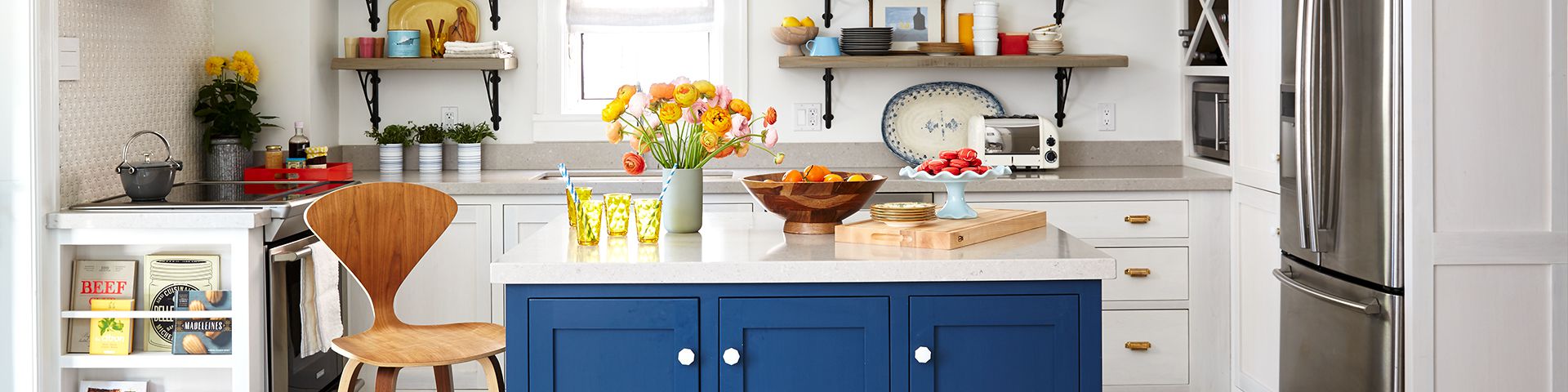
Warm wood cabinets are popular again because they add texture, comfort, and a natural feel. White kitchens are not gone, but today’s best designs often balance white with wood, soft neutrals, muted greens, navy, clay tones, or warm taupe. Two-tone cabinets are another smart kitchen remodeling idea: try painted lower cabinets with lighter uppers, or make the island a contrasting color.
If you want a timeless look, avoid choosing a cabinet color only because it is having a five-minute celebrity moment online. A kitchen is not a throw pillow; you cannot casually toss it in a closet when the trend expires. Choose colors that work with your flooring, countertops, natural light, and the overall style of your home.
Upgrade Cabinet Function, Not Just the Fronts
Pullout shelves, deep drawers, tray dividers, spice inserts, vertical baking sheet storage, and hidden trash bins can make an older kitchen feel brand new. Drawers are especially useful in lower cabinets because they bring items to you instead of forcing you to kneel and negotiate with a stack of lids.
Take cabinets to the ceiling if possible. The upper space is ideal for seasonal items, serving pieces, or that fondue set you swear you will use someday. Glass-front cabinets can break up a wall of cabinetry, but use them strategically. They are lovely unless they reveal twelve mismatched mugs and a plastic dinosaur cup from 2014.
Countertop and Backsplash Ideas That Work Hard
Countertops need to survive chopping, spills, hot pans, coffee splashes, homework, grocery bags, and at least one person who insists the counter is a mailroom. Popular options include quartz, granite, butcher block, porcelain, solid surface, and laminate. The best choice depends on budget, maintenance tolerance, and style.
Choose Surfaces for Real Life
Quartz is loved for its durability and low maintenance. Granite offers natural variation and long-lasting strength. Butcher block adds warmth but needs regular care. Laminate is budget-friendly and available in better-looking patterns than many people remember from decades past. Porcelain slabs can create a sleek, modern look and are often resistant to stains and heat, though fabrication quality matters.
For a practical remodel, choose a countertop that complements your cooking habits. If you bake often, a smooth, easy-clean surface matters. If you have kids, pets, or enthusiastic spaghetti sauce, stain resistance should move higher on the wish list. If you want drama, use bold stone on the island and a quieter material on the perimeter counters.
Make the Backsplash a Design Bridge
A backsplash can tie the room together. Subway tile remains popular because it is affordable and adaptable, but you can make it fresh with vertical stacking, handmade texture, colored grout, or a larger format. Zellige-style tile, slab backsplashes, patterned ceramic, and soft stone looks can add character without overwhelming the kitchen.
If your cabinets and counters are simple, the backsplash can carry more personality. If your countertop already has dramatic veining, keep the backsplash calm. Two divas in one kitchen rarely share the spotlight politely.
Lighting Ideas That Change Everything
Kitchen lighting is often underestimated until someone tries to chop onions under one sad ceiling fixture. A good kitchen lighting plan uses layers: ambient lighting for the whole room, task lighting for work surfaces, and accent lighting for mood or display.
Layer Your Kitchen Lighting
Recessed lights, flush mounts, or ceiling fixtures can provide general brightness. Under-cabinet lights illuminate counters and make food prep safer. Pendant lights over an island add style and focus. Interior cabinet lighting can highlight glass fronts or open shelves. Dimmers are a small upgrade with a big payoff because the light you need for cooking tacos is not the same light you want for late-night tea.
Warm, comfortable lighting usually feels better in a kitchen than harsh, blue-toned light. Aim for brightness where you work and softness where you gather. The goal is to see clearly without making your kitchen feel like a dental office.
Storage Ideas for a Cleaner, Calmer Kitchen
Storage is the difference between a kitchen that looks good for one photo and a kitchen that works every Tuesday. Modern kitchen design favors hidden, specialized storage that makes daily routines easier.
Add Pantry Power
If you have space, a walk-in pantry is a dream feature. If not, a tall pullout pantry, cabinet pantry, or shallow wall pantry can still provide excellent storage. Group food by category and use adjustable shelves so the pantry can change with your household. Clear bins help, but do not buy fifty matching containers before measuring. That is how innocent people end up with a second storage problem.
Use Vertical and Hidden Storage
Install vertical dividers for cutting boards and baking sheets. Add toe-kick drawers for flat items. Use corner solutions like lazy Susans or blind-corner pullouts. Consider an appliance garage for the toaster, blender, or coffee maker. Open shelving can look beautiful, but use it for items you truly use or love. Otherwise, it becomes a dust museum with plates.
Appliance Ideas for a Smarter Kitchen
New appliances can improve performance, energy use, and convenience. Popular kitchen appliance upgrades include quiet dishwashers, counter-depth refrigerators, induction cooktops, convection ovens, drawer microwaves, and undercounter beverage centers.
Think Beyond Shiny Stainless Steel
Stainless steel is still common, but panel-ready appliances can create a seamless built-in look. Black stainless, matte finishes, and white appliances can also work when coordinated with the overall design. The smartest move is to choose appliances based on cooking style first and finish second.
If you cook often, spend more on the range, cooktop, or oven. If you host frequently, consider refrigerator capacity, dishwasher noise rating, and serving flow. If you rarely cook, do not build your entire budget around a professional-style range that will mostly reheat pizza. No judgmentjust financial honesty.
Include Energy and Water Efficiency
Energy-efficient appliances and water-saving fixtures can reduce utility costs and appeal to future buyers. Look for certified refrigerators, dishwashers, and cooking products when possible. A water-efficient faucet, durable aerator, and smart dishwasher choice can make the kitchen more sustainable without changing your lifestyle.
Flooring Ideas That Can Handle Real Life
Kitchen floors need to be durable, cleanable, and comfortable enough for standing. Hardwood adds warmth and flow, especially in open layouts. Luxury vinyl plank offers water resistance and budget flexibility. Porcelain tile is tough and stylish but can feel hard underfoot. Natural stone is beautiful, though it may require sealing and maintenance.
Warm tones, natural textures, and softer finishes are trending because homeowners want kitchens that feel inviting rather than sterile. If your kitchen connects to living spaces, choose flooring that creates visual continuity. If you select tile, consider grout color carefully. Very light grout in a busy kitchen may quickly become a documentary about regret.
Small Kitchen Remodeling Ideas
A small kitchen can still be mighty. The key is to maximize every inch without making the room feel crowded. Use light-reflecting surfaces, slim appliances, tall cabinets, and thoughtful lighting. Replace bulky upper cabinets with a mix of closed storage and a few open shelves if the room feels heavy.
Make Small Spaces Feel Larger
Use the same countertop and backsplash color family to reduce visual breaks. Choose cabinet hardware that is sleek and not oversized. Add under-cabinet lighting to brighten work zones. Consider a single-bowl sink if counter space is limited. A rolling island or small peninsula can add prep room without permanently blocking traffic.
In compact kitchens, organization is not optional; it is survival. Keep only what you use, store occasional items elsewhere, and choose multi-purpose tools. A small kitchen with smart storage often works better than a large kitchen full of mystery gadgets.
Budget-Friendly Kitchen Remodeling Ideas
Not every kitchen update needs a construction crew and a dramatic before-and-after soundtrack. Some of the best kitchen remodeling ideas are affordable and fast.
High-Impact Updates Under a Smaller Budget
Paint cabinets, replace hardware, update lighting, install a new faucet, add a peel-and-stick or tile backsplash, change bar stools, replace dated blinds, or add floating shelves. Even swapping an old fluorescent light for modern fixtures can make the room feel younger, brighter, and less like a school cafeteria.
For better resale value, focus on improvements that look fresh but not overly personal. Neutral cabinet colors, durable counters, improved storage, modern lighting, and clean appliances usually appeal to more buyers than highly specific luxury finishes. A targeted minor kitchen remodel can often be more financially sensible than a full gut renovation, especially if the current layout works.
Planning, Permits, and Professional Help
Kitchen renovations can involve plumbing, electrical work, gas lines, ventilation, and structural changes. Cosmetic updates may not require permits, but moving a sink, adding outlets, relocating walls, or changing major systems often does. Requirements vary by city and county, so check with your local building department before work begins.
Hire licensed professionals for electrical, plumbing, gas, and structural work. A designer or experienced contractor can also help prevent expensive mistakes, such as ordering cabinets before final appliance measurements or placing an island where the dishwasher cannot open fully. That is not a design feature; that is a daily annoyance with hinges.
Kitchen Remodeling Ideas by Style
Modern Kitchen
Choose flat-panel cabinets, integrated appliances, slab backsplashes, simple hardware, and clean lines. Add warmth with wood, textured tile, or soft lighting so the room does not feel too cold.
Farmhouse Kitchen
Use shaker cabinets, apron-front sinks, warm wood accents, vintage-inspired lighting, and practical open shelving. Keep the look balanced by avoiding too many rustic elements at once.
Transitional Kitchen
Blend classic cabinets with modern counters, simple tile, and updated fixtures. This style is popular because it feels fresh without becoming dated too quickly.
Luxury Kitchen
Focus on custom cabinetry, high-end appliances, stone slabs, statement lighting, hidden storage, and excellent craftsmanship. True luxury is not just expensive material; it is a kitchen where every detail feels intentional.
Real-Life Experiences and Lessons From Kitchen Remodeling
One of the most useful kitchen remodeling experiences is learning that the best ideas are not always the flashiest ones. Many homeowners begin by dreaming about marble islands, dramatic pendants, and magazine-worthy shelves. Then daily life politely interrupts and asks, “Where will the trash go?” The answer to that question can matter more than the chandelier.
A common experience is underestimating storage. During planning, everything seems manageable because the old kitchen is still full. Once cabinets are emptied, reality appears in the form of three slow cookers, nine water bottles, holiday platters, and a drawer dedicated entirely to mystery cords. A remodel is the perfect time to decide what deserves prime kitchen real estate. Deep drawers for pots, a pullout trash station, tray dividers, and a pantry system can make the finished kitchen feel twice as useful.
Another lesson: lighting changes the mood more than people expect. Homeowners often spend weeks choosing countertops but only minutes choosing bulbs. Then they wonder why the new kitchen feels flat. Good under-cabinet lighting makes prep easier, pendants add character, and dimmers let the room shift from busy breakfast zone to relaxed evening hangout. Lighting is not decoration only; it is daily comfort.
Budget surprises are also part of the remodeling adventure. Older homes may hide outdated wiring, uneven floors, old plumbing, or walls that are not as straight as they pretended to be. A contingency fund is not pessimism; it is wisdom wearing a tool belt. Setting aside extra money for unexpected issues can prevent panic when the contractor discovers something that was definitely not in the inspirational mood board.
Many homeowners also discover that keeping the existing layout saves serious money. Moving plumbing, gas lines, or walls can be worth it when the layout is truly broken, but if the sink, stove, and refrigerator already function well, improving cabinets, counters, lighting, and storage may deliver a better result for less stress. Sometimes the smartest remodel is not biggerit is better organized.
Living through a kitchen remodel teaches patience. Set up a temporary kitchen with a microwave, coffee maker, toaster oven, basic dishes, and a washable prep surface. Plan easy meals and accept that there may be a period when dinner comes from a paper bag. This is normal. Remodeling dust has a talent for appearing in rooms that were never part of the project, so seal off work areas and protect floors early.
Finally, the best kitchen remodeling idea is to design for the next ten years, not the next ten minutes online. Trends are helpful for inspiration, but your habits should make the final decisions. If you hate open shelves, skip them. If you cook daily, invest in prep space and ventilation. If your family gathers in the kitchen, prioritize seating and durable surfaces. A beautiful kitchen is wonderful, but a beautiful kitchen that works hard every day is the real prize.
Conclusion
Kitchen remodeling ideas should begin with function, then layer in style, comfort, efficiency, and personality. Whether you are planning a small kitchen refresh or a full renovation, focus on layout, storage, lighting, durable materials, and choices that match your real life. The dream kitchen is not the one that looks best for five minutes on social media. It is the one that makes cooking easier, mornings smoother, gatherings warmer, and cleanup slightly less tragic.
Start with your pain points, set a realistic budget, choose materials that can handle daily use, and work with qualified professionals when systems or structures are involved. Add warmth, smart storage, and lighting that flatters both your countertops and your midnight snack habits. Done well, a kitchen remodel can improve your home, your routines, and maybe even your relationship with that chaotic utensil drawer.