Note: This article is written in a careful, non-explicit style and removes citation placeholders for web publishing. It synthesizes current expert guidance from reputable U.S. health, therapy, relationship, consent, and
Psychology Today
+5
Healthline
+5
Verywell Mind
+5
ing is typically viewed as cheating when it violates agreed relationship boundaries, is hidden, creates romantic or sexual exclusivity outside the relationship, or damages trust; healthy responses focus on honesty, accountability, consent, and clear boundary-setting.
PubMed
+14
Healthline
+14
Verywell Mind
+14
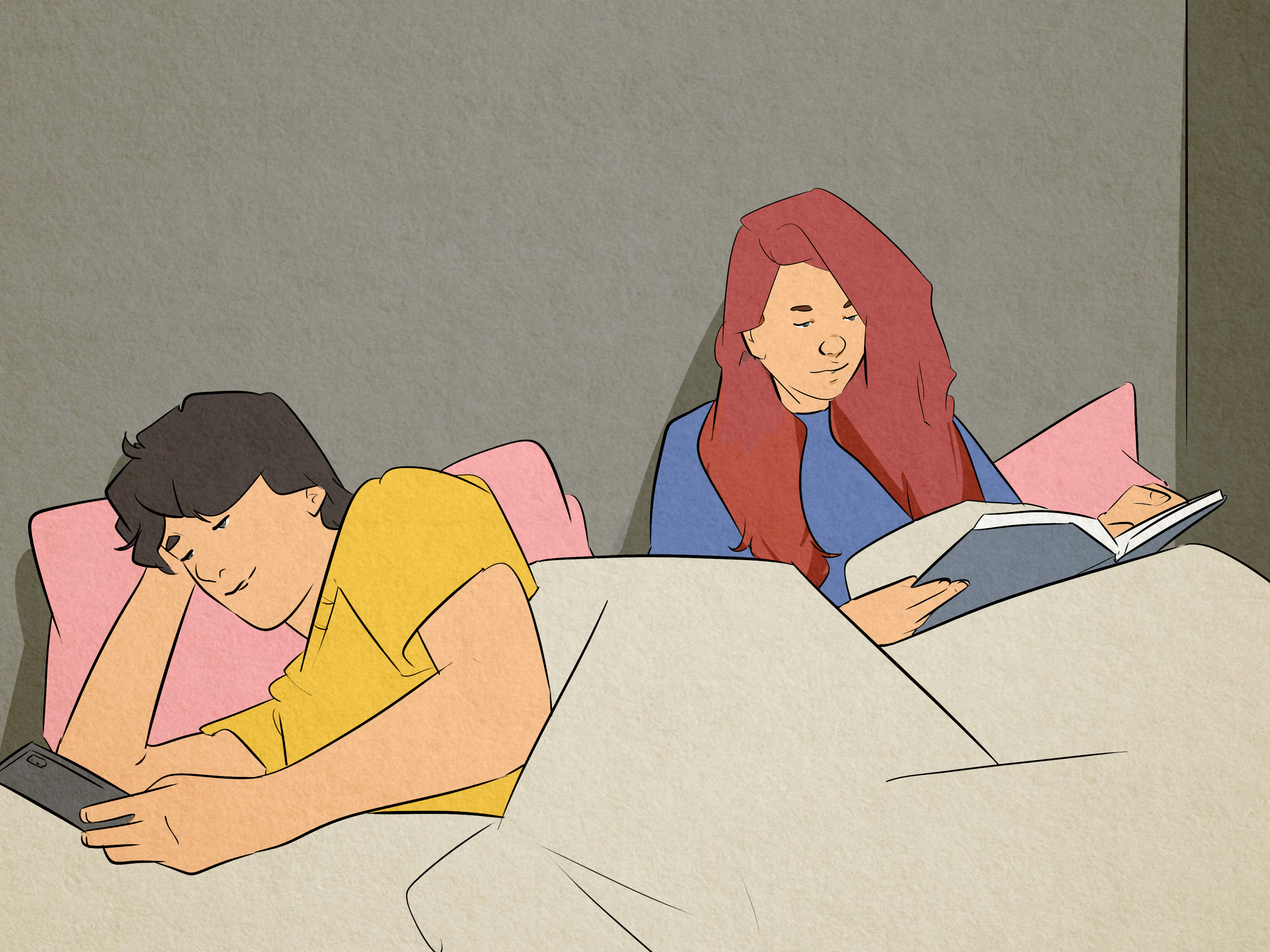
Modern relationships come with modern headaches. Once upon a time, cheating meant sneaking around in person, wearing too much cologne, and suddenly “working late” every Thursday. Now? A relationship can get messy without anyone leaving the couch. That is why so many people keep asking the same uncomfortable, wildly searchable question: Is sexting cheating?
The most honest answer is also the least dramatic: sometimes yes, sometimes no, but very often it crosses the line. Experts in relationships, mental health, and trust tend to agree on one big idea. Sexting is usually considered cheating when it breaks the rules of the relationship, involves secrecy, creates intimacy outside the partnership, or leaves one partner feeling betrayed. In other words, this is less about technology and more about trust.
That may sound annoyingly nuanced, but relationships are not vending machines. You do not put in “exclusive” and automatically get the exact same definition of loyalty from every person. Some couples consider flirtatious texting a harmless eye-roll moment. Others see any private sexual messaging with someone else as a full-blown breach of trust. The deciding factor is rarely the phone itself. It is the meaning behind the behavior.
Why This Question Is So Complicated
The reason is sexting cheating sparks so much debate is simple: people do not just define cheating by physical contact anymore. Experts increasingly talk about digital infidelity, emotional cheating, and micro-cheating because betrayal can happen through screens just as easily as it can happen across a candlelit dinner table.
For some people, cheating begins the moment sexual energy, romantic attention, or emotional vulnerability is directed outside the relationship in a secretive way. For others, the word “cheating” does not apply unless there is in-person contact. That gap in definitions is exactly where confusion thrives. One partner is thinking, “It was only texting,” while the other is thinking, “You shared intimacy with someone else and hid it from me.” Those are not minor differences. Those are relationship earthquakes wearing sneakers.
Experts often point out that betrayal is not always measured by whether two people met offline. It is often measured by whether the behavior damaged trust, violated boundaries, and pulled energy away from the primary relationship. That is why a digital exchange can feel just as painful as an in-person affair for many couples.
When Sexting Is Usually Considered Cheating
If you want the cleanest expert-backed standard, here it is: sexting is usually cheating when it is secret, intimate, and outside the agreements of the relationship. That is the core test.
1. It Breaks an Agreed-Upon Boundary
Every healthy relationship runs on boundaries, whether those boundaries are spoken out loud or quietly assumed. If you and your partner agreed to be exclusive, and one person starts sending sexual messages to someone else, that is not a harmless technicality. That is stepping outside the agreement.
This is why people sometimes get tripped up by semantics. They focus on whether it was “real cheating” instead of asking the more useful question: Was this outside the rules we set as a couple? If the answer is yes, the label matters less than the damage.
2. It Involves Secrecy
Secrecy is relationship lighter fluid. You can deny the spark all you want, but the room already smells like smoke. If someone is deleting messages, hiding apps, changing passwords suddenly, turning their phone face down like it contains state secrets, or becoming defensive about perfectly normal questions, most experts would say the issue is no longer “just texting.”
Secrecy often signals that the person knows the behavior would upset their partner. That awareness matters. People rarely hide things they truly believe are harmless.
3. It Creates Sexual or Romantic Exclusivity Elsewhere
Sexting is not just words on a screen. In many cases, it creates a private, charged, emotionally significant connection with someone outside the relationship. Even if there is no in-person contact, the energy is still going somewhere. When private intimacy starts living outside the partnership, many experts see that as a form of infidelity.
This is especially true when the texting becomes a repeating pattern rather than a one-time lapse in judgment. A recurring secret connection can become its own relationship, even if it only exists on a phone.
4. It Pulls Attention Away From the Relationship
Another major clue is what the behavior does to the primary relationship. Is the person becoming emotionally distant? Irritable? Less affectionate? More distracted? More invested in the thrill of the outside connection than in the person sitting right next to them?
Experts often describe emotional infidelity as a process in which attention, intimacy, or vulnerability gets redirected elsewhere. If sexting becomes the place where someone feels excited, seen, validated, or desired while their partner gets the leftovers, that can feel like cheating even without physical contact.
When Some People Would Say It Is Not Cheating
Now for the part nobody likes because it ruins the simplicity: some couples do not automatically define sexting as cheating. In certain relationships, digital flirting or sexual messaging may be discussed openly, agreed upon in advance, or treated as acceptable within the couple’s boundaries. In those cases, the issue is not the behavior itself but whether both people genuinely consented to that arrangement.
That is an important distinction. Cheating is not just “anything sexual.” It is often anything that violates trust, honesty, or the couple’s shared agreement. If both partners clearly agree on what is allowed, then the conversation changes. But that agreement needs to be real, mutual, and specific, not vague enough to drive a pickup truck through.
Also, not all sexting is automatically harmful in committed relationships. Experts and research have noted that intimate messaging between consenting adults who are in the relationship with each other can sometimes increase closeness, playfulness, and connection. The problem starts when that same energy is sent outside the relationship or when anyone feels pressured, manipulated, or unsafe.
Signs Sexting Has Crossed the Line
If you are still unsure whether it counts as cheating in a particular situation, these questions usually help:
Would you do it openly in front of your partner?
If the answer is no, your conscience may already be drafting the memo.
Would your partner feel betrayed if they saw the messages?
Not mildly annoyed. Betrayed. That emotional reaction tells you a lot.
Are you sharing something you should be building with your partner?
Attention, flirtation, fantasy, vulnerability, reassurance, excitement, private jokes, or emotional dependence can all become part of infidelity when they are hidden and redirected.
Are you minimizing it because it happened online?
Calling something “just texting” does not magically make it harmless. The internet did not invent loyalty loopholes.
Why Sexting Hurts Relationships So Deeply
People often assume the pain comes from jealousy alone, but experts describe the fallout as much deeper than that. When a partner discovers secret sexting, they may question reality itself. Was the relationship what they thought it was? Were there other lies? What else is being hidden? Trust does not usually break with a polite little ping. It tends to collapse like a folding chair at a family barbecue.
That pain is often tied to three things: deception, displacement, and disrespect. Deception means the truth was hidden. Displacement means intimacy was moved elsewhere. Disrespect means one partner’s boundaries or emotional safety were treated as optional. Even if the person who sexted insists it was “not serious,” the impact can still be serious.
There is also the emotional comparison factor. Many experts note that outside digital connections can lead people to idealize the other person while becoming more critical, impatient, or detached at home. That pattern deepens the injury because the betrayal is not staying in the phone. It starts leaking into the relationship.
What To Do If You Discover Sexting in a Relationship
If this has happened to you, resist the urge to go full detective movie soundtrack and conduct a midnight device raid while breathing like a dragon. Experts generally recommend a more grounded response.
Pause Before Reacting
Shock can make people say the sharpest thing in the room. Take a beat. Get clear on what you know, what you feel, and what you need to ask.
Talk About the Behavior, Not Just the Label
Sometimes couples get stuck arguing over the word “cheating” and never address the actual injury. A more useful approach is: What happened? Was it hidden? How long did it go on? What boundary was broken? What does repair require?
Ask for Honesty, Not Trickles of Truth
Trust rarely heals when information comes out in tiny installments. If there is going to be repair, experts usually emphasize full honesty, accountability, and a willingness to answer difficult questions without defensiveness.
Decide What You Need Next
For some couples, that means a hard stop to outside contact. For others, it means couples counseling, deeper conversations about unmet needs, or a serious reworking of digital boundaries. And yes, sometimes it means the relationship ends. Not every betrayal gets a sequel.
How Couples Can Prevent This Problem
The best time to define cheating is before you are arguing about screenshots. Couples who want to avoid confusion should talk directly about digital boundaries. That includes:
What counts as flirting?
One person’s harmless banter is another person’s emotional betrayal with emojis.
What kinds of private conversations are off-limits?
This includes sexual messaging, secret emotional intimacy, venting about the relationship to a flirtatious outsider, or keeping a hidden connection alive for attention.
What does privacy mean versus secrecy?
Healthy privacy means each person is allowed dignity and space. Secrecy means hiding behavior that would likely damage trust.
What are the non-negotiables?
If your relationship is exclusive, say what that means in plain English. Do not rely on mind reading. Mind reading is a terrible communication strategy and an even worse couples policy.
It is also worth adding one important safety note: if anyone is being pressured to send intimate content, that is not healthy intimacy. Consent and comfort matter. No one should feel bullied, manipulated, or cornered into digital sexual behavior they do not want.
Can a Relationship Recover After Sexting?
Sometimes yes. Sometimes no. Experts who work with couples often say recovery depends less on the existence of the betrayal and more on the response to it. Was the person honest? Did they take responsibility? Did they stop the behavior? Are both people willing to rebuild trust slowly and realistically?
Repair usually requires more than an apology tossed into the room like a paper airplane. It takes accountability, openness, patience, and specific changes in behavior. Trust is not rebuilt by saying, “You should be over it by now.” That sentence has repaired approximately zero relationships in human history.
At the same time, not everyone is required to stay and work it out. If sexting violated a core value, repeated a pattern, or triggered a complete loss of safety in the relationship, leaving can also be a healthy decision. Healing is not the same as staying.
Common Experiences People Have Around This Topic
One reason the question is sexting cheating refuses to die is because real-life experiences around it are rarely neat. Therapists and relationship experts often hear versions of the same stories again and again, just with different apps, different excuses, and different levels of panic.
A common experience is the “I thought we were exclusive, but apparently we were exclusive-plus-confusing loopholes” moment. One partner finds sexual or flirty messages and feels blindsided. The other insists there was no physical contact, so it “should not count.” What makes this experience so painful is not only the content of the messages but the collision of assumptions. One person thought the boundary was obvious. The other treated it like fine print.
Another frequent experience is discovering that sexting was tied to validation rather than romance. Some people describe their partner seeking attention, ego boosts, or excitement during a stressful, lonely, or disconnected period. That does not excuse the behavior, but it helps explain why the person kept returning to it. In those cases, the hurt partner often says the same thing: “It was not just the messages. It was realizing you were going somewhere else to feel wanted.” That is why digital infidelity can cut so deeply.
There are also couples who realize the crisis exposed a bigger communication problem that had been quietly growing for months. Maybe they never discussed boundaries around texting. Maybe they assumed loyalty meant the same thing to both of them. Maybe conflict had become so awkward that both people started avoiding honest conversations altogether. Then the sexting did what betrayal often does: it forced a conversation that should have happened much earlier.
Some people experience deep embarrassment after being caught. They may minimize, deflect, or argue technicalities because admitting the truth feels humiliating. Others go the opposite direction and become immediately remorseful, transparent, and willing to repair the damage. That difference matters. The partners who can rebuild are often the ones who stop arguing about labels and start dealing with impact.
Another real experience, especially in younger relationships, is pressure. Someone may not even want to participate in sexual messaging but feels pushed into it by a partner or love interest. That situation should not be romanticized. If a person feels coerced, cornered, guilted, or afraid to say no, the real issue is not “cheating.” The real issue is that the dynamic is unhealthy. Respect is still the standard, even through a screen.
Then there are the couples who recover. Not instantly, not magically, and definitely not because one person said, “Oops.” They recover because they use the incident as a brutal but clarifying turning point. They define boundaries clearly. They become more honest. They stop living on assumptions. They rebuild trust one boring, consistent action at a time. It is not glamorous, but neither is emotional maturity. That is partly why it works.
Final Verdict
So, is sexting cheating? In many relationships, yes. Experts generally land on the idea that sexting becomes cheating when it violates the couple’s boundaries, is hidden, creates sexual or emotional intimacy with someone else, or breaks trust. The screen does not make the betrayal smaller. It just makes it easier to type.
If a couple has openly discussed digital boundaries and genuinely agreed on what is acceptable, the answer may be different. But without that agreement, secret sexting is usually not a harmless gray area. It is a trust problem wearing modern clothes.
The healthiest takeaway is not to obsess over whether an app changed the definition of cheating. It did not. Relationships still run on the same old ingredients: honesty, respect, consent, and clear boundaries. Technology just gave bad decisions better battery life.
“` :