If you have not visited a Disney park since the golden age of free FastPass, welcome back. Please keep your hands, arms, feet, legs and credit card inside the vehicle at all times. Disney’s Lightning Lane system has become one of the biggest planning decisions families face before visiting Walt Disney World or Disneyland Resort. It can save hours. It can also make your vacation budget look like it rode Tower of Terror without a seat belt.
So, is Lightning Lane worth it? After reviewing how the current system works, comparing Walt Disney World and Disneyland rules, and looking at real trip-planning strategies, my honest answer is: sometimes absolutely, sometimes not at all, and sometimes only if your group has the patience of a churro in July.
This full Lightning Lane review explains the difference between Lightning Lane Multi Pass, Lightning Lane Single Pass and Lightning Lane Premier Pass, when each one makes sense, which parks benefit most, and how to avoid paying for convenience you do not actually need.
What Is Disney Lightning Lane?
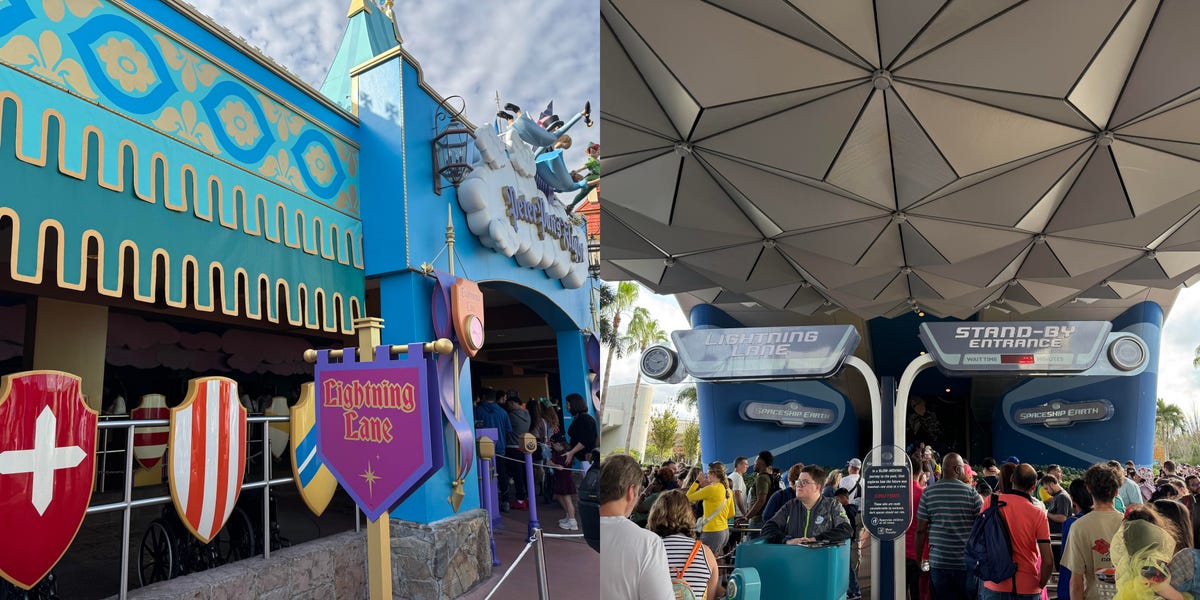
Lightning Lane is Disney’s paid skip-the-standby-line system for select attractions. Instead of joining the regular standby queue, guests with a valid Lightning Lane pass enter through a shorter Lightning Lane entrance during an assigned arrival window or, in the case of Premier Pass, at their leisure.
It is not a magic wand. You are not teleporting directly onto Space Mountain like a very organized wizard. You are joining a shorter queue, and waits can still happen. But on crowded days, the time savings can be substantial, especially at parks with several popular attractions and long standby lines.
The current system replaced older names such as Disney Genie+ and individual Lightning Lane access. Today, there are three main paid options: Lightning Lane Multi Pass, Lightning Lane Single Pass and Lightning Lane Premier Pass.
Lightning Lane Multi Pass: The Main Option for Most Guests
Lightning Lane Multi Pass is the option most visitors will consider first. At Walt Disney World, it allows guests to choose up to three eligible attractions and arrival windows in one theme park before the visit. After using the first selection on the day of the visit, guests may book another available Multi Pass experience, one at a time, through the My Disney Experience app.
At Disneyland Resort, Multi Pass works more like the previous Genie+ system. Guests typically make their first selection after entering a park, then continue booking one attraction at a time after redeeming a selection or after the required waiting period has passed. Disneyland Multi Pass also includes eligible attractions across both parks when the guest has Park Hopper admission.
Who Should Buy Multi Pass?
Multi Pass is best for guests who want to ride several attractions in one day, especially families visiting during school breaks, weekends, holidays or any period when the parks feel like the entire internet showed up wearing matching shirts.
It is also useful if your group has younger children, older relatives or anyone who does not do well standing in long outdoor queues. In that case, the value is not just measured in minutes saved. It is measured in fewer meltdowns, fewer snack emergencies and fewer arguments about whether Dad “really needs” to check wait times every seven seconds.
Lightning Lane Single Pass: For the Heavy Hitters
Lightning Lane Single Pass is sold separately for select high-demand attractions that are not included in Multi Pass. These are usually the headliners: rides people dream about, plan around and sometimes sprint toward with the focus of an Olympic relay team.
At Walt Disney World, Single Pass attractions vary by park but commonly include major draws such as TRON Lightcycle / Run, Seven Dwarfs Mine Train, Guardians of the Galaxy: Cosmic Rewind and Avatar Flight of Passage. At Disneyland Resort, Star Wars: Rise of the Resistance and Radiator Springs Racers are the key Single Pass attractions.
Guests can usually buy up to two different Single Pass attractions per day, subject to availability. You do not need Multi Pass to buy Single Pass. They are separate products, which is very Disney: simple in theory, slightly wallet-haunting in practice.
When Single Pass Is Worth It
Single Pass makes the most sense when one attraction is a must-do and the standby wait is likely to be long. For example, if your child has been talking about Rise of the Resistance for six months, this may not be the moment to test the family’s emotional durability in a 110-minute line.
It is also useful on short trips. If you only have one park day, paying for one top-tier attraction can help protect your schedule. If you are visiting for several days and have flexibility, you may be able to use early entry, late nights or lower-crowd windows instead.
Lightning Lane Premier Pass: Maximum Convenience, Maximum Sticker Shock
Lightning Lane Premier Pass is the most expensive and most convenient version. At Walt Disney World, it gives one-time access to each available Lightning Lane attraction in one selected park for one day, with no need to schedule individual arrival windows. At Disneyland Resort, Premier Pass includes eligible Lightning Lane attractions across both parks when valid admission allows park hopping.
The biggest perk is flexibility. You do not need to play app chess all day. You simply go to an eligible attraction, scan in and move on. For guests who hate phone planning, this is the closest Disney currently gets to “please make the logistics disappear.”
The downside is price. Premier Pass can cost several hundred dollars per person, per day, depending on park, date and demand. For a family of four, that can transform a theme park day into a financial event worthy of a spreadsheet, a deep breath and possibly a comforting Mickey pretzel.
Who Should Consider Premier Pass?
Premier Pass is best for luxury travelers, first-time visitors with a limited schedule, guests celebrating a major occasion or anyone who wants to minimize planning stress and maximize ride access. It is not necessary for most families. It is convenient, yes, but convenience is not the same as value.
If your trip already includes multiple park days, smart rope-drop planning and afternoon breaks, Multi Pass and occasional Single Pass purchases may offer a better balance. Premier Pass is the “I want the easy button” option, and Disney knows exactly how much that button is worth.
How Far in Advance Can You Buy Lightning Lane?
At Walt Disney World, eligible Disney Resort hotel guests and guests at select partner hotels can purchase Lightning Lane passes up to seven days before their resort stay, for the length of stay up to Disney’s stated limit. Other guests can generally purchase up to three days before their park visit. Purchases open at 7:00 a.m. Eastern Time on the first eligible booking day.
At Disneyland Resort, rules are different. Multi Pass can often be added when purchasing tickets or bought after entering the park, subject to availability. Single Pass is purchased in the Disneyland app after park entry. Premier Pass may be available up to seven days in advance, beginning at 7:00 a.m. Pacific Time, in very limited quantities.
This difference matters. Walt Disney World rewards advance planners. Disneyland rewards fast fingers and same-day flexibility. Both reward a charged phone battery, because nothing says “modern vacation” like guarding your battery percentage like it is the last Dole Whip on Earth.
Is Lightning Lane Worth It at Walt Disney World?
Walt Disney World is where Lightning Lane planning becomes most important because the resort is huge, the parks vary widely and walking from one side of a park to the other can feel like an unplanned cardio class.
Magic Kingdom
Magic Kingdom is usually the strongest park for Lightning Lane Multi Pass. It has the deepest attraction lineup and many family-friendly rides with standby waits that build quickly. Peter Pan’s Flight, Jungle Cruise, Haunted Mansion, Pirates of the Caribbean, Space Mountain and Tiana’s Bayou Adventure can all become valuable selections depending on the day.
Because there are so many eligible attractions, Multi Pass can keep producing value throughout the day. Even if you do not secure every top choice, you can often book additional useful selections after your first ride. For most first-time families, I would strongly consider Multi Pass at Magic Kingdom.
Disney’s Hollywood Studios
Hollywood Studios is another park where Lightning Lane can be extremely useful. The park has several high-demand rides, including Slinky Dog Dash, Mickey & Minnie’s Runaway Railway, Toy Story Mania!, Tower of Terror and Millennium Falcon: Smugglers Run. Standby waits can climb fast because the park has fewer total rides than Magic Kingdom but many headliners.
If you can get a strong advance selection such as Slinky Dog Dash, Multi Pass becomes much easier to justify. If your available options are mostly shows and lower-demand attractions, the value drops.
EPCOT
EPCOT is more complicated. The park has several popular attractions, but they are spread far apart. A poorly planned Lightning Lane day here can save you time in line while adding thousands of extra steps. Congratulations, you beat the queue and angered your calves.
Multi Pass can be worth it on busy festival days or when your group wants Frozen Ever After, Remy’s Ratatouille Adventure, Soarin’ and Test Track. However, if you are willing to arrive early, use single rider when available, or stay late, you may not need it.
Disney’s Animal Kingdom
Animal Kingdom is often the weakest park for Multi Pass value. The park has fewer Lightning Lane attractions, and smart timing can go a long way. Arriving early for Pandora or visiting popular rides near closing can reduce the need for paid line-skipping.
That said, Avatar Flight of Passage is still a major Single Pass candidate. If it is your must-do attraction and standby waits are high, buying Single Pass may be smarter than buying Multi Pass for the entire park.
Is Lightning Lane Worth It at Disneyland Resort?
Disneyland Resort is smaller, easier to navigate and more spontaneous than Walt Disney World. Because Disneyland Park and Disney California Adventure are steps apart, Multi Pass can be very useful for guests with Park Hopper tickets.
At Disneyland Park, attractions such as Space Mountain, Indiana Jones Adventure, Matterhorn Bobsleds, Haunted Mansion, Mickey & Minnie’s Runaway Railway and Tiana’s Bayou Adventure can make Multi Pass valuable. At Disney California Adventure, Guardians of the Galaxy – Mission: BREAKOUT!, Incredicoaster, Toy Story Midway Mania!, WEB SLINGERS and Soarin’ are common priorities.
The included PhotoPass benefits at Disneyland also improve the value. If your group loves ride photos and castle pictures, Multi Pass may feel more worthwhile because it bundles time savings with digital photo downloads.
My Honest Review: The Pros and Cons
What I Like
The biggest advantage of Lightning Lane is predictability. Disney vacations are expensive, and no one wants to spend half the day staring at switchbacks while wondering if they should have gone to the hotel pool instead. Multi Pass gives structure. Single Pass protects must-do attractions. Premier Pass removes much of the scheduling friction.
I also like that Walt Disney World allows advance selections. For planners, this is a major improvement over waking up every park morning and immediately entering a digital thumb-wrestling contest. Being able to see available times before purchasing can also help guests decide whether the pass is worth buying that day.
What I Do Not Like
The biggest downside is cost. Lightning Lane is paid on top of park admission, hotel costs, food, transportation and all the adorable merchandise that somehow follows you home. For larger families, even “moderate” per-person pricing adds up quickly.
The second downside is complexity. Disney has improved the names, but the system still asks guests to understand advance booking windows, attraction tiers, arrival windows, park hopping rules, app modifications, limited availability and the difference between Multi Pass, Single Pass and Premier Pass. That is a lot of homework for a vacation featuring a mouse in red shorts.
Finally, Lightning Lane is not guaranteed perfection. Attractions can close. Return times can be inconvenient. Availability can disappear. You still need a plan.
Best Lightning Lane Strategy for Families
Start by ranking your top three must-do attractions for each park. Do not build your plan around every ride. Build it around the rides your group would be genuinely disappointed to miss. Then decide whether Multi Pass, Single Pass or standby strategy best protects those priorities.
For Walt Disney World, book as early as your eligibility allows. Choose the hardest-to-get attraction first, then fill in the rest based on geography and timing. Try not to schedule your first Lightning Lane too late in the day, because using that first selection unlocks the ability to book another Multi Pass experience.
For Disneyland, enter early and make your first Multi Pass selection quickly. Keep checking the app after redemption windows. Because the parks are close together, park hopping can dramatically increase your choices.
Across both resorts, bring a portable charger, turn on notifications, and avoid booking return windows that force you to cross the park repeatedly. Lightning Lane should reduce stress, not turn your day into a scavenger hunt sponsored by sore feet.
When I Would Skip Lightning Lane
I would skip Lightning Lane on low-crowd days, during relaxed repeat visits or when your group cares more about atmosphere than attractions. If your dream day involves snacks, parades, fireworks, characters and wandering through themed lands, you may not need paid line-skipping.
I would also skip Multi Pass at Animal Kingdom unless crowds are heavy or your park-hopping strategy makes it useful. For EPCOT, I would decide based on available selections and whether the walking pattern makes sense.
Finally, I would skip Premier Pass unless the budget comfortably allows it. If buying Premier Pass means stressing over meals, souvenirs or hotel choices, it may not improve your trip as much as you hope.
Extra Field Notes From My Lightning Lane Experiences
The first thing I tell friends is that Lightning Lane works best when you treat it like a tool, not a personality. Some Disney fans talk about ride strategy the way sports analysts discuss playoff brackets. That can be fun, but it can also make a vacation feel like a job interview with fireworks. The goal is not to “win” Disney. The goal is to have a day where your group smiles more than it sighs.
On my best Lightning Lane days, I use the system to protect the morning. I want one excellent early selection, one solid mid-morning selection and one flexible late-morning or early-afternoon selection. That setup usually lets the group ride several attractions before lunch, then slow down when the parks get hotter and more crowded. By early afternoon, nobody wants to debate app strategy while standing in direct sun with a half-melted Mickey bar. That is how villains are made.
Another experience-based tip: do not underestimate the value of “easy wins.” Everyone wants the biggest rides, but sometimes the best Lightning Lane selection is the one that saves your group from a 45-minute wait at exactly the right moment. A quick scan into Haunted Mansion, Pirates of the Caribbean or Toy Story Midway Mania! can reset the mood of the day. Disney trips are emotional ecosystems. One well-timed ride can save the afternoon.
I have also learned that families should separate when it makes sense. Not every person needs the same Lightning Lane plan. If one adult wants thrill rides and another wants gentle rides with younger kids, split the party in the app and reunite afterward. Disney vacations become easier when you stop pretending every person must enjoy the exact same magic at the exact same speed.
One of the most common mistakes I see is overbooking the day. Lightning Lane can make guests feel like they must rush from reservation to reservation. But some of the best Disney moments happen between attractions: a character wandering by, a quiet snack break, a street performer, a kid discovering a splash pad like it is a private kingdom. Leave room for those moments. A perfect spreadsheet is not always a perfect vacation.
My final experience note is about expectations. Lightning Lane will not eliminate every wait, fix every closure or make an exhausted group suddenly cheerful at 9:30 p.m. It is a convenience product. Used wisely, it can make a Disney day smoother, especially for first-timers and families with limited time. Used blindly, it becomes another expensive thing to manage. The sweet spot is simple: buy it when it clearly supports your priorities, skip it when it does not, and never let the app become the main character of your vacation.
Final Verdict: Is Lightning Lane Worth It?
Lightning Lane is worth it when crowds are high, your trip is short, your must-do list is attraction-heavy or your group needs fewer long waits to stay happy. It is especially useful at Magic Kingdom, Hollywood Studios and Disneyland Park. It is more optional at EPCOT and often unnecessary at Animal Kingdom unless you are targeting specific headliners.
Multi Pass is the best overall choice for most guests. Single Pass is smart for one or two must-do rides. Premier Pass is a premium convenience product that can be wonderful, but only if the price does not make your wallet file a formal complaint.
My expert review? Lightning Lane is not perfect, not cheap and not as simple as Disney probably wants us to think. But with a smart plan, it can absolutely improve your park day. Buy it strategically, not automatically. Your feet, your schedule and possibly your children will thank you.
Note: Lightning Lane pricing, attraction lists, booking windows and availability can change by date, park, demand and Disney policy. Always confirm final details in the official Disney app before purchasing.