There are two kinds of photography days: the “I am an artist, behold my vision” days… and the “why is this flower moving like it’s dodging taxes?” days. Flower photography gives you bothsometimes within the same five-minute window. But when it clicks, it’s one of the calmest, most quietly satisfying ways to make pictures.
Flowers don’t ask you to be louder. They ask you to be slower. They reward attention. They punish rushing. And they somehow make a parking-lot-adjacent botanical garden feel like a tiny portal to peaceprovided you stop trying to force the shot and let the scene teach you what it wants to be.
This is the story (and the method) behind how I photographed the peaceful world of flowerswithout turning it into a neon, over-sharpened postcard that screams, “I discovered the Saturation slider!”
Why Flower Photography Feels Like a Mini Vacation for Your Brain
Flowers are basically nature’s soft-spoken overachievers. They show up dressed like they’re heading to a gala, they smell like they’re trying to win a popularity contest, and they’re doing real work while they’re at itinviting pollinators, producing seeds, and keeping ecosystems humming.
Photographically, they’re perfect practice for everything that makes strong images: light control, composition, patience, and storytelling. Emotionally, they’re a reminder that beauty doesn’t need to shout. A single bloom can hold your attention the way a campfire doessteady, mesmerizing, and quietly hard to walk away from.
The Mindset: Photographing Flowers Like Portraits, Not Decorations
If you treat flowers like décor, you’ll make “pretty” images. If you treat them like portraits, you’ll make images with presence.
Ask three questions before you press the shutter
- What’s the subject? (One blossom? A cluster? The curve of a petal?)
- What’s the mood? (Quiet, dreamy, bold, delicate, dramatic?)
- What’s the distraction? (Busy background, harsh highlights, messy stems, random signage that says “EXIT” like it’s judging you?)
This simple mental checklist keeps you from spraying a thousand frames and going home with… twelve different versions of the same “meh.”
Gear That Makes Flower Photography Easier (Not Heavier)
You don’t need a studio cart full of gadgets. But a few tools can turn frustration into flowespecially when you’re working close-up.
1) A macro lens (or a close-up alternative)
A true macro lens is the smoothest route to crisp detail. It lets you focus close, control perspective, and isolate the subject beautifully. If you don’t have one, you can still do great work with:
- Extension tubes (inexpensive, surprisingly effective)
- Close-up filters (quality varies, but usable for learning)
- A phone + macro clip lens (great for experimentation and quick practice)
2) A tripod (when you want serenity and sharpness to be friends)
Tripods get a reputation for being “extra,” but for flowers they’re often the fastest path to calm. A tripod slows you down, helps refine framing, and makes it easier to use lower ISO or narrower apertures. The trick is to keep it polite: don’t block paths, don’t invade garden beds, and always follow location rules.
3) A small diffuser and reflector
Flowers are basically tiny stages, and light is your director. A diffuser softens harsh sun. A reflector lifts shadows. Together, they help you create a gentle, peaceful looklike the scene is exhaling.
4) A simple wind strategy
Wind is the main villain in flower photography, and it’s incredibly committed to the role. Even a light breeze can throw off focus. You don’t need to “fight” itjust manage it:
- Use your body, a bag, or a small board as a windbreak.
- Look for sheltered angles near hedges, walls, or taller plants.
- Time your shots between gusts (the “wind patience game”).
Light: How I Make Flowers Look Peaceful Instead of Harsh
Peaceful flower photos usually share one thing: soft, controlled light. Not necessarily dimjust gentle.
Overcast is a cheat code (a wholesome one)
Cloudy days are like nature’s softbox. Colors stay rich, highlights don’t blow out as easily, and petals keep their texture. If you only shoot flowers in full sun at noon, you’re basically doing photography on hard mode for no reason.
Golden hour isn’t just for landscapes
Early morning and late afternoon light can turn a simple bloom into something cinematic. You’ll get warmer tones, longer shadows, and that subtle glow that makes petals feel almost translucent.
Use a diffuser when the sun won’t behave
When the sun is harsh, a diffuser can instantly soften the scene. Hold it between the flower and the light source to reduce glare and tame contrast. If you’re solo, you can prop it gently or choose compositions where the flower is already shaded.
Use a reflector to “paint” light into shadows
A reflector can brighten dark areas under petals and leaves. Even a piece of white card works. The goal is subtletylike you’re restoring what your eyes felt, not creating something that looks lit for a superhero movie.
Composition: Turning Petals into a Story
A flower photo becomes memorable when it has intent. Composition is where you decide what the viewer should feel.
1) Simplify the background like your peace depends on it
The background is either your best friend or your loudest heckler. To keep it quiet:
- Change your angle until the background becomes clean.
- Use distancemore space behind the subject means smoother blur.
- Look for dark foliage or even sky for calm, uncluttered backdrops.
2) Shoot at flower eye-level
Top-down shots can be pretty, but eye-level shots feel intimatelike a portrait. Get low. Kneel. Embrace the mild awkwardness. Your knees may complain, but your photos will thank you.
3) Let imperfections add realism
A tiny curl in a petal, a little pollen dust, a dew dropthese details make the image feel alive. If you try to make every bloom look factory-new, you’ll lose the gentle honesty that makes flower photography soothing.
4) Use repetition and rhythm
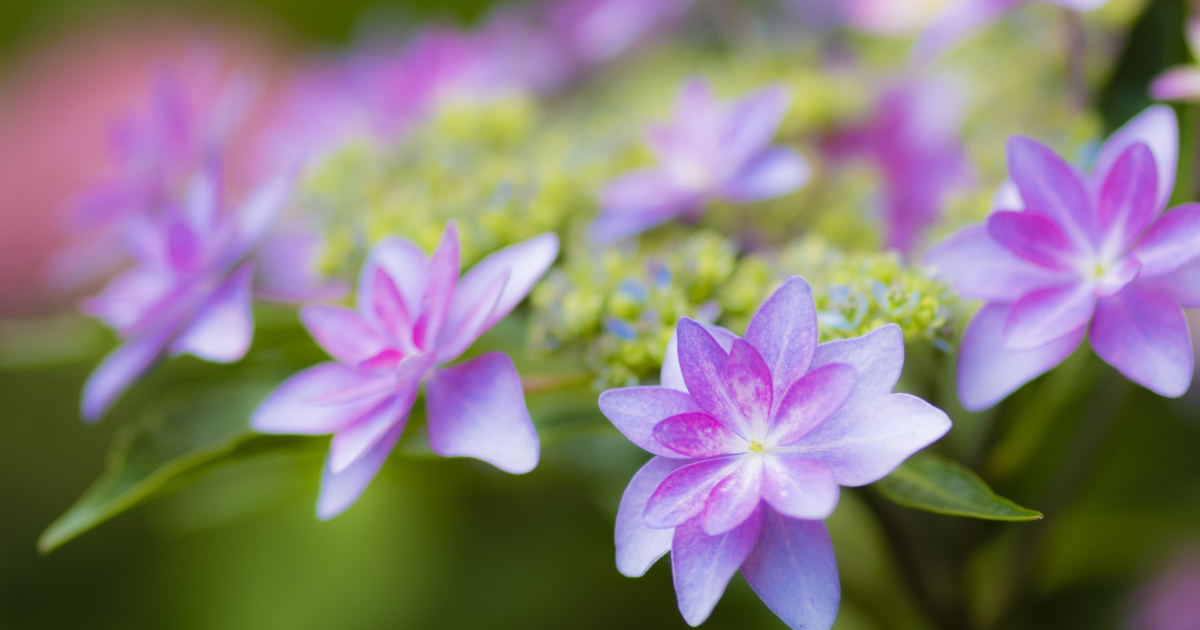
A field of daisies, a row of tulips, a cluster of hydrangea bloomsrepetition creates visual calm. It’s the same reason a tidy bookshelf looks soothing: your brain enjoys patterns.
Settings That Actually Work: My Practical Starting Points
There’s no single “best setting,” but there are reliable starting points that keep you flexible.
For dreamy portraits (soft background, clear subject)
- Mode: Aperture Priority (or Manual if you prefer)
- Aperture: f/2.8–f/5.6 (depending on lens and distance)
- Focus: Single point on the most important detail (often the stamen/pistil area)
- Tip: Watch your shutter speed; raise ISO if needed
For detail studies (more in focus, crisp texture)
- Aperture: f/8–f/11 as a common “sweet spot” range
- Support: Tripod helps a lot
- Tip: Use a 2-second timer or remote to reduce shake
For “everything sharp” close-ups (when physics says “good luck”)
At high magnification, depth of field becomes razor thin. This is where focus stacking can save you: take several images at slightly different focus distances and blend them in editing. It’s not cheatingit’s basically negotiating with reality.
Flowers Are Tiny Ecosystems: Add Meaning with Pollinators and Detail
A peaceful flower photo can still have energy. One of the easiest ways to add story is to include the quiet workers: bees, butterflies, beetles, hummingbirdsany pollinator visiting for nectar or pollen. Even if you don’t photograph the insect, thinking about the flower as a living part of a system changes how you frame it.
A quick anatomy trick for stronger focus decisions
If you know the basic partspetals, sepals, stamens, pistilyou can choose focus with intention. For many blooms, focusing on the reproductive structures (the center details) makes the image feel grounded and sharp where it matters.
Garden and Wildflower Etiquette: Peaceful Photos, Respectful Feet
Part of photographing a peaceful world is not wrecking it. Botanical gardens and conservatories often have specific rules about tripods, flash, drones, and where you can stand. Policies vary, so treat every location as its own universe.
- Stay on paths and keep gear out of beds.
- Don’t pick flowers or move plants for “a better angle.”
- Be mindful of tripodsmany places allow them with restrictions; some prohibit them.
- Skip bulky flash setups where they’re not allowed, and respect “no drone” rules.
When you work with the space instead of against it, you’ll find compositions you’d never see if you were busy trying to bulldoze your way to “the perfect shot.”
Editing: Keeping the Calm Without Turning Flowers into Candy
Editing is where peaceful photos can accidentally become loud. My approach is simple: enhance what the scene felt like, not what a highlighter marker wishes it looked like.
My gentle edit checklist
- White balance: keep it natural; avoid “orange fog” or “blue ice rink”
- Highlights: pull them back to restore petal detail
- Shadows: lift slightly, but keep depth
- Vibrance over saturation: vibrance boosts muted colors more gently
- Sharpening: apply carefully; avoid crunchy edges
- Crop with purpose: remove distractions, strengthen the subject
A Mini Shot List: 10 Peaceful Flower Frames to Try
- Single bloom portrait: one flower, clean background, eye-level angle
- Backlit petals: shoot toward soft light to reveal translucence
- Dew detail: early morning droplets, shallow depth of field
- Color harmony: find two tones that “agree” (lavender + green, peach + cream)
- Repetition: a field or cluster creating a calming pattern
- Negative space: small flower in a large quiet frame
- Macro texture: pollen, veins, petal edges
- Flower + pollinator: subtle action, gentle storytelling
- Silhouette: a simple bloom shape against bright sky
- Seasonal context: fallen petals in autumn, fresh buds in spring
Field Notes: of Real-World Flower-Chasing
The most peaceful flower photos I’ve made didn’t happen when I “went hunting for a masterpiece.” They happened when I gave myself permission to slow down and be curiouslike I was taking a walk, not chasing a deadline.
One morning, I showed up early to a garden with the goal of photographing roses. I had a mental image: perfect bloom, perfect light, perfect bokeh. Naturally, the first rose I found was half-closed, slightly tilted, and surrounded by leaves that looked like they were auditioning for “Most Distracting Supporting Actor.” The old me would’ve moved on, annoyed. The calmer meolder, wiser, and honestly a little tiredstayed put and watched.
As the sun climbed, the light shifted from flat to gentle. The rose didn’t change much, but the mood did. A breeze came through, and instead of fighting it, I started timing my shots to the pauses between movement. That tiny rhythmwind, stillness, wind, stillnessforced me into patience. It turned the whole session into a kind of breathing exercise with a camera attached.
Later, I noticed a patch of small wildflowers near the edge of the path. They were the kind most people step past without noticing. But they had this soft, unbothered look, like they were quietly thriving without needing applause. I got low, framed them against a darker background of foliage, and suddenly they looked like a tiny constellation. The “peace” wasn’t in the flower aloneit was in the simplicity of the scene: a few shapes, gentle light, and nothing else demanding attention.
Another day, I tried photographing tulips after a rain. I expected sparkle and drama. What I got was mud, dripping leaves, and petals that clung together like they were cold. But that’s when I realized something: peaceful doesn’t always mean bright and perfect. Sometimes it’s moody. Sometimes it’s quiet resilience. I focused on the water droplets and the subtle gradients in color, and the photos ended up feeling more honest than the sunny-day versions.
The biggest lesson? The camera doesn’t create peaceyou do. The moment you stop rushing, stop forcing, and start listening to the light, flowers become more than a subject. They become a pace-setter. And once you match that pace, your images look calmer because you were calmer when you made them.
Conclusion
Photographing flowers is a practice in attention. It’s learning to see small details as big stories, to treat light like a gentle tool, and to approach nature with respect instead of entitlement. If you want images that feel peaceful, don’t just chase pretty petalsbuild a process that’s slower, kinder, and more intentional. The calm shows up in the frame.