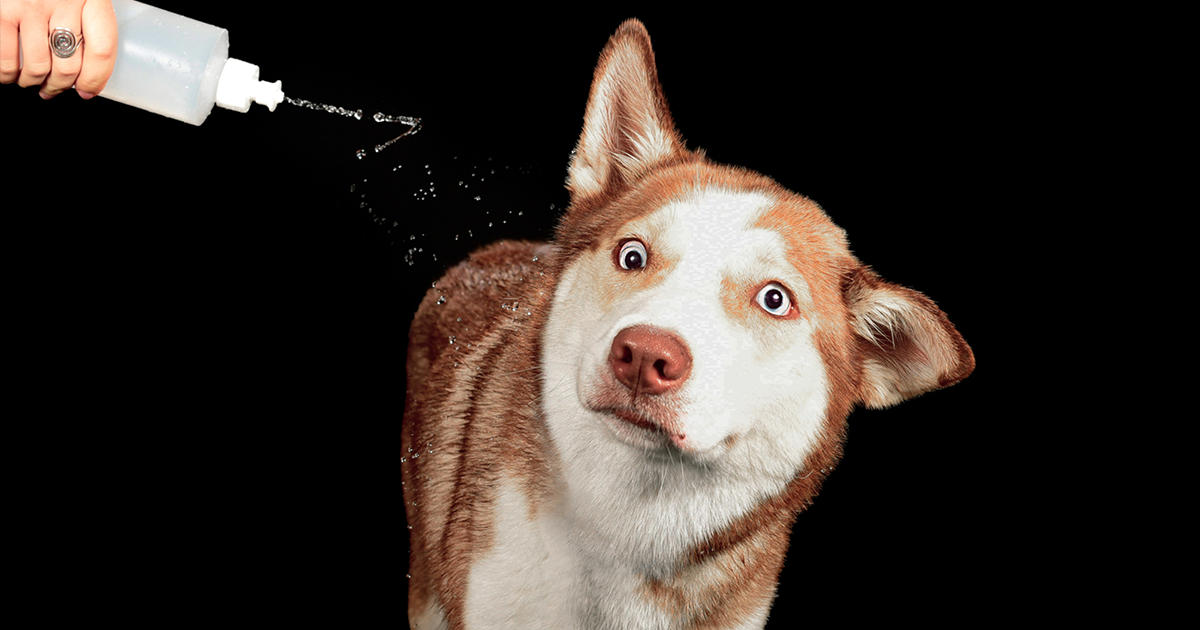
There are few things in life more joyful than a dog discovering that water is not just for drinking, but for launching a full-scale splash opera. Give a happy pup a sprinkler, a hose, a kiddie pool, or a lake with decent manners, and suddenly you are no longer a photographer. You are a sports reporter, a weather correspondent, and an unpaid assistant to chaos.
This photo series started as a simple attempt to capture dogs cooling off on a hot day. It quickly turned into something much better: a study in motion, trust, comic timing, and the wonderfully unfiltered way dogs experience the world. Some eased into the water like tiny aristocrats testing a hotel spa. Others flew in with the confidence of action heroes who had never once paid an insurance premium. Every frame delivered a different kind of delight.
What makes dogs playing with water so irresistible on camera is the combination of movement and emotion. You get flying ears, suspended droplets, ridiculous grins, surprise, bravery, confusion, and the occasional look that says, “I meant to do that.” Beneath the fun, there is also a deeper story: water play can be enriching and cooling when it is done safely, gradually, and with the dog’s comfort in mind. That balance shaped this entire shoot.
Why Dogs and Water Make Such Great Photo Subjects
Photographing dogs in water is pure visual candy. Splashing water catches the light, turns ordinary movement into dramatic action, and gives even a backyard moment the energy of a blockbuster trailer. A dog running through spray is never just running through spray. On camera, it becomes a freeze-frame of personality.
Water also changes the way dogs move. Some leap higher. Some paw at the spray like they are trying to arrest it. Some bite at droplets with intense seriousness, as if they have finally located the invisible enemy humanity refused to address. For a photographer, these reactions are gold because they are spontaneous. They cannot be faked without looking fake.
I also love how water strips away stiffness. Dogs do not “pose” when they are having a great time. They commit. That means the images feel alive, not staged. The best frames come from letting the dog explore, keeping the environment safe, and being ready when the magic happens. In practical terms, that means shooting low, focusing on the eyes, working in bursts, and accepting that you may take one hundred images to get the one where the splash, expression, and body position all agree to cooperate at the same time.
The result is a gallery that feels playful on the surface, but surprisingly expressive underneath. These are not just dog photos. They are little portraits of curiosity, courage, nonsense, and summer joy.
The 13 Photos


What I Learned While Photographing Dogs Playing With Water
The first lesson was simple: never assume every dog wants the same kind of water fun. Some dogs are born splash comedians. Others prefer to negotiate from a dry patch of grass. A good shoot begins with patience, not pressure. If a dog wanted to start by getting only its paws wet, that was the plan. If a dog looked overwhelmed, we backed off. The best photos came when the dog felt in control of the experience.
Safety shaped everything. I avoided deep water unless the dog was confident, supervised, and equipped for it. In any pool setting, I made sure the dog had an obvious way out, such as steps or a ramp, because the fun disappears fast if the exit is confusing. For open water or boat-adjacent scenes, a properly fitted canine life jacket was non-negotiable. It is one of those rare safety measures that is both responsible and photogenic.
Heat mattered just as much as the water. Dogs can overdo outdoor fun with astonishing speed, especially when excitement drowns out common sense, which it usually does. So we built in shade breaks, offered fresh drinking water constantly, and kept sessions short and upbeat. I also paid attention to surfaces. A cool splash pad is wonderful; scorching pavement is not.
Cleanliness and location mattered more than people think. I avoided stagnant water, skipped anything that looked questionable, and rinsed dogs off after pool or beach sessions. A cute photo is not worth itchy skin, chemical residue, or a surprise veterinary visit. Water play should leave you with great images, not a cautionary tale.
From a photography standpoint, this kind of shoot rewards preparation and humility. You can control your exposure, your angle, and your timing. You cannot control a wet dog deciding that your lens hood looks suspicious. I shot in bursts, stayed low to the ground, and tried to keep focus on the eyes whenever possible. That eye contact is what turns an action shot into a portrait. The splash gets attention, but the expression gives the image a heartbeat.
I also learned that background matters. A busy yard can make a great moment feel messy, while a clean frame lets the motion stand out. Water is already visually dramatic, so the rest of the scene should not compete. A simple fence line, open lawn, or bright patch of sky does more work than people realize.
Most of all, I learned that dogs do not need much direction to be extraordinary on camera. They only need an environment where they feel safe, curious, and free to play. Once that happens, the photographs practically introduce themselves.
Behind the Splash: on the Experience
Photographing dogs playing with water turned out to be one of the happiest and most unpredictable projects I have ever done. I went into it thinking I would capture movement. I came out of it feeling like I had documented personality in its purest form. Water has this magical ability to reveal a dog’s mood almost instantly. The cautious dogs become visible in the way they test the edge of a puddle. The bold dogs announce themselves by cannonballing into the middle of the scene like they paid for premium entrance. And the funny dogs, which is to say nearly all of them, find a way to create expressions no human actor could reproduce on purpose.
One of the most memorable parts of the experience was how different each dog was within the first few minutes. Some loved the sprinkler but hated the hose. Some loved shallow water but had zero interest in swimming. One dog spent the entire session trying to bite the stream of water with intense professional dedication, like this was not recreation but a contractual obligation. Another dog would sprint through the spray, freeze dramatically, and then look over its shoulder as if waiting for applause. I was happy to provide it.
The sound of the shoot was unforgettable too. There was the hiss of water, the slap of paws on wet grass, the occasional squeak of a toy, and the constant soundtrack of human laughter from everyone nearby. That last part matters. A good dog photo session is rarely quiet because joy is noisy. You cannot watch a dog discover the glory of a splash pad without smiling. It feels impossible. Even the dogs that were hesitant at first often relaxed once they realized nothing bad was happening and everything smelled vaguely like adventure.
There were challenges, of course. Cameras and water have a famously complicated relationship. Timing is also brutal. A perfect splash lasts a fraction of a second, and the best facial expression may happen just before or just after it. I had to accept that this kind of photography is not about controlling every variable. It is about anticipating behavior, staying ready, and firing at exactly the right moment while hoping your subject does not suddenly sprint straight at your knees. Sometimes they do. That is part of the charm.
What surprised me most was how emotional some of the quieter images felt. Yes, the dramatic jumping shots are fun. Yes, the airborne droplets look great. But some of my favorite moments were the softer ones: a senior dog resting its paws in cool water under a tree, a rescue dog slowly building confidence, a tired pup lying in wet grass after ten glorious minutes of nonsense. Those images reminded me that dogs do not experience water play as content. They experience it as sensation, relief, curiosity, and trust. Capturing that honestly felt more rewarding than getting the biggest splash.
By the end of the project, I was soaked, my camera bag looked like it had survived weather, and my memory cards were full of flying ears and liquid confetti. I would do it again in a heartbeat. Photographing dogs playing with water is messy, funny, technical, exhausting, and completely worth it. It is one of the rare subjects that gives you action, beauty, comedy, and tenderness all at once. In other words, it is a photographer’s dream dressed as a wet dog.
Final Thoughts
I Photographed Dogs Playing With Water (13 Pics) is about more than cute summer snapshots. It is about catching those split seconds when instinct, freedom, and play collide. The best images in this series came from respecting the dogs first and chasing the drama second. That order matters.
If you are planning your own dog photography session, let the dogs set the tone, keep the environment safe, and treat every splash like it might become the frame. Sometimes the best pet photography tip is also the simplest: watch closely, laugh often, and be ready. Dogs rarely repeat a perfect moment, but they are generous enough to give you another ridiculous one a second later.
Note: Replace the 13 placeholder image file names with your final dog-water photos before publishing.