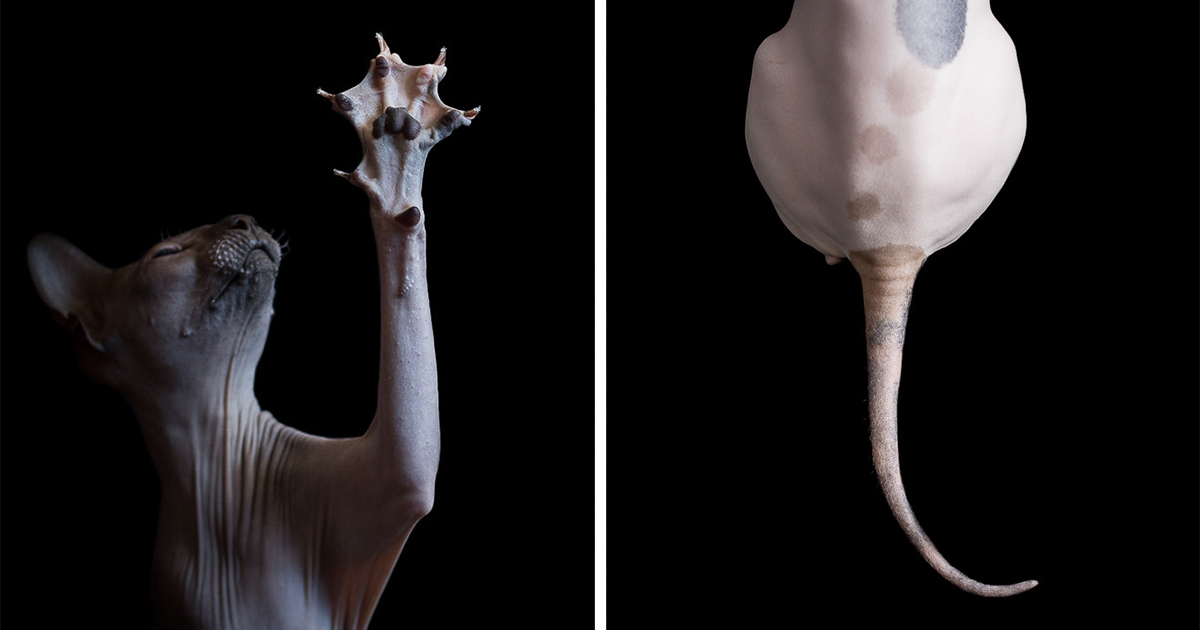
Some cats enter a room like royalty. A Sphynx cat enters like a tiny alien emperor who just remembered you owe him rent. Wrinkled, warm, expressive, and gloriously hairless, the Sphynx is one of the most visually fascinating subjects a photographer can meet. Photographing hairless Sphynx cats is not simply about capturing a “weird-looking cat.” It is about studying texture, personality, vulnerability, confidence, and that strange little spark that makes people say, “I don’t know what I’m looking at, but I love it.”
The Sphynx cat has become famous for its unusual appearance, but the breed is far more than a novelty. These cats are known for being social, intelligent, affectionate, playful, and deeply attached to their humans. Their bodies may be nearly hairless, but their personalities arrive wearing a feather boa, sunglasses, and a marching band. For photographers, that combination is irresistible. A Sphynx gives you sculpture, comedy, drama, elegance, and mischiefsometimes in the same frame.
This article explores why Sphynx cat photography is so compelling, how their unique look changes the way we see feline beauty, and what it takes to photograph them respectfully, safely, and beautifully.
The Odd Beauty of the Sphynx Cat
At first glance, the Sphynx seems to challenge every traditional idea of what makes a cat beautiful. There is no fluffy tail, no luxurious mane, no soft cloud of fur glowing in the afternoon sun. Instead, there is skin: warm, folded, patterned, suede-like, and alive with detail. There are oversized ears, lemon-shaped eyes, defined cheekbones, long toes, and a body that looks both ancient and futuristic.
That is exactly what makes the breed so powerful in front of a camera. Fur often softens a cat’s shape. With a Sphynx, nothing is hidden. Every curve becomes part of the portrait. The muscles along the shoulders show when the cat stretches. The folds around the neck create shadows like fabric. The ears form bold triangles that frame the face. The eyes, unobstructed by fluff, become the emotional center of the image.
Beauty Without the Usual Costume
Photographing a hairless cat forces both photographer and viewer to reconsider beauty. We are used to admiring softness in animals. The Sphynx offers something more direct. Its beauty is architectural. It has lines, angles, wrinkles, and negative space. It is not conventionally cute in the greeting-card sense, although many Sphynx cats are absolutely adorable. Their appeal is deeper and stranger. They look like creatures from a myth who somehow learned how to sit on a heated blanket and demand snacks.
When photographed thoughtfully, the Sphynx becomes elegant rather than shocking. A close-up of the face reveals delicate whisker pads, expressive eyes, and the subtle fuzz that may cover the skin. A side profile can look like a bronze statue. A curled sleeping pose can resemble a soft, living sculpture. The oddness is not a flaw. It is the doorway.
Understanding the Breed Before Picking Up the Camera
Good pet photography begins before the shutter clicks. With Sphynx cats, understanding the breed matters even more because their care needs affect the photo session. They are medium-sized cats with strong bodies, broad ears, and a coat that may appear hairless but can include a fine down. Their skin can come in many colors and patterns, meaning a “naked” cat may still show markings similar to a furred cat.
Sphynx cats are also famously people-oriented. Many enjoy attention, conversation, play, and physical closeness. That sociable nature can make them wonderful subjects. It can also make them delightfully unhelpful. A Sphynx may walk toward the lens, climb onto the backdrop, inspect the light stand, or sit directly on your notes with the confidence of a tiny project manager.
The Cat Is Not a Prop
The most important rule of Sphynx cat photography is simple: the cat is not a prop. A Sphynx is sensitive to temperature, sun exposure, stress, and overhandling. Because the breed lacks a protective fur coat, photographers must think about warmth, skin comfort, and session length. A chilly studio is not just inconvenient; it can make the cat uncomfortable. Direct sunlight may look dramatic, but it can be risky for hairless skin. Rough surfaces, scratchy fabrics, or strong fragrances can irritate sensitive skin.
The best portraits come from cooperation, not control. Give the cat time to explore. Let the owner stay close. Keep the room warm. Use soft, clean blankets. Avoid forcing poses. If the Sphynx wants a break, the Sphynx gets a break. Anyone who disagrees may take it up with the cat’s legal department, which is probably located under the couch.
Why Sphynx Cats Are Incredible Photography Subjects
Sphynx cats bring rare visual drama to pet portraits. Their skin reflects light differently from fur. Their wrinkles create natural shadows. Their ears and eyes exaggerate expression. Their paws, tails, and posture give the photographer endless opportunities for composition.
A fluffy cat often photographs as a soft shape with eyes. A Sphynx photographs like a character. Sitting upright, it may look regal. Peeking from a blanket, it may look vulnerable. Stretching in a patch of soft light, it may look like a dancer. Yawning with all teeth visible, it may look like a theatrical goblin having a big Monday.
Texture Becomes the Story
Texture is one of the great joys of hairless cat photography. The folds between the shoulders, the soft lines around the forehead, the almost velvety look of the skin, and the contrast between smooth body and sharp claws all create depth. Black-and-white photography can emphasize this beautifully, turning the Sphynx into a study of form and shadow. Color photography, meanwhile, reveals subtle tones: pink, gray, cream, lavender, chocolate, or patterned patches that might surprise people who assume all Sphynx cats look the same.
For close-up portraits, the eyes should usually be the focus. A Sphynx’s eyes are large, alert, and emotionally rich. A small catchlight can transform the image from flat to alive. Because the face has such strong structure, even a slight turn of the head changes the entire mood. Looking straight into the lens, the cat may seem bold. Looking upward, it becomes curious. Looking away, it becomes mysterious. Looking at a treat, it becomes extremely employed.
Lighting Hairless Sphynx Cats
Lighting is where the Sphynx becomes especially interesting. Their skin can show highlights quickly, so harsh light may create shiny spots or overly dramatic shadows. Soft, diffused light is often the safest starting point. A large window, a softbox, or bounced light can flatter the skin while still revealing texture.
Side lighting can be beautiful when used carefully. It brings out wrinkles and muscle tone, creating a sculptural effect. Backlighting can outline those huge ears and elegant body lines. A subtle rim light can separate the cat from the background, especially if the skin tone is close to the backdrop color.
Use Light to Celebrate, Not Exaggerate
The goal is not to make the Sphynx look bizarre for clicks. The goal is to honor what is already visually extraordinary. Overly hard lighting can turn wrinkles into caricature. Over-editing can make the skin look plastic or unhealthy. A respectful portrait keeps the cat looking real. That means preserving natural texture while avoiding edits that make the subject seem like a joke.
For darker Sphynx cats, separation from the background matters. A dark gray cat on a black backdrop can look dramatic, but without a rim light or shallow depth of field, details may disappear. For pale Sphynx cats, a white background can work, but a cream, taupe, charcoal, or muted pastel backdrop may give the skin more dimension.
Composition: From Alien Chic to Fine Art
Composition turns an interesting cat into a memorable photograph. The Sphynx already has unusual proportions, so simple framing often works best. A tight portrait can highlight eyes, ears, and forehead wrinkles. A full-body shot can show the long tail, muscular stance, and elegant paws. A three-quarter angle often balances personality with form.
Getting low to the cat’s eye level creates intimacy. Shooting from slightly above can emphasize the eyes and ears. A profile view can make the Sphynx look noble and ancient. A close crop of the face can feel editorial, especially if the eyes are sharp and the background is clean.
Let Negative Space Do Some Work
Because the Sphynx silhouette is so distinctive, negative space can be powerful. A cat sitting alone against a plain background may look like a museum piece. Place the cat slightly off-center, leave room in the direction it is looking, and the image gains tension. The viewer begins to wonder what caught the cat’s attention. A ghost? A moth? The sound of one treat bag opening three rooms away? The mystery remains.
Props should be used carefully. Blankets, stools, warm cushions, sculptural chairs, and textured fabrics can support the image without distracting from the cat. Costumes are risky. A soft sweater may be practical for warmth, but the portrait should not reduce the cat to a gimmick. The Sphynx is already visually unforgettable. It does not need a pirate hat unless the cat personally requested one, preferably in writing.
Health, Comfort, and Ethical Sphynx Photography
Sphynx cats require special care. Their skin can accumulate oils because there is no full coat to absorb them. Many need regular bathing or gentle wiping, along with ear cleaning, nail care, and protection from cold or direct sun. They may also be associated with certain health concerns, including hypertrophic cardiomyopathy, a common heart disease in cats that appears more often in some breeds.
For a photographer, this knowledge changes the session. Surfaces should be clean. The room should be warm. Breaks should be frequent. The cat should have water, a safe hiding place, and access to the owner. Avoid strong perfumes, dusty fabrics, and hot lights placed too close. If using treats, ask the owner first. If using flash, introduce it gradually and watch for stress signals.
Signs the Cat Needs a Pause
A Sphynx that suddenly hides, flattens its ears, flicks its tail, crouches low, avoids eye contact, pants, or repeatedly tries to escape is not being “difficult.” It is communicating. A good photographer listens. Some cats settle after a quiet break. Others are finished for the day. The best image is never worth frightening an animal.
Ethical pet photography also means avoiding harmful trends. Hairless breeds already attract attention online, and attention can sometimes encourage extreme breeding or irresponsible ownership. A thoughtful photographer should celebrate healthy, well-cared-for catsnot promote the idea that animals exist only for unusual appearances. Odd beauty is still beauty, and beauty deserves respect.
Editing Sphynx Cat Photos Without Losing the Truth
Editing Sphynx portraits requires restraint. Their skin naturally has folds, marks, pores, and tonal variation. Removing every wrinkle would be like photographing the Grand Canyon and smoothing it into a parking lot. The details are the point.
Basic adjustments may include exposure correction, white balance, contrast, sharpening around the eyes, and gentle background cleanup. Skin should remain believable. If a temporary scratch, dust spot, or distracting lint mark appears, it is fair to remove it. But natural lines, color patterns, and texture should stay. A Sphynx portrait should feel polished, not airbrushed into another species.
Color or Black and White?
Color works beautifully when the skin tone, eyes, and backdrop create harmony. Green or gold eyes against warm pink-gray skin can be stunning. Black and white works when shape and emotion matter more than color. It can make the cat look timeless, almost like a classic portrait of an old Hollywood star who happens to enjoy sitting in laundry baskets.
The best choice depends on the mood. For playful images, color often wins. For dramatic studies of texture and form, black and white can be extraordinary. Try both, but let the cat’s expression decide.
What Photographing Sphynx Cats Teaches About Beauty
Photographing Sphynx cats has taught me that beauty is not always soft, symmetrical, or immediately familiar. Sometimes beauty is wrinkled. Sometimes it has giant ears. Sometimes it looks directly into your lens with the confidence of a creature who knows you are merely renting space in its universe.
The Sphynx asks viewers to slow down. The first reaction may be surprise, but the second is curiosity. The third is often affection. Once people notice the warmth in the eyes, the graceful shape of the body, and the tenderness of a cat curled into a blanket, the “oddness” becomes part of the charm. It is not something to overcome. It is the signature.
Personal Experiences Photographing Hairless Sphynx Cats
The first time I photographed a Sphynx cat, I made the classic mistake of thinking the session would be simple because there was no fur to groom. This was adorable of me. Within five minutes, the cat had inspected my camera bag, attempted to climb inside a reflector, and sat on the exact piece of fabric I had just lint-rolled. He looked at me as if to say, “You may continue when I approve the set design.”
What surprised me most was the warmth. When a Sphynx brushes against your arm, it does not feel like touching an ordinary cat. It feels like a small living hot-water bottle with opinions. That physical warmth changed how I photographed him. I stopped thinking of him as strange and started thinking of him as intimate. The lack of fur made every pose feel more personal. A curled paw, a folded neck, a sleepy blinkeach detail seemed more exposed.
During one session, I used a charcoal-gray backdrop and a large softbox placed slightly to the side. The cat, a pale pink-and-cream Sphynx with huge green eyes, refused to sit on the small velvet stool prepared for him. Instead, he climbed into the owner’s sweater, leaving only his head and ears visible. At first, I thought the shot was ruined. Then I looked through the lens. The folds of the sweater echoed the folds of his skin, and his eyes had a perfect catchlight. The image became one of my favorites because it showed the real Sphynx personality: bold, needy, warm-seeking, and completely uninterested in my artistic plan.
Another memorable subject was a darker Sphynx with a muscular body and a face that looked permanently unimpressed. He was not afraid of the camera, but he was deeply suspicious of the feather toy. Every time the owner waved it, he stared at her like she had personally insulted his ancestors. The breakthrough came when we stopped trying to make him playful. I switched to a low angle, used a simple black background, and waited. He sat tall, turned his head toward the light, and suddenly looked majestic. The resulting portrait felt less like a pet photo and more like a royal painting. The lesson was obvious: do not force a cat’s personality into your shot list. Let the cat tell you who it is.
I have also learned that Sphynx photography rewards patience more than speed. You may get a hilarious frame in the first minute, but the soulful images often come later, after the cat has explored, warmed up, and decided you are not a threat. Some of the best portraits happen during pauses: the cat resting on a blanket, leaning into the owner’s hand, blinking slowly, or stretching after a nap. These quiet moments reveal the softness behind the unusual appearance.
Editing these images also taught me restraint. Early on, I was tempted to smooth skin too much. Then I realized I was removing the very thing that made the portraits honest. The wrinkles, small color shifts, and natural texture are not imperfections. They are biography. They tell you this is a living creature, not a porcelain figurine. Now I edit Sphynx portraits the way I would edit an expressive human face: with care, respect, and a refusal to erase character.
Most of all, photographing hairless Sphynx cats has changed how I define “cute.” Cute can be fluffy, yes. But cute can also be a wrinkled cat tucked under a blanket like a tiny retired wizard. Cute can be a dramatic profile, a ridiculous yawn, a suspicious squint, or a paw placed gently on a camera strap. Their odd beauty is not a novelty that fades after the first look. It grows more interesting the longer you pay attention.
Conclusion
To photograph hairless Sphynx cats is to explore a kind of beauty that refuses to be ordinary. These cats are sculptural, affectionate, funny, intense, and visually unforgettable. Their hairless bodies reveal form and texture in ways that challenge traditional pet photography, while their expressive personalities keep every session unpredictable.
The best Sphynx cat portraits do not mock their strangeness. They honor it. They show the warmth beneath the wrinkles, the elegance behind the oversized ears, and the personality glowing through those enormous eyes. In a world full of polished, predictable images, the Sphynx reminds us that beauty can be odd, honest, dramatic, and delightfully alive.