Note: This article is an original, SEO-friendly feature inspired by real squirrel photography, urban wildlife behavior, and responsible nature-watching practices.
Some friendships begin with a handshake. Some begin with a text message. Mine began with a tiny woodland acrobat staring at me like I owed it rent, snacks, and possibly a formal apology.
That was the day I became friends with a squirrel.
At first, I thought I was simply taking a few nature photos. You know, the harmless kind: a blurry tail here, a suspicious eye there, one majestic leap that looked less like a wildlife documentary and more like a potato being launched from a catapult. But the more I returned to the same park, the more this squirrel started to appearnot just as a background extra, but as the star of the show.
Over time, our meetings turned into a full-blown photo series: 70 funny squirrel photos documenting a tiny friendship between a human with a camera and a squirrel with the confidence of a celebrity arriving late to brunch. The result was part wildlife photography, part comedy show, and part reminder that the most delightful stories often happen when we slow down long enough to notice the small creatures living beside us.
How a Squirrel Became the Funniest Model in the Park
Squirrels are natural performers, though they would probably prefer to be called “independent snack consultants.” They climb, leap, freeze mid-panic, pose with flowers, clutch food like priceless treasure, and occasionally stare directly into the camera with the expression of someone who has just discovered online banking.
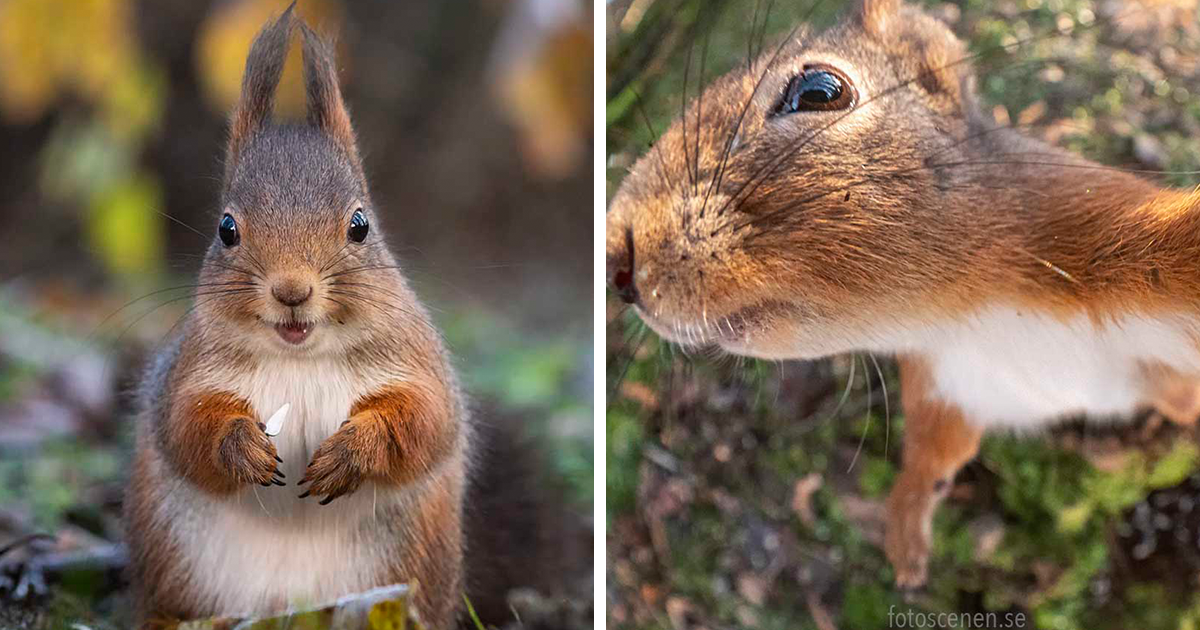
The squirrel in my photo series had all the qualities of a great model: expressive eyes, dramatic paws, excellent balance, and zero respect for my schedule. Some days, it appeared within minutes. Other days, I waited so long that I started questioning my life choices and whether squirrels had developed calendar apps just to avoid me.
But patience is the secret ingredient in funny squirrel photography. The best moments are rarely planned. A squirrel sniffing a flower can look like a romantic poet. A squirrel holding a nut can look like a tiny CEO guarding company assets. A squirrel standing upright can look like it has just remembered it left the stove on.
Why Squirrels Are So Surprisingly Photogenic
Squirrels are photogenic because they are never emotionally neutral. They are always doing something with intensity. Eating? Intense. Listening? Intense. Digging? Intense. Looking at a leaf? Somehow also intense.
Part of their charm comes from their body language. Eastern gray squirrels and other tree squirrels communicate through sounds, posture, and tail movements. A flicking tail can signal alertness, irritation, or a general announcement that the neighborhood drama has escalated. Their quick movements and expressive pauses create the kind of visual timing that photographers dream about.
They are also wonderfully relatable. Squirrels spend much of their time searching for food, hiding food, forgetting where they put food, and acting suspicious when anyone else gets near their food. In other words, they are basically people during the holiday season.
The Comedy of 70 Squirrel Photos
A 70-photo squirrel series may sound excessive until you realize that squirrels contain at least 70 personalities. There is the elegant squirrel, the suspicious squirrel, the snack thief, the flower appreciator, the professional climber, the tiny philosopher, the dramatic actor, and the squirrel who looks like it has just received shocking gossip from a sparrow.
Some photos became funny because of the pose. Others became funny because of the timing. A paw raised at the perfect second can look like a royal wave. A nut held close to the chest can look like a squirrel protecting its emotional support almond. A sideways glance can suggest betrayal, judgment, or a very serious disagreement about acorn storage policies.
The magic of funny animal photos is that they invite human interpretation without needing to force it. A squirrel does not know it looks like it is giving a motivational speech. It simply stands on a stump, checks the area for danger, and accidentally becomes a tiny life coach.
Urban Wildlife Is Closer Than We Think
One reason this story resonates is that squirrels are familiar. They live in parks, yards, campuses, gardens, and city neighborhoods across much of the United States. They are wild animals, but they have adapted remarkably well to human-shaped landscapes.
That familiarity can make us overlook them. We pass squirrels on sidewalks and barely glance up from our phones. Yet when we observe them closely, they reveal a miniature world of strategy, communication, memory, competition, and personality.
Squirrels are not just cute background decoration. They are seed dispersers, climbers, problem-solvers, and professional food managers. When they bury nuts and seeds, some are later recovered, while others may sprout into new plants. Their forgetfulness, if we can call it that, is sometimes a gift to the forest.
The Clever Side of Squirrel Behavior
Behind every funny squirrel photo is a surprisingly clever animal. Many squirrels are scatter hoarders, meaning they bury food in many different places instead of storing everything in one pantry. This helps them survive when food becomes scarce, but it also creates a problem: other squirrels are watching.
That is where things get wonderfully sneaky. Squirrels have been observed using deceptive caching behaviors, such as pretending to bury food in one place while keeping it in their mouth and hiding it elsewhere. Imagine a tiny spy movie, but everyone is fuzzy and the stolen goods are walnuts.
Research on fox squirrels has also suggested that they may organize stored nuts by type, quality, or preference, using a strategy similar to “chunking.” In human terms, that means the squirrel’s brain might be running a filing system while mine is still trying to remember where I put my keys.
Responsible Squirrel Photography: Cute, But Still Wild
There is one important point hiding behind the cuteness: squirrels are wild animals, not pets. A good wildlife photo should never come at the expense of the animal’s safety or natural behavior.
The best approach is simple. Keep a respectful distance. Use a zoom lens when possible. Avoid chasing, grabbing, cornering, or startling the animal. Never force a pose. Never treat a squirrel like a prop. And as tempting as it may be to create a perfect snack-based photo setup, avoid making wild animals dependent on people for food.
Wildlife organizations generally advise that squirrels do not need routine feeding from humans. If you want to support backyard wildlife, clean water and habitat-friendly landscaping are often better choices than handing out snacks like a tiny woodland cafeteria.
What Makes a Squirrel “Friendship” Feel Real?
When people say they became friends with a squirrel, they usually do not mean the squirrel came over for coffee and shared emotional boundaries. They mean trust developed through repeated, calm encounters.
The squirrel learned that I was not a threat. I learned its routines, favorite perches, cautious pauses, and dramatic exits. Over time, the distance between us felt less like fear and more like mutual tolerance with excellent lighting.
That is the beauty of observing wildlife. You do not need to own it, touch it, or control it to feel connected. Sometimes friendship is simply showing up quietly, respecting another creature’s space, and letting it be itself.
Funny Photo Moments That Tell a Bigger Story
The Flower Pose
One of the most charming types of squirrel photos is the “stop and smell the flowers” moment. A squirrel near a blossom can look like it is composing a love poem. In reality, it may be investigating texture, scent, or food potential. Still, the image feels whimsical because it turns an ordinary animal into a storybook character.
The Nut Negotiation
A squirrel holding a nut is never just holding a nut. It is calculating risk, distance, storage options, and whether another squirrel is planning grand theft acorn. The photo may look adorable, but the squirrel is running a high-level security operation.
The Judgment Stare
Every squirrel photographer eventually captures the stare. You know the one. The squirrel freezes, looks directly into the lens, and seems to say, “I see what you are doing, large slow mammal.” It is funny because the expression feels so human, even though the squirrel is probably just assessing whether to flee.
The Dramatic Exit
No squirrel friendship is complete without sudden abandonment. One second your model is there. The next second it has launched itself up a tree, across a fence, or into a shrub with the urgency of someone late for a meeting. These blurry exit shots may not win technical awards, but they capture the truth: squirrels are chaos with tails.
Why People Love Funny Squirrel Photos
Funny squirrel photos work because they combine cuteness, surprise, and personality. They give viewers a harmless little burst of joy. In a world full of heavy headlines, a squirrel looking like it is hosting a press conference can feel like emotional first aid.
They also remind us that nature is not always distant or dramatic. Wildlife does not only exist in national parks, mountain ranges, or glossy documentaries. Sometimes it is three feet from a walking path, burying a peanut with the seriousness of a banker managing offshore accounts.
That accessibility makes squirrel photography especially appealing. You do not need to travel across the world to notice beauty. You can find it in your local park, your backyard, or the tree outside your apartmentpreferably before the squirrel finds your bird feeder.
Photography Tips for Capturing Funny Squirrel Pictures
If you want to photograph squirrels, start by watching before shooting. Learn where they travel, where they pause, and which trees or benches they use. Squirrels are creatures of habit, and patient observation will improve your photos more than frantic chasing ever will.
Use natural light when possible. Early morning and late afternoon often produce softer, warmer images. Get low to the ground for a more intimate perspective, but do it calmly. A squirrel photographed at eye level often looks more expressive than one photographed from above.
Fast shutter speeds help freeze motion, especially when squirrels leap or dart across open space. But do not delete every imperfect shot. Some of the funniest photos come from awkward timing: half a jump, one paw in the air, cheeks full, tail exploding in every direction like a feather duster with opinions.
Most importantly, let the squirrel lead the session. The goal is not to control wildlife. The goal is to be ready when wildlife does something wonderfully ridiculous on its own.
The Friendship Behind the Lens
The best part of this project was not simply getting 70 funny squirrel photos. It was learning to pay attention. I began noticing seasonal changes: thicker fur in colder months, busy caching behavior in fall, territorial little squabbles, alert calls, favorite branches, and the way sunlight changes the mood of the same familiar spot.
The squirrel became a tiny guide to the park. Because of it, I noticed moss, flowers, tree bark, bird calls, and the quiet routines of an ecosystem that had been there all along. I went looking for comedy and found connection.
That is what makes the story worth telling. The squirrel photos are funny, yes. But behind the humor is a gentle reminder: when we give attention to the natural world, it gives us stories in return.
Extra Experience: What I Learned From Befriending a Squirrel With a Camera
Spending time with a squirrel taught me more about patience than any productivity book ever has. A productivity book tells you to wake up early, make lists, and optimize your morning. A squirrel tells you to stand very still for 40 minutes while it decides whether a leaf is suspicious. Strangely, the squirrel’s method worked better.
At the beginning, I wanted perfect photos. I imagined crisp portraits, charming poses, and the kind of images that make people say, “Wow, nature is magical.” What I actually got were photos of a tail vanishing behind a tree, a blurry gray streak, and one masterpiece in which the squirrel’s face was completely hidden by a twig. Wildlife photography has a way of humbling you before breakfast.
But the failures became part of the fun. I learned that every visit had its own mood. On sunny days, the squirrel seemed bolder, hopping between patches of light like a tiny stage performer. On windy days, every moving leaf became a potential scandal. After rain, the park smelled fresh, the bark looked darker, and the squirrel moved with extra caution, as if the whole world had become a slippery kitchen floor.
I also learned to stop rushing. If the squirrel disappeared, I waited. If it stayed hidden, I photographed the setting instead: the branch it liked, the flowers it ignored, the stump it used as a lookout tower. That habit changed the project. The story was no longer just about one animal; it became about a place, a rhythm, and the small rituals of returning.
There were funny little patterns, too. The squirrel had favorite escape routes. It preferred certain perches. It sometimes paused in exactly the same spot, giving me the same over-the-shoulder look, as if renewing my photography license with mild reluctance. I started recognizing poses before they happened. When it crouched low, a sprint was coming. When it sat upright, a dramatic portrait was possible. When it froze with a nut, I had approximately two seconds before it transformed into a furry rocket.
The experience also changed how I think about “cute” wildlife content. Cute photos are wonderful, but they should not turn animals into accessories. The squirrel was funniest when it was completely itself. I did not need costumes, forced setups, or risky closeness. Its natural behavior was already better than anything I could invent. No human comedy writer could improve on a squirrel holding a nut like it had just won a legal settlement.
By the end of the series, I had more than photos. I had a record of attention. Seventy images became seventy small reminders to look closer, laugh more easily, and respect the wild neighbors who share our parks and yards. The friendship was not about ownership. It was about familiarity, trust, and the joy of meeting the same tiny creature again and againeach time hoping it would do something adorable, and each time being completely unprepared for how funny it actually was.
Conclusion
“I Became Friends With A Squirrel And Documented Our Friendship With Funny Photos (70 Pics)” is more than a cute animal story. It is a celebration of patience, observation, humor, and the unexpected personalities of urban wildlife. Squirrels may be common, but common does not mean boring. Watch one long enough and you will find a climber, a thief, a comedian, a gardener, a strategist, and a tiny model who works only on its own terms.
The real lesson is simple: nature does not always need to be rare to be remarkable. Sometimes wonder is sitting on a park bench, holding an acorn, staring into your camera like it has just reviewed your tax return.