Knitted blankets are the comfort food of home decor: soft, cozy, slightly dramatic, and somehow always exactly where the cat wants to sleep. Whether you own a chunky knit throw, a handmade wool blanket, a cotton baby blanket, or an acrylic couch companion, knowing how to wash knitted blankets the right way can help protect the stitches, preserve softness, and prevent the dreaded laundry tragedy known as “Why is this now doll-sized?”
The challenge is that knitted blankets are not all made the same. A machine-washable acrylic knit can usually handle more laundry-day action than a delicate merino wool blanket. A cotton knitted throw may tolerate gentle machine washing, while a handmade wool heirloom might prefer the spa treatment: cool water, mild detergent, no twisting, and a peaceful flat-dry session on clean towels.
This guide breaks the process into 11 simple steps, with practical tips for washing, drying, stain removal, odor control, and long-term care. The goal is simple: clean your blanket without shrinking, stretching, pilling, felting, or turning your cozy masterpiece into a lumpy noodle.
Before You Wash: Know What Kind of Knitted Blanket You Have
Before water enters the chat, identify the blanket’s fiber. The material determines the safest washing method. Wool, cashmere, alpaca, and mohair are more delicate and often need hand washing or professional cleaning. Cotton, linen, bamboo, acrylic, polyester, and many synthetic blends are usually easier to wash, though they still benefit from gentle handling.
If your blanket has a care tag, treat it like the instruction manual for a tiny, fuzzy spaceship. It may tell you whether the blanket is machine washable, hand-wash only, dry-clean only, or tumble-dry safe. If there is no label, choose the gentlest method: hand wash in cool water, use a mild detergent, press out moisture, and dry flat.
How to Wash Knitted Blankets: 11 Steps
Step 1: Read the Care Label First
The care label is your best friend, even if it speaks in mysterious little symbols. Look for instructions about water temperature, washing method, bleach, drying, ironing, and dry cleaning. If the label says “dry clean only,” do not test your luck unless you enjoy suspenseful laundry. Take the blanket to a professional cleaner, especially if it is wool, cashmere, antique, heavily embellished, or emotionally priceless.
If the label says machine wash, continue with caution. “Machine washable” does not mean “throw it in with jeans, towels, and reckless optimism.” Knitted fabric can stretch, snag, or pill when exposed to rough agitation, heavy loads, or high heat.
Step 2: Check for Loose Threads, Holes, or Snags
Spread the knitted blanket on a clean bed or table and inspect it before washing. Look for pulled loops, loose yarn ends, weak seams, or small holes. Washing can make existing damage worse, especially in chunky knit blankets where large loops can catch and stretch.
If you find a loose end, do not cut it immediately. Cutting can cause unraveling. Instead, gently tuck the yarn back into the surrounding stitches with your fingers or a blunt tapestry needle. For holes or fragile handmade pieces, mend the blanket before washing or ask someone experienced with knitting repairs to help.
Step 3: Shake Out Dust, Crumbs, and Pet Hair
Take the blanket outside and give it a gentle shake. This removes surface dust, lint, crumbs, and pet hair before they meet water and become clingy little laundry barnacles. For wool blankets, you can also use a soft garment brush, brushing in one direction to lift surface debris without roughing up the fibers.
If the blanket is covered in pet hair, use a lint roller or a clean rubber glove before washing. Too much hair in the machine can cling to the knit, clog filters, and create a laundry situation that feels personal.
Step 4: Spot Treat Stains Gently
For small stains, spot cleaning may be enough. Mix a small amount of gentle detergent with cool water. Dip a clean white cloth into the solution and dab the stained area. Avoid scrubbing aggressively because friction can cause pilling or distortion. For wool, use a wool-safe detergent and blot rather than rub.
Common stains need different handling. For food stains, remove any solid bits first, then dab from the outside of the stain toward the center. For coffee or tea, blot immediately with cool water. For oily stains, use a tiny amount of mild detergent and give it time to loosen the oil before rinsing. Never use chlorine bleach on knitted blankets unless the care label specifically says it is safe, which is rare.
Step 5: Decide Between Hand Washing and Machine Washing
Hand washing is the safest choice for wool, cashmere, alpaca, mohair, delicate handmade blankets, loose knits, and blankets without a care label. It gives you control over water temperature, soaking time, and movement. The blanket gets clean without being tossed around like it accidentally joined a spin class.
Machine washing can work for many cotton, acrylic, polyester, and superwash wool blankets, as long as the label allows it. Use a front-loading washer if possible, because it is usually gentler than a top-loader with a central agitator. For large or heavy blankets, make sure your washer has enough room. A tightly packed machine will not clean well and may stretch the blanket unevenly.
Step 6: Use Cool or Cold Water
Cold water is usually the safest choice when washing knitted blankets. Heat can shrink natural fibers, fade colors, weaken elasticity, and encourage felting in wool. Felting happens when wool fibers lock together, turning soft stitches into a dense, shrunken fabric. Great for craft projects, terrible for your favorite blanket.
Cool water also helps protect bright or dark colors. If your knitted blanket is red, navy, black, or richly dyed, wash it separately the first time. Better yet, test for color bleeding by dabbing a hidden area with a damp white cloth. If color transfers, wash the blanket alone.
Step 7: Choose a Mild Detergent
Use a gentle detergent designed for delicates, wool, or sensitive fabrics. A small amount is enough. More detergent does not mean more clean; it often means more residue. Residue can make a knitted blanket feel stiff, attract dirt, and require extra rinsing.
For wool blankets, choose a wool-safe wash. Some wool detergents are formulated to help preserve softness and reduce harsh stripping of natural fibers. Avoid enzyme-heavy detergents on delicate animal fibers unless the product label says it is suitable for wool. Avoid chlorine bleach, harsh stain removers, and heavy fragrance boosters. Your blanket should smell fresh, not like it lost a fight with a perfume counter.
Step 8: Hand Wash with a Gentle Soak
To hand-wash a knitted blanket, fill a clean bathtub, sink, or large basin with cool water. Add a small amount of mild detergent and mix it into the water before adding the blanket. Submerge the blanket gently and press it down so the fibers absorb the soapy water.
Let it soak for about 10 to 20 minutes, depending on how dirty it is. Gently press the blanket through the water. Do not twist, scrub, or wring it. If you need to move the blanket, support its weight with both hands. Wet knitted fabric can become heavy, and pulling one corner can stretch the stitches.
Drain the soapy water and refill the basin with cool clean water. Press the blanket gently to rinse. Repeat until the water runs mostly clear and the blanket no longer feels slippery with detergent.
Step 9: Machine Wash on the Delicate Cycle When Allowed
If the care label allows machine washing, place the blanket in a large mesh laundry bag if it fits. This helps reduce snagging and friction. If the blanket is too big for a bag, wash it alone or with similar soft items. Do not wash knitted blankets with jeans, towels, hooks, zippers, or anything that behaves like a tiny fabric villain.
Select cold water, a delicate or gentle cycle, and a low spin speed. Use a small amount of mild detergent. If your washer has an extra rinse option, consider using it to remove detergent residue. For oversized blankets, use a large-capacity washer or a laundromat machine, but avoid overcrowding. The blanket should move freely enough to get clean without being stretched or tangled.
Step 10: Remove Water Without Wringing
After washing, resist the urge to twist the blanket. Wringing can stretch stitches, distort edges, and leave the blanket looking like it has been through an emotional journey. Instead, press out water gently.
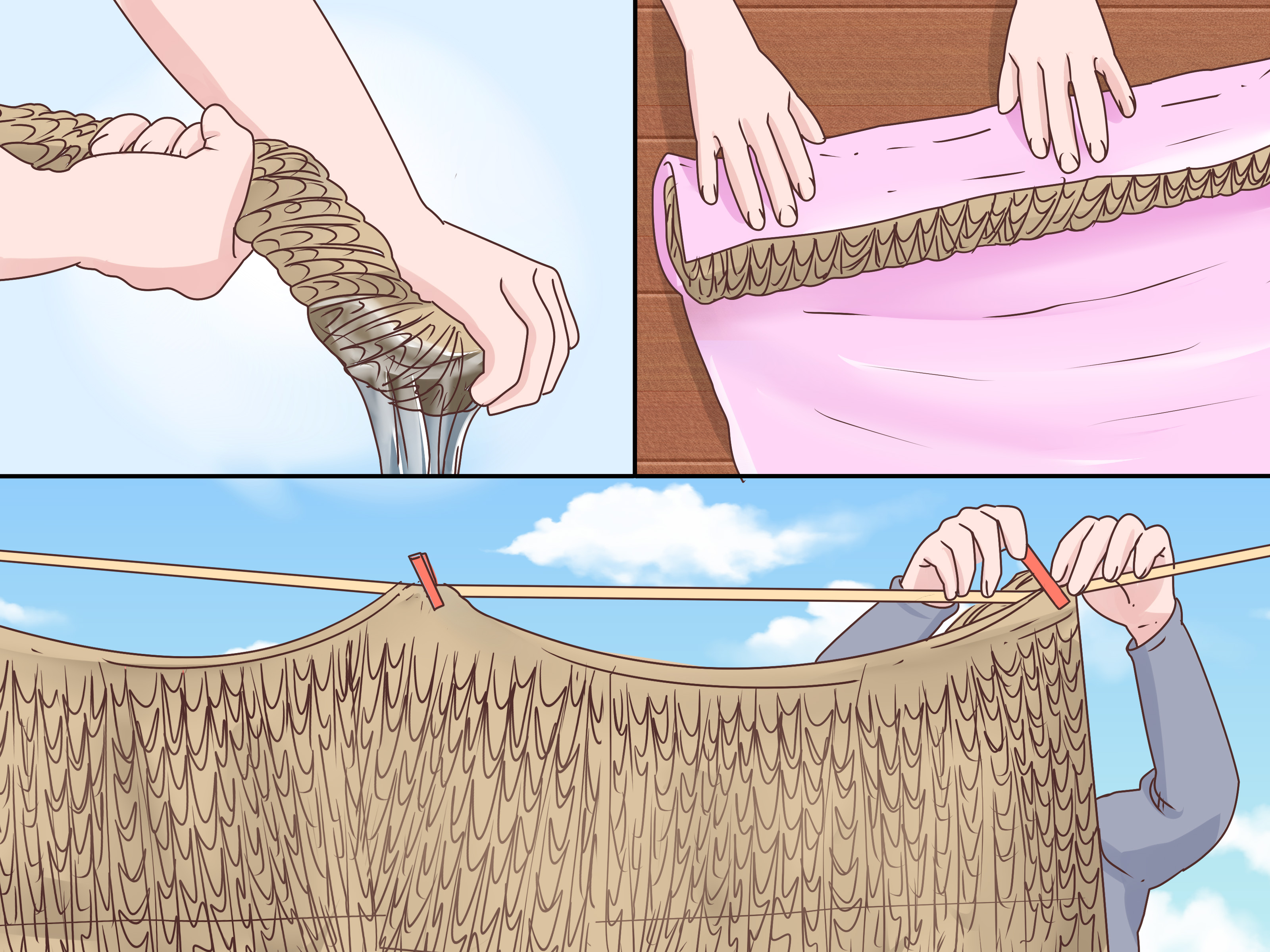
For hand-washed blankets, drain the basin and press the blanket against the side to release moisture. Then lay it flat on a clean, dry towel. Roll the towel and blanket together like a soft burrito and press down lightly. The towel will absorb extra water. For large blankets, you may need two or three towels. This step shortens drying time without damaging the knit structure.
Step 11: Dry the Blanket Flat
Flat drying is the safest drying method for most knitted blankets. Lay the blanket on clean dry towels or a breathable drying rack. Reshape the edges, smooth the stitches, and adjust the corners so the blanket dries in its proper shape. Keep it away from direct sunlight, radiators, and high heat.
Some synthetic or cotton knitted blankets may be tumble dried on low heat if the care label allows it, but air drying is still safer for preserving shape. Wool and delicate handmade blankets should usually stay out of the dryer. High heat can shrink fibers, create pilling, and turn a relaxed blanket into a stiff little regret.
How Often Should You Wash a Knitted Blanket?
How often you wash a knitted blanket depends on how you use it. A decorative throw that lives on the back of a chair may only need washing every few months. A blanket used daily on the couch may need cleaning every month or two. A baby blanket, pet blanket, or blanket used during illness may need more frequent washing.
However, washing too often can wear down fibers. Between washes, refresh your blanket by airing it outside in shade, brushing away lint, spot cleaning small stains, or using a fabric-safe steamer if the fiber allows it. Think of full washing as the deep-clean option, not the automatic response to every crumb.
Special Care by Blanket Material
Wool Knitted Blankets
Wool is warm, breathable, and naturally odor resistant, but it can shrink or felt if washed with hot water, rough agitation, or high heat. Hand wash wool knitted blankets in cool water with wool-safe detergent unless the label says otherwise. Dry flat and reshape while damp.
Acrylic Knitted Blankets
Acrylic is common in machine-washable knitted blankets because it is affordable, soft, and generally durable. Wash acrylic blankets in cold water on a gentle cycle and dry flat or tumble dry low only if the label allows it. Avoid high heat, which can damage synthetic fibers and increase static.
Cotton Knitted Blankets
Cotton knitted blankets are often easier to wash, but they can still stretch when wet. Use cold or cool water, mild detergent, and a gentle cycle. Reshape the blanket before drying. Cotton may take longer to dry than synthetic fibers, so give it plenty of airflow.
Chunky Knit Blankets
Chunky knit blankets need extra care because the large loops can stretch, snag, and distort. Many chunky blankets are made from merino wool, chenille, acrylic, or polyester yarn. Always check the label. When in doubt, spot clean or hand wash gently, then dry flat with strong support underneath.
Common Mistakes to Avoid
The biggest mistake is using hot water. Hot water may feel like a deep-clean shortcut, but it can shrink wool, fade colors, and weaken delicate fibers. Another common mistake is using too much detergent. Knitted fabric can hold onto soap, leaving the blanket stiff or dull.
Do not hang a wet knitted blanket from a clothesline. Wet knits are heavy, and gravity is not known for its kindness. Hanging can stretch the blanket lengthwise and create shoulder-like bumps along the edge. Also avoid rough scrubbing, heavy spin cycles, chlorine bleach, and high dryer heat.
How to Keep Knitted Blankets Soft After Washing
Softness starts with gentle washing. Use mild detergent, rinse thoroughly, and avoid heat. If the blanket feels stiff after drying, detergent residue may be the problem. The next time you wash it, use less detergent and add an extra rinse.
For acrylic or polyester blankets, a short low-heat tumble may help fluff the fibers if the care label allows it. For wool, gently brushing after drying can refresh the surface. Never use a harsh brush or aggressive motion. You are grooming a blanket, not sanding a deck.
Experience Notes: What Actually Works in Real Life
After washing many knitted blankets, the most useful lesson is this: slow laundry is good laundry. The blankets that come out best are the ones treated with patience. Rushing usually leads to stretching, soap residue, or that odd crunchy texture that makes you wonder if the blanket has developed opinions.
One practical habit is to wash knitted blankets on a day when you have enough drying space. A large blanket can take a long time to dry flat, especially cotton or chunky yarn. If you start the process at night and need the dining table back by breakfast, you may find yourself negotiating with a damp blanket at 7 a.m. Instead, wash early in the day, lay the blanket flat near good airflow, and flip it after several hours if the fiber and stitch pattern allow.
Another experience-based tip: use less detergent than you think. Many people pour detergent as if they are fueling a lawn mower. Knitted blankets do not need that much. Too much soap is harder to rinse out, and leftover residue can make the blanket feel less soft. A small amount of gentle detergent is usually enough for normal body oils, dust, and everyday use.
For pet owners, remove hair before washing. This one step saves frustration. A lint roller, rubber glove, or pet-hair brush can remove a surprising amount of fur. If you skip it, the washer may simply redistribute the hair in a new and artistic pattern. Your blanket will technically be clean, but it may still look like your dog signed it.
For handmade blankets, take photos before washing. This may sound dramatic, but it helps you reshape the blanket later. Handmade knits can have special borders, scalloped edges, or decorative stitch patterns. A quick photo gives you a reference when the blanket is wet and floppy. After washing, reshape it gently to match its original proportions.
If you are washing a blanket for the first time, test a small corner. Check for color bleeding, texture changes, and how the yarn reacts to water. Some novelty yarns become heavier, fuzzier, or more delicate when wet. Testing helps you avoid surprises.
Finally, storage matters as much as washing. Make sure the blanket is completely dry before folding it. Even slightly damp fibers can develop musty smells. Store knitted blankets folded in a breathable cotton bag or on a clean shelf. Avoid compressing them under heavy items for months, especially chunky knits, because the stitches can flatten. Add a lavender sachet or cedar block nearby if you like a fresh scent, but keep it from touching delicate fibers directly.
The best experience-based advice is simple: treat a knitted blanket like something made from loops, not like a regular sheet. Support it when wet, avoid heat, avoid twisting, and give it room to dry. Do that, and your blanket can stay soft, cozy, and couch-ready for years.
Conclusion
Learning how to wash knitted blankets is mostly about respecting the yarn. Check the care label, identify the fiber, use cold water, choose mild detergent, avoid rough agitation, and dry flat whenever possible. Hand washing is safest for delicate wool, cashmere, alpaca, and handmade blankets, while many acrylic, cotton, and synthetic knits can handle a gentle machine cycle.
A clean knitted blanket should feel fresh, soft, and familiarnot smaller, rougher, or mysteriously shaped like a potato chip. With the right care, your favorite knit throw can survive movie nights, winter naps, pet cuddles, snack accidents, and many cozy seasons ahead.