Walking is one of those everyday things we do so often that we forget it has a personality. Some people march like they are late for court. Some float like they have background music only they can hear. And some walk like their shoes are personally offended by the sidewalk.
If you want to learn how to walk in a more feminine way, the goal is not to become a cartoon, copy someone else’s body, or transform every grocery run into a runway show. A feminine walk is usually associated with softness, balance, elegance, lightness, rhythm, and confidence. It can be graceful without being dramatic, relaxed without being sloppy, and expressive without screaming, “I practiced this in the hallway for 47 minutes.” Even if you did. No judgment.
This guide breaks down five essential strategies for developing a more feminine walking style while still protecting your posture, joints, balance, and personal comfort. Whether you are exploring your presentation, preparing for dance or performance, improving your body language, or simply wanting to move with more poise, these tips will help you create a walk that feels natural, polished, and authentically yours.
What Makes a Walk Look More Feminine?
A more feminine walk is not about forcing your body into an exaggerated shape. In real life, femininity in movement often comes from small, coordinated details: upright posture, relaxed shoulders, gentle arm movement, controlled steps, smooth weight transfer, and a calm facial expression. Think less “beauty pageant robot” and more “person who knows where they are going and has already moisturized.”
From a movement perspective, an elegant walk depends on alignment. Your head, shoulders, spine, pelvis, knees, and feet all work together. When one area becomes stiff or overactive, the whole walk can look tense. When your body is balanced, your movement becomes smoother. A feminine walking style usually looks softer because there is less stomping, less upper-body stiffness, and more fluid rhythm through the hips, legs, and arms.
Before practicing, remember one important rule: comfort comes first. If a walking technique causes pain in your feet, hips, knees, back, or neck, stop and adjust. A graceful walk should not feel like you are negotiating with your skeleton.
Strategy 1: Improve Your Posture Before You Change Your Steps
Stand Tall Without Looking Stiff
Posture is the foundation of a feminine walk. If your posture collapses, even the most carefully placed steps can look uncertain. Start by standing tall with your head lifted, chin parallel to the floor, and eyes looking forward instead of down at your feet. Imagine a string gently lifting the crown of your head upward. This simple cue lengthens your spine without making you look rigid.
Your shoulders should rest down and slightly back, not hunched toward your ears. A common mistake is trying to look elegant by yanking the shoulders too far backward. That creates a military-style chest thrust, which is not exactly “soft feminine energy.” Instead, think of opening the collarbones gently. Your chest should feel lifted but relaxed.
Engage Your Core Lightly
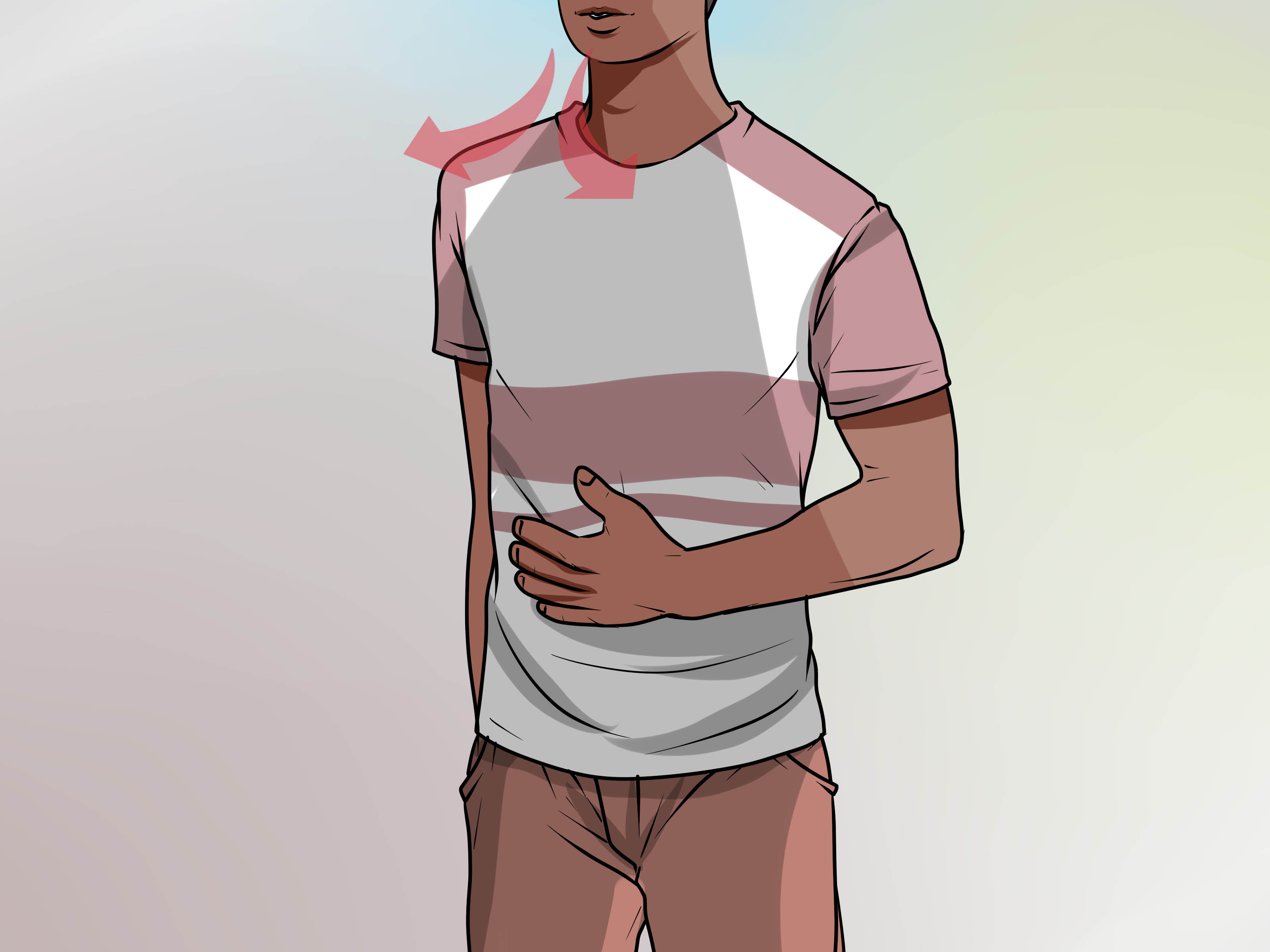
A feminine walk often looks graceful because the body appears controlled. That control comes from the core, not from clenching everything like you just heard your boss say, “Can we talk?” Lightly engage your abdominal muscles as if you are zipping up snug jeans. You should still be able to breathe comfortably.
A gentle core engagement helps stabilize your pelvis and spine. It also prevents excessive swaying or collapsing through the lower back. The goal is not to hold your stomach in all day. The goal is to create enough support that your steps look smooth and intentional.
Practice the Wall Check
Try this quick posture exercise: stand with your back near a wall. Let the back of your head, shoulder blades, and hips gently align. Keep your knees soft, not locked. Step away from the wall while keeping that tall, open feeling. This teaches your body what upright posture feels like before you start walking.
Strategy 2: Shorten Your Stride and Soften Your Footsteps
Take Smaller, More Controlled Steps
One of the easiest ways to make your walk look more feminine is to shorten your stride. Long, heavy steps often read as forceful or rushed. Smaller steps create a more delicate rhythm and make your movement look more controlled.
This does not mean shuffling. A feminine walk still moves forward with purpose. Think “measured” rather than “tiny.” Your steps should be comfortable and natural, with each foot landing under or slightly in front of your body. If your front foot lands too far ahead, you may overstride, which can make your walk look heavy and place extra stress on your joints.
Use a Smooth Heel-to-Toe Roll
For most flat or low-heeled shoes, practice landing gently on the heel, rolling through the middle of the foot, and pushing off through the toes. This creates a smooth, quiet step. Avoid slapping the foot down or stomping. If your walk sounds like a horse entering a marble lobby, soften the landing.
Try walking across a room while making as little noise as possible. This is not sneaking; this is elegance with a volume control. Quiet walking encourages lighter foot placement, better balance, and more graceful movement.
Keep Your Feet Slightly Closer Together
A feminine walk often has a narrower step width than a broad, athletic stride. You do not need to walk on a tightrope, but placing each foot slightly closer to your center line can create a more graceful silhouette. Imagine there is a straight line in front of you, and your feet are landing near that line rather than far apart.
Do not force your feet to cross dramatically unless you are modeling on a runway. That can look theatrical and may reduce balance. For daily walking, aim for a natural, slightly narrow path that still feels stable.
Strategy 3: Let the Hips Move Naturally, Not Excessively
Understand the Difference Between Fluid and Forced
Many people assume a feminine walk is all about hip movement. Yes, the hips matter, but the secret is subtlety. Natural hip motion happens when you shift weight from one leg to the other. If you relax your knees, shorten your stride, and keep your steps slightly narrower, your hips will usually move on their own.
The mistake is exaggerating the sway. Overdoing hip movement can look unnatural, strain your lower back, and make walking feel like a full-time acting job. A more feminine walk should look effortless. If you feel like you are steering your hips manually, turn the drama dial down by about 40 percent.
Shift Weight Smoothly
Practice standing with your feet hip-width apart. Shift your weight gently to your right foot, then to your left foot. Notice how your pelvis responds naturally. Now take slow steps forward while keeping that smooth side-to-side transfer. Your hips should follow the movement, not lead it like they have their own publicist.
Good hip movement depends on mobility and strength. Tight hips can make your walk look stiff, while weak hip stabilizers can make it look wobbly. Gentle stretching, glute bridges, side steps, and balance exercises can help your hips support a graceful stride.
Keep the Pelvis Neutral
A neutral pelvis means you are not arching your lower back dramatically or tucking your hips under too aggressively. Both extremes can interfere with fluid walking. Imagine your pelvis as a bowl of water. As you walk, try not to spill the water forward, backward, or side to side. This mental image helps keep your movement controlled and elegant.
Strategy 4: Relax Your Arms, Hands, Shoulders, and Face
Let Your Arms Swing Softly
Arms are often the forgotten ingredient in a feminine walk. You can have perfect steps, but if your arms are stiff at your sides like uncooked spaghetti, the whole look becomes tense. Let your arms swing naturally from the shoulders with a slight bend at the elbows.
Keep the movement small and relaxed. Your arms should not slice across your body or pump aggressively unless you are power walking, chasing a bus, or escaping a group project. For a more feminine walking style, the arm swing is softer, closer to the body, and coordinated with the opposite leg.
Soften Your Hands
Hands can reveal tension quickly. Avoid clenched fists, rigid fingers, or overly posed hands. Let your fingers curve naturally. Imagine holding something delicate, like a flower stem or a very expensive iced coffee. This creates softness without looking fake.
If you carry a bag, avoid letting it pull one shoulder down. Switch sides occasionally or use a comfortable strap. A heavy bag can ruin posture faster than a surprise phone call from an unknown number.
Relax Your Face and Neck
A feminine walk is not only below the waist. Your expression matters. Keep your jaw relaxed, your gaze forward, and your neck long. You do not need to smile constantly; this is a walk, not a toothpaste commercial. But a calm, pleasant expression can make your movement appear more confident and approachable.
Try walking while breathing slowly through your nose. Relax the tongue from the roof of your mouth. Drop unnecessary tension from your forehead and jaw. When your face softens, your body often follows.
Strategy 5: Practice With Shoes, Clothing, Rhythm, and Confidence
Choose Shoes That Support the Walk You Want
Your shoes can dramatically affect your walk. Supportive flats, low heels, loafers, sandals with secure straps, and comfortable boots all create different movement patterns. If you are practicing a more feminine walk, start with shoes you can control easily. Do not begin with sky-high heels unless your personal goal is to meet the floor at surprising speed.
Low to moderate heels can naturally shorten the stride and change posture, but they also require balance and ankle control. Practice gradually. Walk on flat surfaces first. Keep your steps small. Make sure the shoes fit well and do not pinch, slip, or force your toes into a legal dispute.
Use Clothing as Feedback
Clothing can help you understand movement. A skirt, dress, long coat, or wide-leg pants may make you more aware of stride length and hip motion. However, do not let clothing force you into uncomfortable movement. The best feminine walk works with your outfit, not against it.
If you are practicing at home, try walking in different outfits and noticing how each one changes your posture. A fitted blazer may encourage upright shoulders. A flowing skirt may encourage smoother steps. A pair of jeans that absolutely refuses to cooperate may encourage emotional growth.
Practice With Rhythm
Walking is rhythmic. Put on music with a moderate tempo and practice stepping lightly to the beat. Avoid rushing. A feminine walk often has a steady, unhurried rhythm. You can practice walking down a hallway, turning around, and walking back while keeping your head up, shoulders relaxed, and steps even.
Another useful drill is the “pause and glide.” Walk five steps, pause naturally with your weight on one leg, then continue. This helps you develop balance and prevents frantic movement. The more comfortable you become with pauses, the more confident your walk will look.
Common Mistakes to Avoid When Trying to Walk More Feminine
Overdoing the Hip Sway
A little hip movement can look elegant. Too much can look like you are trying to hypnotize traffic. Let the hips respond naturally to weight shifts instead of pushing them side to side.
Walking Too Slowly
A graceful walk is not a slow-motion scene in a shampoo commercial. If you move too slowly, the walk may look self-conscious. Keep a natural pace, just with softer steps and better posture.
Looking Down Constantly
Looking down makes the neck collapse and reduces confidence. Keep your gaze forward. If you need to check the ground, glance with your eyes rather than dropping your entire head like a disappointed sunflower.
Locking the Knees
Locked knees make walking stiff and can affect balance. Keep your knees soft and responsive. This helps create fluid motion through the legs and hips.
Copying Someone Else Exactly
Inspiration is helpful, but imitation can become awkward. Your height, proportions, flexibility, shoes, and personality all affect your walk. The most attractive feminine walk is one that suits your own body.
Simple Practice Routine for a More Feminine Walk
Here is a quick routine you can practice for 10 minutes a day:
Minute 1-2: Posture Reset
Stand tall, relax your shoulders, lengthen your neck, and lightly engage your core. Take slow breaths and release tension from your jaw and hands.
Minute 3-4: Quiet Steps
Walk across the room as quietly as possible. Focus on soft foot placement and smooth heel-to-toe movement.
Minute 5-6: Narrow Step Path
Imagine a line in front of you. Walk with your feet landing near the line, not far apart. Keep your balance steady and avoid crossing too dramatically.
Minute 7-8: Arm and Hand Softness
Walk while relaxing your fingers and letting your arms swing gently. Keep your shoulders low and your elbows slightly bent.
Minute 9-10: Full Walk Practice
Combine everything: tall posture, soft steps, natural hips, relaxed arms, forward gaze, and steady rhythm. Record a short video if you feel comfortable. Watch it kindly, not like a courtroom prosecutor.
Real-Life Experience: Learning to Walk More Feminine Without Feeling Awkward
The first time someone practices walking in a more feminine way, it can feel strangely dramatic. You may take three steps across your bedroom and suddenly feel like a reality show camera crew is hiding in the laundry basket. That awkwardness is normal. Any new movement feels unnatural at first because your body is used to its regular habits.
A helpful experience many people discover is that the biggest improvement does not come from “adding” femininity. It comes from removing tension. When the shoulders relax, the stride shortens, and the feet land more softly, the walk instantly looks more graceful. You may realize you were not unfeminine before; you were just rushing, stomping, slouching, or carrying stress in your body like an overstuffed backpack.
One practical approach is to practice in private first. A hallway, bedroom, or quiet sidewalk can become your mini training space. Start by walking normally, then adjust only one thing at a time. On the first pass, focus on posture. On the second, soften the steps. On the third, relax the hands. This prevents overload. Trying to fix posture, hips, knees, arms, chin, breathing, and facial expression all at once can make you walk like a confused mannequin.
Mirrors can help, but they can also make people overly critical. A better method is to record a short video from the front and side, then watch for broad patterns. Are your shoulders hunched? Are your steps too wide? Are your arms stiff? Do you look rushed? Choose one adjustment and practice again. Improvement usually comes from small refinements repeated consistently.
Another real-life lesson is that shoes change everything. A walk that feels elegant in ballet flats may feel completely different in boots or heels. Practice in the footwear you actually plan to wear. If you want to walk more femininely in heels, begin with a low heel and a stable base. Walk slowly, keep your steps smaller, and avoid leaning forward. The goal is to look graceful, not like your ankles are negotiating a peace treaty.
Confidence also grows through repetition. At first, you may feel like everyone is watching. In reality, most people are thinking about their own errands, messages, lunch plans, and whether they left the stove on. The more you practice, the less self-conscious you become. Eventually, the walk stops feeling like a performance and starts feeling like a natural part of your presentation.
The best experience is when the walk becomes yours. Maybe your version is soft and elegant. Maybe it is feminine but brisk. Maybe it is graceful with a little attitude. There is no single correct feminine walk. The point is to move in a way that supports your identity, comfort, and confidence. When your body feels aligned and your energy feels calm, the result is more beautiful than any exaggerated technique.
Conclusion
Learning how to walk in a more feminine way is about developing grace, softness, balance, and confidence through small, intentional changes. Start with posture, then refine your stride, foot placement, hip movement, arm swing, and rhythm. Keep everything subtle. A feminine walk should feel smooth and natural, not forced or painful.
The most important strategy is consistency. Practice for a few minutes each day, pay attention to how your body feels, and make gentle adjustments over time. With patience, your walk can become more elegant, expressive, and comfortable. And remember: true femininity is not about copying a perfect image. It is about moving through the world with confidence, ease, and your own unmistakable presence.