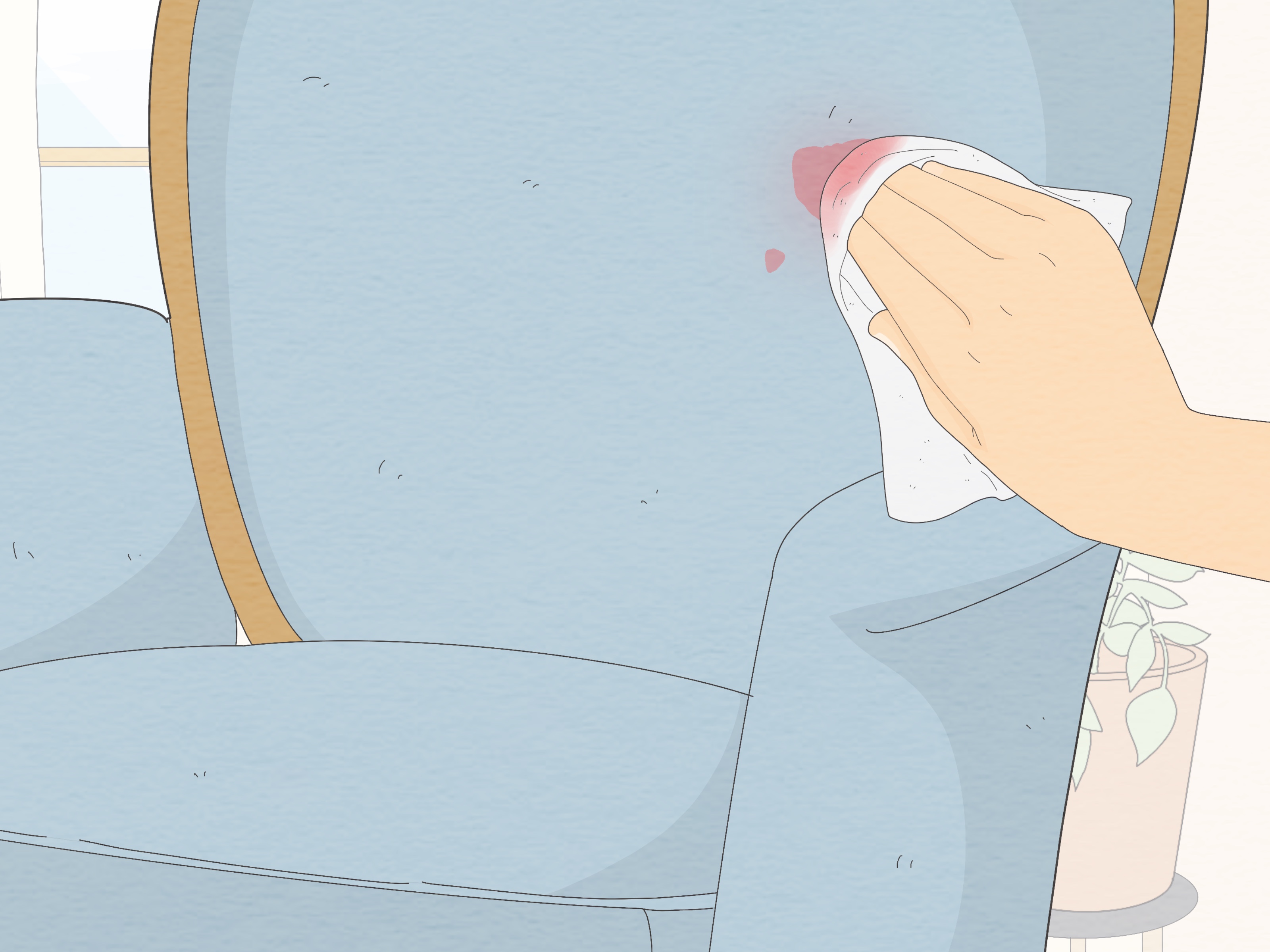
Kool Aid is fun in a glass, dramatic in a pitcher, and absolutely committed to its role as a temporary tattoo when it lands on your skin. One minute you are mixing cherry, grape, or blue raspberry drink powder; the next, your fingers look like you lost a wrestling match with a rainbow. The good news is that Kool Aid stains on skin are usually not permanent. They are caused by concentrated food dyes that cling to the outer layer of the skin, especially around dry patches, fingertips, knuckles, cuticles, and tiny lines in the palms.
The trick is to remove the color without treating your skin like a dirty kitchen counter. Skin is living tissue, not tile. That means no bleach, no harsh solvents, no sandpaper-level scrubbing, and no panic-cleaning until your hands feel raw. A calm, layered approach works best: rinse quickly, wash gently, loosen the dye with safe household products, moisturize, and repeat only as needed.
This guide explains how to remove Kool Aid from skin in 10 practical steps, using common items such as mild soap, baking soda, vinegar, oil, and moisturizer. Whether the stain came from a spilled drink, a craft project, dyed hair experiment, or a child who somehow painted both elbows purple, these methods can help fade the color safely and sensibly.
Why Kool Aid Stains Skin So Easily
Kool Aid drink mixes are famous for bold colors. Those bright reds, blues, purples, oranges, and greens come from food color additives designed to make drinks look cheerful and appetizing. In powder form, the color is especially concentrated. When mixed with a small amount of water, sweat, or natural skin oil, the pigment can grab onto the top layer of skin.
Hands stain more easily than other areas because they have texture. Fingertips, nail edges, dry knuckles, and palm lines give dye more places to settle. If your skin is dry, the stain may look darker because dry skin absorbs color unevenly. If the Kool Aid sat for a while before you washed it off, it may take more than one cleaning round to fade.
Still, Kool Aid stains usually fade naturally as your skin sheds its outer cells. Your job is not to erase your hand like a whiteboard in one aggressive swipe. Your job is to help the color lift without causing irritation.
What You Need Before You Start
Gather a few simple supplies before cleaning. You do not need every item on this list, but having options helps if the stain is stubborn.
- Mild hand soap or gentle body wash
- Clean running water
- Soft washcloth or cotton pad
- Baking soda
- White vinegar
- Baby oil, coconut oil, olive oil, or mineral oil
- Fragrance-free moisturizer or hand cream
- Petroleum jelly for very dry skin
- Disposable gloves for future prevention
Avoid bleach, heavy-duty household cleaners, laundry detergent, ammonia, acetone, and strong disinfectants on skin. Some products can remove dye, but they can also strip oils, trigger burning, or create a rash. Winning against a Kool Aid stain is not worth making your hand angry for three days.
How to Remove Kool Aid from Skin: 10 Steps
Step 1: Rinse the Stain Immediately
Start with clean running water as soon as you notice the Kool Aid stain. Warm or cool water is fine, but avoid hot water. Hot water can dry the skin and may make irritation worse if you start scrubbing. Hold the stained area under the tap and let the water carry away loose powder or sticky drink residue.
If the stain is fresh, this step may do more than you expect. Do not rub hard at first. Just rinse, gently move your fingers over the area, and let the excess color loosen. Fresh Kool Aid powder can smear if you attack it immediately with a towel, so water first is the safer move.
Step 2: Wash with Mild Soap for 20 Seconds
Next, use mild soap and lather the stained area well. Rub the soap over the backs of your hands, between fingers, around nails, and into palm lines. A 20-second wash gives the soap enough time to lift sugar, flavoring, and surface dye. If you are cleaning a child’s hands, turn it into a quick song or silly countdown so they do not bolt from the sink like a tiny stained raccoon.
Rinse thoroughly and check the color. If it has faded, great. If not, do not immediately scrub harder. Repeating gentle steps is better than one dramatic cleaning session that leaves skin red and sore.
Step 3: Pat Dry Instead of Rubbing
After washing, pat the skin dry with a clean towel. Rubbing with a rough towel may remove a little color, but it can also irritate the skin, especially around knuckles and cuticles. Patting keeps a bit of moisture on the surface, which helps when you apply moisturizer later.
This small step matters because dry skin holds stains more stubbornly. If you scrub until your skin is dry and tight, you may make the area look patchier. Gentle drying keeps the cleanup process skin-friendly.
Step 4: Use an Oil to Loosen the Dye
If soap and water are not enough, try oil. Apply a small amount of baby oil, coconut oil, olive oil, or mineral oil to the stained area. Massage it gently for one to two minutes. Oil can help loosen dye trapped in dry skin and around nail edges. It is especially useful when Kool Aid has mixed with sticky sugar or dried around the fingers.
Wipe away the oil with a soft cloth, then wash again with mild soap. This method is gentle and works well for kids, sensitive skin, and stains that are more annoying than severe. It also has the side benefit of making your hands feel less like you have been washing dishes in a desert.
Step 5: Try a Baking Soda Paste for Stubborn Spots
For deeper color around fingertips or palms, make a simple paste with baking soda and water. Mix one teaspoon of baking soda with just enough water to create a soft paste. Rub it lightly over the stained skin using your fingertips or a damp washcloth. Keep the pressure gentle. Baking soda acts as a mild physical exfoliant, which means it helps lift color from the outermost skin cells.
Do not scrub for more than 30 to 60 seconds at a time. Rinse completely. If the skin feels tender, stop and moisturize. Baking soda can be helpful, but more is not always better. You are fading a drink stain, not sanding a deck.
Step 6: Dab with Diluted White Vinegar
White vinegar can help with food dye stains, but it should be used carefully. Mix equal parts white vinegar and water. Dip a soft cloth or cotton pad into the diluted vinegar and dab the stained area. Rub gently for a short time, then rinse well with water.
Do not use vinegar on broken skin, cracked cuticles, scratches, rashes, or irritated areas. Vinegar can sting and may worsen discomfort. If the stain is on a child’s skin, test a tiny area first or skip this step and use oil plus soap instead.
Step 7: Clean Around Fingernails and Cuticles
Kool Aid loves the edges of fingernails. If your hands look mostly clean but your nails still have red or purple borders, use a soft nail brush or a damp washcloth with mild soap. Gently brush under the nail tips and around the cuticles. Keep the movement light and short.
If color remains around the cuticles, apply a tiny amount of oil and let it sit for a few minutes before washing again. Avoid digging with sharp tools. A stained cuticle is temporary; a scraped cuticle is an invitation for irritation.
Step 8: Moisturize After Each Cleaning Round
Every stain-removal attempt should end with moisturizer. Use fragrance-free hand cream, a gentle lotion, or petroleum jelly if the skin is very dry. Apply it while the skin is slightly damp to help seal in moisture.
This step is not just cosmetic. Moisturized skin looks healthier, feels calmer, and sheds stained surface cells more evenly. If you keep washing without moisturizing, the skin may become dry, rough, or itchy, making the stain look worse than it really is.
Step 9: Repeat Gently, Not Aggressively
If the Kool Aid stain is still visible, wait a while before repeating the process. Try another gentle wash later in the day rather than doing five rounds in a row. Most food dye stains fade with time, regular handwashing, and normal skin turnover.
A good routine is: soap and water, oil massage if needed, baking soda paste for stubborn areas, rinse, pat dry, moisturize. If the stain is faint, leave it alone. Sometimes the best stain remover is patience, which is annoying but free.
Step 10: Know When to Stop
Stop cleaning if the skin becomes red, painful, itchy, cracked, swollen, or blistered. A colorful hand is less concerning than irritated skin. If a rash appears, if the area hurts, or if symptoms keep coming back, contact a healthcare professional for advice.
You should also avoid using multiple strong products at once. Do not mix household cleaners on skin. Do not use bleach or disinfecting wipes. Do not use anything that burns. A safe cleanup should feel mild. If it feels like punishment, your skin is voting no.
What Not to Use on Kool Aid Skin Stains
Some online tips sound effective because they are strong. Strong does not automatically mean safe. Your skin has a natural barrier that protects against dryness, bacteria, and irritation. Harsh products can damage that barrier.
Avoid Bleach
Bleach is made for disinfecting surfaces and laundry when properly diluted, not for casual stain removal on skin. It can irritate or burn skin, especially if used undiluted or repeatedly. If Kool Aid stains your hands, bleach is not the hero. It is the villain wearing a cleaning cape.
Avoid Laundry Detergent
Laundry detergent is formulated for fabric, not hands. It may contain enzymes, fragrances, brighteners, and other ingredients that can irritate skin. Use mild hand soap instead.
Avoid Nail Polish Remover
Acetone can remove some dyes, but it is drying and harsh. It is especially risky near cracked skin, children’s hands, or sensitive areas. There are gentler options that do not leave your skin feeling like paper.
Avoid Heavy Scrubbing Tools
Do not use pumice stones, stiff brushes, scouring pads, or abrasive sponges. They may remove surface color, but they can also create tiny scratches and irritation. A soft washcloth is enough.
How to Remove Kool Aid from a Child’s Skin
Children are often the true champions of Kool Aid staining. They spill it, stir it, splash it, and somehow get it behind one ear. For kids, keep the process extra gentle. Start with soap and water, then try oil if needed. Skip vinegar if the child has sensitive skin, eczema, scratches, or complaints of stinging.
Make cleanup quick and calm. A stained hand is not an emergency. If you turn it into a dramatic sink-side investigation, the child may panic or resist. Say something simple like, “The color will fade. We’re just helping it along.” Then wash, moisturize, and move on with life.
How Long Does Kool Aid Stay on Skin?
Light stains may wash off in one session. Darker stains, especially red, purple, or blue, may take a day or two to fade completely. If the dye settled around nails or dry patches, it may linger longer. Normal bathing, handwashing, and skin renewal will gradually remove the remaining color.
The stain may also look different under different lighting. Bathroom lighting can make red and purple tones look more dramatic. Before doing another cleaning round, check your skin in natural light. You may discover the stain is already mostly gone and your bathroom mirror was simply being rude.
How to Prevent Kool Aid Skin Stains Next Time
Prevention is easier than cleanup. If you are mixing Kool Aid packets, making dyed crafts, coloring frosting, or experimenting with Kool Aid hair dye, wear disposable gloves. Lay down paper towels or an old towel. Open packets carefully instead of ripping them like you are starting a confetti cannon.
Applying a little moisturizer or oil to hands before handling colorful powders can also create a light barrier. This does not make your skin stain-proof, but it can make cleanup easier. For kids, use cups with lids, mix drinks over the sink, and keep a damp cloth nearby for quick wipe-ups.
Extra Experience-Based Tips for Removing Kool Aid from Skin
After dealing with colorful drink stains, craft stains, and the kind of kitchen chaos that makes countertops look like abstract art, one lesson becomes clear: speed matters, but gentleness matters more. The fastest results usually happen when you rinse the stain before it dries. Fresh Kool Aid is much easier to remove than powder that has mixed with sweat, dried into palm lines, or settled around fingernails during an afternoon of play.
For real-life cleanup, the best first move is boring but effective: soap, water, and patience. Many people skip straight to baking soda or vinegar because they want instant results. But a careful soap wash often removes the sticky layer that holds the dye in place. Once that layer is gone, any remaining color is usually just surface staining. That is when oil or a mild baking soda paste can help.
Oil is underrated. If you have a child with Kool Aid-stained fingers, oil is often the easiest second step because it does not feel scary. A little baby oil or coconut oil massaged around the fingertips can loosen color without making the skin sting. It is also useful around nails, where dye tends to hide like it signed a lease. After the oil sits for a minute, wash with mild soap and rinse well. The stain may not vanish completely, but it usually fades enough that nobody looks like they robbed a candy factory.
Baking soda is helpful, but it needs manners. A paste made with baking soda and water should feel soft, not gritty like wet cement. Use light circular motions, rinse, and stop if the skin starts to feel sensitive. People often make the mistake of scrubbing harder when the color does not disappear immediately. That can lead to redness, which then makes the stain look worse. A faint pink Kool Aid mark plus irritated skin is not an upgrade.
Vinegar can work, but it is not for everyone. On healthy, unbroken skin, diluted white vinegar may help lift food dye. On dry, cracked, or scratched skin, it can sting. If you are cleaning a child’s hands and they say it hurts, believe them and rinse it off. There is no prize for heroic vinegar endurance.
Another practical tip: moisturize before judging the final result. Dry skin can make dye look darker and more uneven. After washing and drying, apply hand cream and wait a few minutes. Often the stain looks less intense once the skin is hydrated. Moisturizer also helps prevent that tight, overwashed feeling that comes from repeated cleaning.
If you are removing Kool Aid after a hair-dye experiment, focus on the hairline, ears, neck, and fingers. Use oil first around the hairline because it is gentle and less likely to irritate the face. Be careful near the eyes. Do not use baking soda paste close to the eyes, and do not let vinegar drip. For facial stains, mild cleanser and time are usually the safest choices.
For future projects, gloves are the boring adult answer, but they work. So does setting up the area before opening the packet. Put down a towel, keep wipes nearby, and have kids wash hands before the color dries. Kool Aid may be fun, but it has the staining ambition of a permanent marker with a fruit punch personality.
Conclusion
Removing Kool Aid from skin is usually simple when you use a gentle step-by-step approach. Start with water, wash with mild soap, pat dry, and try oil, baking soda paste, or diluted vinegar only if needed. Clean around nails carefully, moisturize after every round, and stop if your skin becomes irritated. Most Kool Aid stains fade naturally, so there is no need to attack your hands with harsh chemicals.
The safest method is the one that respects your skin barrier. A little color for a day is harmless for most people; red, raw, over-scrubbed skin is not. Treat the stain calmly, moisturize generously, and remember: the Kool Aid Man may burst through walls, but his stains do not need to burst through your patience.
SEO Tags
Note: This article is for general household cleaning and skin-care information. If skin becomes painful, swollen, blistered, infected-looking, or severely itchy, stop stain-removal attempts and seek medical advice.