Note: This article is for educational purposes only and does not replace medical advice. If knee pain is severe, worsening, linked to an injury, or causing a limp that does not improve, a parent or caregiver should contact a qualified healthcare professional.
Osgood Schlatter disease sounds dramatic, like something that should arrive wearing a cape and holding a clipboard. In reality, it is a common overuse knee condition that often affects active kids and teens during growth spurts. The pain usually appears just below the kneecap, where the patellar tendon attaches to the shinbone. That small bony area, called the tibial tubercle, can become tender, swollen, and crankier than a soccer player asked to sit out the championship game.
The good news is that Osgood Schlatter disease is usually temporary and manageable. It often improves as the growth plates mature, but that does not mean a young athlete has to suffer through every practice, stair climb, or awkward school hallway sprint. With smart activity changes, icing, stretching, strengthening, and a little patience, most people can reduce pain and stay active in a safer way.
This guide breaks down practical, evidence-informed steps for reducing Osgood Schlatter knee pain without turning life into one long couch marathon. The goal is not to scare athletes away from movement. The goal is to teach the knee that it does not have to file a complaint every time someone runs, jumps, squats, or kneels.
What Is Osgood Schlatter Disease?
Osgood Schlatter disease is an irritation of the growth area at the front of the upper shinbone. It commonly happens in growing adolescents who participate in sports that involve running, jumping, quick direction changes, or repeated kneeling. Basketball, soccer, volleyball, gymnastics, dance, football, track, and similar activities can all be part of the story.
During a growth spurt, bones can grow faster than muscles and tendons adapt. Tight quadriceps and hamstrings may increase pulling on the patellar tendon. Over time, that repeated pull can irritate the tibial tubercle. The result is pain below the kneecap, tenderness to touch, swelling, and sometimes a visible bump. That bump may stick around even after the pain improves, but in many cases it is harmless.
Common Symptoms to Watch For
Osgood Schlatter symptoms usually show up gradually rather than all at once. Pain often gets worse during running, jumping, squatting, climbing stairs, or kneeling. Rest usually helps. Some athletes feel pain in one knee, while others get the double-knee special, which is not nearly as fun as a double scoop of ice cream.
Typical signs include tenderness below the kneecap, swelling over the tibial tubercle, pain during sports, soreness after activity, tight thigh muscles, and discomfort when kneeling. Limping is a sign that the activity level is probably too high for the current pain level.
How to Reduce the Pain of Osgood Schlatters Disease: 11 Steps
1. Reduce the Activities That Trigger Pain
The first step is not necessarily total rest. It is smarter rest. That means reducing or temporarily avoiding movements that clearly increase pain, especially repetitive running, jumping, deep squats, and hard kneeling. If basketball practice turns the knee into a tiny thunderstorm, the athlete may need fewer drills, shorter sessions, or a break from high-impact plays.
A helpful rule is simple: discomfort should stay mild and should not cause limping. Pain that gets worse during activity, lasts into the next day, or changes how someone walks is a sign to scale back. Activity modification allows the irritated growth area to calm down while the athlete keeps some fitness and confidence.
2. Use Ice After Activity
Ice is one of the easiest tools for Osgood Schlatter pain relief. Apply a cold pack wrapped in a thin towel to the tender area below the kneecap after sports or painful activity. Many healthcare sources suggest using ice for about 15 to 20 minutes at a time. Never place ice directly on bare skin, because the goal is to calm the knee, not freeze it like leftovers.
Icing is especially useful after practice, games, gym class, or long walks. It may help reduce swelling and soreness, making it easier to recover before the next day. For flare-ups, rest plus ice can be a powerful combination.
3. Try Gentle Quadriceps Stretching
The quadriceps are the large muscles at the front of the thigh. When they are tight, they can increase tension through the patellar tendon and irritate the painful spot below the kneecap. Gentle quad stretching can help reduce that pull over time.
A basic standing quad stretch can work well: hold onto a wall or chair, bend one knee, bring the heel toward the buttocks, and gently hold the ankle. The stretch should be felt in the front of the thigh, not as sharp pain in the knee. Hold for a comfortable period, breathe normally, and switch sides. Stretching should feel like a polite request, not a wrestling match.
4. Stretch the Hamstrings and Calves
The hamstrings run along the back of the thigh, and the calves sit below the knee. Tightness in these areas can affect how the knee moves during walking, running, and jumping. A complete Osgood Schlatter exercise plan often includes gentle hamstring and calf stretching, not just quad work.
For a hamstring stretch, sit with one leg straight and the other bent, then lean forward slightly from the hips while keeping the back relaxed. For a calf stretch, place both hands against a wall, step one foot back, and press the heel gently toward the floor. These stretches should be steady and mild. No bouncing. Your muscles are not trampolines, even if your sport involves jumping.
5. Build Strength Gradually
Strengthening the hips, thighs, and core can help reduce stress on the knee. Strong muscles improve control during landing, cutting, and climbing stairs. However, the key word is gradually. Jumping into intense squats or heavy leg workouts during a flare-up is like yelling at a smoke alarm instead of finding the toast.
A healthcare provider or physical therapist may recommend exercises such as straight-leg raises, hip bridges, side-lying leg lifts, step-ups, or controlled wall sits. These should be pain-limited and progressed slowly. The goal is better support around the knee, not proving that pain can be ignored.
6. Use a Patellar Tendon Strap or Knee Sleeve
A patellar tendon strap sits just below the kneecap and may help reduce pulling forces on the irritated growth area. Some athletes also benefit from a padded knee sleeve, especially in sports where the knee may get bumped or where kneeling is unavoidable.
A strap or sleeve is not magic armor, but it can make activity more comfortable. It should fit snugly without cutting off circulation, causing numbness, or increasing pain. If the strap makes things worse, remove it and ask a medical professional for guidance.
7. Warm Up Before Sports
Cold muscles are not famous for cooperation. A warm-up prepares the body for movement and may reduce stress on the knee. A good warm-up can include easy walking, light jogging, gentle cycling, dynamic leg swings, or low-impact movement before higher-intensity activity.
Think of warming up like letting a computer start before opening 47 browser tabs. The body performs better when it is given a few minutes to get organized. Athletes with Osgood Schlatter pain should avoid going from zero to full sprint without preparation.
8. Avoid Kneeling Directly on the Painful Bump
Direct pressure on the tibial tubercle can be surprisingly painful. Kneeling on a hard floor may make the area more irritated, especially if the bump is swollen. When kneeling cannot be avoided, use padding, a cushion, or a soft knee sleeve.
This matters at home, in sports, and even during school activities. A small change, such as kneeling on a folded towel, can prevent a big complaint from the knee. Tiny adjustment, big attitude improvement.
9. Choose Low-Impact Conditioning During Flare-Ups
When running and jumping are painful, low-impact exercise may help maintain fitness without constantly poking the irritated area. Swimming, easy cycling, or upper-body conditioning can be useful alternatives, depending on pain level and medical advice.
The goal is to avoid the all-or-nothing trap. A teen athlete may not need to become a couch ornament. Instead, they can temporarily shift toward activities that do not create sharp pain. Staying active in a modified way can also protect mood, motivation, and team connection.
10. Use Over-the-Counter Pain Relief Carefully
Some people use over-the-counter pain relievers such as acetaminophen or nonsteroidal anti-inflammatory drugs to manage discomfort. These should be used only as directed on the label and with guidance from a parent, caregiver, doctor, pharmacist, or qualified healthcare provider, especially for children and teens.
Pain medicine should not be used to hide symptoms so an athlete can push through a clearly painful game or practice. That is like turning off the check-engine light and entering a race. Pain is information. Listen to it.
11. Return to Sport Gradually
Returning to sport should happen step by step. First, everyday walking and stairs should feel comfortable. Then the athlete can try light drills, controlled jogging, short practice periods, and eventually full participation if pain stays manageable. A gradual return is especially important after a painful flare-up.
Coaches, parents, athletic trainers, and physical therapists can help create a plan. The athlete should not return to full jumping, sprinting, or competition if they are limping, avoiding normal movement, or needing pain medicine just to get through activity.
When to See a Doctor
Osgood Schlatter disease is usually not dangerous, but knee pain should not be ignored. A medical evaluation is important if pain is severe, follows a sudden injury, causes significant swelling, includes redness or warmth, leads to fever, prevents normal walking, or does not improve with basic care.
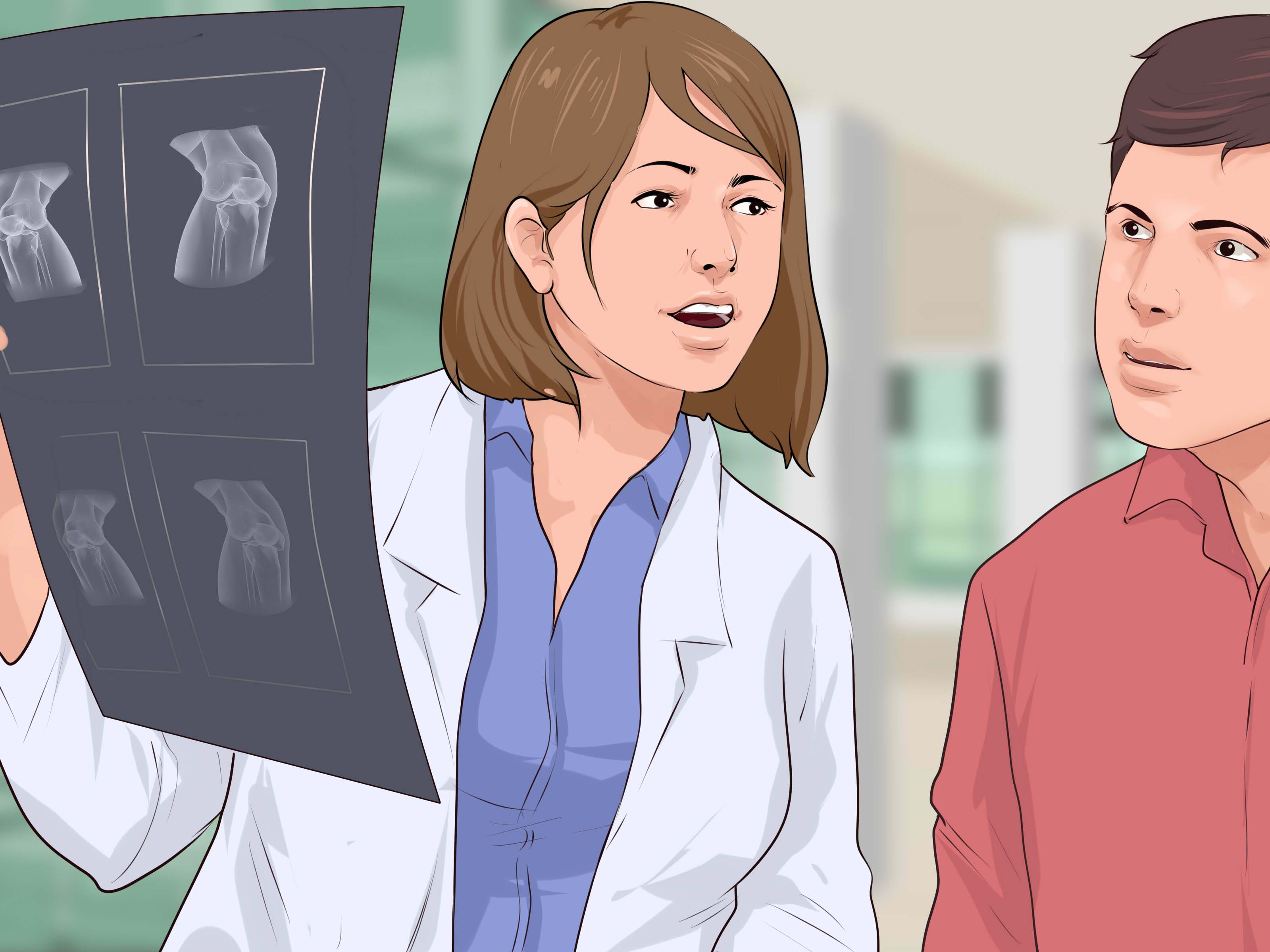
A doctor may diagnose Osgood Schlatter disease through medical history and a physical exam. Sometimes imaging is used to rule out other causes of knee pain. Getting the right diagnosis matters because not every sore knee in a growing athlete is Osgood Schlatter disease. Knees, like teenagers, can be complicated.
Practical Daily Tips for Managing Osgood Schlatter Pain
Small habits can make a big difference. Keep an ice pack ready after practice. Wear supportive shoes that are appropriate for the sport. Avoid sudden increases in training volume. Tell the coach early when pain starts instead of waiting until limping becomes obvious. Build rest days into the week. Add stretching after activity, when muscles are warm and more cooperative.
Sleep and nutrition also support recovery. Growing bodies need enough rest, protein, calcium, vitamin D, and overall calories to handle school, sports, growth, and healing. No single snack cures knee pain, but a body running on fumes will not recover as well as one that is properly fueled.
Common Mistakes That Make Osgood Schlatter Pain Worse
The biggest mistake is pretending the pain is not there. Many athletes worry that speaking up means losing playing time. In reality, ignoring pain can lead to longer recovery and more frustration. Another mistake is stretching too aggressively. Stretching should reduce tension, not create a new problem.
Other common errors include skipping warm-ups, returning to full sports too soon, using pain relievers to cover symptoms, kneeling on hard surfaces, and doing high-impact workouts during flare-ups. The knee is not asking for luxury treatment. It is asking for reasonable workload management, which is less glamorous than a highlight reel but much better for long-term performance.
Experience-Based Advice: What Managing Osgood Schlatter Pain Often Feels Like
Living with Osgood Schlatter disease can be frustrating because the pain often shows up right when young athletes feel excited about improving. One week, a player is sprinting across the field, jumping for rebounds, or dancing through practice. The next week, stairs feel like a personal betrayal. That emotional side matters. Pain is not just physical; it can affect confidence, identity, and the feeling of belonging on a team.
A common experience is the temptation to hide symptoms. Many teens do not want to look weak or lose a starting position. They may say, “It is fine,” while walking like a pirate with one stiff leg. Parents and coaches can help by making pain reporting normal, not dramatic. A better team culture says, “Tell us early so we can adjust,” instead of “No pain, no gain.” For Osgood Schlatter disease, a smarter slogan might be: “Some pain, use your brain.”
Another real-life challenge is boredom during activity modification. Reducing running and jumping can feel like being grounded by your own kneecap. That is why substitutions matter. If jumping drills hurt, the athlete may work on ball handling, free throws, tactical skills, swimming, light cycling, or upper-body strength. Staying involved keeps the athlete from feeling removed from the sport. A coach can give meaningful modified work so the player still feels useful, not parked on the bench like sports equipment with feelings.
Families often learn that consistency beats heroic effort. Icing once after a very painful game may help, but icing regularly after activity, stretching gently, and tracking pain patterns usually works better. A simple pain journal can be surprisingly useful. Write down the activity, pain level, what helped, and whether soreness lasted into the next day. Over time, patterns appear. Maybe sprint drills are fine, but box jumps are a disaster. Maybe two games in one weekend cause a flare. Maybe pain spikes after skipping warm-ups. The knee leaves clues; the journal is the detective notebook.
Footwear and surfaces also matter in everyday life. Running on hard courts, old shoes, or uneven fields may increase symptoms for some athletes. Supportive shoes will not magically erase Osgood Schlatter disease, but poor shoes can add extra stress. The same goes for school days with lots of stairs. A teen may feel fine in the morning and sore by afternoon simply because the knee has been working all day. Planning matters: use elevators when allowed during a flare, avoid unnecessary kneeling, and carry loads evenly instead of turning one side of the body into a backpack mule.
Physical therapy can be a turning point for many people. A good therapist does more than hand out exercises. They watch movement, check flexibility, assess strength, and teach the athlete how to land, squat, run, and return to sport with better control. That feedback can be hard to get from random internet exercises alone. The best plan is usually personalized because two athletes with the same diagnosis may have different tight muscles, training loads, and sport demands.
Patience is the least exciting treatment, but it may be the most important. Osgood Schlatter symptoms can come and go during growth. A teen may feel better, return to intense activity, then flare again after a tournament or growth spurt. That does not mean failure. It means the plan may need adjusting. Recovery is rarely a straight line. It is more like a group chat: occasionally helpful, occasionally chaotic, and best managed with calm responses.
The most practical mindset is to protect the future athlete. Missing a few high-impact drills now is much better than dragging pain through an entire season. Reducing Osgood Schlatter pain is not about quitting. It is about training intelligently while the body grows. With the right mix of rest, ice, stretching, strengthening, support, and gradual return, many young athletes can keep moving toward their goals without letting one irritated knee boss around the whole calendar.
Conclusion
Osgood Schlatter disease can be annoying, painful, and inconvenient, especially for active kids and teens who would rather chase a ball than negotiate with their shinbone. Fortunately, most cases improve with conservative care. The best approach is usually a combination of activity modification, ice, gentle stretching, gradual strengthening, protective support, and a careful return to sport.
The key is to respect pain without fearing movement. Avoid sharp pain, limping, and repeated flare-ups, but keep the body active in ways that feel manageable. With patience and smart habits, Osgood Schlatter knee pain often becomes less of a daily drama and more of a temporary chapter in a young athlete’s growth story.