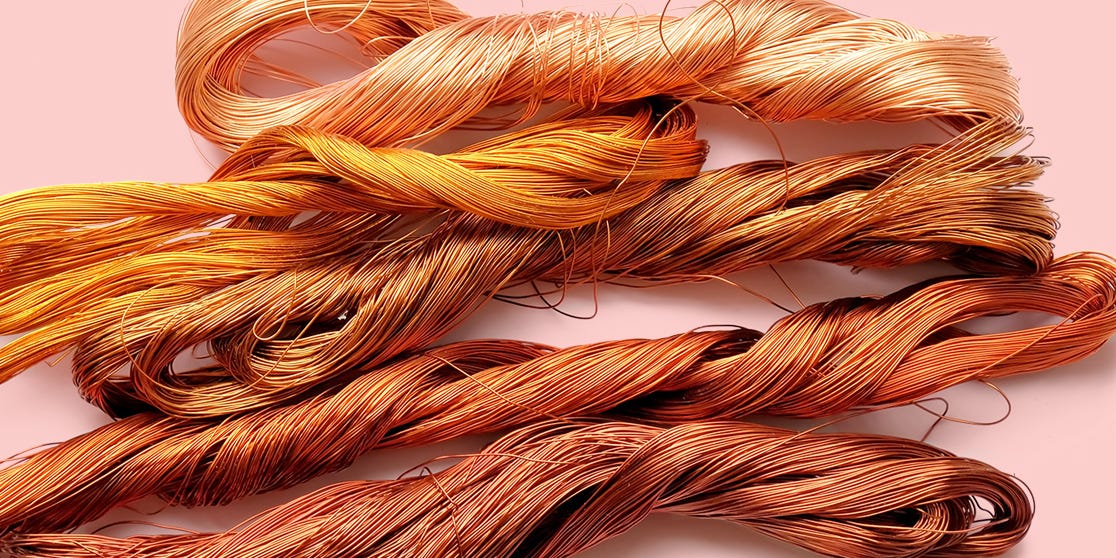
Brassy hair has a talent for arriving at the worst possible time. You leave the salon looking like a cool-toned goddess, then a few washes later your blonde highlights start whispering “banana,” your balayage turns “pumpkin latte,” or your brunette gloss begins flashing orange under bathroom lights. Rude? Absolutely. Fixable? Very.
The good news is that you do not need to panic-book an emergency color appointment every time warmth appears. With the right at-home toning routine, color-safe products, gentle washing habits, and a few smart prevention tricks, you can keep your hair looking fresher, cooler, shinier, and less like it has joined a brass band.
This guide explains how to prevent brassy hair, why it happens, and the six best ways to tone brassy hair at home without turning your shower into a chemistry lab. We will cover purple shampoo, blue shampoo, glosses, hard-water buildup, heat protection, sun protection, and the everyday habits that help color-treated hair behave itself.
What Is Brassy Hair?
Brassy hair refers to unwanted warm tones that appear in color-treated, lightened, highlighted, gray, silver, or even natural hair. These tones may look yellow, gold, orange, copper, or red depending on your base color and how much the hair has been lifted.
For blondes, brassiness often shows up as yellow or golden-orange. For brunettes with highlights or balayage, it may look orange, reddish, or rusty. For gray or silver hair, brassiness can create a dull yellow cast. In short, brassiness is the color equivalent of your hair saying, “Surprise! I brought undertones.”
Why Does Hair Turn Brassy?
Hair turns brassy because warm underlying pigments become more visible over time. When hair is lightened, bleach removes darker pigments in stages, but natural warm pigments can remain underneath. Professional toner helps balance those tones at first, but toner fades with washing, heat styling, UV exposure, chlorine, hard water, and product buildup.
Common causes of brassy hair include:
- Frequent washing: Shampooing too often can fade artificial pigment and toner faster.
- Hard water: Minerals like calcium, magnesium, copper, and iron can build up on hair and make color look dull or warm.
- Sun exposure: UV rays can fade hair color and expose unwanted warmth.
- Chlorine and saltwater: Pools and ocean water can strip moisture and shift color tone.
- Heat styling: Flat irons, curling irons, and blow dryers can accelerate dryness and color fading.
- Wrong products: Harsh shampoos, clarifying products used too often, and non-color-safe formulas can make brassiness worse.
The Color Wheel Rule: Choose the Right Toner for Your Tone
Before you grab the nearest purple bottle and hope for salon magic, remember the color wheel. Toning works because opposite colors neutralize each other. Purple cancels yellow. Blue cancels orange. Green can soften red tones in very dark brown or black hair, though green toning products should be used carefully because they are more specialized.
| Unwanted Tone | Usually Seen In | Best At-Home Toner Color |
|---|---|---|
| Yellow | Blonde, silver, gray, highlighted hair | Purple or violet shampoo |
| Orange | Lightened brunette, balayage, dark blonde | Blue shampoo or blue-violet mask |
| Red-orange | Dark brunette with lifted ends | Blue or blue-green toning product |
| Red | Very dark brown or black hair | Green toning product, preferably with stylist guidance |
6 Ways to Tone Brassy Hair at Home
1. Use Purple Shampoo for Yellow Brassiness
Purple shampoo is the classic at-home fix for yellow tones in blonde, gray, silver, platinum, and highlighted hair. It contains violet pigments that sit on the hair surface and visually soften yellow warmth. Think of it as a tiny color-correcting filter for your shower.
To use purple shampoo correctly, wet your hair thoroughly, apply the product evenly, and focus on the areas that look most yellow. Leave it on according to the label, often around one to five minutes. Rinse well and follow with a moisturizing conditioner. Start once a week, then adjust based on how your hair responds.
Do not use purple shampoo every day unless the product specifically says it is safe for frequent use. Overuse can leave pale blonde or porous hair looking lavender, gray, dull, or slightly smoky. That may be chic if you requested it. Less chic if you only wanted “expensive beige blonde” and got “forgotten unicorn.”
2. Use Blue Shampoo for Orange Tones in Brunette Hair
If your brown hair, balayage, caramel highlights, or dark blonde color is turning orange, blue shampoo is usually a better choice than purple shampoo. Blue sits opposite orange on the color wheel, so it helps neutralize unwanted warmth in lightened brunette hair.
Blue shampoo works best when brassiness looks coppery, pumpkin-like, or rusty rather than pale yellow. Apply it evenly from mid-lengths to ends, where color tends to fade fastest. Leave it on only as directed, then rinse completely. Because blue pigments can be strong, wear gloves if the formula is very pigmented and avoid letting it sit too long on porous blonde pieces.
If your hair has both blonde highlights and brunette lowlights, use your eyes. Yellow pieces may need purple. Orange-brown pieces may need blue. When in doubt, alternate carefully or ask your stylist which pigment matches your color goal.
3. Try an At-Home Hair Gloss or Demi-Permanent Toner
A hair gloss can refresh shine, soften dullness, and gently adjust tone. Some glosses are clear, while others deposit cool beige, ash, pearl, violet, or blue-based pigments. At-home glosses are usually less intense than professional salon toners, making them useful for maintenance between appointments.
Choose a gloss based on your current problem, not the color you wish your hair had in a fantasy novel. If your blonde is yellow, look for cool violet, pearl, or ash-blonde options. If your brunette balayage is orange, choose a cool brown or blue-based gloss. If your hair is dry or damaged, pick a conditioning gloss and avoid anything that requires complicated mixing unless you are comfortable following the instructions exactly.
Always read the label, perform a strand test, and avoid overlapping strong toners repeatedly on fragile ends. Hair that is very porous grabs pigment quickly. That means a toner that looks subtle on one person may go dramatically smoky on another.
4. Remove Hard-Water and Product Buildup
Sometimes brassy hair is not only about faded toner. It may be mineral buildup. Hard water can leave deposits on the hair shaft, making color look dull, darker, warmer, yellowish, or oddly coated. Product buildup from dry shampoo, oils, styling creams, and heavy masks can also prevent toning products from working evenly.
Use a clarifying shampoo once or twice a month if your hair feels coated, flat, waxy, or unusually dull. If you live in a hard-water area, consider a chelating shampoo or mineral-removing treatment designed for color-treated hair. These products help lift mineral deposits more effectively than basic clarifying shampoos.
After clarifying or chelating, follow with a deep conditioner. These treatments can be very useful, but they can also make hair feel dry if overused. The goal is to remove buildup, not scrub your hair into a haystack with Wi-Fi.
5. Deep Condition and Protect Your Hair From Heat
Healthy hair holds color better. Damaged hair has a rougher cuticle, which allows color molecules and toner to fade more quickly. That is why dry, over-bleached, or heat-stressed hair often turns brassy faster than strong, moisturized hair.
Use a deep-conditioning mask once a week, especially if your hair is bleached, highlighted, curly, coarse, gray, or naturally dry. Look for formulas that mention moisture, bond support, strengthening, or color protection. Leave-in conditioner can also help reduce frizz, improve manageability, and protect against some styling stress.
Before blow-drying, curling, or straightening, apply a heat protectant. Lower your hot tools when possible. If your flat iron has one setting called “surface of the sun,” do not use that setting. High heat can make color fade faster and leave lightened hair more vulnerable to breakage.
6. Protect Hair From Sun, Chlorine, and Frequent Washing
Preventing brassy hair is easier than correcting it every week. UV rays can fade color, chlorine can shift tone, and over-washing can strip toner. A few small habits can protect your investment and your sanity.
Wear a hat or use a UV-protective hair product when spending long hours outdoors. Before swimming, wet your hair with clean water and apply a leave-in conditioner to reduce how much chlorinated or salty water your hair absorbs. After swimming, rinse your hair as soon as possible.
Wash your hair with lukewarm or cool water rather than very hot water. Hot water can rough up the cuticle and make color fade faster. Use a sulfate-free or color-safe shampoo for regular wash days, and save toning shampoo for targeted maintenance. If your scalp allows it, washing two or three times a week instead of daily can help preserve tone longer.
How Often Should You Tone Brassy Hair at Home?
Most people do well with toning shampoo once a week or every other wash, but the best schedule depends on your hair color, porosity, and how strong the product is. Very pale blonde hair may need less toning because it absorbs pigment quickly. Darker blonde or brunette balayage may need blue shampoo once or twice weekly to stay cool.
A good beginner routine looks like this:
- Regular wash days: Use a color-safe shampoo and conditioner.
- Once weekly: Use purple or blue shampoo based on your unwanted tone.
- Once weekly: Apply a hydrating mask or bond-supporting treatment.
- Once monthly: Clarify or chelate if buildup or hard water is an issue.
- Every few weeks: Use a gloss if your color needs shine and subtle tone correction.
At-Home Toning Mistakes to Avoid
Leaving Toning Shampoo on Too Long
More time does not always mean better results. Leaving purple or blue shampoo on too long can stain porous sections and make hair look dull, smoky, violet, blue, or uneven. Follow the product instructions and start with less time if your hair is very light.
Using Purple Shampoo on Orange Hair
Purple shampoo is best for yellow tones. If your hair is orange, purple may not be strong enough to neutralize it. Blue shampoo is usually more effective for orange brassiness.
Skipping Conditioner
Toning shampoos can be drying, especially on lightened hair. Always condition afterward. Hydrated hair reflects light better, feels smoother, and looks more expensive even when your budget is currently “drugstore but make it elegant.”
Trying to Fix Major Color Problems Alone
If your hair is patchy, very orange, muddy, greenish, breaking, or dramatically different from your goal shade, call a stylist. At-home toning can maintain color, but it cannot always correct uneven bleach, banding, or serious color mistakes.
When Should You See a Professional Colorist?
At-home toning is best for mild to moderate brassiness. See a professional if your hair is severely orange, uneven, gummy, breaking, or over-processed. You should also visit a stylist if you want to go several levels lighter, switch from warm brunette to icy blonde, or correct box dye. A professional can assess your hair’s condition, choose the right toner formula, and avoid unnecessary damage.
Also, if your scalp burns, itches intensely, flakes, or reacts after using hair color or toning products, stop using the product and seek professional advice. Patch testing is not glamorous, but neither is explaining to your scalp that beauty was supposed to be fun.
Real-Life Experience: What Actually Helps Brassy Hair Stay Cool
Anyone who has lived with highlighted, blonde, silver, or balayage hair knows that brassiness is not a one-time villain. It is more like a recurring guest star. You fix it, admire your reflection, take three hot showers, sit near a sunny window, and suddenly your hair is auditioning for a role as warm honey toast.
The most useful lesson from real at-home color maintenance is that prevention beats rescue. When people wait until their hair is very yellow or orange, they often overcorrect with too much toning shampoo. That can lead to dullness, dryness, or uneven violet patches. A better approach is gentle consistency. One purple or blue wash per week, followed by a rich conditioner, usually looks more natural than an aggressive toning marathon every three weeks.
Another common experience is discovering that the bathroom water matters more than expected. Many people blame their shampoo when the real culprit is hard water. If your blonde turns yellow quickly, your brunette highlights look rusty, or your hair feels coated even after washing, mineral buildup may be part of the problem. A monthly chelating treatment or a filtered showerhead can make toning products work more evenly. It is not the most glamorous purchase, but neither is buying five shampoos and blaming each one like you are hosting a beauty-product courtroom drama.
Heat styling also plays a bigger role than many people realize. A fresh toner can fade quickly when hair is repeatedly straightened or curled at high temperatures. Lower heat settings, a good heat protectant, and occasional air-drying can make color last longer. The same goes for sun exposure. A hat at the beach or a UV-protective spray may sound like extra effort, but it helps prevent that faded, brassy look that appears after vacations.
The best personal routine is usually simple: wash less often, use color-safe shampoo, tone only when needed, deep condition weekly, and clarify only when buildup appears. For blondes, purple shampoo is the maintenance hero. For brunettes with orange highlights, blue shampoo is the smarter choice. For anyone with dry or porous hair, moisture is not optional. Dry hair does not reflect cool color beautifully; it reflects panic.
Finally, the biggest at-home toning win is learning to look at the actual unwanted tone before choosing a product. Is it yellow? Use purple. Is it orange? Use blue. Is it red? Ask for help before accidentally creating swamp brunette. Once you understand the tone you are correcting, brassy hair becomes much less mysterious and much easier to manage.
Conclusion
Brassy hair is common, especially after bleaching, highlighting, coloring, or transitioning to gray. It happens when warm undertones become visible as toner fades or when environmental factors like hard water, sun, chlorine, heat, and product buildup interfere with your color.
To prevent brassy hair, build a routine that supports your color instead of constantly fighting it. Use purple shampoo for yellow tones, blue shampoo for orange tones, gloss when you need shine, clarifying or chelating treatments for buildup, deep conditioner for strength, and sun or heat protection for long-term color health. The goal is not to wage war on your hair. The goal is to keep it cool, glossy, balanced, and happily out of brass territory.
Note: Always follow product instructions, perform a patch or strand test when trying a new toner or gloss, and consult a professional colorist if your hair is damaged, uneven, or dramatically brassy.