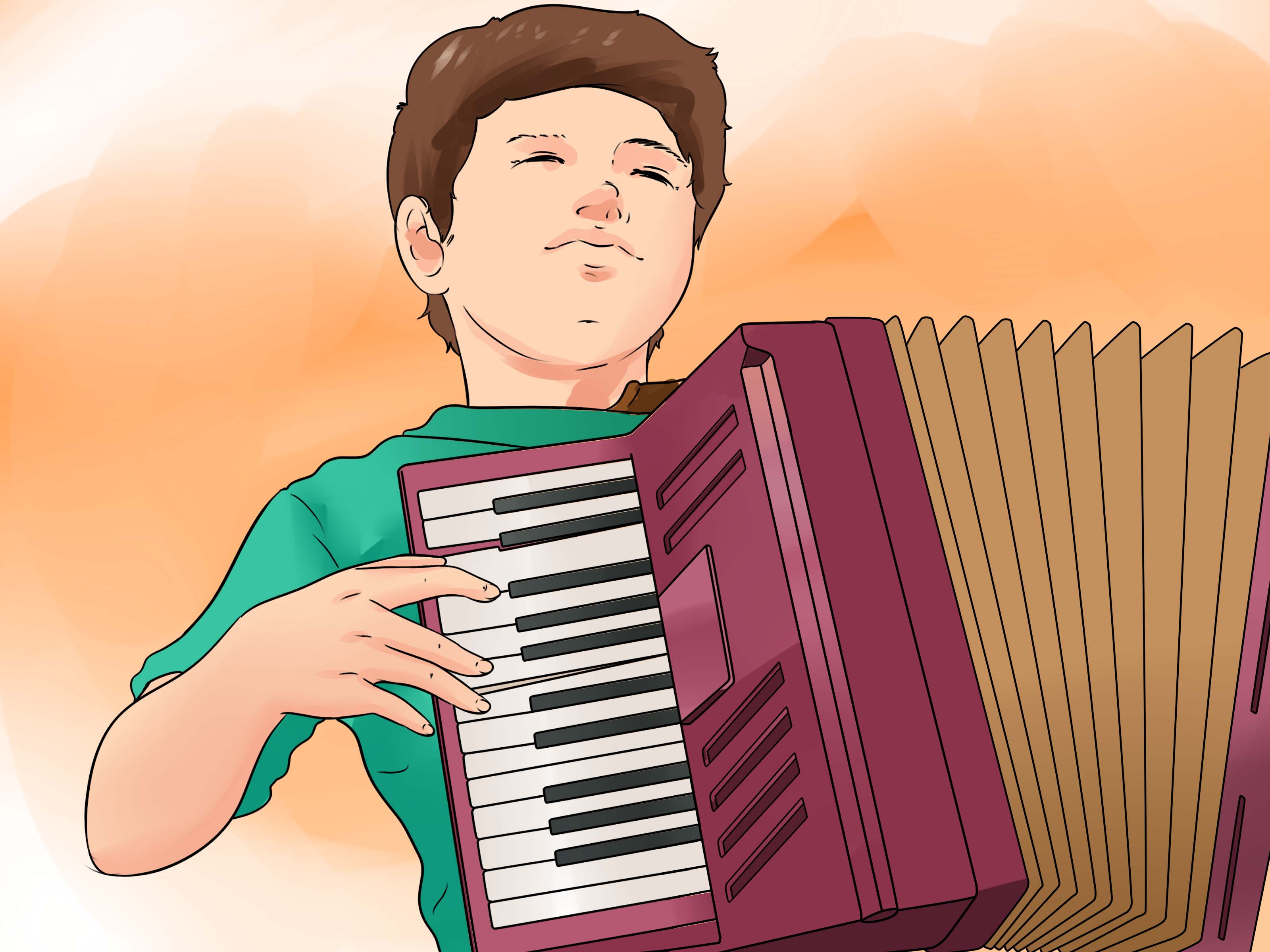
Learning how to play the accordion is a little like learning to pat your head, rub your stomach, and politely negotiate with a breathing machine strapped to your chest. In other words, it feels ridiculous for about five minutes, then strangely magical, then mildly humbling, then addictive. That is the accordion experience in a nutshell: one part keyboard, one part bass section, one part portable weather system.
If you are a beginner, the good news is that you do not need to become a mustached folk legend overnight. You just need a smart process. The best accordion players do not begin by trying to play fast, flashy, or dramatic enough to make nearby pigeons cry. They begin by learning posture, bellows control, simple right-hand melodies, basic left-hand accompaniment, and a practice routine that does not feel like punishment disguised as culture.
This guide walks you through the real beginner path: understanding the parts of the instrument, holding it correctly, making your first clean notes, coordinating both hands, and building a practice habit that turns confusion into music. No mystery. No fluff. No “just feel the vibe” nonsense. Just practical accordion lessons for humans.
What the Accordion Is Actually Doing While You Pretend to Be in Control
Before you play the accordion, it helps to know what is going on inside this beautiful box of organized chaos. A piano accordion has three major jobs happening at once.
The right hand plays melody
The keyboard side is usually where beginners feel most comfortable first, especially if they have touched a piano before. This is your melody side. It is where you play scales, tunes, and the musical ideas people actually recognize. If someone says, “Oh, I know that song,” this is usually the side doing the heavy lifting.
The left hand handles bass and chords
The bass-button side is where the accordion starts acting smug. On many beginner instruments, the left hand uses a standard bass layout that lets you play bass notes and built-in chord buttons. That is why the accordion can sound full so quickly. Even when you are a beginner, you can create accompaniment patterns that sound much more advanced than your facial expression suggests.
The bellows are the engine
The bellows are not decoration. They are the heart of the instrument. When you push and pull them, air moves through reeds and produces sound. That means your tone depends on how steadily and intentionally you move the bellows. On accordion, poor bellows control can make even the right notes sound like they were delivered by a startled goose.
Choose a Beginner Accordion That Fits Your Body, Not Your Ego
One of the biggest beginner mistakes is choosing an accordion based only on the bass number. More buttons do not automatically mean more success. Fit matters. Weight matters. Comfort matters. If your accordion feels like a medieval backpack designed by a personal trainer, you will practice less, tense up more, and wonder why every session feels like upper-body revenge.
For many beginners, a lightweight piano accordion or a smaller diatonic model is a smart place to start. Some learners do well on 48- or 72-bass instruments, while others can start on a full-size model if the keyboard length, strap setup, and overall weight feel manageable. The point is not to win a bass-button beauty contest. The point is to choose an instrument you can actually play for twenty to thirty focused minutes without negotiating with your spine.
If possible, try the accordion while sitting and standing. Make sure the shoulder straps feel stable, the keyboard sits where your right hand can move comfortably, and the left-hand buttons do not require you to twist like a pretzel with ambition issues.
How to Hold the Accordion Without Starting a Fight With Gravity
Start seated
Most beginners should learn seated first. Sit on a firm chair. Keep both feet flat on the floor. Do not slump. Do not perch dramatically like a Victorian poet. Sit upright with relaxed shoulders. The accordion should rest securely against your torso, not hang away from you like it is trying to escape.
Adjust the straps before you play
Your shoulder straps should be snug enough to stabilize the instrument but not so tight that breathing becomes a side quest. The keyboard side should sit high enough for your right hand to move naturally, while the left side should remain close enough that you can access the bass buttons without wrenching your wrist.
Relax your hands
Beginners often grip too hard because the instrument feels unfamiliar. Try not to. Tension slows everything down. Your hands need control, not panic. Keep your wrists neutral, fingers curved, and shoulders as calm as possible. Accordion technique gets better the moment you stop wrestling it.
Your First Real Skill: Bellows Control
If you want to play accordion well, start with bellows control early. Not later. Not “once you learn songs.” Early. Bellows control affects tone, phrasing, dynamics, and smoothness. It is the difference between sounding musical and sounding like you are inflating a haunted air mattress.
Begin with a simple exercise. Pick one right-hand note. Play it while opening the bellows slowly and evenly. Then repeat while closing the bellows slowly and evenly. Listen for a steady tone. The goal is not volume. The goal is consistency.
Next, play a short sequence of neighboring notes with the same gentle bellows movement. Keep the sound even from note to note. Avoid jerky pushes and pulls. When you need to change bellows direction, do it at a natural phrase break if possible. Smooth bellows changes make beginner playing sound dramatically more polished.
Think of the bellows as your bow, your breath, and your volume knob all rolled into one. That is a lot of responsibility for folded cardboard, but here we are.
Right-Hand Basics: Start With Simple Melody Work
Your right hand should begin with the musical equivalent of plain toast: simple, reliable, and surprisingly useful. Start in C major if you are on a piano accordion. That means using the white keys and getting used to finger motion without adding unnecessary drama.
Practice these right-hand fundamentals
- Five-note patterns moving up and down
- Simple scales at a slow tempo
- Basic triads and broken chords
- Easy melodies with stepwise motion
Pay attention to fingering. Good fingering feels annoying for a week and helpful for years. Bad fingering feels convenient for a day and chaotic forever. Use a consistent fingering pattern and resist the urge to improvise random finger choices that future-you will absolutely regret.
Also, listen to your tone. Beginners love to focus on “which note comes next,” but tone matters from day one. Even simple scales should sound intentional, not accidental.
Left-Hand Basics: Welcome to the Oom-Pah Department
The left hand is where accordion playing suddenly sounds like music instead of a keyboard exercise wearing suspenders. On a standard bass layout, you usually begin by learning a few core bass notes and matching chord buttons.
A classic beginner pattern is the basic bass-chord alternation often described as “oom-pah.” For example, you might play the root bass note on beat one and the matching major chord on beat two, then repeat. It is simple, useful, and immediately satisfying. More importantly, it teaches your hand where the home base is.
Start with three friendly chords
In the key of C, many beginners start with C, F, and G. Learn to find the bass note and the matching major chord for each one. Practice moving among them slowly until the jumps start feeling less like guesswork and more like geography.
Do not stare at your left hand. You usually cannot see much anyway, and staring will not magically produce accuracy. Learn to feel the layout. Use touch, repetition, and patience. The bass side is learned through consistent contact, not suspicious squinting.
How to Put Both Hands Together Without Melting Spiritually
Combining both hands is where beginners often feel like they have become a malfunctioning octopus. That is normal. Do not try to play a full arrangement immediately. Build in layers.
Use this progression
- Practice the right hand alone
- Practice the left hand alone
- Play the melody while adding only a single bass note on strong beats
- Add the chord button after that feels stable
- Play one measure at a time until coordination improves
This gradual approach is not glamorous, but it works. Accordion coordination improves when your brain stops treating every note like an emergency. Slow repetition is how “I cannot do this” becomes “Oh, wait, I just did that twice.”
Use a metronome at a comfortable tempo. It helps your rhythm settle down and prevents the classic beginner habit of speeding up during easy spots and slowing down during panic.
Do You Need to Read Music to Play the Accordion?
No, but it helps. A lot. You can absolutely begin by learning simple songs by ear, by pattern, or through demonstration. But if you want long-term freedom, reading music is worth the effort. It makes it easier to learn melodies, understand rhythm, and work from method books or sheet music without waiting for someone to spoon-feed every note.
At a beginner level, focus on reading pitch and rhythm clearly rather than trying to become a notation wizard in one weekend. Learn note names, note values, treble clef basics for the melody side, and the simple rhythmic patterns you will see again and again. Music reading does not make you less expressive. It gives your expression a map.
A Beginner Accordion Practice Routine That Actually Works
The best accordion practice routine is short enough to survive real life and focused enough to create progress. A solid daily session can be just 15 to 25 minutes if it is intentional.
Try this simple routine
- 5 minutes: bellows control and tone exercises
- 5 minutes: right-hand scales, triads, or melody drills
- 5 minutes: left-hand bass and chord jumps
- 5 to 10 minutes: one song or passage, played slowly
That is enough. Really. Consistency beats marathon practice fueled by guilt and heroic overconfidence. Practice most days of the week. Keep the tempo controlled. Work on small sections. Repeat difficult measures until they become boring. Boring is often a sign that progress is happening.
Set one goal per session. Not seven. One. Maybe today you want cleaner bellows changes. Maybe you want smoother jumps between C and G on the bass side. Maybe you want the first eight measures of a tune to stop sounding like they were learned during a mild earthquake. Simple goals create measurable progress.
Common Beginner Mistakes to Avoid
Playing too fast
If you cannot play it slowly, you cannot play it. You can only perform a dramatic interpretation of confusion.
Ignoring posture
Bad posture leads to fatigue, tension, and sloppy control. Fix setup issues early.
Letting the bellows jerk around
Uneven bellows movement creates uneven sound. Smooth air equals smoother music.
Trying to learn too many songs at once
Pick one or two beginner pieces and make them solid. A few well-played tunes beat ten half-learned disasters.
Skipping left-hand work
Many beginners hide on the melody side because it feels safer. But accordion magic lives in the coordination between both hands. Do not ghost your bass buttons.
How Long Does It Take to Learn the Accordion?
You can play a simple tune surprisingly quickly. You can sound comfortable in a few months of consistent practice. You can sound expressive after longer, more patient work. Like any instrument, accordion rewards repetition, listening, and good habits far more than brute force.
The real milestone is not “playing hard songs.” It is reaching the point where the instrument starts feeling less like a puzzle and more like a voice. That happens gradually. Then suddenly. Then gradually again. Music is rude like that.
Real-Life Beginner Experiences With Learning the Accordion
Most people who start learning the accordion go through the same emotional roller coaster, and honestly, it is almost comforting. First, there is the excitement stage. You put the instrument on, play one decent note, and immediately imagine yourself performing in a cafe while strangers nod with suspicious admiration. Then comes the humbling stage, where your left hand forgets what planet it is on, the bellows decide subtlety is optional, and every simple tune sounds like it is being translated from another language in real time.
But then something interesting happens. Around the second or third week of consistent accordion practice, tiny victories start appearing. Your straps feel less awkward. Your shoulders stop rising toward your ears every time you play a chord change. You begin finding the C bass button without hunting for it like buried treasure. Your bellows sound less jumpy. None of that feels dramatic in the moment, but it adds up fast.
Many beginners also discover that the accordion teaches patience in a way other instruments do not. A piano will happily let you ignore the issue of airflow because it does not have one. A guitar lets you focus on one main physical system at a time. The accordion, however, demands cooperation between posture, timing, fingering, accompaniment, and bellows control. It is wonderfully honest. If one part falls apart, you hear it immediately. That can be frustrating, but it also makes improvement very obvious. When things click, you know it.
Another common experience is the moment when the left hand stops feeling random. At first, the bass side feels mysterious, like a coded message written in buttons. Then one day you play a basic bass-chord pattern behind a melody and suddenly the whole instrument blooms. What sounded thin now sounds complete. What felt mechanical starts to feel musical. That moment hooks a lot of learners for life.
Beginners also tend to underestimate how emotional the accordion can be. Even a simple melody with steady bellows can sound warm, human, and expressive. That is part of the instrument’s charm. It can be playful, nostalgic, dramatic, sweet, or rowdy. One day you are practicing a scale. The next day you accidentally make two measures sound beautiful and sit there blinking at the instrument like, “Well, that was rude. Now I have to keep going.”
And yes, nearly every learner has a phase where coordination seems impossible. That phase passes. The key is refusing to judge your progress by your messiest practice day. Some sessions are brilliant. Some are held together by determination and snacks. Both count. If you keep showing up, slow down enough to hear what you are doing, and build your skills layer by layer, the accordion stops feeling like a contraption and starts feeling like a companion. A slightly demanding companion, sure, but still a companion.
That is the real beginner experience of learning how to play the accordion: awkward starts, surprising progress, a lot of repetition, and a deeply satisfying moment when all those moving parts begin to breathe together as music.
Conclusion
If you want to learn how to play the accordion, start with the basics and respect them. Learn the layout. Set up your straps correctly. Build bellows control. Practice right hand and left hand separately. Combine them slowly. Use a metronome. Read a little music. Repeat small passages until they feel natural. In short: do not chase flashy before you own steady.
The accordion rewards patience, curiosity, and consistency. It is one of the few instruments that can give a beginner a full, rich sound early on, but only if that beginner agrees to cooperate with reality. Fortunately, reality sounds pretty good on accordion.