Graduation day already comes with enough drama: the cap that refuses to stay pinned, the gown that somehow fits like a mysterious polyester rectangle, and the family photographer yelling, “One more!” for the forty-seventh time. A graduation lei adds something warmer to the moment. It is colorful, personal, celebratory, and far more memorable than another gift card hiding inside a greeting card.
Learning how to make graduation leis is also wonderfully flexible. You can create a classic fresh flower lei, a candy lei for the graduate with a heroic sweet tooth, a money lei that doubles as a practical gift, a paper flower lei in school colors, or a braided ribbon lei that becomes a keepsake long after the ceremony. The best graduation lei is not necessarily the most expensive one. It is the one that says, “I’m proud of you,” without needing a tiny speech and a microphone.
This guide walks you through 15 detailed steps for making a graduation lei at home, including materials, design ideas, personalization tips, and practical advice for keeping the lei comfortable, photo-ready, and gift-worthy.
What Is a Graduation Lei?
A graduation lei is a garland traditionally given to a graduate as a symbol of love, honor, celebration, and support. In Hawaiʻi, lei-giving is deeply connected to aloha, community, and milestone celebrations. Over time, graduation leis have become popular across the United States, especially for high school, college, kindergarten, and professional program ceremonies.
Today’s graduation leis come in many styles. Fresh flower leis remain timeless and beautiful, while ribbon, candy, money, yarn, paper, and snack leis have become fun modern options. Some families make several types and layer them together, which is how graduates occasionally disappear under a mountain of congratulations. It is adorable, mildly chaotic, and very on-brand for graduation.
Best Types of Graduation Leis to Make
Fresh Flower Lei
A fresh flower lei is elegant and meaningful. It works beautifully for photos and formal ceremonies. Popular lei flowers include orchids, carnations, plumeria, roses, gardenias, and other sturdy blossoms. If you are using flowers from your garden, choose blooms that are clean, pesticide-free, and strong enough to be handled.
Candy Lei
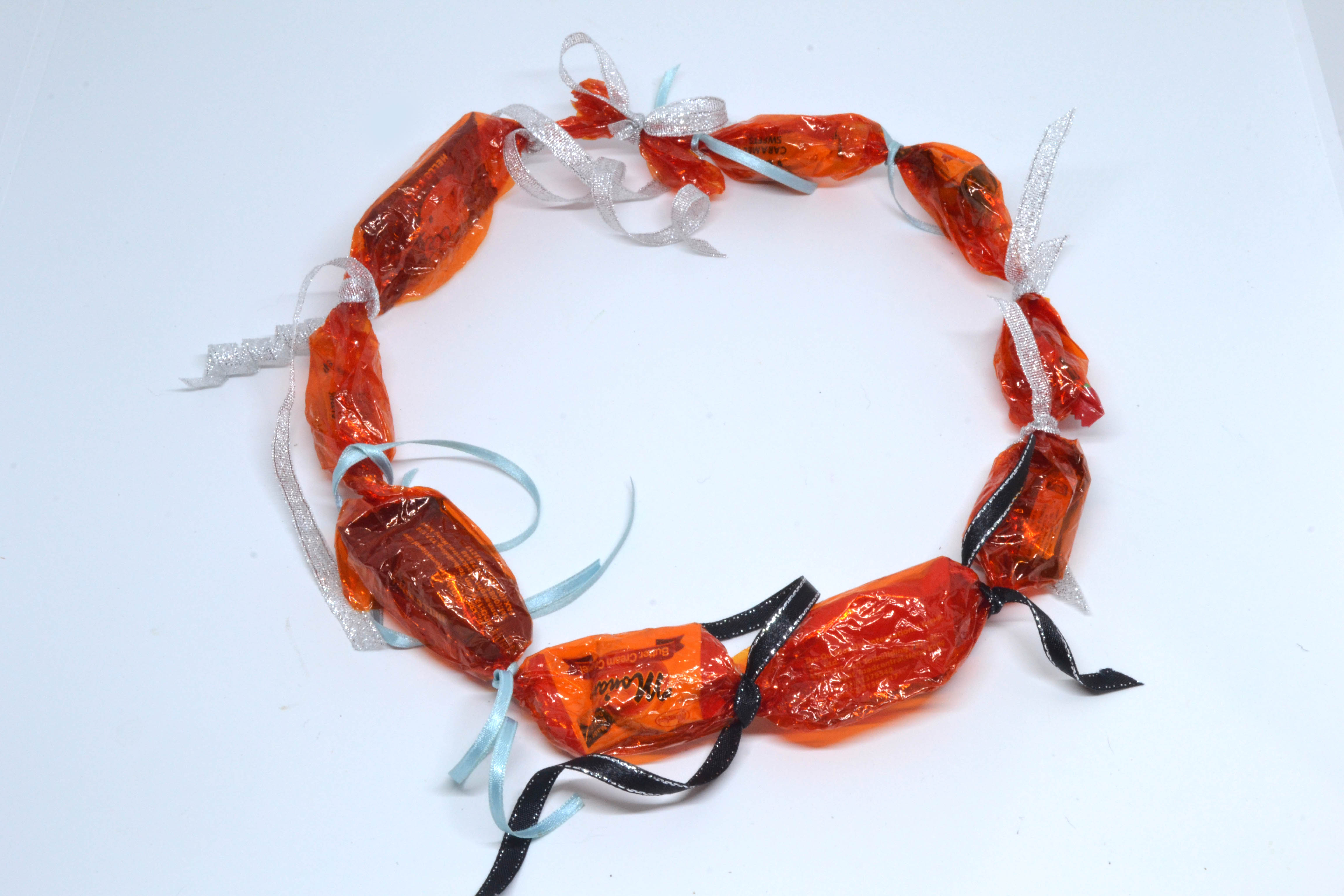
A candy lei is cheerful, affordable, and easy to customize. Use individually wrapped candy, chocolate bars, gummies, mints, or small snacks. This version is especially popular for younger graduates, but let’s be honest: college graduates also understand the emotional power of chocolate.
Money Lei
A money lei turns cash into a creative graduation gift. Bills can be folded into fans, flowers, bows, or accordion shapes and attached to a ribbon or beaded base. It is practical, festive, and much more exciting than handing someone an envelope while whispering, “Don’t lose this.”
Ribbon Lei
A braided ribbon lei is a long-lasting keepsake. It is often made in school colors and can be finished with charms, tassels, beads, or a graduation year tag. Ribbon leis are lightweight, comfortable, and ideal if fresh flowers are hard to find.
Paper Flower Lei
A paper lei is budget-friendly and easy to match to a theme. You can use cardstock, tissue paper, crepe paper, scrapbook paper, or metallic paper. Paper flower leis are great for classroom graduations, party favors, and bulk gifting.
Supplies You May Need
Your exact supply list depends on the style of graduation lei you choose, but these basics cover most designs:
- Fresh flowers, paper flowers, candy, money, ribbon, or small snacks
- Strong thread, fishing line, yarn, twine, or narrow ribbon
- Large sewing needle or lei needle for flower leis
- Scissors
- Clear plastic wrap or clear treat tubing for candy leis
- Curling ribbon, satin ribbon, or grosgrain ribbon
- Tape, glue dots, or mini rubber bands for securing money folds
- Beads, charms, tassels, graduation stickers, or school-color accents
- Measuring tape
- Reusable gift bag or breathable container for transport
How to Make Graduation Leis: 15 Steps
Step 1: Choose the Meaning and Style
Before you buy supplies, decide what kind of message you want the lei to send. A fresh flower lei feels traditional and elegant. A candy lei feels playful. A money lei says, “Congratulations, and please buy textbooks, gas, groceries, or a very dramatic iced coffee.” A ribbon lei works well as a keepsake. A paper lei is perfect for large groups or budget-friendly celebrations.
Also consider the graduate’s personality. A quiet graduate may prefer a simple school-color ribbon lei, while a bold graduate might love a snack lei stuffed with hot chips, candy bars, and mini cookies. The lei should feel like the person wearing it, not like it was assembled during a panic stroll through the craft aisle.
Step 2: Pick a Color Theme
School colors are the classic choice for graduation leis, but you can also use favorite colors, college colors, sorority or fraternity colors, cultural colors, or a soft neutral palette for formal photos. For a polished look, choose two main colors and one accent color. For example, navy and gold with white accents looks sharp, while red and black with silver details feels bold and celebratory.
If you are making a candy lei, let the wrapper colors guide the design. For a flower lei, combine large blooms with smaller filler flowers. For a ribbon lei, use satin or grosgrain ribbon in coordinated shades.
Step 3: Measure the Lei Length
Most adult graduation leis are about 36 to 42 inches long before closing, though you can adjust based on the graduate’s height and the materials used. A lei should rest comfortably around the shoulders, not choke the graduate like a festive boa constrictor.
For children, aim for a shorter lei, usually around 28 to 32 inches. For bulky candy or snack leis, go slightly longer because the items take up space. If you are unsure, measure a necklace or scarf that fits comfortably and use that as your guide.
Step 4: Prepare a Clean Workspace
Clear a table and lay down parchment paper, a clean towel, or a craft mat. If you are working with flowers, keep a small bowl of water nearby and handle the petals gently. If you are working with candy or money, wash your hands first and keep snacks wrapped. Graduation leis are heartfelt gifts, not an invitation for mystery fingerprints.
Organize supplies into small groups: ribbon in one area, scissors in another, decorations in another. This prevents the classic craft disaster where the tape disappears, the scissors relocate to another dimension, and someone sits on a pile of curling ribbon.
Step 5: Prepare Fresh Flowers If Using Them
For a fresh flower lei, select sturdy blooms that will hold up through the ceremony and photos. Remove excess leaves, trim stems short, and discard damaged petals. Keep flowers cool and lightly hydrated before stringing. Avoid soaking delicate blooms unless the flower type can handle it.
If using fragrant flowers, remember that some people are sensitive to strong scents. When in doubt, use mild flowers or ask the graduate ahead of time. Nobody wants a graduation photo album titled “The Allergy Incident.”
Step 6: Cut Your Base String or Ribbon
Cut your string, fishing line, yarn, or ribbon longer than the final lei length so you have room to tie it securely. Add at least 8 to 12 extra inches. For a flower lei, strong thread or fishing line works well. For candy or money leis, satin ribbon, grosgrain ribbon, or curling ribbon can serve as both the base and decoration.
If you are making a ribbon lei, cut multiple ribbon strands of equal length. For braided designs, five yards of ribbon is a common starting point for each strand, but you can adjust depending on thickness, braid tightness, and desired fullness.
Step 7: Make a Simple Flower Lei Base
Thread a large needle with your chosen string. Pierce each flower through the center or thickest stable point, then gently slide it down the thread. Continue adding flowers until the lei reaches the desired length. Keep blooms facing the same direction for a neat look, or alternate directions for extra fullness.
For a fuller lei, place flowers close together. For a lighter lei, leave tiny spaces between blooms or add greenery. Carnations, orchids, and plumeria-style flowers are beginner-friendly because they are sturdy enough to handle without falling apart at the first sign of ambition.
Step 8: Make a Candy Lei Base
For a candy graduation lei, roll out a long sheet of clear plastic wrap or use clear treat tubing. Place individually wrapped candies in a line, leaving space between each piece. Fold the plastic wrap over the candy and twist the sections between each treat. Tie the spaces with curling ribbon, satin ribbon, or school-color ribbon.
To make it wearable, bring the two ends together and tie them securely. Cover the closure with a bow so it looks intentional. Candy leis are wonderfully forgiving. If one section looks uneven, add more ribbon. Ribbon is the craft world’s version of concealer.
Step 9: Add Money Fans or Money Flowers
To make a money lei, fold bills accordion-style, pinch them in the middle, and fan out both sides. Secure the center with a small rubber band, ribbon, or twist tie. Attach each folded bill to the lei base between candy pieces, paper flowers, or ribbon sections.
You can use all one-dollar bills for a fuller look or mix denominations if you want the gift to have more value. If you prefer not to fold real bills, use decorative paper flowers and tuck cash into a small envelope attached to the lei.
Step 10: Create a Braided Ribbon Lei
For a braided ribbon lei, tie or clip the ribbon ends together, then begin looping one ribbon through another in a chain-like braid. Keep the loops even and gently tighten each section as you work. The goal is a soft, flexible braid, not a rope that could tow a small boat.
Use two colors for a simple school-spirit look or four colors for a fuller design. Once the braid reaches the right length, tie the ends together and add a bow, charm, tassel, or graduation-year tag.
Step 11: Make Paper Flowers for a Paper Lei
Cut flower shapes from cardstock, tissue paper, or crepe paper. Layer two or three flower shapes together for dimension. Punch a small hole in the center of each flower and string them onto yarn or ribbon. Place paper straws, beads, or rolled paper spacers between flowers to add structure.
Paper leis are especially useful when making many leis for a class, club, or team. They can be made days or weeks in advance, which is a gift to anyone who has ever tried to craft at midnight before a ceremony.
Step 12: Personalize the Lei
Personal touches make a graduation lei feel special. Add the graduate’s name, graduation year, school mascot, favorite candy, small photos, tiny messages, or a charm related to their next chapter. For example, a future nurse might get a small stethoscope charm, while a future engineer might get a mini ruler charm.
Do not overload the lei with heavy decorations. A lei should be comfortable enough to wear while walking, hugging relatives, and posing for photos. If it jingles like a hardware drawer, remove a few extras.
Step 13: Secure the Ends Strongly
Once your lei reaches the right length, tie the ends with a firm double knot. For slippery ribbon or fishing line, add an extra knot and cover it with a decorative bow. For candy leis, reinforce the closure with ribbon and tape if needed. For money leis, make sure each bill is attached securely but not damaged.
Test the lei by gently lifting it and giving it a light shake. If pieces slide, sag, or threaten to escape, tighten the weak spots before graduation day. Better to discover the problem at home than during the ceremony when a candy bar makes a break for freedom.
Step 14: Store and Transport the Lei Properly
Fresh flower leis should be kept cool, lightly moist, and away from direct sunlight. Place them in a breathable container or loosely wrapped paper towel, depending on the flower type. Avoid crushing them under heavy bags or boxes.
Candy, money, ribbon, and paper leis should be stored flat or gently coiled in a clean bag. Keep candy leis away from heat, especially if they contain chocolate. A melted chocolate lei is still a gift, technically, but it is also a laundry emergency waiting to happen.
Step 15: Present the Lei with Care
Graduation leis are often given after the ceremony, when graduates meet family and friends for photos and congratulations. Place the lei gently over the graduate’s shoulders and offer a warm congratulations. If the graduate is already wearing multiple leis, arrange yours so it sits comfortably and does not cover their face completely.
Be mindful of school or venue rules. Some ceremonies limit what can be worn during the official program, so it is often safest to give the lei afterward. Bring a reusable bag for extra gifts and avoid plastic waste when possible.
Creative Graduation Lei Ideas
School Spirit Lei
Use school colors for ribbon, flowers, and accents. Add a small charm with the graduation year or mascot. This style looks great in photos and instantly connects the lei to the milestone.
Snack Attack Lei
Attach mini chip bags, candy bars, gum, mints, and small cookies to a sturdy ribbon. This is perfect for graduates who believe snacks are a love language. Choose lightweight items so the lei stays wearable.
Photo Memory Lei
Print small photos from school years and attach them between paper flowers or ribbon bows. This lei works beautifully for parents, grandparents, and best friends who enjoy emotional ambushes in public.
College Send-Off Lei
Use the colors of the graduate’s next school, trade program, military branch, or career path. Add useful gift cards, folded cash, or encouraging notes for the next chapter.
Eco-Friendly Garden Lei
Use flowers, leaves, herbs, or greenery from your garden if they are safe, clean, and sturdy. This approach reduces packaging waste and adds a personal, handmade feeling.
Common Mistakes to Avoid
Making the Lei Too Tight
A lei should drape comfortably. If it is too short, it may feel awkward or uncomfortable, especially when layered with other leis.
Using Fragile Materials
Some flowers bruise easily, some paper tears quickly, and some candy melts faster than your patience in a parking lot after graduation. Choose materials that can survive handling, heat, hugs, and photos.
Adding Too Much Weight
Heavy snack bags, large ornaments, and too many decorations can make a lei uncomfortable. Keep it balanced and wearable.
Forgetting the Weather
Outdoor ceremonies can be hot, windy, or humid. Use sturdy flowers, avoid meltable candy, and transport the lei in a cool place.
Waiting Until the Last Minute
Ribbon, paper, and money leis can be made ahead of time. Fresh flower leis are best made close to the event, but supplies should be gathered early. Future you will appreciate not crafting in a panic while wearing one shoe.
How Long Does It Take to Make a Graduation Lei?
A simple candy lei can take 20 to 40 minutes. A braided ribbon lei may take 30 to 90 minutes, depending on the pattern and your experience. A fresh flower lei can take one to two hours, especially if you are sorting, trimming, and stringing delicate blooms. A detailed money lei may take longer because folding bills neatly requires patience.
If you are making multiple leis, set up an assembly line. Cut ribbons first, sort decorations second, build bases third, and finish all bows at the end. This saves time and keeps the process from turning into a glitter-covered survival challenge.
Graduation Lei Etiquette
A graduation lei is more than decoration. It is a gesture of affection, pride, and respect. Present it with both hands, place it gently around the graduate’s shoulders, and offer sincere congratulations. If the lei contains fresh flowers, encourage the graduate to enjoy it respectfully and avoid tossing it in the trash immediately after the event.
If you are giving a lei in a community where lei traditions have cultural significance, be thoughtful. Avoid treating the lei as a costume or joke. Honor the meaning behind the gesture: celebration, connection, gratitude, and care.
Experience: What Making Graduation Leis Teaches You
Making graduation leis sounds simple until you are standing at the kitchen table surrounded by ribbon curls, flower petals, candy wrappers, and the sudden realization that you have become the family’s unofficial graduation production department. But that is part of the charm. The process is not just about creating something pretty. It is about slowing down long enough to think about the graduate and everything they did to reach this moment.
One of the best experiences related to making graduation leis is choosing materials that match the graduate’s personality. For a serious, classic graduate, a clean ribbon lei in school colors can feel elegant and timeless. For the graduate who survived finals through snacks and caffeine, a candy lei feels hilariously accurate. For someone heading to college or moving out, a money lei can be both meaningful and useful. The design becomes a tiny biography of the person wearing it.
The first time you make a lei, expect a learning curve. Ribbon may twist in the wrong direction. Flowers may slide unevenly. Candy may refuse to line up like well-behaved citizens. Money fans may look less like flowers and more like confused butterflies. That is normal. The good news is that graduation leis are forgiving. A bow can hide a knot. A charm can cover an awkward join. A few extra pieces of curling ribbon can turn a mistake into “texture.” Crafting confidence often arrives right after the third small disaster.
Another memorable part is how personal the final gift feels. Store-bought gifts can be lovely, but a handmade lei carries visible effort. Someone measured, cut, folded, tied, arranged, adjusted, and probably muttered “where did the scissors go?” at least once. That effort matters. When the graduate receives the lei, they are not just receiving flowers, candy, ribbon, or money. They are receiving time.
Making graduation leis with family or friends can also become a tradition of its own. Parents, siblings, grandparents, cousins, and friends can sit together and work assembly-line style. One person cuts ribbon, one ties bows, one folds bills, and one supervises while eating the “extra” candy. These small moments often become part of the graduation memory, even if they happen before the ceremony begins.
The most useful lesson is to plan for comfort. A lei can be beautiful, but if it is too heavy, scratchy, sticky, or tight, the graduate may quietly remove it before the photos are finished. Lightweight materials, secure knots, and a comfortable length make a big difference. Think of the lei as wearable celebration, not a craft project trying to win a weightlifting competition.
Finally, making graduation leis reminds you that milestones deserve attention. Graduation is not only a ceremony; it is the closing of one chapter and the opening of another. A handmade lei helps mark that transition with color, humor, care, and pride. Whether your finished lei looks professionally polished or lovingly homemade, it will still do its most important job: making the graduate feel celebrated.
Conclusion
Graduation leis are beautiful because they combine creativity with meaning. Whether you make a fresh flower lei, candy lei, money lei, ribbon lei, or paper flower lei, the goal is the same: to celebrate a graduate with a gift they can wear, enjoy, and remember. The best part is that you do not need to be a professional florist or master crafter. With a few supplies, a clear plan, and a little patience, you can create a graduation lei that looks festive and feels deeply personal.
Start with the graduate’s personality, choose a comfortable length, use sturdy materials, secure the ends well, and add thoughtful details. Keep the design practical for the ceremony, especially if the event is outdoors or the graduate may receive multiple leis. Most importantly, present the lei with genuine pride. After all, the real beauty of a graduation lei is not only in the flowers, ribbons, candy, or folded bills. It is in the message wrapped into every knot: you did it, and we are cheering for you.