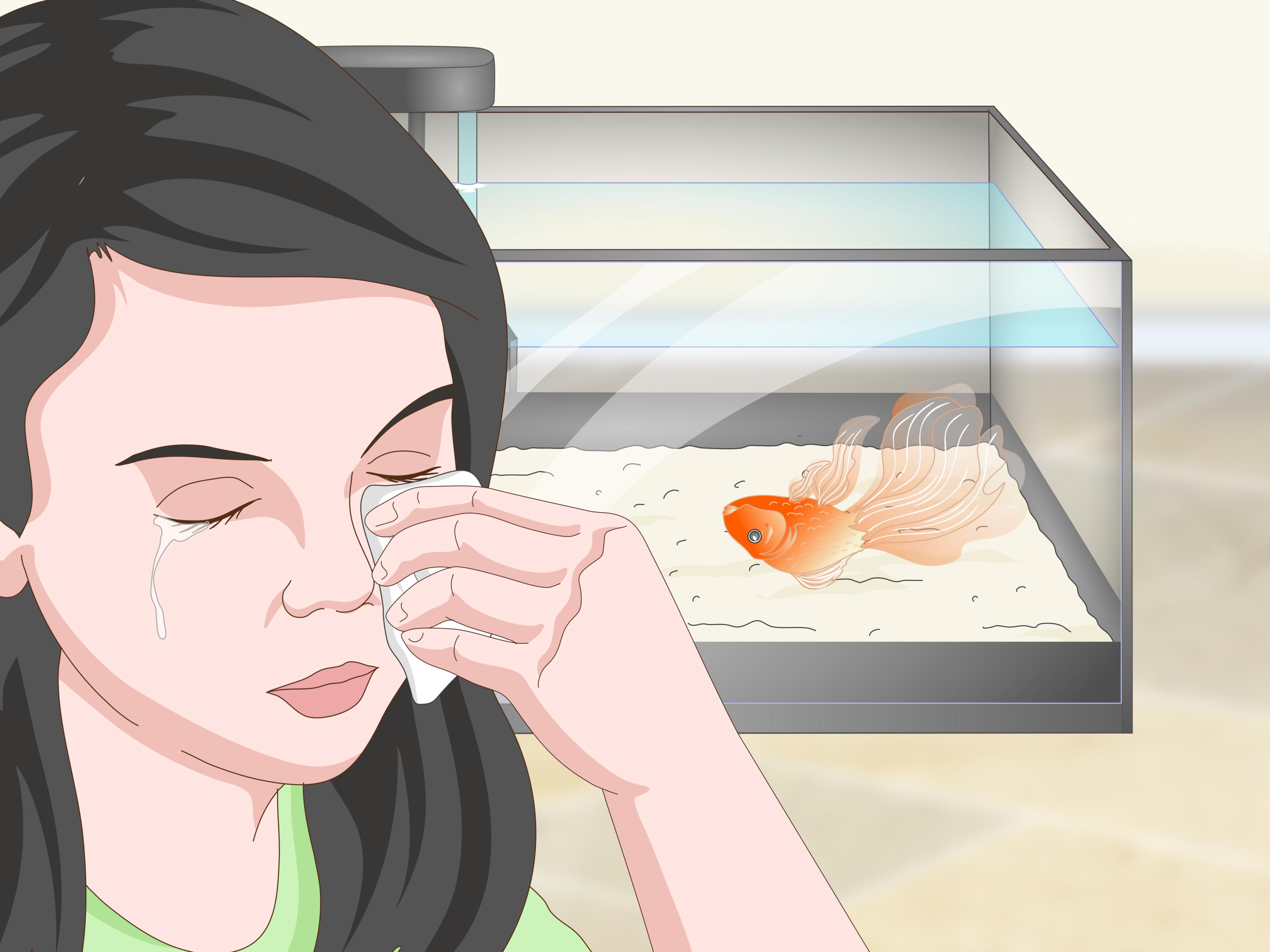
Goldfish have a talent for looking calm even when they are absolutely not calm. One minute they are begging for food like tiny orange landlords, and the next they are hanging near the bottom, ignoring dinner, and making you question every life decision that led to owning an aquarium. If you are wondering whether your goldfish is dying, the hardest part is this: many dying-fish signs also look like treatable illness. That means the goal is not to panic. The goal is to observe carefully, rule out simple causes fast, and act before a sick fish turns into a tragic floating headline.
This guide walks you through 13 practical steps to help you tell the difference between a goldfish having an off day, a goldfish that is seriously ill, and a goldfish that may be close to death. You will also learn what signs usually point to water-quality trouble, what symptoms suggest infection or organ failure, and what to do right away if your fish looks like it is fading. Think of this as a calm, fish-focused triage plan with less guessing and more useful observation.
Before You Assume the Worst
A goldfish that looks like it is dying is not always dying. Sometimes it is stressed. Sometimes it is poisoned by bad water. Sometimes it is fighting a parasite, bacterial infection, swim bladder problem, or internal organ issue. And sometimes the fish really is in its final stage. The key is to look for clusters of symptoms instead of judging one weird behavior in isolation.
For example, one lazy afternoon after a big meal is not the same as two days of hiding, gasping, refusing food, and leaning sideways like a very dramatic little submarine. Patterns matter. Duration matters. Water quality matters most of all.
How to Know when Your Goldfish Is Dying: 13 Steps
1. Compare your goldfish’s behavior to its normal routine
The first step is simple but powerful: ask what has changed. Healthy goldfish are usually alert, responsive, and interested in food. They cruise the tank, react when you approach, and do not spend hours parked in one corner like they are reconsidering the meaning of existence.
If your goldfish suddenly becomes withdrawn, sluggish, or disoriented, that is your first red flag. A dying goldfish often stops behaving like itself. It may isolate from tank mates, freeze in place, drift near the bottom, or stop reacting to movement outside the tank. The larger and more abrupt the change, the more seriously you should take it.
2. Watch for loss of appetite that lasts more than a brief moment
Goldfish are famously enthusiastic eaters. If your fish that normally launches itself at breakfast now ignores food, spits it out, or makes no effort to eat, pay attention. A single missed meal is not always an emergency. A sustained lack of appetite is.
Loss of appetite often shows up early when a goldfish is stressed, infected, or suffering from poor water quality. It becomes especially concerning when it appears alongside lethargy, labored breathing, swelling, or trouble swimming. In practical terms, if your goldfish refuses food for a day or two and also looks physically different, you should treat that as a serious warning sign rather than a quirky mood.
3. Check whether your fish is breathing faster, harder, or at the surface
Breathing tells you a lot. A goldfish that is gasping at the surface, moving its gills rapidly, or working hard to breathe may be dealing with low oxygen, ammonia exposure, gill damage, or a parasite affecting the gills. Rapid breathing is one of the clearest signs that something is wrong fast.
Sometimes owners assume surface gulping means the fish is “just getting air.” In reality, it often means the fish cannot get enough oxygen where it is. If this happens, check aeration, filter flow, temperature, and water quality immediately. A goldfish that is both gasping and weak can decline very quickly.
4. Notice if your goldfish is staying at the bottom or floating awkwardly
A dying goldfish often loses normal control of its position in the water. It may sink and stay on the gravel, tilt to one side, float tail-up, or drift upside down. Not every buoyancy issue means death is near, but severe or persistent buoyancy trouble can point to swim bladder dysfunction, internal swelling, constipation, infection, or major stress.
The clue is whether the fish can recover normal balance. A goldfish that briefly struggles after eating but then resumes normal swimming is different from a fish that cannot stay upright, keeps rolling, or lies on the bottom with clamped fins. The more helpless the movement looks, the more urgent the situation is.
5. Look closely at the gills, fins, and body posture
Your goldfish’s posture can reveal distress before obvious lesions appear. Sick or dying fish often clamp their fins close to the body instead of holding them open normally. They may hang with their head slightly down, remain motionless, or flare their gills more than usual.
Also inspect the gill area if you can do so without chasing the fish. Pale gills may suggest poor oxygenation or severe illness. Very red or irritated gills may point to ammonia damage or infection. Frayed fins, inflamed fin bases, and a body that looks tense or weak all suggest a fish whose system is under pressure.
6. Test the water before you blame the fish
This is the step too many people skip, and it is often the most important one. A fish can look like it is dying when the tank is actually the problem. Water that looks clear can still contain ammonia, nitrite, or other invisible trouble. Goldfish are messy, high-waste fish, which means they are especially good at living inside the consequences of our maintenance mistakes.
Test ammonia, nitrite, nitrate, and pH. If the tank is new, think about cycling problems. If the tank is crowded, think about waste load. If the filter was cleaned too aggressively, replaced all at once, or shut off for too long, beneficial bacteria may have crashed. If you find bad numbers, do not just write them down like a scientist in a sad documentary. Fix them. A large water change, dechlorinated water, improved aeration, and stable conditions can save a goldfish that is sick from environment rather than irreversible disease.
7. Check for white spots, slime, flashing, or rubbing
If your goldfish has tiny white dots that look like salt, extra mucus, or keeps rubbing itself against decorations, it may have a parasite such as ich. The frustrating part is that by the time the spots are obvious, the fish may already be pretty sick. Earlier clues often include weakness, reduced appetite, irritation, and faster breathing.
A fish that is dying from parasite overload may look exhausted, stressed, and unable to rest comfortably. If your fish seems itchy, slimy, and miserable, do not ignore it just because the body does not look dramatically damaged yet.
8. Look for swelling, pineconing, or a suddenly round belly
One of the biggest danger signs is abdominal swelling. If your goldfish looks bloated, the scales are sticking out like a pinecone, or the body seems stretched and puffy, that can indicate dropsy. Dropsy is not a disease by itself. It is a symptom that something deeper is going wrong, often involving internal organs, infection, or long-term stress from poor conditions.
This is the kind of sign that deserves immediate attention. A mildly chubby fish after feeding is one thing. A fish with a swollen belly, protruding scales, popeye, weakness, and appetite loss is in far more serious trouble. In many cases, that fish is critically ill even if it is still technically alive and swimming.
9. Inspect the skin for sores, red streaks, ulcers, or cottony growth
Your goldfish’s skin should not look like it lost a bar fight. Red streaks, open sores, black or white patches, fuzzy growth, inflamed areas, or missing scales can all signal major disease or injury. Cottony patches may suggest fungal or secondary infection. Ragged, melting fins can point to fin rot. Reddened tissue may suggest irritation, infection, or water-quality burns.
External damage does not just look bad. It often means the fish’s protective barrier is compromised, which makes decline faster and recovery harder. If the body looks visibly damaged and the fish is also weak, the problem is no longer cosmetic. It is systemic risk.
10. Pay attention to poop, belly shape, and wasting
Not every dying goldfish gets bloated. Some go the opposite direction and waste away. A fish that grows thin despite being offered food, produces abnormal stringy waste, or develops a pinched body profile may be dealing with parasites, chronic disease, digestive trouble, or organ failure.
Look at the shape of the fish from above and the side. A healthy goldfish should look proportionate for its variety. If the back starts looking sharp, the belly caves in, or the body mass drops over time, that suggests a longer decline rather than a sudden event. Chronic wasting is a quiet but serious warning sign.
11. Review recent tank changes, because timing tells a story
If symptoms appeared right after a water change, tank move, new filter cartridge, new fish, medication, temperature shift, or cleaning spree, that timing matters. Goldfish often crash after environmental disruption. A fish that was fine on Tuesday and distressed on Wednesday may be reacting to something that changed in the system rather than developing a mystery disease out of nowhere.
Ask practical questions. Did you forget conditioner? Did the heater or room temperature swing? Did a new tank mate bring in parasites? Did you overfeed? Did you deep-clean everything and accidentally remove the biological filtration? The answer is often hiding in the timeline.
12. Separate “very sick” from “actively dying”
This step is emotionally difficult, but it helps. A very sick goldfish may still improve if it can swim with purpose, responds to you, attempts to eat, and shows some stability after water corrections or treatment. An actively dying goldfish often shows profound weakness, inability to stay upright, no interest in food at all, minimal response to the environment, severe breathing distress, or long periods of collapse.
Another clue is progression speed. If your fish is getting noticeably worse hour by hour despite supportive care, the situation is more severe. Think of it this way: a sick fish struggles, but a dying fish looks like its systems are shutting down one by one.
13. Decide whether the fish is suffering and needs urgent help
The final step is not about diagnosis. It is about responsibility. If your goldfish has multiple severe symptoms, cannot function normally, and appears to be suffering, contact an aquatic veterinarian if one is available. Fish medicine is real medicine, and a qualified fish vet can help determine whether treatment is realistic, whether the condition is reversible, or whether humane euthanasia should be considered.
This is especially important if you see advanced dropsy, severe ulcers, relentless gasping, complete loss of balance, or a fish that has stopped interacting with the world entirely. Waiting too long does not make the problem kinder. It just makes it longer.
What to Do Right Away If You Think Your Goldfish Is Dying
If your goldfish looks close to death, stay calm and do the basics in the right order:
- Test the water immediately.
- Do a partial water change with temperature-matched, dechlorinated water if parameters are poor or unknown.
- Increase aeration with an air stone or stronger surface agitation.
- Stop overfeeding and remove uneaten food.
- Isolate the fish in a hospital setup if tank mates are bothering it or contagious disease is suspected.
- Review recent changes in temperature, filtration, medication, or stocking.
- Contact an aquatic veterinarian if symptoms are severe or rapidly worsening.
What you should not do is dump random medications into the aquarium like you are spinning a treatment roulette wheel. Medications help only when they match the problem. Bad water plus random chemicals is not a treatment plan. It is a sequel.
Common Mistakes Owners Make
One common mistake is assuming a fish died “for no reason.” Usually there was a reason. It may have been hidden, invisible, or misunderstood, but fish rarely just wake up and choose chaos. Another mistake is relying on visual water quality. Clean-looking water can still be harmful. A third mistake is treating one symptom while ignoring the tank environment.
Owners also tend to underestimate how large goldfish get and how much waste they produce. A cramped tank, weak filtration, and infrequent testing can slowly create the kind of chronic stress that leaves a fish vulnerable to every parasite, bacterial issue, and buoyancy problem in the book. By the time the fish looks sick, the tank may have been sick for weeks.
How to Tell the Difference Between Old Age and Serious Illness
Goldfish can live a long time with proper care, so old age is not the first explanation you should grab. An aging goldfish may slow down a little, rest more, or become less intense at feeding time. But it should not suddenly gasp, swell, ulcerate, flip upside down, or stop eating completely without another reason.
Old age is gradual. Serious illness often changes your fish’s behavior, body, or breathing in a much more obvious way. If the decline is abrupt or dramatic, treat it like a medical or husbandry problem until proven otherwise.
Experience and Lessons from Real Goldfish-Keeping Situations
Many goldfish owners only realize how subtle illness can be after they have already lost one fish. A common story goes like this: the fish seems “a little quiet” for a day or two, maybe it hangs near the filter, maybe it skips a meal, maybe it looks a touch rounder than usual. Nothing feels dramatic enough to trigger panic. Then suddenly the fish is on the bottom, breathing hard, and the owner is searching the internet at midnight with the emotional intensity of a courtroom scene. That pattern happens because goldfish often decline in stages, and the early stage is easy to excuse.
One keeper might remember a fancy goldfish that started floating awkwardly after meals. At first it looked harmless, even funny. A few peas later, the owner assumed the problem was fixed. But the real issue turned out to be long-term water stress and a tank that was too small for the fish’s growth. By the time the buoyancy problem became constant, the fish was weak, underweight, and vulnerable to secondary infection. The lesson was not that peas are magic or useless. The lesson was that symptoms make more sense when you look at the entire setup.
Another owner may describe a single goldfish in a brand-new aquarium that became lethargic, lost appetite, and developed red streaks in the fins. The fish looked like it was dying, and in a way it was, but not because it had reached some mysterious natural endpoint. The tank was not cycled. Ammonia was the hidden villain. After emergency water changes, conditioner, and better testing habits, the fish recovered. That experience teaches something important: a goldfish can look mortally ill and still bounce back if the root problem is found quickly.
Then there are the more painful stories. The fish with pineconing. The one with severe bloating that no treatment seemed to reverse. The elderly goldfish that stopped eating, could no longer swim upright, and seemed exhausted no matter what the owner tried. In these cases, what stands out is not just the symptoms but the overall impression that the fish had stopped coping. Owners often say the same thing afterward: “I could tell he was still alive, but I could also tell he wasn’t really okay anymore.” That instinct matters. It is not sentimental nonsense. It is observation.
Experienced keepers also learn that prevention feels boring right up until it saves a fish. Weekly testing, stable maintenance, quarantine for new arrivals, proper tank size, decent filtration, and not overfeeding are not glamorous topics. Nobody posts a dramatic before-and-after story called “I responsibly monitored nitrate for six months and therefore nothing horrifying happened.” But that is exactly how many goldfish disasters are prevented.
Perhaps the most valuable experience-based lesson is this: do not wait for a fish to look obviously terrible before acting. Goldfish rarely send a formal memo. They whisper first. A missed meal, a clamped fin, a little extra resting, a subtle tilt, a bit of flashing, a strange patch near the gill cover. Those tiny signs are often your best chance to step in while the problem is still manageable. In goldfish keeping, the small weird thing is sometimes the whole story starting.
Conclusion
If you are trying to figure out whether your goldfish is dying, do not focus on one symptom alone. Look at the full picture: appetite, breathing, swimming, posture, body shape, skin condition, and water quality. The most dangerous signs usually cluster together. A goldfish that is lethargic, not eating, gasping, swelling, or losing control of its body needs urgent attention.
The encouraging part is that some fish that look close to death are actually suffering from reversible environmental problems. The sobering part is that others are showing the final signs of severe disease or organ failure. Your job is to observe early, test the water, respond quickly, and get expert help when needed. In fishkeeping, the difference between “sick” and “dying” is often timing. The sooner you notice the clues, the better chance your goldfish has to keep doing what it does best: acting hungry five minutes after eating.