Growing saffron sounds like the kind of garden project that should require a passport, a mountain village, and a wise old farmer who speaks only in riddles. Good news: it does not. Saffron comes from Crocus sativus, commonly called saffron crocus, a fall-blooming perennial grown from corms. Each purple flower produces three vivid red stigmas, and those tiny threads become the famous spice that makes risotto glow, paella sing, and grocery shoppers briefly question reality at the spice aisle.
The catch? Saffron is easy to grow but slow to collect. It is not expensive because the plant is dramatic or fussy. It is expensive because each flower gives only a few threads, and every thread is picked by hand. Still, for home gardeners, that is part of the charm. You are not trying to fill a warehouse. You are trying to grow a small jar of fragrant “red gold” in your own backyard, raised bed, or sunny container.
This guide explains how to grow saffron in 13 practical steps, from choosing quality saffron corms to harvesting, drying, storing, and keeping plants productive year after year. Bring patience, a sunny spot, and maybe tweezers. The tweezers are not optional unless you enjoy performing botanical surgery with your fingers.
What Is Saffron Crocus?
Saffron crocus is a low-growing member of the iris family. Unlike many familiar crocuses that bloom in spring, Crocus sativus blooms in fall, usually around early to mid-autumn depending on your climate and planting time. The plant grows from a corm, which looks a bit like a small bulb but is technically a swollen underground stem. Each corm can produce narrow, grass-like foliage and delicate lilac-purple flowers with red stigmas.
Those red stigmas are the only part used as the spice saffron. The yellow-orange stamens are pretty, but they are not the prize. Think of them as the backup dancers: nice to see, not the reason you bought the ticket.
Best Growing Conditions for Saffron
Saffron grows best in sunny, well-drained locations with light to moderately fertile soil. It prefers conditions similar to a Mediterranean climate: dry summers, cool autumns, and winters that are not swampy. In the United States, many gardeners grow saffron successfully in USDA Zones 6 through 9, though protected sites, raised beds, containers, mulch, and high tunnels can expand the possibilities in colder or wetter regions.
Drainage matters more than pampering. A saffron corm can handle a chilly spell better than it can handle sitting in soggy soil. If your garden soil behaves like pottery clay after rain, improve it before planting or use containers. Saffron does not want a spa day. It wants dry feet.
How to Grow Saffron: 13 Steps
Step 1: Choose the Right Saffron Corms
Start with true Crocus sativus corms from a reputable supplier. This is important because “autumn crocus” is a confusing common name. Some plants sold under similar names are not true saffron crocus and should not be used for spice. Look specifically for Crocus sativus.
Bigger corms usually flower better in the first year. Small corms may grow leaves but produce few or no flowers until they mature. If your goal is to harvest saffron sooner, buy large, firm corms that are free of mold, soft spots, or shriveled tissue.
Step 2: Pick a Sunny Planting Site
Choose a spot that gets full sun, especially during the fall bloom period and while the foliage is actively growing. Saffron can tolerate some light shade, but heavy shade reduces flowering. The best location is open, bright, and warm, with good airflow.
Raised beds, rock gardens, border edges, and south-facing garden areas are excellent options. If you live in a cold climate, a sheltered microclimate near a sunny wall may help the corms overwinter. In wet climates, elevation is your friend. A raised bed can turn a questionable saffron experiment into a happy little spice factory.
Step 3: Prepare Well-Drained Soil
Saffron prefers sandy or loamy soil with moderate organic matter. Before planting, loosen the soil 8 to 10 inches deep. Mix in compost if the soil is poor, but do not overdo rich amendments. Too much lush fertility may encourage foliage at the expense of flowers.
If your soil is heavy clay, improve drainage with raised beds and coarse mineral material suitable for garden use. Avoid planting corms in low areas where water collects after rain. A simple test is to water the area and check whether the soil drains quickly. If puddles linger, saffron will likely complain silently by rotting, which is rude but effective.
Step 4: Plant at the Right Time
Plant saffron corms in late summer to early fall, commonly from August through September in many U.S. regions. The timing depends on your climate. Colder regions generally plant earlier so corms can establish before hard freezes. Warmer regions can often plant into September.
Do not hold dormant corms until spring. Saffron is a fall-blooming crocus, and its growth cycle begins after late-summer planting. If corms arrive from a supplier, plant them promptly. Waiting too long can weaken them before they ever get a chance to show off.
Step 5: Space the Corms Properly
A practical home-garden spacing is about 3 to 4 inches apart. This gives the plants enough room to grow while still creating a generous display. Saffron looks best when planted in clusters rather than scattered like garden confetti.
For a small culinary harvest, plant at least 25 to 50 corms. For a more noticeable yearly supply, plant 100 or more if space allows. Each flower gives only three stigmas, so one or two corms will produce joy, not jars.
Step 6: Plant at the Correct Depth
Plant saffron corms about 3 to 4 inches deep in most home gardens. In very cold areas, slightly deeper planting and winter mulch may offer extra protection. In containers, 3 inches deep usually works well as long as the pot is deep enough and drains freely.
Place each corm with the pointed side up and the flatter root side down. If you are unsure, plant it on its side. The plant is smarter than it looks and can usually correct its direction. Gardeners have many talents, but sometimes the corm has the better GPS.
Step 7: Water After Planting, Then Go Easy
Water thoroughly after planting to settle the soil around the corms. After that, water sparingly unless conditions are extremely dry. Saffron does not like wet soil, especially during dormancy.
In fall, natural rainfall is often enough. If you are growing saffron in containers, check moisture more often because pots dry faster than garden beds. The goal is lightly moist soil during active growth, not soggy soil. If the container feels like a wet sponge, back away from the watering can.
Step 8: Protect Corms from Pests
Squirrels, chipmunks, voles, and other curious snack experts may dig or nibble saffron corms. Protect new plantings with hardware cloth, bulb cages, or a temporary layer of wire mesh laid over the soil until growth begins. In containers, use pots with good drainage and consider covering the top with mesh if animals are a problem.
Avoid heavy mulch immediately after planting if rodents are active in your area, since cozy mulch can become a tiny wildlife hotel. Once the ground cools, a light winter mulch can be useful in marginal climates.
Step 9: Watch for Fall Flowers
Under good conditions, saffron crocus may bloom 4 to 10 weeks after planting. The flowers are short, elegant, and often only 4 to 6 inches tall. They may bloom over a brief window of one to two weeks, though weather can stretch or shorten the show.
Do not panic if first-year flowering is light. Some corms need time to establish. A planting may produce better in the second or third year as corms mature and multiply. Gardening is basically optimism with dirt under its nails.
Step 10: Harvest the Red Stigmas Carefully
Harvest saffron when the flowers open. Morning is ideal, especially before rain or strong sun damages the blooms. Gently pick the flower or leave it attached and remove the three red stigmas with clean tweezers. The red threads are the saffron. Avoid collecting the yellow stamens or pale style tissue if you want higher quality.
Place fresh stigmas on a clean paper towel, plate, or drying screen. They are delicate, so handle them like tiny strands of edible treasure. This is not the moment to sneeze dramatically.
Step 11: Dry the Saffron Threads
Drying concentrates saffron’s aroma, color, and flavor. For small home harvests, air-drying in a warm, dry, clean location may work. Spread the threads in a thin layer and let them dry until brittle. Some growers use very low oven heat or a food dehydrator, but heat must be gentle. Too much heat can reduce quality.
Properly dried saffron loses much of its fresh weight. That is normal. The threads should feel dry, not rubbery. If stored with moisture, they can spoil, so patience during drying is important.
Step 12: Store Saffron in an Airtight Container
Store dried saffron in a small airtight jar away from light, heat, and moisture. A dark cabinet is better than a sunny spice rack. Many growers let dried saffron cure for several weeks before using it, allowing the aroma to deepen.
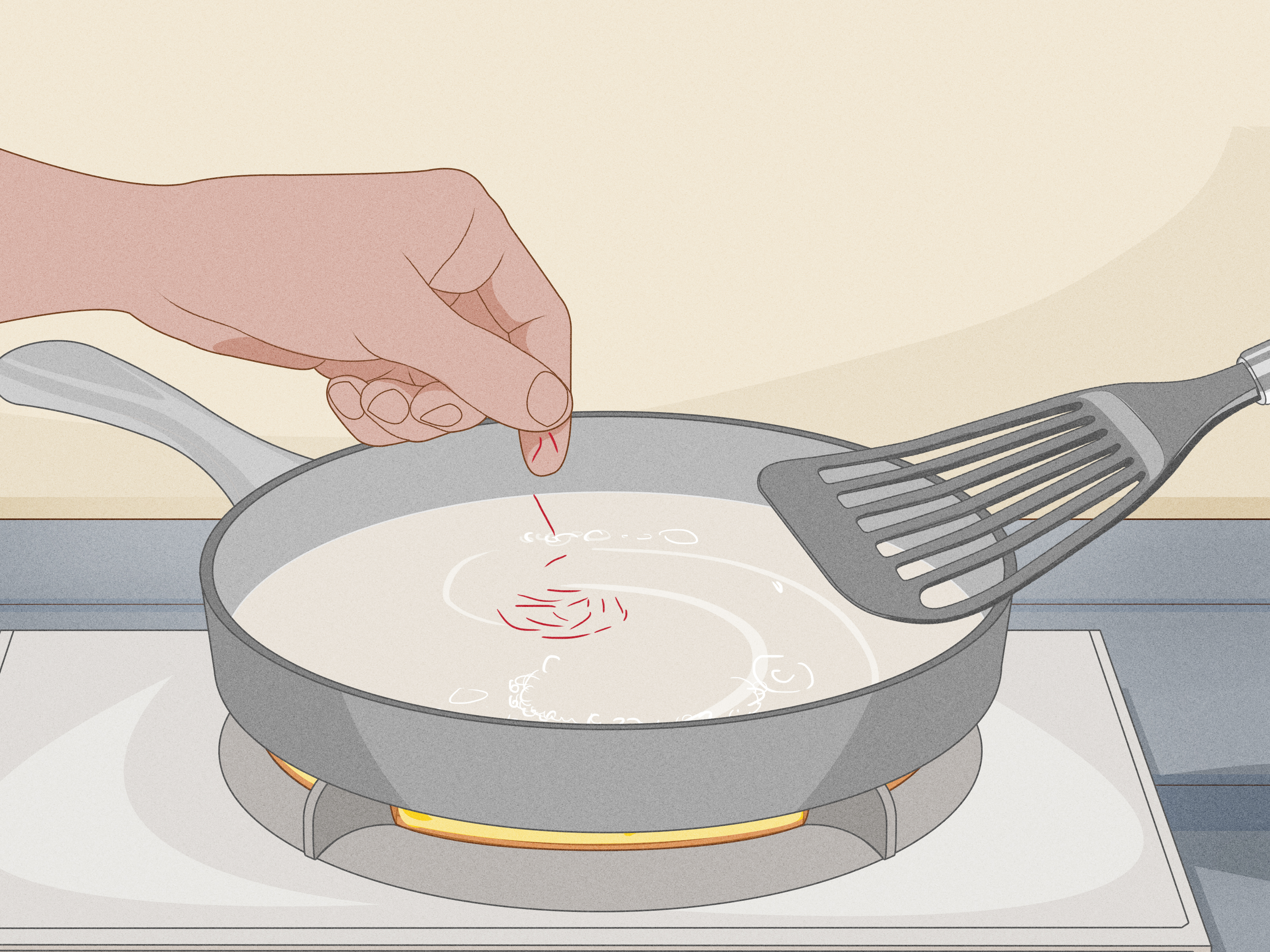
To cook with homegrown saffron, steep a few threads in warm water, broth, or milk before adding them to a recipe. This helps release the color and flavor evenly. A little goes a long way. If your rice turns golden and smells gently floral, congratulations: your garden has officially become fancy.
Step 13: Let the Leaves Feed the Corms
After flowering, leave the grass-like foliage alone. The leaves collect energy that feeds the corms for next year’s bloom. Do not cut, braid, mow, or “tidy” the foliage until it yellows and dies back naturally.
In many regions, saffron foliage grows through fall and winter, then fades as the weather warms. Once the leaves are fully dry, the plant enters summer dormancy. Mark the planting area so you do not accidentally dig it up during spring or summer projects. Saffron corms are not great at shouting, “Hey, I live here!”
Growing Saffron in Containers
Saffron can grow well in containers if the pot drains quickly and receives enough sun. Use a container at least 8 to 10 inches deep with drainage holes. Fill it with a loose, well-draining potting mix. Plant corms about 3 inches deep and 2 to 4 inches apart.
Containers are helpful for gardeners with heavy soil, limited space, or cold winters. In colder zones, pots can be moved to a protected location before severe freezes. However, containers also experience faster temperature swings, so avoid leaving pots exposed to repeated freezing and thawing without protection.
How Much Saffron Can You Harvest?
Saffron yield is small, even from healthy plants. Each flower produces three stigmas. It may take roughly 150 flowers to produce about 1 gram of dried saffron, depending on flower size, drying method, and thread quality. That sounds discouraging until you remember that most recipes use only a pinch.
For a home cook, 50 to 100 corms can be rewarding. You may not become a saffron baron, but you can grow enough for special meals. And unlike many garden crops, saffron stores well when dried properly, so small harvests can accumulate over time.
Common Mistakes When Growing Saffron
Planting in Wet Soil
The fastest way to lose saffron corms is to plant them in soil that stays wet. Use raised beds, sandy loam, or containers if drainage is questionable.
Confusing Saffron Crocus with Other Autumn Flowers
Always confirm the botanical name Crocus sativus. Some plants called autumn crocus are different species and are not saffron.
Harvesting the Wrong Flower Parts
Only the red stigmas are saffron. The yellow stamens are not used as the spice.
Cutting Foliage Too Early
Leaves are the plant’s solar panels. Cutting them too soon weakens next year’s bloom.
Expecting a Huge Harvest Immediately
Saffron is a slow reward crop. First-year flowers may be limited, but plantings often improve as corms settle in and multiply.
How to Maintain Saffron Year After Year
Once established, saffron is fairly low maintenance. Keep weeds down, avoid overwatering, and allow the foliage to mature naturally. In poor soil, a light application of compost or bulb fertilizer after flowering or when leaves begin active growth can help. Avoid heavy nitrogen feeding, which may encourage leaves rather than flowers.
Over time, corms multiply and become crowded. Every 3 to 5 years, dig and divide the clumps during summer dormancy after the leaves have died back. Replant the largest healthy corms at proper spacing. Smaller cormlets can be replanted too, though they may need time before flowering well.
Best Uses for Homegrown Saffron
Homegrown saffron shines in recipes where its color and aroma can spread through liquid. Use it in rice dishes, soups, stews, breads, desserts, and warm drinks. The classic method is to crush or gently crumble a few threads, steep them in warm liquid for 10 to 20 minutes, then add both the liquid and threads to the dish.
Do not dump saffron directly into a dry pan and hope for magic. Saffron releases its best qualities when hydrated. Treat it like tea, not glitter.
Experience-Based Tips for Growing Saffron Successfully
The best experience with saffron begins before planting day. Many gardeners get excited, order a small handful of corms, plant them in a random corner, and then feel disappointed when the harvest fits inside a thimble. A better approach is to decide what kind of saffron grower you want to be. If you want a decorative fall flower with a tiny culinary bonus, plant 15 to 25 corms near a walkway where you can enjoy the blooms. If you want enough saffron for several special meals a year, start closer to 50 or 100 corms. That number sounds large, but saffron crocus is small, and a dense planting does not require a huge bed.
Another useful lesson is to plant saffron where you will actually notice it. The flowers are short and bloom during a busy season when many gardeners are cleaning beds, planting garlic, raking leaves, or pretending the compost pile is “almost managed.” If saffron is hidden behind tall perennials, you may miss the harvest window. Plant it along a path, in a raised bed near the kitchen, or in containers on a sunny patio. The easier it is to check daily during bloom season, the better your harvest will be.
Drainage is the difference between success and sadness. If you are unsure about your soil, grow a trial batch in a container while improving a bed for future planting. A wide, shallow clay or plastic pot with drainage holes can produce a satisfying first harvest. Use a gritty, fast-draining mix and avoid saucers that hold water after rain. In winter, move pots out of extreme wet conditions if needed. Saffron does not want to be babied, but it absolutely refuses to live in soup.
Harvesting also improves with practice. At first, the stigmas may seem impossibly small. After a few flowers, your hands learn the job. Tweezers help, but clean fingers can work if you are gentle. Many home growers prefer picking the whole flower, taking it indoors, and separating the stigmas at a table under good light. This reduces dropped threads, keeps the harvest clean, and feels oddly peaceful. It is like meditation, except at the end you have spice.
Drying is another place where small details matter. Do not pile fresh stigmas together. Spread them thinly so moisture can escape. Once dry, store them in a tiny airtight jar and label the year. The flavor often improves after curing for a few weeks. When cooking, use restraint. Homegrown saffron can be beautifully aromatic, and too much may overpower a dish. Start with a few threads, steep them, and adjust next time.
Finally, think long term. Saffron is not a one-season stunt; it is a quiet perennial project. The first year teaches you timing. The second year teaches you harvest rhythm. By the third year, you begin to understand how your climate, soil, and planting depth affect flowering. Keep notes on planting date, bloom date, weather, and harvest size. Garden notes may not look glamorous, but they are how ordinary gardeners become suspiciously wise.
Conclusion
Learning how to grow saffron is surprisingly simple: plant true Crocus sativus corms in late summer, give them full sun and excellent drainage, harvest the red stigmas in fall, dry them carefully, and let the leaves recharge the corms for next year. The process is easy, but the harvest is delicate and small, which explains why saffron is so valuable.
For home gardeners, saffron offers something rare: beauty, flavor, patience, and bragging rights in one tiny purple flower. You may not harvest pounds of spice, but you can harvest enough to turn a meal golden and say, with completely justified smugness, “I grew that.”
Note: This publish-ready article is synthesized from real horticultural guidance from U.S. extension resources, botanical references, and practical bulb-growing recommendations. It contains no source-link placeholders or citation artifacts.