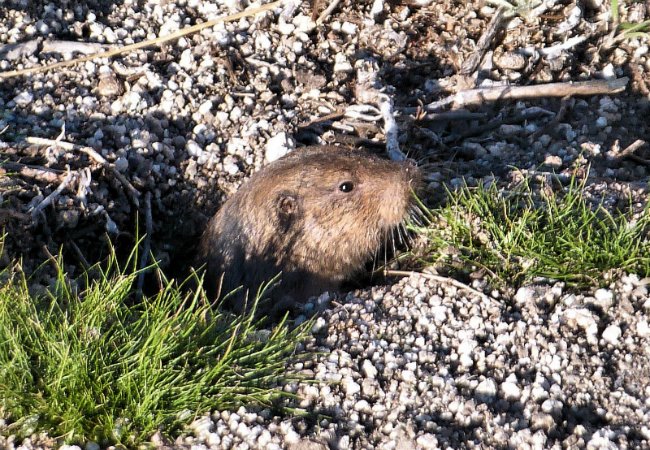
One morning, your lawn looks perfectly respects nor intend to repair the damage. Fresh dirt mounds appear near the garden, a young plant suddenly leans sideways, and an irrigation line begins leaking for no obvious reason. A pocket gopher may have moved in.
These burrowing rodents can damage turf, vegetable gardens, ornamental plants, fruit trees, and underground watering systems. Fortunately, a single gopher often occupies an individual tunnel network, so a yard full of mounds does not necessarily mean an army is gathering beneath the patio. Correct identification, prompt action, and consistent monitoring can make gopher control manageable.
This homeowner’s guide explains how to identify active tunnels, choose an effective control method, protect pets and children, and keep new gophers from turning your landscape into an underground buffet.
Before You Begin: Make Sure the Pest Is a Gopher
Gophers, moles, voles, and ground squirrels can all disturb a yard, but they have different diets and burrowing habits. Using the wrong control method wastes time and may leave the actual culprit happily chewing away.
Signs of pocket gopher activity
- Fan-shaped or crescent-shaped soil mounds
- A plugged tunnel opening located near one edge of the mound
- Plants that wilt, tilt, or disappear into the soil
- Chewed roots, bulbs, tubers, and underground stems
- Damaged plastic irrigation tubing or buried utility coverings
- Few visible surface runways between holes
A mole usually creates more symmetrical, volcano-like mounds and raised surface ridges. Moles primarily hunt worms and insects rather than intentionally eating plant roots. Voles tend to leave narrow surface runways through grass and may gnaw bark near ground level. Ground squirrels spend much more time aboveground and maintain open burrow entrances.
Pocket gophers spend almost their entire lives underground. Their cheek pouches, powerful front legs, long claws, and prominent incisors make them exceptionally well equipped for excavation. In other words, they arrive with their own tool belts.
How Much Damage Can One Gopher Cause?
Quite a lot. A pocket gopher continually expands, repairs, and seals portions of its burrow system while searching for food. The network may include main tunnels, short feeding branches, nesting chambers, and storage areas. A single animal can create numerous mounds, making a solitary gopher look like a much larger infestation.
Gophers feed on roots, grasses, bulbs, vegetables, and other plant material. They may pull an entire young plant underground, a trick that would be impressive if it were not happening to the tomato seedling you spent eight weeks raising.
Their tunnels can also expose roots to air, divert irrigation water, undermine small sections of turf, and create uneven ground. On slopes, disturbed soil may contribute to erosion. Newly planted trees and shrubs are especially vulnerable because damage to a limited root system can quickly affect the entire plant.
Tools and Materials
The supplies you need will depend on the control method, but a typical homeowner setup may include:
- Gopher probe or sturdy metal rod
- Small shovel or hand trowel
- Gopher traps designed for underground tunnels
- Wire and visible stakes or flags
- Work gloves
- Cardboard, plywood, sod, or another tunnel cover
- Hardware cloth for barriers
- Topsoil and grass seed for repairs
Before digging, confirm the location of buried electrical, gas, water, communication, and irrigation lines. Contact the appropriate utility-marking service when necessary. A damaged lawn is annoying; a damaged gas line is a considerably more ambitious weekend project.
How to Get Rid of Gophers Step by Step
Step 1: Find the freshest mounds
Start with new activity rather than weathered piles that may have been abandoned weeks ago. Fresh mounds usually contain darker, looser soil and have sharper edges. Flatten several suspected mounds and inspect the area over the next day or two. A repaired mound or a new pile nearby indicates an active tunnel system.
Mark each active area with a small flag. This creates a simple map and prevents you from repeatedly investigating the same old mound.
Step 2: Locate the main tunnel
The visible mound usually connects to the burrow through a short lateral tunnel. The main runway is generally deeper and may be several inches away from the mound’s plugged side.
Insert a probe into the soil around the suspected location. Push carefully rather than forcefully. When the probe suddenly drops with less resistance, it has probably entered a tunnel. Probe nearby points to estimate the direction of the runway.
Locating the main tunnel is one of the most important parts of gopher removal. A trap placed in an abandoned side branch may spend several days catching nothing except the homeowner’s growing resentment.
Step 3: Open the tunnel carefully
Use a small shovel or trowel to uncover a section of the main runway. Avoid collapsing more of the tunnel than necessary. Clear loose dirt from the opening so the traps can sit correctly and trigger without interference.
Look in both directions to confirm that you have exposed a continuous runway. Because a gopher may approach from either side, two traps facing opposite directions generally provide better coverage than a single trap.
Step 4: Set two gopher traps
Choose traps specifically labeled and designed for pocket gophers. Common options include pincer-style, box-style, and choker-style traps. Follow the manufacturer’s setup instructions because trigger mechanisms vary.
Place one trap in each direction along the main tunnel. Position them securely so they do not wobble or become clogged with soil. Many gopher traps do not require food bait; correct placement in an active runway is usually more important than adding a snack.
Tie each trap to a strong wire, then anchor the wire to a stake aboveground. The stakes help you relocate the traps and prevent an animal or scavenger from carrying one deeper into the tunnel.
Step 5: Cover the excavation
Depending on the trap design and local expert recommendations, cover the opening with cardboard, plywood, sod, or another sturdy material. Block most light while preventing soil from falling onto the triggers. Some trapping systems are intended for an open-hole setup, so follow the directions supplied with the particular trap.
Keep children and pets away from the area. Mark the site clearly so nobody steps into the excavation or investigates it with curious fingers.
Step 6: Inspect the traps regularly
Check traps at least once every day and more often when required by local law or the product instructions. Wear gloves when handling traps or animals, and wash your hands afterward.
If there is no result within two or three days, move the traps to another active tunnel. A gopher may have sealed the branch, detected the disturbance, or shifted its activity elsewhere. Repositioning is usually more productive than leaving an unsuccessful setup in place indefinitely.
Step 7: Confirm that activity has stopped
After removing a gopher, level the existing mounds and monitor the property for at least one to two weeks. New soil piles indicate that another animal has occupied the old burrow system or entered from nearby land.
Do not assume the problem is over simply because the first traps were successful. Empty tunnels are prime gopher real estate: spacious rooms, convenient food nearby, and absolutely no closing costs.
Can You Use Gopher Bait?
Rodenticide bait is available for pocket gopher control in some states and at certain sites, but it carries greater risks than trapping. Products may contain active ingredients such as zinc phosphide. These materials can poison people, pets, livestock, and wildlife when stored or applied incorrectly.
Never purchase a pesticide unless the label specifically lists pocket gophers and the intended treatment site. A product labeled for an agricultural field may not be legal for a residential lawn. Never scatter gopher bait aboveground or improvise an application method. The label is a legal requirement, not light reading included to keep the container company busy.
Keep bait in its original package and store it in a locked area inaccessible to children and animals. Dogs may dig into treated burrows, and some baits contain food ingredients that pets find attractive. If there is any realistic possibility of pet access, trapping or professional removal is the safer choice.
Anyone who suspects that a person or pet has contacted or swallowed rodenticide should immediately follow the first-aid instructions on the label and contact the appropriate poison-control service, veterinarian, or emergency professional.
Should You Fumigate a Gopher Burrow?
Burrow fumigants and smoke-producing products are not ideal for most do-it-yourself residential situations. Some fumigants are restricted-use pesticides that may be applied only by certified professionals. Certain products are prohibited near homes, buildings, schools, hospitals, or places occupied by people and domestic animals.
Gopher tunnels are often closed and extensive, which can limit the movement and effectiveness of smoke. Escaping gas may also enter unintended spaces. Never use automotive exhaust, homemade smoke devices, gasoline, propane, explosives, or other improvised methods. These techniques can cause fire, carbon monoxide exposure, soil contamination, or serious injury.
Homeowners considering fumigation should contact a licensed wildlife-control or pest-management professional who understands local regulations, soil conditions, product restrictions, and nearby structural risks.
Gopher Repellents and Home Remedies: What Actually Works?
The internet offers a long parade of gopher remedies: chewing gum, human hair, pet waste, peppermint oil, fabric-softener sheets, vibrating stakes, ultrasonic devices, laxatives, mothballs, and plants advertised as natural repellents.
Research-based extension guidance generally finds that sound devices, vibration products, frightening methods, and homemade repellents do not provide dependable long-term control. A gopher may temporarily avoid a disturbed tunnel, but avoidance is not the same as leaving the property.
Castor-oil products are sometimes marketed for burrowing pests. Results can vary, and a repellent may simply move activity from one corner of the lawn to another. Repellents should not be the primary strategy when plants, irrigation systems, or valuable landscaping are already being damaged.
Mothballs should never be placed in animal burrows unless a product label specifically permits that use. Mothballs are pesticides intended for labeled applications, not an all-purpose wildlife eviction notice.
How to Prevent Gophers From Returning
Install barriers beneath raised beds
Line the bottoms of new raised beds with galvanized hardware cloth before adding soil. Select a durable mesh with openings small enough to prevent gophers from squeezing through. Attach it securely to the bed frame and overlap seams so there are no convenient entry gaps.
Protect valuable plants
Wire baskets can help protect bulbs, young trees, shrubs, and individual root balls. Leave enough room for future root growth and use corrosion-resistant material. Completely enclosing a mature root system may be impractical, so prioritize vulnerable new plantings.
Create an underground perimeter barrier
Small gardens and high-value landscaped areas may benefit from buried hardware cloth. Research-based recommendations commonly call for a barrier extending roughly 2 feet underground, with the bottom bent outward to discourage digging beneath it. Extending part of the barrier aboveground can reduce overland entry.
Installation requires considerable labor and may not be economical around an entire property, but it can be worthwhile around a compact vegetable garden or specialty planting.
Reduce easy food and cover
Manage weeds and volunteer vegetation around garden borders. This will not make a yard gopher-proof, but it can reduce food and make new mounds easier to spot. Prompt detection is important because controlling one new tunnel system is simpler than responding after multiple animals have established neighboring territories.
Inspect irrigation systems
Check underground lines after signs of gopher activity appear. Unexplained wet spots, pressure loss, or dry sprinkler zones may point to damaged tubing. Repair leaks promptly because consistently moist, plant-rich soil can remain attractive habitat.
When to Call a Professional
Professional gopher control may be appropriate when:
- New mounds appear across a large property.
- Repeated trapping attempts have failed.
- Burrows are close to foundations, utilities, retaining walls, or septic equipment.
- Children, pets, livestock, or protected wildlife make pesticide use especially risky.
- The homeowner cannot safely dig, kneel, or operate traps.
- Local wildlife regulations are unclear.
Ask the contractor which methods will be used, whether pesticides are involved, how traps will be monitored, and what prevention measures are included. A qualified provider should be willing to discuss licensing, safety precautions, and realistic expectations.
Homeowner Experiences: Lessons From Real-World Gopher Problems
The following scenarios reflect common homeowner experiences rather than a claim that every gopher will behave identically. Soil type, weather, neighboring habitat, landscaping, and the layout of the burrow can all affect the outcome.
Experience 1: The mistake of treating every mound
A homeowner discovers eight dirt piles along a backyard fence and assumes eight gophers have arrived. He opens every mound, sets traps in several shallow branches, and waits. Nothing happens. More soil appears near the vegetable bed two days later.
The problem is not necessarily the traps. Most of them were placed in plugged side tunnels the gopher had little reason to revisit. After flattening the old mounds and watching for fresh activity, the homeowner identifies one newly repaired area. Careful probing reveals the deeper main runway several inches away from the mound. Two traps placed in opposite directions produce a result the following morning.
The practical lesson is simple: fresh activity and correct tunnel placement matter more than the number of holes you dig. One well-positioned pair of traps can outperform a yard full of randomly placed equipment.
Experience 2: Winning the battle but losing the garden bed
Another homeowner removes a gopher from beneath a raised vegetable bed and considers the problem solved. A month later, new seedlings begin disappearing. A second gopher has entered through the same established tunnel network.
When the bed is rebuilt, galvanized hardware cloth is secured across the entire bottom before fresh soil is added. The homeowner overlaps the mesh at the seams and fastens it to the wooden frame rather than simply laying it loosely on the ground. New activity later appears in the surrounding lawn, but the vegetables remain protected.
This experience demonstrates the difference between control and prevention. Trapping removes the animal currently causing damage. Exclusion protects the investment when the next gopher arrives.
Experience 3: The repellent shuffle
A homeowner tries scented granules after noticing mounds near a flower border. For several days, the area appears quiet. Then a fresh mound emerges beside the lawn, followed by another near the irrigation valve box. The gopher did not leave; it shifted its activity.
Repellents can create the impression of success when the animal temporarily avoids a treated branch. Monitoring the entire property reveals whether activity truly stopped. In this case, trapping in the newly active runway resolves the problem, while barriers are added around the most valuable plants.
Experience 4: Ignoring the neighbor’s side of the fence
A homeowner successfully controls gophers each spring but sees new mounds return several months later. The property borders an undeveloped lot with abundant vegetation and visible burrowing activity. The yard is not repeatedly “failing” at gopher control; it is being recolonized from nearby habitat.
The realistic solution is ongoing monitoring rather than expecting permanent elimination. The homeowner keeps a probe, flags, and traps ready, checks the fence line weekly during periods of increased activity, and responds to the first fresh mound. This turns a major landscaping problem into occasional maintenance.
Experience 5: When professional help costs less
A large property develops dozens of mounds around fruit trees and irrigation lines. The owner purchases several gadgets, tries multiple home remedies, and spends several weekends opening abandoned tunnels. Meanwhile, two young trees decline and a buried water line begins leaking.
A licensed professional maps the active systems, places appropriate traps, and recommends root-zone barriers for replacement trees. The service costs money, but it prevents further plant loss and water damage. Professional treatment is not automatically necessary for one gopher in a small lawn, yet it can be economical when the affected area, infrastructure, or value of the landscaping is substantial.
Across these experiences, the most reliable approach is not a secret ingredient. It is a process: identify the pest, locate active main tunnels, use a proven control method, protect vulnerable areas, and continue monitoring. Gophers are persistent, but homeowners can be persistent tooand homeowners have flags, hardware cloth, and access to the weather forecast.
Final Thoughts
The best way to get rid of gophers in a residential yard is usually to act early and focus on active tunnels. For a small infestation, properly placed gopher traps provide a targeted solution without introducing poison into the landscape. Underground barriers can then protect raised beds, bulbs, shrubs, and young trees from future damage.
Rodenticides and fumigants require considerably more caution. Always verify that a product is legal for the pest, location, and application method, and follow every instruction on the label. When burrows are extensive, close to structures, or difficult to access safely, hire a qualified professional.
Note: Wildlife-control and pesticide regulations vary by state and municipality. Check current local rules before trapping, relocating, baiting, or otherwise controlling pocket gophers.