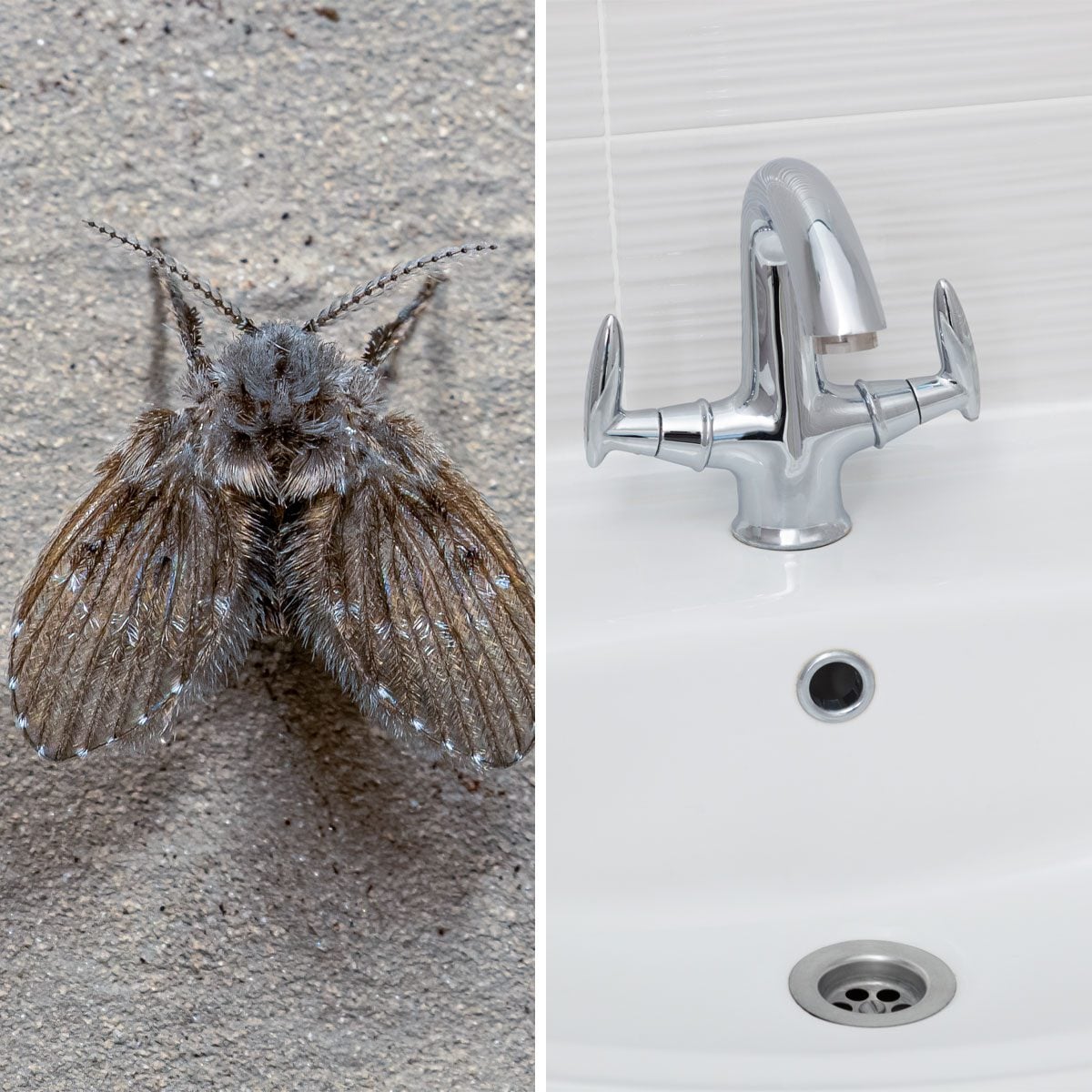
Drain flies are the tiny, fuzzy, suspiciously relaxed insects that appear near your sink as if they signed a lease. They do not bite, they do not chew through your cabinets, and they are not plotting world domination. Still, seeing little moth-like flies hovering around your bathroom drain or kitchen sink is enough to make anyone stare at the plumbing and whisper, “What is happening in there?”
The short answer: drain flies usually mean moisture plus organic buildup. The longer answer is that these pests breed in the slimy film inside drains, garbage disposals, overflow pipes, floor drains, drip pans, wet grout, and other damp spots where organic debris collects. To get rid of drain flies for good, you have to stop treating the adults like the main problem and start removing the breeding site. Swatting them is satisfying, sure, but it is not a strategy. It is cardio.
This guide explains how to identify drain flies, find their source, clean bathroom and kitchen drains properly, avoid common mistakes, and prevent them from returning. The goal is not just fewer flies today. The goal is a sink that no longer doubles as a tiny insect nursery.
What Are Drain Flies?
Drain flies are also called moth flies, sewer flies, filter flies, or sink flies. Adult drain flies are small, usually around 1/16 to 1/4 inch long, with fuzzy bodies and wings that often rest roof-like over the body. They look a little like miniature gray or brown moths that failed flight school. They are weak fliers and usually move in short, jumpy bursts near drains, sinks, tubs, showers, toilets, floor drains, and damp walls.
The adult flies are the stage you notice, but the real problem usually lives out of sight. Female drain flies lay eggs in moist organic material. The larvae feed on bacteria, algae, fungi, and decaying matter in the gelatinous film that lines drains and other wet areas. Depending on warmth and conditions, their life cycle can move quickly, which is why a few flies can become a daily annoyance before you have finished blaming the fruit bowl.
Are Drain Flies Dangerous?
In most homes, drain flies are considered nuisance pests. They do not bite people or pets. They do not sting. They do not damage wood, fabric, food packaging, or houseplants. That said, they breed in unsanitary places, and their presence can signal a moisture, sanitation, or plumbing issue that deserves attention.
Because they develop in drains, sewage-related buildup, or wet organic sludge, they may mechanically carry microorganisms from dirty sites to cleaner surfaces. In large numbers, dead insects and fragments may also bother sensitive people. For an average household, the bigger issue is not panic-level danger; it is the message they are sending: something wet and grimy is feeding them. Your drain is basically sending a tiny fuzzy memo.
How To Tell Drain Flies From Fruit Flies and Fungus Gnats
Before you start cleaning every drain like you are preparing for a plumbing inspection show, make sure you are dealing with drain flies.
Drain flies
Drain flies are fuzzy, moth-like, dark gray to brown, and often found resting on walls near sinks, tubs, showers, and floor drains. They fly poorly and usually stay close to the source.
Fruit flies
Fruit flies are smoother, faster, and often tan or yellowish with red eyes. They usually gather around ripe fruit, fermenting liquids, trash, recycling bins, wine bottles, soda cans, or sticky food residue.
Fungus gnats
Fungus gnats are slender, mosquito-like flies that commonly come from overwatered houseplants. If the tiny flies rise from potting soil when you water a plant, the sink is probably innocent this time.
Location is a huge clue. If the flies are mostly on bathroom walls, around a shower, near a sink overflow, or hovering above a floor drain, drain flies are likely. If they are staging a conference around bananas, investigate fruit flies first.
Step 1: Find the Drain Fly Source
The most important step in getting rid of drain flies is finding where they are breeding. Do not assume the nearest sink is guilty. Drain flies can emerge from multiple drains or from a hidden damp area nearby. A kitchen infestation may come from the garbage disposal, but it may also come from the dishwasher drain hose, floor drain, recycling bin, or refrigerator drip pan. A bathroom problem may come from the shower drain, sink overflow, toilet seal, cracked tile, or a rarely used guest bathroom.
Use the tape test
At night, dry the drain opening as much as possible. Place strips of clear tape or duct tape over part of the drain opening, sticky side down, leaving some gaps for airflow. Do not completely seal the drain, because flies may not emerge if airflow is blocked. In the morning, check the tape. If tiny flies are stuck to it, that drain is probably a source.
Try the cup or jar test
Lightly coat the inside of a clear cup or jar with petroleum jelly or vegetable oil. Invert it over the drain overnight. Any drain flies emerging from the pipe may stick inside the container. This method works well when tape will not stay put on wet tile or metal.
Inspect more than one location
Test all nearby drains for two or three nights. Drain flies may be breeding in more than one place, especially in bathrooms with both a sink and shower or in kitchens with a sink, disposal, dishwasher connection, and floor drain.
Common Drain Fly Breeding Sites in Bathrooms
Bathrooms are drain fly paradise because they provide moisture, soap film, hair, skin cells, toothpaste residue, and quiet drains. Lovely for them. Deeply rude for you.
- Shower drains and tub drains
- Sink drains and sink overflow holes
- Floor drains in laundry rooms or basements
- Toilet bases with damaged wax rings
- Wet grout, loose tiles, or cracked caulk
- Unused guest bathroom drains with dry P-traps
- Leaky pipes under vanities
If drain flies suddenly appear in an unused bathroom, run water in the sink, tub, shower, and floor drain. A dry P-trap can allow sewer odors and insects to move through. If flies continue after flushing, inspect for buildup or plumbing issues.
Common Drain Fly Breeding Sites in Kitchens
Kitchens offer drain flies a buffet of grease, food particles, dish soap film, and moisture. Even a kitchen that looks clean can have hidden buildup inside the drain line or garbage disposal.
- Kitchen sink drains
- Garbage disposals
- Dishwasher drain connections
- Floor drains
- Recycling bins with soda, juice, or beer residue
- Trash cans with damp liners
- Refrigerator or air conditioner drip pans
- Mop buckets, wet rags, and sponges
In kitchens, do not stop at the sink. Pull out the trash can, check under the sink for leaks, rinse recycling containers, and look for food sludge around rubber disposal flaps. Drain flies are not picky. They will happily raise a family in a forgotten puddle under an appliance.
Step 2: Clean the Drain Mechanically
The best way to get rid of drain flies is to remove the organic film where eggs and larvae develop. Pouring something down the drain may help, but mechanical cleaning is usually the difference between “I saw fewer flies” and “they are finally gone.”
What you need
- Rubber gloves
- A stiff drain brush or long bottle brush
- A drain snake, if the drain is slow
- Dish soap or a non-corrosive drain cleaner
- Enzyme or bacterial drain gel
- Hot water
- Paper towels or disposable rags
How to scrub a bathroom sink or shower drain
- Remove the drain cover or stopper if possible.
- Pull out hair and visible debris. Yes, it will be gross. No, we do not make the rules.
- Use a stiff brush to scrub the inside walls of the drain, especially the upper pipe area where slime builds up.
- Clean the drain cover, stopper, and surrounding ring.
- Flush with hot water.
- Apply an enzyme or bacterial drain gel according to the product label, usually at night so it can sit undisturbed.
If the drain is slow, snake it first. Slow drains create more buildup, and more buildup creates more drain flies. It is the circle of grime, and it is not nearly as charming as a nature documentary.
Step 3: Treat the Drain for Several Days
Drain fly control usually takes persistence because eggs, larvae, pupae, and adults can overlap. One cleaning session can help a lot, but a three-week maintenance window is often smarter if the infestation has been active for a while.
After scrubbing, use an enzyme or bacterial drain cleaner. These products are designed to cling to pipe walls and break down organic matter. They are not instant insecticides; they work by removing the food and habitat drain fly larvae need. Follow the label carefully. Many products work best when applied before bedtime, after the drain will not be used for several hours.
For mild cases, a few nights of treatment may be enough. For heavier infestations, repeat the treatment as directed and keep checking with tape traps. When the tape test stays clear and adult flies disappear, you are winning.
Do Baking Soda and Vinegar Kill Drain Flies?
Baking soda and vinegar can help loosen light residue and deodorize drains, but they should not be treated as a guaranteed drain fly cure. The fizz looks dramatic, like a tiny science fair volcano, but it may not remove the sticky biofilm deep inside the drain where larvae live.
If you want to use this method, pour baking soda into the drain, follow with vinegar, let it bubble, wait several minutes, then flush with hot water. It is fine as a supplemental cleaning step, but for real infestations, scrubbing and enzyme treatment are more reliable.
Does Bleach Get Rid of Drain Flies?
Bleach is one of the most common drain fly myths. It may kill some organisms it contacts, but it often runs past the slimy film too quickly to remove the breeding material. Bleach can also be hard on plumbing, septic systems, and indoor air if misused. Most importantly, never mix bleach with ammonia, acids, vinegar, or other cleaners. Dangerous fumes can result.
If you use any chemical drain product, follow the label, ventilate the area, wear gloves, and avoid mixing products. For long-term drain fly removal, think “remove the sludge,” not “perfume the pipe with chemicals.”
What About Boiling Water?
Hot water can help flush loosened organic matter after scrubbing. However, be careful with boiling water. Very hot water can damage some plastic pipes, loosen seals, or crack porcelain if poured carelessly into a cold fixture. If you know your plumbing can handle it, hot water may be useful. If you are unsure, use very hot tap water instead and rely more heavily on brushing and enzyme gel.
How To Get Rid of Drain Flies in a Bathroom
For a bathroom infestation, start with the drain where you see the most adult flies. Then expand your search.
- Run the tape test on the sink, shower, tub, and floor drain.
- Remove and scrub drain covers, stoppers, and strainers.
- Brush inside the drain walls to remove organic film.
- Clean the sink overflow hole with a small brush or flexible cleaning tool.
- Check under the sink for leaks or damp cabinet flooring.
- Inspect the toilet base for movement, odor, staining, or a failing wax ring.
- Repair cracked caulk, loose tile, or wet grout where organic matter may collect.
- Apply enzyme drain gel as directed for several nights.
- Keep the bathroom ventilated and dry between uses.
Do not ignore the sink overflow. That little hole near the rim of the sink can collect toothpaste, soap scum, and biofilm. Drain flies are tiny enough to treat it like a studio apartment.
How To Get Rid of Drain Flies in a Kitchen
Kitchen drain fly control focuses on removing grease and food buildup.
- Clean the sink drain and disposal splash guard.
- Scrub under removable rubber disposal flaps where slime collects.
- Run cold water while using the disposal, then clean it with dish soap and a brush if accessible.
- Use a drain brush to scrub the drain walls.
- Apply enzyme or bacterial drain gel at night according to the label.
- Rinse bottles, cans, and containers before placing them in recycling.
- Wash trash cans and recycling bins if sticky residue is present.
- Check under the sink, dishwasher, refrigerator, and nearby appliances for leaks or drip pans.
- Keep sponges, brushes, and dishcloths dry or replace them frequently.
If you have a restaurant-style floor drain or basement drain near the kitchen, inspect it carefully. Food sludge can build up around drain edges, cracks, and floor seams. A putty knife, brush, and enzyme cleaner can make a major difference.
Adult Drain Fly Traps: Helpful, But Not Enough
Sticky traps, light traps, and vinegar traps can catch adult flies, but they do not remove larvae inside the drain. Use traps as monitors, not as the whole plan. If traps keep catching flies after several days of cleaning, you may have missed a breeding site.
A simple apple cider vinegar trap may catch some small flies, especially fruit flies, but drain flies are not always strongly attracted to it. If vinegar traps work poorly and flies remain near drains, that is another clue you need to scrub plumbing, not just bait adults.
How Long Does It Take To Get Rid of Drain Flies?
Light infestations may improve within a few days after proper cleaning. Moderate or stubborn infestations may take two to three weeks of cleaning, drain treatment, and monitoring. The timeline depends on how many breeding sites exist and whether the organic film has been fully removed.
If you clean one sink but ignore a shower drain, the flies may seem to “come back,” even though they never really left. They simply continued the party in another pipe. The best approach is to inspect every moist source in the room and nearby rooms.
Prevention: How To Keep Drain Flies From Coming Back
Once the flies are gone, prevention is simple but not glamorous. Drain flies love neglected moisture and organic buildup, so your job is to make your home less like a spa for sewer gnats.
- Clean bathroom and kitchen drains regularly.
- Use drain strainers to catch hair and food particles.
- Flush rarely used drains weekly to keep P-traps filled.
- Fix leaky pipes, dripping faucets, and loose toilet seals.
- Clean garbage disposals and sink overflows.
- Rinse recycling containers before storing them indoors.
- Keep trash cans dry and wash them when residue builds up.
- Empty mop buckets and hang mops so they dry quickly.
- Check refrigerator and air conditioner drip pans.
- Improve bathroom ventilation after showers.
A monthly enzyme drain treatment can help in problem drains, especially showers, floor drains, and kitchen sinks. It is easier to prevent slime than to evict a mature drain fly civilization.
When To Call a Plumber or Pest Control Professional
Most drain fly problems can be handled with inspection, scrubbing, moisture control, and enzyme treatment. However, persistent infestations may point to something more serious.
Call a plumber or pest control professional if flies continue after two to three weeks of careful cleaning, if you smell sewer odors, if a toilet rocks or leaks at the base, if drains are slow throughout the home, or if flies appear from cracks in floors or walls. Hidden leaks, broken drain lines, damaged wax rings, wet crawlspaces, or sewage seepage can create breeding sites that homeowners cannot easily reach.
Also consider professional help if the infestation is in a commercial kitchen, healthcare setting, school, or apartment building. In shared plumbing systems, the source may not be limited to one unit.
Common Mistakes That Make Drain Fly Problems Worse
Only killing adult flies
Sprays may knock down visible adults, but more flies will emerge if larvae remain in the drain film. Adult control is temporary unless the breeding site is removed.
Pouring random chemicals down the drain
Mixing cleaners can be dangerous. Pesticides should not be poured into drains unless the product label specifically allows that use. When in doubt, choose mechanical cleaning and enzyme drain treatment.
Forgetting hidden moisture
A clean sink will not solve a leak under the cabinet. Look for damp wood, musty odors, stained drywall, wet grout, and puddles under appliances.
Stopping too soon
If you see fewer flies after one cleaning, keep going for several more days. Breaking the life cycle requires consistency.
Real-Life Experience Notes: What Actually Works in Bathrooms and Kitchens
In real homes, drain fly problems rarely look like a neat textbook example. They usually begin with one tiny fly on the bathroom mirror. Then another appears near the sink. Then one lands on the shower wall while you are trying to enjoy a peaceful morning, and suddenly you are investigating the drain like a detective in rubber gloves.
One common experience is the “clean bathroom, dirty drain” surprise. The tile sparkles, the counter is wiped, the towels are folded, and yet drain flies keep appearing. That happens because the visible room can be spotless while the inside of the drain contains hair, soap scum, shampoo residue, and biofilm. A homeowner may pour bleach down the drain for three nights and feel victorious, only to see flies return by the weekend. The turning point is usually removing the drain cover and physically brushing the pipe walls. The first pull of the brush may produce a horror-movie clump, but after that, the problem often starts improving quickly.
Kitchen cases can be sneakier. The sink may drain normally, but the garbage disposal splash guard hides grease and food film underneath. People often clean the sink basin and forget the rubber flaps. Once those flaps are lifted and scrubbed, the smell improves and adult flies drop off. Another frequent culprit is recycling. A few unrinsed soda cans or juice bottles can attract small flies and confuse the diagnosis. When both the drain and recycling bin are cleaned, the kitchen suddenly stops feeling like an insect lounge.
Guest bathrooms create another classic scenario. A bathroom that is barely used can develop a dry trap, allowing sewer odors or insects to enter. Running water weekly through the sink, shower, and floor drain often prevents that. For floor drains, adding water slowly and regularly is a small habit that saves a lot of annoyance. In some cases, a splash of mineral oil after filling the trap may slow evaporation, though local plumbing advice should be followed.
The most successful approach is boring but effective: test, scrub, treat, repeat. Tape the suspected drain overnight. Clean the confirmed source. Use enzyme gel as directed. Keep the area dry. Check again. Do not declare victory after one quiet day, because adults may continue emerging briefly. Give the process time.
Another practical lesson: smell matters. If drain flies come with a sewer odor, bubbling drains, or water stains, do not keep dumping cleaners into the pipe and hoping for plumbing miracles. That may be a sign of a broken seal, dry trap, venting issue, or leak. Drain flies are sometimes the messenger. Annoying messenger? Absolutely. But still useful.
In short, the best real-world solution is not the fanciest spray or the strongest chemical. It is source removal. When the slime is gone, the larvae lose their food. When the moisture is controlled, the breeding site disappears. When the drain is maintained, the flies stop coming back. It is not glamorous work, but neither is sharing your bathroom with fuzzy sewer gnats.
Conclusion
To get rid of drain flies in your bathroom and kitchen, focus on the source. These pests breed in moist organic buildup, not in thin air. Identify the active drain or damp area with a tape or cup test, scrub away the film inside drains, use enzyme or bacterial drain treatments as directed, and fix leaks or moisture problems. Adult traps can help you monitor progress, but they will not solve the infestation alone.
Drain flies are usually not dangerous, but they are a sign that something needs cleaning, drying, repairing, or maintaining. Give drains a little routine attention, and your home can go back to being a place for people, pets, and maybe one dramatic houseplant not a nursery for tiny bathroom moths.