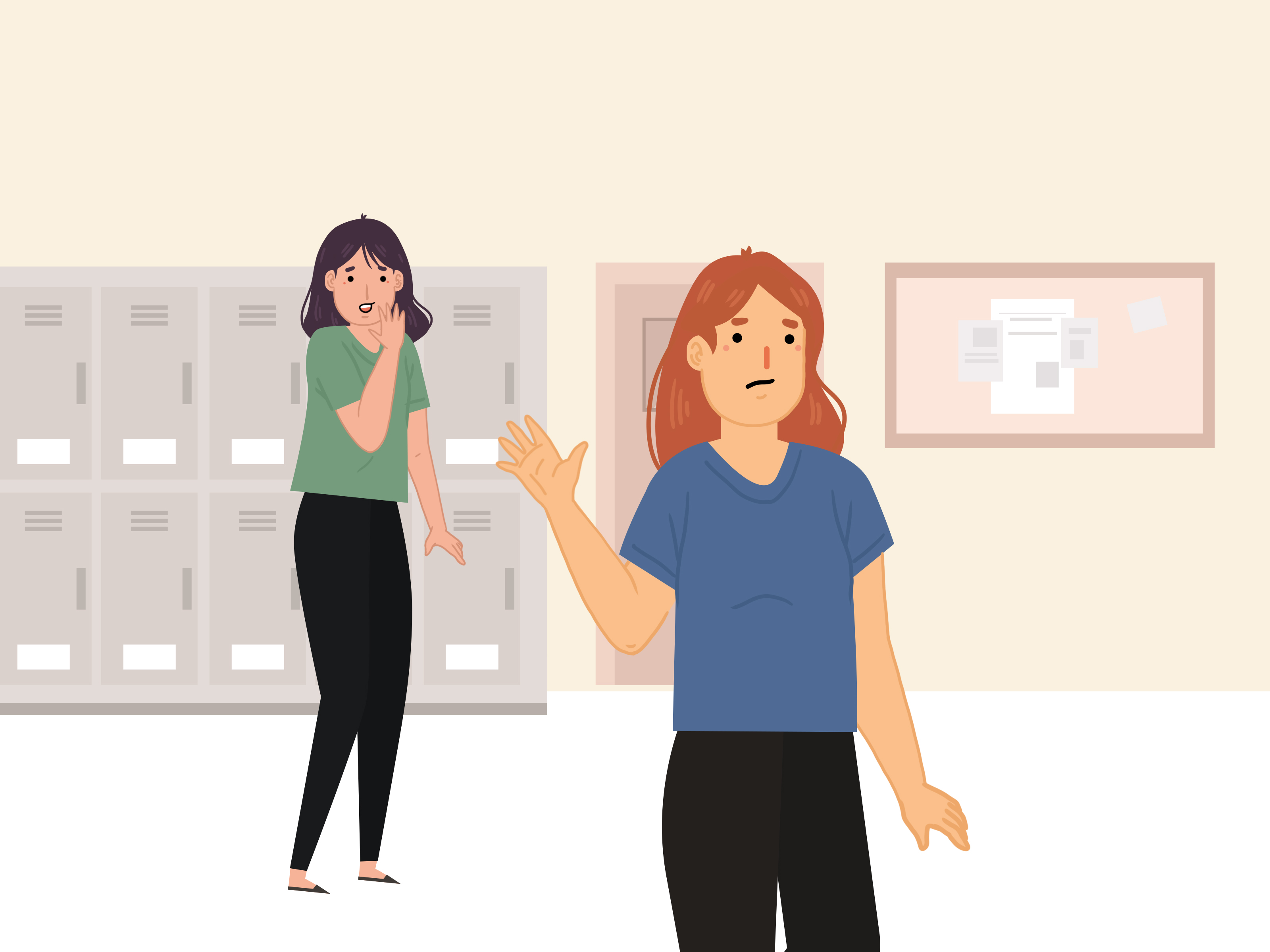
Fighting with your best friend feels uniquely awful. This is the person who knows your coffee orden life becomes unnecessarily cinematic. When the two of you stop speaking, even an ordinary Tuesday can feel like the emotional finale of a prestige television drama.
The good news is that conflict does not automatically mean a friendship is ending. Disagreements are normal in close relationships, and repairing them can sometimes create more trust than pretending nothing ever goes wrong. The trick is to stop trying to win the argument and start trying to understand what damaged the connection.
Whether the fight began with a forgotten invitation, a sarcastic comment, a broken promise, or a group-chat message that should have remained safely inside your brain, the following steps can help you calm things down, communicate clearly, and decide what a healthy path forward looks like.
First, Stop the Fight from Getting Bigger
Take a Real Cooling-Off Break
When emotions are running hot, your brain is not exactly applying for Employee of the Month. Anger can increase physical arousal, narrow your attention, and make every sentence sound more hostile than it may have been. Trying to solve the entire friendship while you are furious often leads to louder voices, longer messages, and screenshots that develop their own social lives.
Pause the conversation before either person says something designed to cause permanent damage. Tell your friend that you want to continue talking after you have both calmed down. A break should not be punishment or the silent treatment. It should have a clear purpose and, when possible, a rough ending point.
You might say, “I care about fixing this, but I’m too upset to talk productively right now. Can we take an hour and speak tonight?” Conflict-resolution guidance commonly recommends calming down before returning to a difficult conversation because intense stress can interfere with careful listening and reasoning. Recruit an Audience
A friendship fight is not a public election. You do not need campaign posters, celebrity endorsements, or six mutual friends announcing that you are clearly the reasonable one.
Talking privately with one trustworthy, uninvolved person can help you organize your thoughts. Turning the conflict into group gossip is different. It pressures friends to choose sides, embarrasses the other person, and makes reconciliation harder because the original disagreement now has guest stars.
Avoid vague social media posts, strategic unfollowing ceremonies, and screenshots sent “just for context.” Public callouts, ghosting, and talking behind someone’s back rarely solve the underlying problem and may create new harm long after the initial anger has faded.
Figure Out What the Fight Is Really About
Separate the Trigger from the Deeper Hurt
The stated topic of a fight is not always the real topic. You may appear to be arguing about a canceled dinner, but the deeper issue could be feeling unimportant. You may be furious about a joke because it exposed something personal in front of other people. The fight may have started with one missed text but gained power from months of feeling ignored.
Before contacting your friend, ask yourself four questions:
- What exactly happened?
- What emotion did I experience?
- What meaning did I attach to their behavior?
- What do I need now?
For example, “You did not respond for two days” is an observable event. “You do not care about me” is an interpretation. Your interpretation may be understandable, but distinguishing it from the event gives your friend room to explain without forcing them to defend their entire character.
Examine Your Own Contribution
Accountability does not mean accepting blame for everything. It means identifying the part you genuinely own. Maybe your friend acted unfairly, but you responded by insulting them. Maybe you raised a valid concern in the least charming way available. Maybe you assumed bad intentions instead of asking a question.
Try completing this sentence honestly: “Even though I still believe my concern was valid, I regret that I…”
Your answer might be that you shouted, interrupted, spread the argument to other people, used an old insecurity as ammunition, or disappeared without explaining that you needed space. Owning your behavior makes the upcoming conversation less defensive and more balanced.
Choose the Right Way to Reach Out
Use Text to Open the Door, Not Conduct the Trial
Text messages are useful for arranging a conversation, but they are risky for resolving emotionally complicated conflicts. Tone is easy to misread, paragraphs arrive before the other person can respond, and a three-dot typing bubble can somehow become a psychological thriller.
Research published in 2026 found that spoken disagreement can lead to greater understanding and lower conflict than written disagreement. A phone call or face-to-face conversation allows both people to hear tone, ask immediate questions, and correct misunderstandings before they multiply. opening message is enough:
“I hate how things ended between us. Our friendship matters to me, and I’d like to talk when we’re both ready.”
This message does not demand instant forgiveness. It shows care, takes the conflict seriously, and invites cooperation.
Pick a Calm, Private Setting
Choose a place where neither person feels trapped or publicly exposed. A walk, quiet coffee shop, park bench, or private room may work better than a crowded party or the five minutes before an important meeting.
If you believe the conversation could become threatening or physically unsafe, do not meet privately. Use a public setting, involve a trusted person, or communicate from a safe distance. Repairing a friendship is valuable; risking your safety to prove your sincerity is not.
How to Talk Through the Fight
Begin with the Value of the Friendship
Starting gently can reduce defensiveness. Instead of opening with a prosecutor-style list of charges, explain why you are having the conversation.
“You are one of my closest friends, and I don’t want this resentment sitting between us.”
This does not erase the problem. It clarifies that your goal is repair rather than humiliation. Friendship research and conflict guidance emphasize expressing that the relationship matters while discussing hurts directly instead of allowing them to fester. ecific “I” Statements
Compare these two statements:
Accusation: “You are selfish and never think about anyone else.”
Clear complaint: “I felt hurt when you shared that story after I asked you to keep it private.”
The first attacks personality. The second names a behavior and its impact. This distinction matters because people can discuss and change a behavior. Defending their entire moral identity is a much larger assignment.
A useful formula is:
“I felt [emotion] when [specific event happened] because [why it mattered]. What I need going forward is [reasonable request].”
For example: “I felt embarrassed when you joked about my breakup in front of everyone because I told you that privately. Going forward, I need personal things to stay between us.”
Discuss One Problem at a Time
Do not bring the entire friendship archive into the conversation. Phrases such as “You always,” “You never,” and “This is exactly like what happened three summers ago” tend to transform a solvable incident into an exhausting historical documentary.
Stay with the current issue. Older patterns can be discussed later if they are genuinely relevant, but piling them together makes it almost impossible to reach a clear solution.
Listen Without Preparing Your Counterattack
Active listening means trying to understand both the content of your friend’s message and the emotion beneath it. It does not require agreeing with every detail. It requires showing that you heard what was said before presenting your own position.
Let your friend finish. Then summarize their point in your own words:
“It sounds like you thought I had already told everyone, so you didn’t realize the story was still private. Is that what you mean?”
Ask clarifying questions instead of cross-examining them. Feeling heard can reduce tension and create enough emotional safety for both people to remain in a difficult conversation. te Feelings Without Rewriting Reality
Validation means recognizing that another person’s feelings make sense from their perspective. It does not mean agreeing that every conclusion they reached was correct.
You can say, “I understand why that looked intentional,” without agreeing that it was intentional. You can say, “I see why you felt excluded,” even if the exclusion resulted from a misunderstanding.
Avoid phrases such as “You are overreacting,” “It was not a big deal,” or the timeless non-apology, “I’m sorry you feel that way.” These statements make the injured person defend their right to be hurt instead of helping both of you address what happened.
Give an Apology That Actually Helps
Name What You Did
A useful apology is specific. “Sorry for everything” may sound dramatic, but it leaves the listener wondering whether you understand anything.
Try this structure:
- Name the behavior.
- Acknowledge its impact.
- Take responsibility without inserting an excuse.
- Explain what you will do differently.
- Offer reasonable repair.
“I’m sorry I shared the screenshot. You trusted me, and I embarrassed you. I should have kept it private. I deleted it, asked the people I sent it to not to share it, and I will not do that again.”
Effective apologies communicate respect for the relationship, while excuses attached immediately after “sorry” often weaken the apology. Research also suggests that apologies and other conciliatory actions can promote forgiveness partly by showing that the relationship is valued. Demand Immediate Forgiveness
An apology is not a vending machine where you insert remorse and receive forgiveness before your lunch break. Your friend may need time to process what happened, especially if trust was damaged.
You can ask, “Is there anything reasonable I can do to make this better?” Then listen to the answer. If they need space, agree on what that means. Space may involve a few quiet days; it should not become an indefinite guessing game if both people intend to continue the friendship.
Find a Solution You Can Both Follow
Turn the Complaint into a Concrete Agreement
“Let’s never fight again” is not a practical plan. Humans have attempted this strategy for thousands of years with limited success.
Create a specific agreement related to the problem:
- Ask before sharing personal stories or photos.
- Say directly when something feels hurtful instead of posting vague comments.
- Confirm plans instead of assuming silence means cancellation.
- Take a short break when arguments become heated, then return at an agreed time.
- Keep disagreements out of the group chat unless others are directly involved.
A good solution does not require either person to become perfect. It gives both friends a clear behavior to practice.
Let Actions Complete the Apology
Trust usually returns through consistent behavior, not one emotional conversation. If your friend apologizes for canceling repeatedly, improvement means communicating earlier and honoring future plans. If you apologize for making cutting jokes, improvement means stopping when a topic is sensitive.
Watch what happens after the conversation. Real repair becomes visible over time.
When the Friendship Cannot Return to Normal
Recognize Unhealthy Patterns
Not every friendship should be rescued at any cost. Consider stepping back when the relationship repeatedly involves humiliation, threats, controlling behavior, manipulation, physical aggression, deliberate isolation, or private information being used as a weapon.
A normal disagreement allows both people to speak, set boundaries, and retain their dignity. Verbal abuse involves repeated insults, intimidation, degrading language, or communication designed to create fear and control. also allowed to reconsider a friendship when apologies arrive regularly but behavior never changes. Forgiveness does not require restoring the same level of access, trust, or closeness.
End the Conflict Without Pretending Everything Is Fine
Sometimes getting out of a fight means reaching respectful closure rather than returning to best-friend status.
You might say:
“I care about the history we have, but this friendship no longer feels healthy for me. I don’t want to keep fighting, so I’m going to step back.”
This approach is direct, calm, and less cruel than disappearing without explanation. You do not need to continue debating once your boundary has been clearly communicated.
Experiences That Show What Friendship Repair Looks Like
The Fight Caused by an Unanswered Message
Imagine that Maya sends her best friend Jordan three messages about a difficult day. Jordan reads them but does not respond until the following evening. Maya feels abandoned and sends, “Thanks for proving I can never count on you.” Jordan, who was dealing with a family emergency, feels unfairly attacked and replies with equal warmth: “The world does not revolve around you.”
By the next morning, both are hurt. Their first attempts to resolve the fight fail because each is arguing about intentions. Maya insists Jordan ignored her deliberately. Jordan insists Maya is selfish. Neither statement addresses the actual experience.
After cooling down, Maya changes her approach: “I was already overwhelmed, and when I saw that you read the messages, I felt alone. I should not have accused you without asking what was happening.” Jordan responds, “I understand why the silence hurt. I was dealing with something at home and did not have the energy to explain, but I should have sent a quick message saying I would reply later.”
They agree that either person can send, “I saw this and care, but I cannot talk yet,” when immediate support is impossible. The solution does not guarantee instant availability. It removes the painful uncertainty that caused the conflict.
The Joke That Crossed a Line
In another common situation, Alex jokes at dinner about Sam’s failed job interview. Alex expects Sam to laugh because the two have joked privately about career disasters before. Sam feels exposed in front of the group and leaves early.
Alex initially wants to say, “Come on, it was obviously a joke.” That response would defend the intention while ignoring the impact. Instead, Alex says, “I’m sorry I brought up the interview in front of everyone. You told me about it privately, and I used it for a laugh. I understand why that felt humiliating.”
Sam explains that private humor feels different from being the punch line in public. Alex apologizes without demanding that Sam immediately become cheerful. At the next gathering, Alex protects rather than exposes Sam’s personal information. That behavioral change is what makes the apology believable.
The Friendship That Needed More Than an Apology
Not every story ends with matching bracelets and a celebratory milkshake. Consider two friends who repeatedly fight because one shares secrets, mocks the other during group outings, and then apologizes only when confronted. The apologies sound sincere, but the cycle continues.
The injured friend eventually says, “I accept that you are sorry, but this keeps happening. I need distance because I no longer feel safe sharing personal things with you.” That decision is not revenge. It is a boundary based on repeated evidence.
Getting out of a fight sometimes means repairing a strong friendship. At other times, it means ending a damaging pattern. The difference is usually visible in whether both people accept responsibility, respect boundaries, and make lasting changes.
Lessons Learned from Successful Repairs
The most successful friendship repairs tend to be surprisingly ordinary. One person reaches out without sarcasm. Both friends talk after their nervous systems have stopped behaving like fire alarms. Each person describes a specific experience instead of attacking the other’s personality. Apologies are followed by changed behavior, and neither person expects the friendship to feel completely normal five minutes later.
There may be an awkward coffee, a slightly stiff goodbye, and a few days when the group chat remains suspiciously quiet. That does not mean the repair failed. Emotional closeness often returns gradually. A small message, shared joke, or ordinary invitation can help rebuild normality without forcing a grand declaration.
The central lesson is that friendship repair requires courage from both sides. One friend must risk reaching out, and the other must risk listening. Both must value honesty more than the temporary satisfaction of being declared right.
Conclusion: Choose Connection Over Victory
To get out of a fight with your best friend, begin by lowering the emotional temperature. Identify the real hurt, take responsibility for your part, and invite a private conversation. Speak about specific behaviors, listen carefully, validate feelings, and apologize without hiding behind excuses.
Then create a practical agreement and allow trust to rebuild through action. A healthy friendship does not require constant agreement. It requires enough respect for both people to disagree without turning each other into enemies.
Your best friend may still remember the time you wore socks with sandals on vacation, but they should not have to carry unresolved resentment forever. Sometimes the bravest sentence in a friendship is not “I was right.” It is “You matter more to me than winning this argument.”